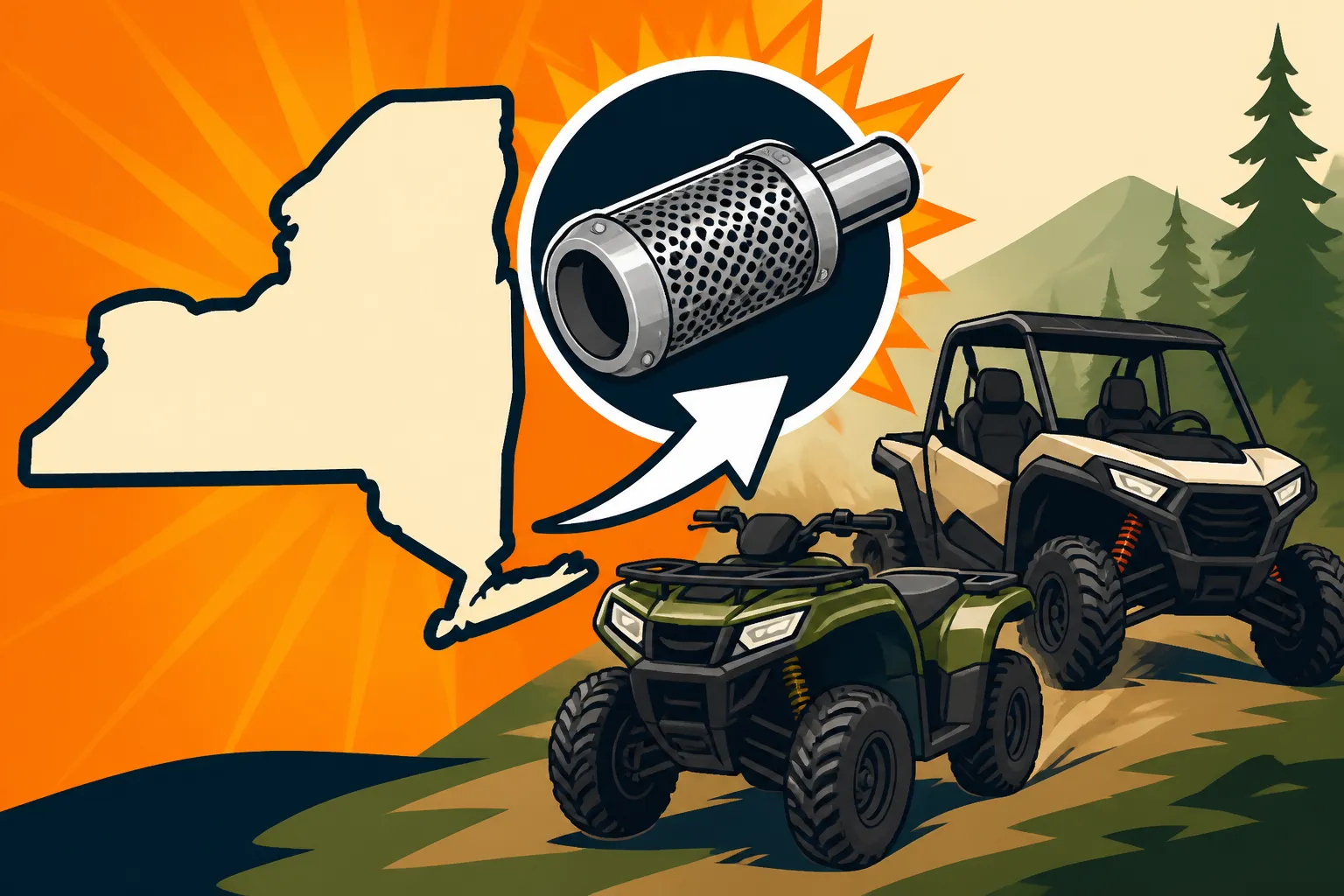
New York Spark Arrester Requirement
Riding the stunning trails and remote areas of New York State on your ATV is an incredible experience, but it comes with a responsibility to keep our wild spaces safe. Many riders, especially those new to the sport or who have just bought a used machine, often overlook a crucial piece of equipment that's not just a good idea, but a legal requirement: the spark arrester. Ignoring this small but mighty device can lead to hefty fines, environmental damage, and even trail closures for everyone, so let's dive into exactly what New York demands when it comes to keeping those sparks contained.
What Exactly Is a Spark Arrester and Why Does New York Care So Much?
When you’re out on the trails, carving through dirt and kicking up dust, the last thing on your mind might be a tiny ember escaping your exhaust pipe. But for New York State, and for anyone who loves the outdoors, that tiny ember is a major concern. This isn't just about bureaucracy; it's about protecting our incredible natural resources from the devastating threat of wildfires.
The Core Function of a Spark Arrester: Stopping Wildfires Before They Start
At its heart, a spark arrester is a simple, yet incredibly effective, safety device. Imagine it as a tiny, highly specialized filter built into your ATV's exhaust system, typically right at the end of the muffler. Its job is to prevent hot, glowing carbon particles—sparks—from exiting the exhaust pipe and landing in dry vegetation. When your engine runs, it produces exhaust gases, and sometimes, small bits of superheated carbon break off and get carried along with these gases. Without a spark arrester, these incandescent particles can fly out, land on a dry leaf, a patch of parched grass, or even a pile of pine needles, and in an instant, ignite a wildfire.
Think about the beautiful, expansive forests of the Adirondacks, the dense woodlands of the Tug Hill Plateau, or even the drier fields surrounding some of our more open trails. All it takes is one small spark on a hot, dry day to turn a recreational outing into an environmental catastrophe. New York has vast tracts of wild and managed land, and the state takes the preservation of these areas incredibly seriously. The spark arrester requirement is a direct response to this very real threat, aiming to keep our forests, fields, and even private properties safe from accidental ignition. It’s a proactive measure that protects not just the environment, but also the safety and property of countless New Yorkers.
The Legal Basis in New York State Law: It's Not Optional
This isn't just a friendly suggestion from the Department of Environmental Conservation or the DMV; it's a bonafide legal mandate. New York State law explicitly requires all ATVs operating on public lands or trails (and often on private lands open to public access) to be equipped with a U.S. Forest Service (USFS) approved spark arrester. While the exact wording might be found across a few different sections of New York's Consolidated Laws, particularly within the Environmental Conservation Law related to fire prevention and the Vehicle and Traffic Law concerning off-highway vehicles, the message is clear: if you ride an ATV here, you need a compliant spark arrester.
What does "USFS approved" mean in practice? It means the device has been tested and certified by the U.S. Forest Service to meet specific performance standards, ensuring it's effective at trapping sparks. Many factory-installed spark arresters on new ATVs will have this approval stamped directly on the muffler or the arrester screen itself. However, if you've bought a used machine, installed an aftermarket exhaust system, or removed your spark arrester for cleaning and haven't reinstalled it correctly, you could be in violation. The law doesn't care if you "didn't know"; it simply states the requirement. Ignoring this rule can lead to significant fines, potential impoundment of your ATV, and in the most severe cases, if your machine is linked to starting a fire, much more serious legal consequences, including liability for damages. This is why it’s so critical to understand and adhere to this requirement, not just for your own peace of mind but for the riding community and the environment. [New York Equipment Requirements for ATVs]
Identifying and Maintaining Your Spark Arrester
Okay, so you know why a spark arrester is important, but how do you actually ensure your ATV is compliant and ready for the trails? It’s a pretty straightforward process, but one that many riders often overlook. A quick check and a bit of routine maintenance can save you a lot of headaches, and potentially, a lot of money in fines.
How to Check if Your ATV Has a Compliant Arrester
The first step is locating the spark arrester on your ATV. In most cases, it's integrated directly into the muffler or located at the very end of the exhaust pipe where the gases exit. What you're looking for is a fine mesh screen or a series of baffles designed to trap those rogue sparks. Many manufacturers will stamp "USFS Approved" or a similar certification directly on the muffler housing or the end cap if the spark arrester is factory-installed and compliant. If you don't see such a stamp, or if your machine has an aftermarket exhaust, you'll need to do a bit more digging.
For machines with a removable spark arrester, you can often take off the end cap of the muffler to physically inspect the screen. It should be intact, free of holes, and clear of excessive carbon buildup. If you've got an older machine, or one that has been heavily modified, it’s entirely possible that the original spark arrester was removed by a previous owner who perhaps wanted a louder exhaust note, or simply didn't understand its importance. Sometimes, riders will install an aftermarket exhaust that might be designed for performance but doesn't come with a compliant spark arrester, or the one it has isn't USFS approved. This is where you need to be particularly vigilant. Always check your machine's manual for its specific spark arrester location and type. When you’re at a trailhead in New York, getting ready to hit the dirt, an officer might very well conduct a spot check, and simply showing them that USFS stamp or an intact screen is usually all it takes to pass.
Cleaning and Replacement: Keeping Your Machine Legal and Functional
Just having a spark arrester isn't enough; it needs to be maintained to work effectively. Over time, carbon deposits from your engine's exhaust can build up on the mesh screen. This carbon accumulation can restrict exhaust flow, potentially affecting your ATV's performance, and more importantly, it can clog the screen, making it less effective at trapping sparks.
Routine Cleaning:
Cleaning your spark arrester is a fairly simple maintenance task. Here's a general approach:
- Locate and Remove: Allow your ATV to cool completely. Then, locate the spark arrester (usually by removing a few bolts on the muffler's end cap or by twisting out the arrester itself).
- Inspect: Once removed, inspect the screen for any damage, such as tears, holes, or significant rust.
- Clean: Use a stiff wire brush or a similar tool to gently scrape away any carbon buildup from the screen. Some riders also use a solvent designed for carbon removal, but always ensure it's safe for your specific arrester material. Make sure the screen is completely clear and unblocked.
- Reinstall: Once clean, reinstall the spark arrester, ensuring it's seated properly and all bolts are tightened to the manufacturer's specifications.
When to Replace:
You’ll need to replace your spark arrester if the screen is damaged in any way—a small hole can be enough to let an ember escape. Rust, warping, or any other structural compromise means it's time for a new one. This is especially true if you’ve had to really scrub a heavily carbonized screen, as aggressive cleaning can sometimes weaken older mesh. Finding OEM replacements can sometimes be tricky or expensive for older models. This is where the aftermarket comes in handy. Many reputable brands offer universal or model-specific spark arresters that meet USFS standards. If you're upgrading your exhaust or simply need a robust replacement, brands like SuperATV offer a range of solutions that meet regulatory standards and can be a reliable source for compliant aftermarket parts. Always double-check that any replacement part clearly states its USFS approval before purchasing. [What an ATV Costs to Own in New York]
The Consequences of Riding Without a Spark Arrester in New York
It's tempting to think of the spark arrester as just another one of those nitpicky rules, but the truth is, the consequences of not having one (or having one that's not properly maintained) are very real. These aren't just theoretical possibilities; they are situations that New York State law enforcement and environmental agencies actively enforce to protect our shared outdoor spaces.
Fines and Legal Penalties: It's Not Worth the Risk
Let's talk about what happens if you're caught. New York State Police, local sheriff's departments, and Environmental Conservation Officers (ECOs) are all authorized to enforce ATV regulations, including the spark arrester requirement. If you're stopped on a public trail, a designated riding area like those in Lewis County, or even sometimes on private land where public access is permitted, an officer may conduct a roadside inspection of your machine.
If they discover your ATV lacks a USFS-approved spark arrester, or if the one you have is damaged and ineffective, you're likely going to receive a ticket. The specific fine can vary, but these aren't just minor infractions; they can carry significant monetary penalties. We're not talking about a parking ticket here. These fines can quickly add up, especially if you're also found to be in violation of other regulations, such as riding in a prohibited area or without proper registration. [New York Fines for an ATV Violation] Beyond the financial hit, repeated offenses could lead to more severe penalties, including potentially having your ATV impounded. It's simply not worth the gamble when a compliant spark arrester is a relatively inexpensive and easy thing to ensure. Imagine your riding day being cut short, not because of a mechanical breakdown, but because you missed a basic safety check that cost you hundreds of dollars.
Trail Closures and Environmental Impact: A Ripple Effect
Beyond your personal legal woes, there's a much broader, more devastating consequence to consider: wildfires. As discussed, a spark arrester is a critical fire prevention device. Without it, your ATV becomes a potential fire hazard every time you hit the throttle, especially during dry periods common in late summer and early fall across New York.
Should your machine be the cause of a wildfire, the impact is catastrophic. A single spark can ignite acres of forest, destroying wildlife habitats, polluting the air, and threatening homes and communities. The costs of fighting such fires are immense, borne by taxpayers, and the recovery of affected ecosystems can take decades, if it ever fully recovers. Such events also invariably lead to severe restrictions and closures of riding areas. When a major wildfire occurs, one of the first questions asked is the source, and if ATVs are implicated, it often results in immediate and prolonged trail closures for all riders. This means that a lapse in judgment by one or a few riders can punish the entire ATV community, limiting access to the very places we love to explore. New York State is very protective of its forests and wild lands, often implementing seasonal fire bans or closing specific trails during high-risk conditions, and non-compliance with spark arrester rules directly undermines these efforts.
Compliant vs. Non-Compliant Spark Arrester Checklist
| Feature/Aspect | Compliant Spark Arrester | Non-Compliant Spark Arrester | Why It Matters |
|---|---|---|---|
| USFS Approval | Clearly stamped "USFS Approved" or equivalent | No stamp, or a generic "off-road use only" disclaimer | Legal Requirement: Ensures it meets federal fire safety standards. |
| Screen Condition | Intact, fine mesh, no holes, tears, or significant rust | Damaged, rusted through, holes, or missing screen | Fire Prevention: A compromised screen allows dangerous embers to escape. |
| Carbon Buildup | Relatively clean, minimal carbon obstruction | Heavily clogged with carbon, reducing exhaust flow and effectiveness | Performance & Safety: Clogging impedes exhaust and reduces spark trapping. |
| Installation | Securely installed, proper seal, all fasteners present | Loose, improperly sealed, missing bolts, or completely removed | Effectiveness: Must be securely in place to function as designed. |
| Exhaust System | Factory OEM or compliant aftermarket exhaust | Aftermarket exhaust without a spark arrester, or modified | Compatibility: Aftermarket systems must integrate a compliant arrester. |
Beyond the Arrester: Other Important Equipment for New York Riding
While the spark arrester is a crucial, often overlooked component, it’s just one piece of the puzzle when it comes to riding legally and responsibly in New York. The state has a comprehensive set of regulations designed to ensure rider safety, environmental protection, and a harmonious coexistence between riders and other outdoor enthusiasts.
Muffler Requirements and Noise Standards: Keeping the Peace
Hand-in-hand with spark arresters are general muffler requirements and noise standards. New York's laws aren't just concerned about what comes out of your exhaust in terms of sparks, but also in terms of sound. Excessive noise from ATVs can be a major source of conflict with landowners, residents near riding areas, and other trail users like hikers or equestrians. Many areas, particularly those with shared-use trails or proximity to residential zones, have strict decibel limits for off-road vehicles. [Mufflers Under the Federal Noise Standard]
The goal here is simple: minimize disturbance. Loud exhausts not only contribute to noise pollution but also create a negative public perception of ATV riders, which can lead to further restrictions or even the closure of trails. A properly functioning, compliant muffler will keep your machine within legal noise limits, ensuring that your exhilarating ride doesn't become a nuisance for others. It’s about respect and preserving access for everyone. If your exhaust has been modified for maximum volume, you're not just risking a noise violation ticket, but you're also contributing to the very reasons why some communities push to limit or ban ATV riding entirely.
Other Safety Equipment New York Demands: Your Complete Check
A responsible rider’s pre-ride checklist goes far beyond just the spark arrester and muffler. New York State has clear requirements for other safety equipment, and knowing these can prevent fines and, more importantly, keep you safe.
- Helmets: This is non-negotiable. Every rider and passenger on an ATV in New York, regardless of age, must wear a securely fastened helmet that meets Department of Transportation (DOT) standards. This isn't just a rule; it's literally a life-saver. [New York Helmet Law for ATV Riders]
- Headlights and Taillights: If you plan on riding at any time from one-half hour after sunset to one-half hour before sunrise, or in any other condition of limited visibility, your ATV must be equipped with at least one headlight and one taillight. These aren't just for you to see; they're for others to see you. [New York ATV Lighting Requirements]
- Brakes: Your ATV must have adequate brakes in good working order. Sounds obvious, right? But it's often overlooked. Regular brake inspections are crucial for safety.
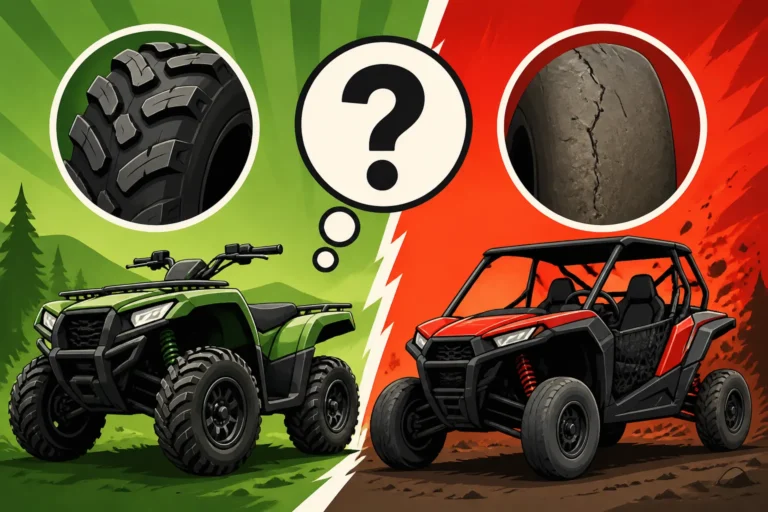
- Tires and Tread Depth: New York law requires a minimum of 2/32 of an inch of tread depth on your tires. Worn-out tires compromise traction and control, especially on varied terrain. [New York ATV Tread Depth Requirement]
- Eye Protection: While not always as explicitly stated as helmets, appropriate eye protection (goggles or a face shield) is highly recommended and often implied under general safety practices. Getting dust, mud, or a low-hanging branch in your eye can lead to serious injury or a crash.
By making sure your ATV is fully compliant with all of New York’s equipment regulations, you're not just avoiding a ticket; you're contributing to a safer, more sustainable riding experience for yourself and for the entire community. It demonstrates that ATV riders are responsible stewards of the land and respectful members of the outdoor community, which is essential for maintaining and expanding access to our incredible New York trails. Brands like SuperATV also offer a wide array of accessories from winches to lighting that can enhance both safety and compliance.
Disclaimer
This article is for general informational purposes only and does not constitute professional advice. Laws, prices and regulations vary by location and change over time. Consult a qualified professional for guidance on your specific situation.