Checking for Washed-Out Trail Bridges After Spring Melt
Spring melt hazards require checking New York trail conditions, spotting bridge damage safely, and deciding when to turn around.
The map is not the permission.
National forest and BLM routes, state OHV parks, and club trails crossing private land — with the closures and passes that decide whether today counts.
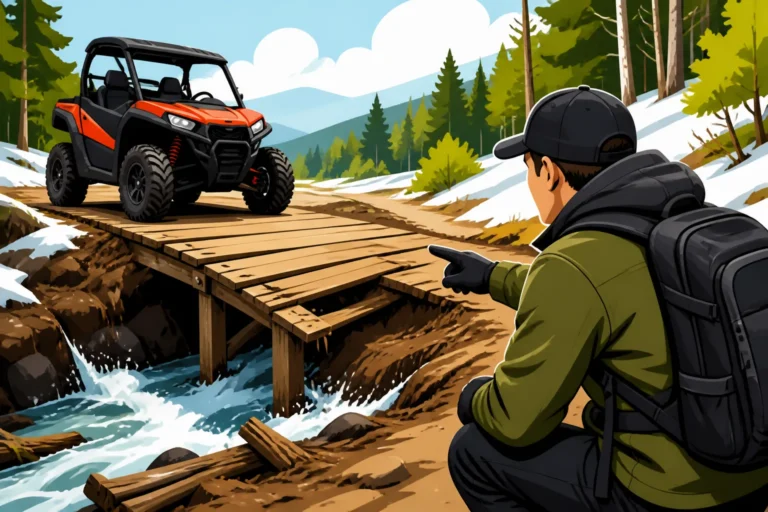
Spring melt hazards require checking New York trail conditions, spotting bridge damage safely, and deciding when to turn around.
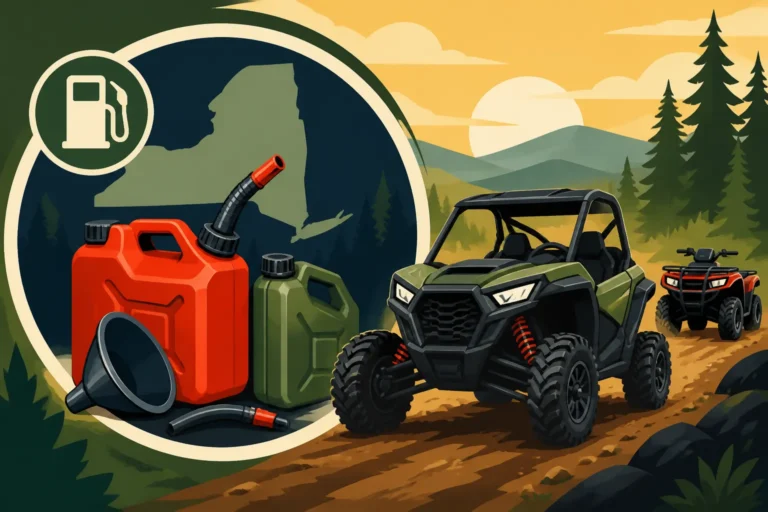
ATV fuel range planning for long northern New York loops helps riders estimate consumption and avoid running out of gas.
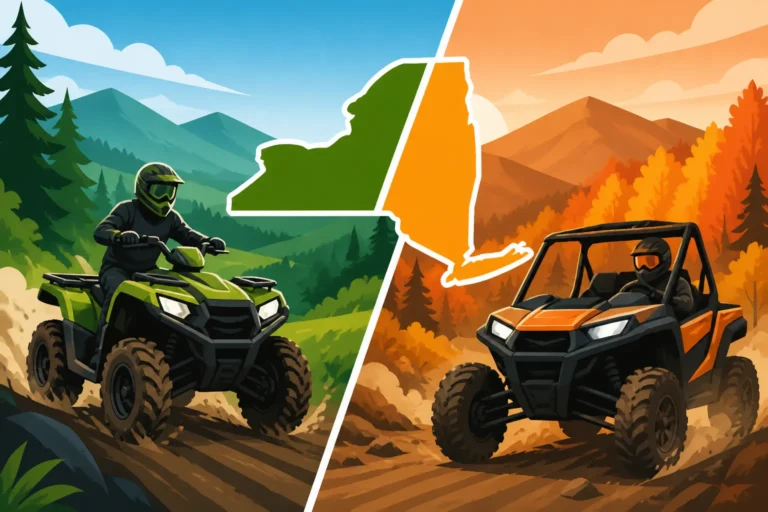
Planning a multi-county ATV ride in New York requires checking trail access, permits, and legal connectors county by county.
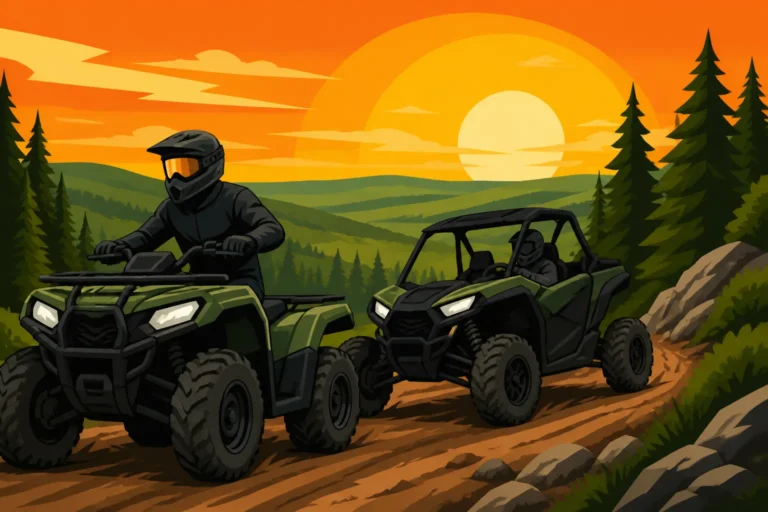
Tug Hill ride planning strategies help off-road groups build daylight-safe loops using current trail access and pacing.

Proper New York ATV trailhead staging requires checking parking rules and picking realistic arrival times to avoid full lots.
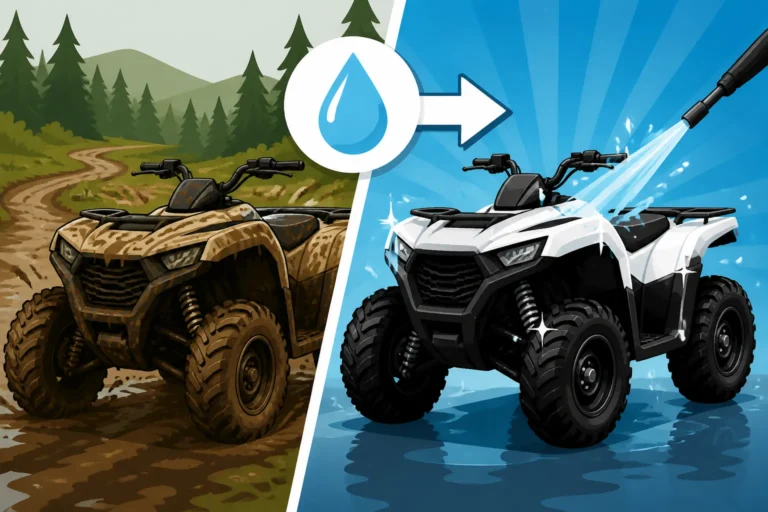
ATV and UTV washing instructions explain safe home cleanup methods, required cooling times, and proper trail etiquette rules.
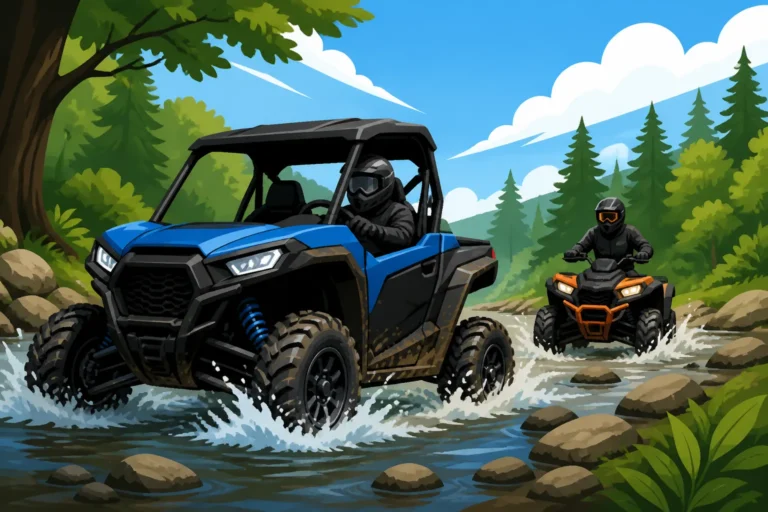
Wet-weather creek crossings on New York ATV trails require assessing water depth, checking damaged banks, and knowing when to turn around.
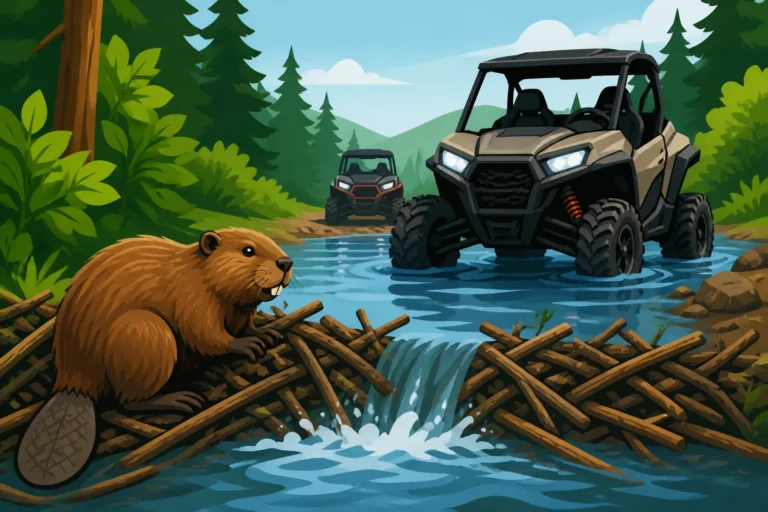
New York ATV trail flooding caused by beavers requires riders to assess water depths and find authorized routes.

Black bear encounters in northern New York woods require trail riders and campers to keep food secured and back away slowly.
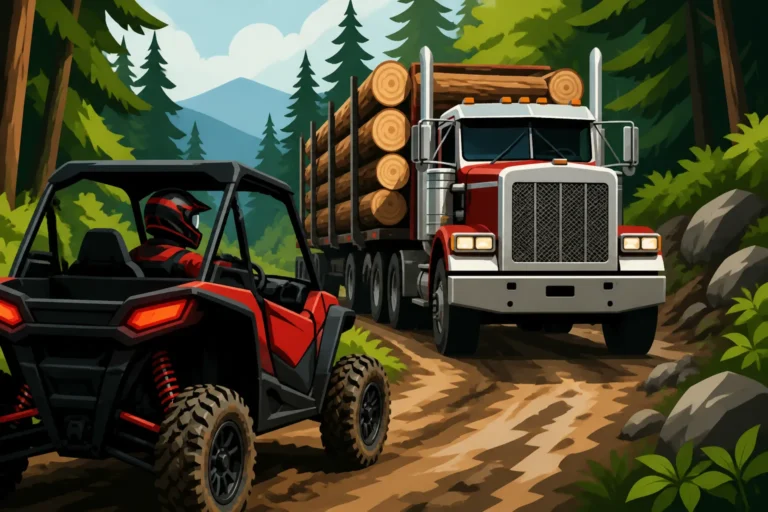
New York ATV riders meeting a logging truck must slow early, stay visible, and yield safely on narrow trail roads without hitting unstable shoulders.