What Happens When a Landowner Pulls Trail Permission
New York trail closures caused by private landowners require riders to stop, turn back, and use authorized detours.
The map is not the permission.
National forest and BLM routes, state OHV parks, and club trails crossing private land — with the closures and passes that decide whether today counts.
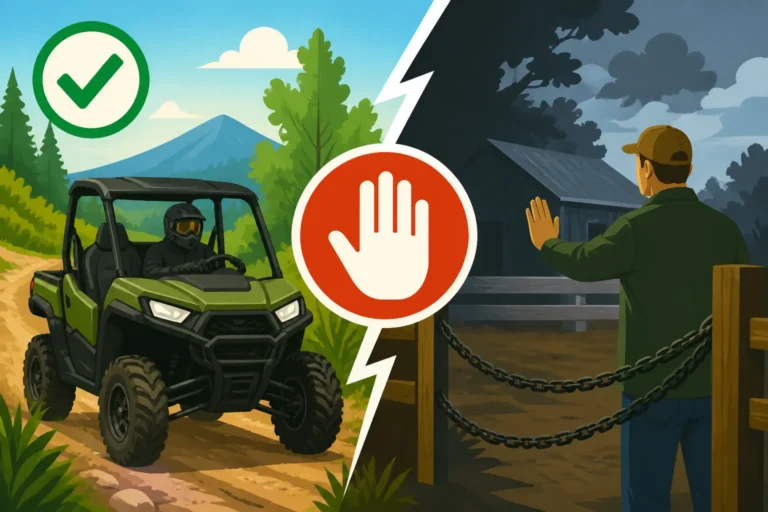
New York trail closures caused by private landowners require riders to stop, turn back, and use authorized detours.
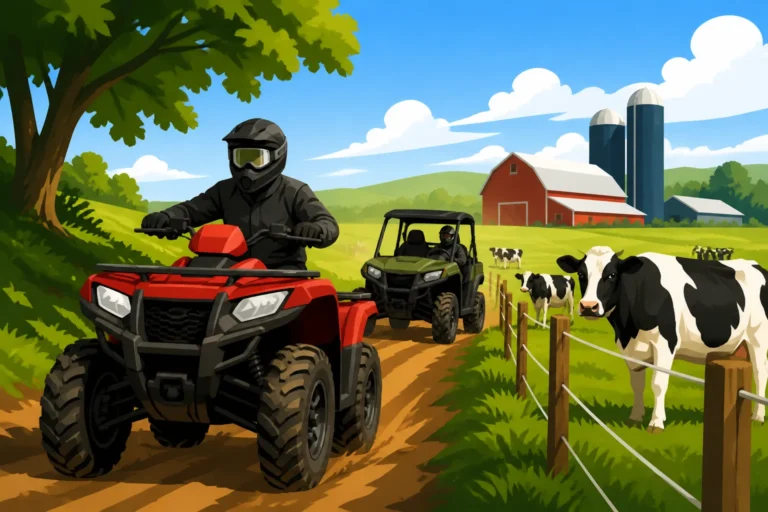
New York ATV trail riding across working dairy farms requires confirming open routes and following farm safety rules.
New York landowner agreements clarify trail routes, set riding schedules, and protect private property from misunderstandings.

New York snowmobile corridors require local landowner and manager permission before riding ATVs during warmer months.
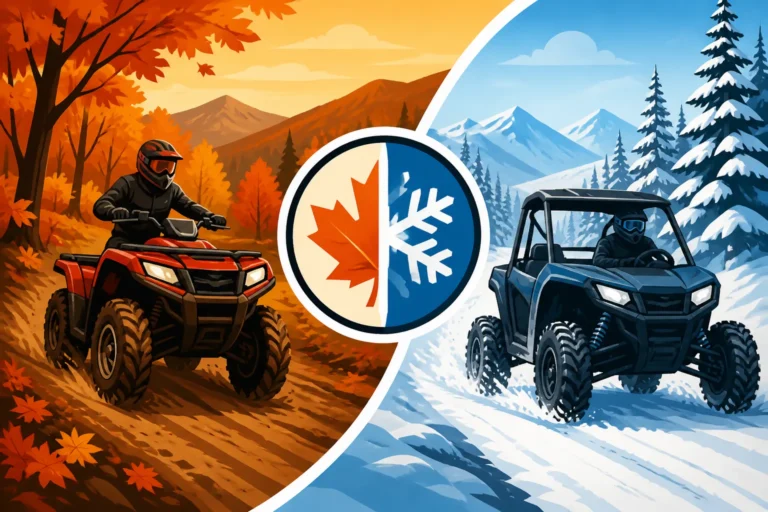
New York shared trails require seasonal agreements and landowner permission before snowmobiles and ATVs use the same corridor.
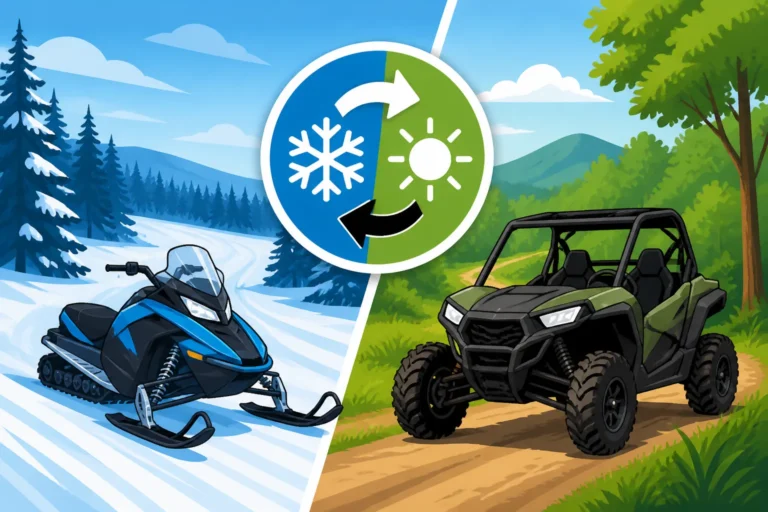
New York snowmobile corridors require specific landowner permission and manager checks before summer ATV riding.
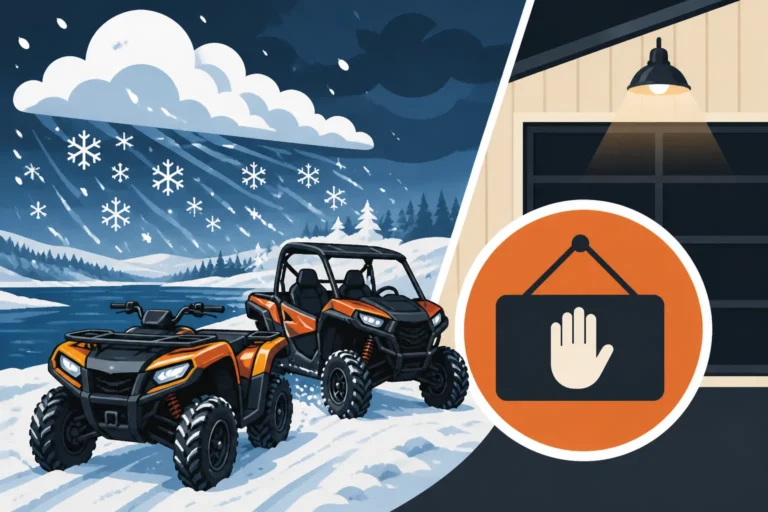
Lake-effect snow near Tug Hill explains why New York ATV trails close early and how to check local trail status.
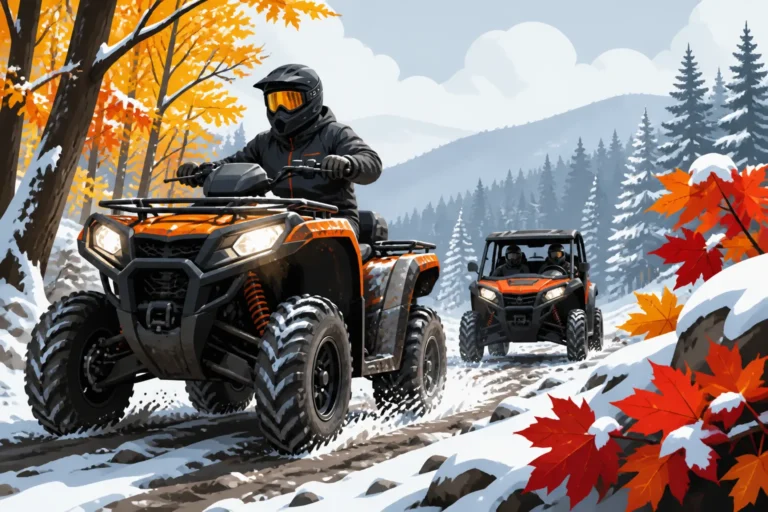
New York ATV riders learn how to confirm trail access, check changing local conditions, and navigate early October snow safely.
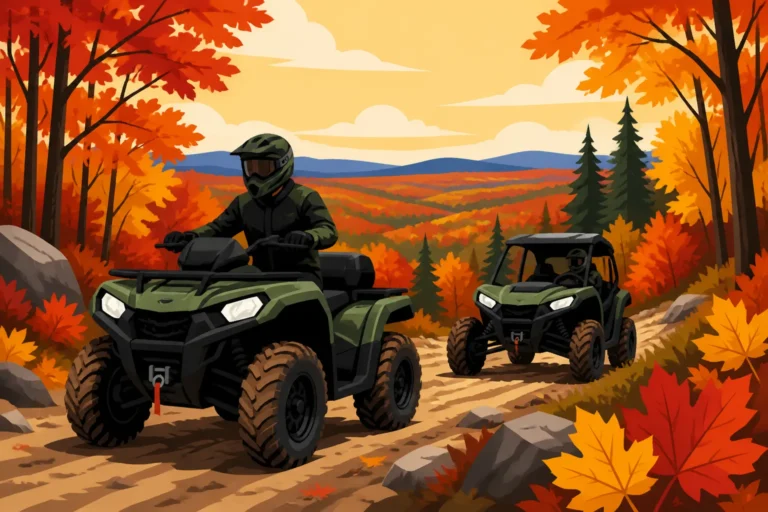
Fall ATV riding on the Tug Hill Plateau requires checking open trails, managing wet conditions, and planning shorter routes.
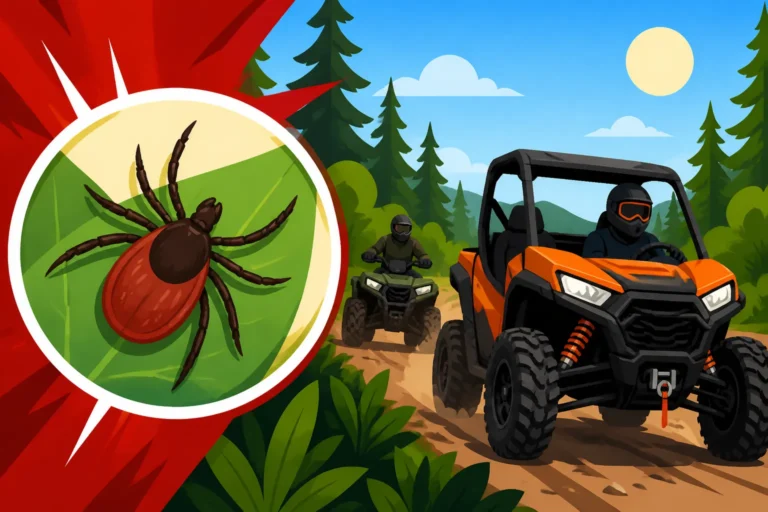
Deer ticks on summer ATV rides can be managed by reducing exposure, checking gear, and responding calmly to bites.