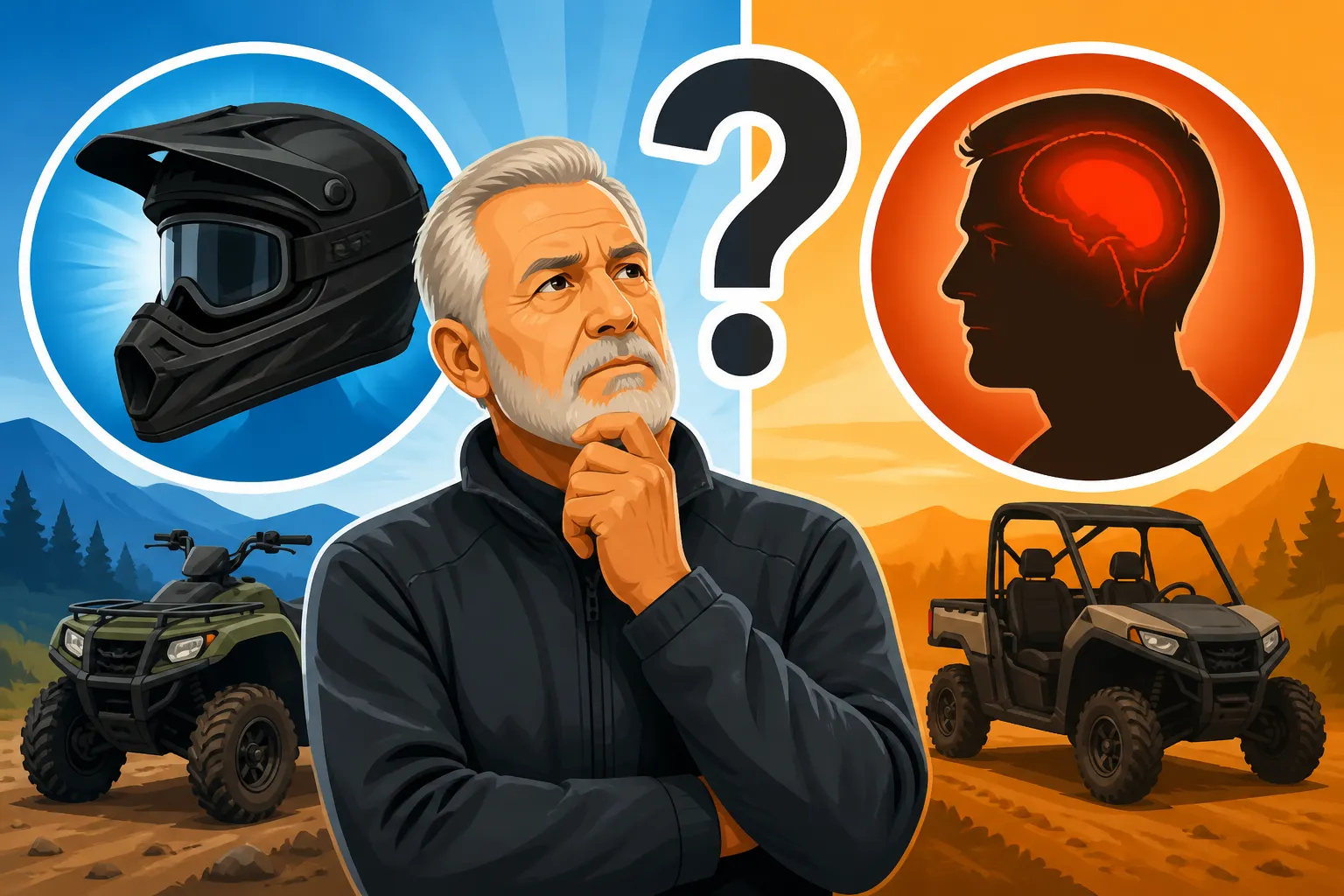
Does a Sixty-Year-Old Rider Still Need a Helmet?
It’s a common thought, especially for those of us who have been riding ATVs for decades: "I've got more experience than most of these youngsters, and I've certainly ridden more miles. Do I, at sixty or beyond, really still need to wear a helmet when I’m out on the trails or even just on my own land?" This guide is here to cut through the assumptions and clarify New York State's unwavering stance on ATV helmet laws, ensuring you stay safe and legally compliant.
New York's Unwavering Helmet Law for ATV Riders
Let's get right to it: in New York State, the answer is a resounding yes. Whether you're sixteen or sixty-five, a helmet is not optional. It’s a mandatory piece of safety equipment for every single ATV rider, every single time you straddle your machine and hit the throttle. I know, it might feel a bit excessive, especially if you’ve been riding since before helmets were even a common sight in the sport, but the law is crystal clear and applies to everyone equally.
Why Age Offers No Exemption
You might assume that after a certain age, or with decades of riding experience under your belt, the state might make an exception. Perhaps you believe your seasoned judgment and intimate knowledge of your machine and the terrain make you less susceptible to accidents. Unfortunately, the hard truth is that accidents don't discriminate by age or experience. A sudden obstacle, an unexpected patch of loose gravel, or even another rider's mistake can happen to anyone, at any time. The impact can be just as severe for a veteran rider as for a novice.
New York's Vehicle and Traffic Law Section 2407 doesn't have an age clause for helmet use. It simply states that every person operating or riding an ATV must wear a helmet that meets federal standards. This is critical to understand. The moment you step off your own private property and onto a designated trail, a public access area, or even just cross a road, you are subject to this law. Even on private land, while enforcement might differ, the principle of personal safety remains. For more details on this, you can look at [New York Helmet Law for ATV Riders].
The Rationale Behind Universal Helmet Use
The state's reasoning for a universal helmet law is simple and rooted in public health and safety. ATV riding, while exhilarating, carries inherent risks. Head injuries are among the most serious and potentially life-altering consequences of ATV accidents. Helmets are scientifically proven to significantly reduce the risk and severity of head trauma. They are not just about protecting you from a ticket; they are about protecting your brain.
Think about the conditions we often ride in here in New York – the unpredictable terrain of Tug Hill, the muddy trails after a spring thaw, or the rocky paths of a county forest. All of these present potential hazards. A helmet acts as your first line of defense. The law acknowledges that even the most cautious and experienced rider can make a mistake or be caught off guard, and that’s precisely when that helmet becomes a lifesaver. This is exactly [Why New York Exempts No Adult From a Helmet].
Understanding New York's Mandatory ATV Insurance and Safety Requirements
While the helmet law is a primary concern, it's part of a larger framework of safety and legal requirements for ATV riders in New York. The state wants to ensure that everyone who ventures out on an ATV is protected, not just from physical injury, but also from potential financial ruin should an accident occur. It's a comprehensive approach to keep the trails safe and enjoyable for all.
The Interconnectedness of Safety and Legal Riding
Beyond your helmet, New York mandates that every ATV operated off your own property must be registered with the DMV and carry liability insurance. This isn't just a bureaucratic hurdle; it’s a vital layer of protection. Imagine a scenario where, despite all your precautions, an accident happens on a public trail involving another rider. If you're uninsured, the financial consequences could be devastating. The helmet protects you physically, while insurance protects you financially.
Many riders, myself included, have invested in robust protection for our machines, such as heavy-duty skid plates, A-arm guards, or durable bumpers to handle the challenging New York terrain. Companies like SuperATV offer a wide range of these accessories, which, while not directly related to helmet use, contribute to the overall safety and integrity of your machine. A well-protected machine is less likely to break down in a remote area, which, in turn, keeps the rider safer. Ensuring your machine is in top condition and properly equipped, along with wearing your helmet and having insurance, creates a holistic approach to safe riding. You can learn more about this by checking out [New York's Mandatory ATV Insurance].
Beyond Helmets: Other Essential Gear and Rules
While your helmet is non-negotiable, there's a whole world of other gear and regulations that contribute to a safer riding experience in New York. This includes everything from eye protection to proper footwear, and understanding who can ride as a passenger. The state isn't just focused on your head; it's focused on your entire well-being and the safety of those around you.
| Safety Item | New York Requirement | Why It's Important |
|---|---|---|
| Helmet | Mandatory for all riders and passengers, all ages. | Critical for preventing severe head injuries in case of an accident. |
| Eye Protection | Recommended, often integrated with helmets or separate. | Shields eyes from debris, branches, insects, and harsh weather. |
| Footwear | Sturdy boots that cover ankles are highly recommended. | Protects feet and ankles from impacts, hot engine parts, and rough terrain. |
| Gloves | Recommended. | Improves grip, protects hands from scrapes, blisters, and cold. |
| Long Sleeves/Pants | Recommended, especially durable materials. | Protects skin from branches, sun, scrapes, and helps prevent hypothermia/heatstroke. |
| ATV Insurance | Mandatory for registered machines. | Covers liability for damages or injuries to others in an accident. |
| ATV Registration | Mandatory for off-highway operation (with exemptions). | Ensures machines are tracked and funds go to trail maintenance. |
| Spark Arrester | Mandatory. | Prevents wildfires by containing sparks from the exhaust system. |
| Muffler | Mandatory. | Reduces engine noise to acceptable levels, preventing disturbance. |
It’s about making smart choices for your safety. For instance, kids under 16 need to take an ATV safety course to legally ride. While you, as an experienced adult, might not need the course, understanding [New York ATV Safety Certificate Requirements] can help if you're riding with younger family members. Furthermore, knowing [New York Equipment Requirements for ATVs] ensures your machine itself is up to snuff, from working lights to proper tires, reducing the risk of breakdown or unsafe operation.
Common Misconceptions and Real-World Consequences
Despite the clear laws, I still hear riders expressing confusion or even outright disbelief about certain regulations. It’s easy to get caught up in old habits or to assume that what might be acceptable in another state applies here in New York. However, these misconceptions can lead to dangerous situations and costly penalties. Let’s clear up some of the most persistent myths.
The "Private Land" Myth Debunked
Perhaps one of the most common misconceptions is the belief that helmet laws, and indeed other ATV regulations, don’t apply when you’re riding on private property. "It's my land, I can do what I want!" is a sentiment I've heard countless times. While it's true that some regulations might have different enforcement priorities on private land versus public trails, New York State law explicitly states that the helmet requirement applies to all ATV operation, regardless of where it occurs.
The intent behind this is universal safety. If you sustain a serious head injury on your own property because you weren't wearing a helmet, it still strains emergency services and carries significant personal and family impact. Moreover, if you have guests or family riding on your private land, you as the landowner could bear some liability if they are injured and not following safety protocols. While [Riding Your Own Property Under New York Law] discusses various aspects, the helmet rule remains constant. It's always best to encourage and enforce proper safety gear for everyone on your land.
Penalties for Non-Compliance
Ignoring New York's helmet law isn't just a matter of personal risk; it's a legal violation that carries real consequences. If you're stopped by law enforcement—a New York State Trooper, a sheriff's deputy, or even a local police officer—and found to be riding without a helmet, you can expect a citation. These fines can be substantial, and they quickly add up, making that helmet purchase look like a small investment in comparison.
Beyond the immediate fine, there could be other repercussions. In the unfortunate event of an accident, if you weren't wearing a helmet, it could complicate insurance claims or even impact any legal action related to the accident, potentially reducing compensation for your injuries. Law enforcement officers routinely check for proper registration, insurance, and helmet use when they encounter riders. What a New York Officer Checks Roadside isn't just about plates; it’s about ensuring you're safe and legal. Don't risk it. Wear the helmet, every ride, every time. For instance, imagine being pulled over on a designated county trail in Lewis County; they'll certainly check for your permit and your helmet. While the Lewis County ATV trail system is fantastic, the rules are strictly enforced for everyone's safety.
Disclaimer
This article is for general informational purposes only and does not constitute professional advice. Laws, prices and regulations vary by location and change over time. Consult a qualified professional for guidance on your specific situation.