Does Your Passenger Need a Helmet Too?
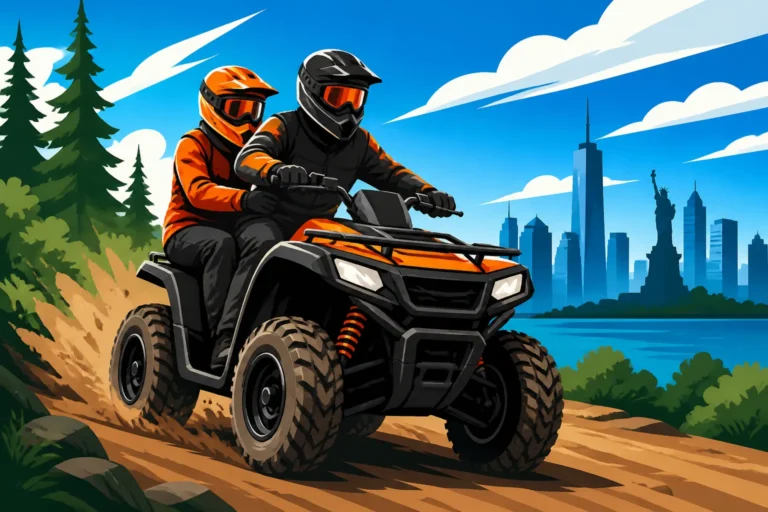
Riding an ATV in New York is an incredible way to explore the state's beautiful landscapes, from the rolling hills of the Southern Tier to the rugged terrain of Tug Hill. But as soon as you think about bringing a friend or family member along for the ride, a common question pops up: does your passenger need a helmet too? It's a critical point of confusion for many riders, and honestly, the rules can feel a bit overwhelming if you're not sure where to look. This guide will cut through the uncertainty, explaining exactly what New York law says about ATV passenger helmets and what you need to do to keep everyone safe and legal on the trails.
The Core Question: New York's Mandatory Helmet Law for Passengers
It's easy to assume that if you, as the operator, need a helmet, your passenger might too. But sometimes, people wonder if kids are exempt, or if simply being on private land changes the rules. Let's clear up that fundamental question right now.
Why New York Takes Helmets Seriously
New York State has a clear and unwavering commitment to rider safety, and that extends far beyond just the person gripping the handlebars. The reasoning behind mandatory helmet laws is pretty straightforward: head injuries are devastating. We're talking about life-altering consequences, not just a bump or bruise. When you're out on an ATV, even at lower speeds, there's always a risk of an unexpected tip-over, a collision with an obstacle, or losing control on uneven ground. The forces involved in even a minor accident can be enough to cause serious trauma.
From the state's perspective, protecting riders isn't just about individual well-being; it's also about public health and safety. Severe injuries can lead to massive medical bills, long-term care, and a significant emotional toll on families. So, while it might sometimes feel like an extra hassle to ensure everyone has a helmet, understand that these laws are rooted in a very real effort to prevent tragedies. This commitment is why you'll find comprehensive rules in places like [New York Helmet Law for ATV Riders] that cover everyone.
Who Counts as a Passenger Under New York Law?
This might seem like a silly question, but it's important to define. In the eyes of New York law, a "passenger" on an ATV is anyone who is not operating the machine. This definition isn't limited by age, relationship, or how long they're on the machine. Whether it's your child riding directly behind you on a dedicated passenger seat, a friend you're giving a quick lift across a field, or a spouse enjoying the scenery, if they're not driving, they're a passenger.
There's no gray area here. If another person is physically on your ATV with you, and they aren't the one controlling it, they are considered a passenger. This means the same safety rules apply to them as to any other passenger, regardless of their experience level or how short the ride might be. It’s not just about designated trail systems; this applies even if you're simply riding on your own property with permission, or crossing a designated road.
The Law's Specifics: New York Helmet Law for Passengers
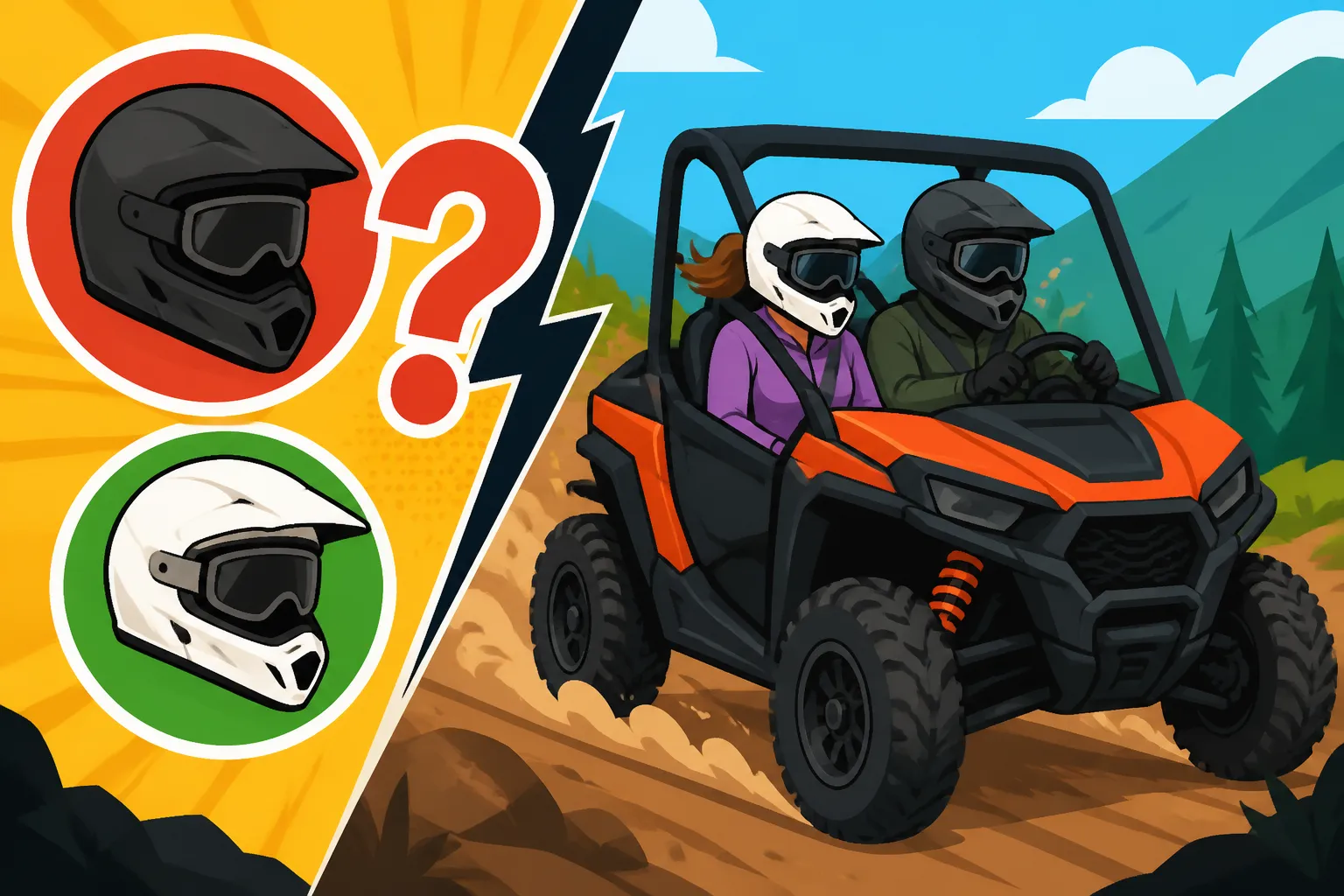
Here's the definitive answer: yes, under New York law, every ATV passenger must wear an approved helmet. There are no exceptions for age, experience, or the type of terrain you're riding on. If an ATV is capable of carrying a passenger, and you choose to do so, that passenger needs a properly fitted, DOT-approved helmet. This rule is clearly outlined in [New York Helmet Law for Passengers].
The law doesn't care if your passenger is an adult who has ridden ATVs for decades or a child taking their first short spin. The requirement is universal. Failing to ensure your passenger wears a helmet isn't just a safety risk; it's also a violation of the law, which can lead to fines and other legal consequences. The responsibility rests squarely with the ATV operator to ensure all occupants are compliant.
Understanding Helmet Requirements and Safety
Knowing that a helmet is required is one thing, but understanding what makes a helmet "legal" and truly safe is another. Not all helmets are created equal, and proper fit is just as important as the helmet itself.
What Makes a Helmet "Legal" in New York?
When the law says "approved helmet," it's not just talking about any old hard hat. In New York, an ATV helmet must be Department of Transportation (DOT) certified. This means the helmet has met specific safety standards set by the federal government. You'll typically find a DOT sticker on the back of any compliant helmet. This certification is your assurance that the helmet has undergone rigorous testing to protect against impact and penetration.
Beyond the DOT stamp, a legal helmet needs to be in good condition. A helmet that's cracked, severely scratched, or has been in a previous impact may no longer offer adequate protection, even if it has a DOT sticker. Always inspect your helmets regularly. When you're shopping for new gear, reputable brands often provide helmets that meet or exceed these standards. For instance, when looking for reliable gear, many riders check out offerings from companies like SuperATV, who specialize in off-road accessories and often carry safety equipment that meets these stringent requirements.
The Importance of a Proper Fit, Especially for Kids
A helmet, no matter how highly rated, is only effective if it fits correctly. This is absolutely crucial, especially when it comes to children. A helmet that's too loose can shift during a fall, exposing the head or even coming off entirely. One that's too tight can be uncomfortable and distracting, which is its own safety hazard.
For a proper fit, the helmet should be snug but not painful. It shouldn't wiggle or slide when you shake your head. The chin strap should be securely fastened, allowing only one or two fingers to fit underneath. For kids, this is even more vital. Children's heads are still developing, and their neck muscles are not as strong as an adult's. An ill-fitting or too-heavy helmet can actually cause more harm than good in an accident. Always buy a youth-specific helmet for a child, designed to match their smaller head and neck strength. Make sure they try it on, and do the "shake test" to ensure it doesn't move around freely. You can find more specific guidance on this in [New York Helmet Rules for Passengers].
Here’s a quick guide to checking helmet fit:
| Fit Aspect | What to Check | Why It Matters |
|---|---|---|
| Snugness | Helmet should feel tight all around, no pressure points. | Prevents shifting during impact, ensures full protection. |
| Movement | Shake your head side-to-side and front-to-back; helmet shouldn't slide. | A loose helmet can't protect if it moves out of position. |
| Chin Strap | Should be taut, allowing only 1-2 fingers to fit underneath. | Keeps the helmet on your head in a crash. |
| Vision | Helmet should not obstruct peripheral vision. | Essential for passenger awareness and comfort. |
| Age-Appropriate | Especially for children, ensure it’s a youth-specific helmet. | Designed for developing heads and necks, proper weight distribution. |
Beyond the Helmet: Other Safety Gear for Passengers
While the helmet is legally mandatory and the most critical piece of safety gear, a truly safe ride involves more than just head protection. Think of the helmet as your first line of defense, but not your only one.
Passengers, like operators, should also wear:
- Eye protection: Even with a full-face helmet, dedicated goggles can offer better clarity and protection from dust, bugs, and debris. If wearing an open-face helmet, eye protection is absolutely non-negotiable.
- Gloves: These protect hands from abrasions in a fall and improve grip on grab handles.
- Long sleeves and pants: Sturdy denim or specialized riding gear protects against scrapes, branches, and sun exposure. Avoid shorts and t-shirts, even on hot days.
- Over-the-ankle boots: These protect feet and ankles from impacts, hot engine parts, and offer better grip on footrests.
- Chest protectors (especially for youth): While not legally required, a chest protector can significantly reduce the risk of injury to the torso.
Equipping your passenger with these additional items, readily available from various off-road suppliers including SuperATV, ensures a more comfortable and significantly safer experience. It shows you're not just complying with the law, but truly committed to their well-being on the trail.
Consequences and Practicalities for Carrying Passengers
Now that we've established the helmet requirement and the importance of proper fit, let's talk about what happens if you don't follow the rules, and some practical considerations for safely carrying a passenger.
The Legal Repercussions of an Unhelmeted Passenger
Ignoring New York's helmet law for passengers comes with tangible legal and financial consequences. If you, as the operator, are stopped and your passenger isn't wearing an approved helmet, you could face fines. These aren't just minor tickets; they can be costly, making an already expensive hobby even more so. Remember, the operator is responsible for ensuring compliance.
Beyond the immediate fine, there are potentially far more serious repercussions, particularly in the event of an accident. If your unhelmeted passenger suffers an injury, your liability could be significantly increased. Your insurance company might deny or reduce coverage for medical expenses if you were in violation of a safety law. This could leave you personally on the hook for massive medical bills, potential lawsuits, and a host of other financial and legal troubles. It’s a stark reminder that these laws are there for a reason, and ignoring them can have profound impacts, much like the penalties described in [New York Fines for Riding Without Insurance] when caught riding without proper coverage.
Can Your Machine Legally Carry a Passenger?
This is a critical point that often gets overlooked. Just because you can squeeze two people onto an ATV doesn't mean it's safe or legal. Many ATVs are designed and manufactured for a single rider only. These machines have a single seat, and no provisions for a second set of footrests or grab handles. Carrying a passenger on a single-rider ATV can severely affect the machine's balance and handling, making it incredibly unstable and dangerous, especially on turns or uneven terrain.
New York law, like common sense, emphasizes that if you're going to carry a passenger, your ATV must be specifically designed by the manufacturer to carry more than one person. This means it needs a factory-fitted passenger seat and appropriate handholds and footrests. Attempting to modify a single-rider ATV with aftermarket seats or simply having someone sit behind you on the rear rack is generally unsafe and could put you in violation of various regulations. The article [Why a Passenger Needs a Factory-Fitted Seat in New York] delves deeper into this specific requirement, and it's something every rider needs to understand before hitting the trails with a companion. If your machine isn't designed for it, don't risk it.
Preparing for a Safe Ride with Passengers
Once you've ensured your machine is designed for a passenger and both of you have the correct, properly fitted helmets and other safety gear, it’s time to prepare for the ride itself. This isn't just about throwing a leg over; it's about clear communication and responsible riding.
- Pre-Ride Briefing: Before you even start the engine, talk to your passenger. Explain how to sit, where to hold on, and what to expect. Tell them to lean with you into turns and to keep their feet securely on the footrests at all times. If they're a child, keep the instructions simple and clear, emphasizing listening to your commands.
- Machine Readiness: With the added weight of a passenger, your ATV will handle differently. Before riding, check your tire pressure (some manufacturers recommend slightly higher pressure for two riders), ensure brakes are in top condition, and that all lights are functioning. An inspection of your machine's general condition, including things like checking for loose components, is always a good idea.
- Trail Selection: Choose trails that are appropriate for the combined skill level of both you and your passenger. If your passenger is new to riding or you're carrying a child, opt for flatter, less technical trails. Avoid steep climbs, deep mud, or heavily rocky sections until you're both comfortable and confident. Riding cautiously and within your limits is paramount when you have someone else's safety in your hands.
By following these guidelines, you not only comply with New York's helmet laws but also ensure that any passenger you bring along has the safest and most enjoyable experience possible on the trails.
Disclaimer
This article is for general informational purposes only and does not constitute professional advice. Laws, prices and regulations vary by location and change over time. Consult a qualified professional for guidance on your specific situation.