Twenty-Five Thousand for One Injury
It's a common misconception among New York ATV riders that because our machines aren't truly "street legal," the state doesn't care much about what we do with them off-road. But that couldn't be further from the truth, especially when it comes to insurance. One of the most critical, and sometimes overlooked, aspects of riding legally in New York revolves around liability coverage, particularly the specific minimums required for bodily injury. This guide will help you understand exactly what New York demands, why these rules are so important, and what those numbers like "twenty-five thousand for one injury" truly mean for your riding adventures.
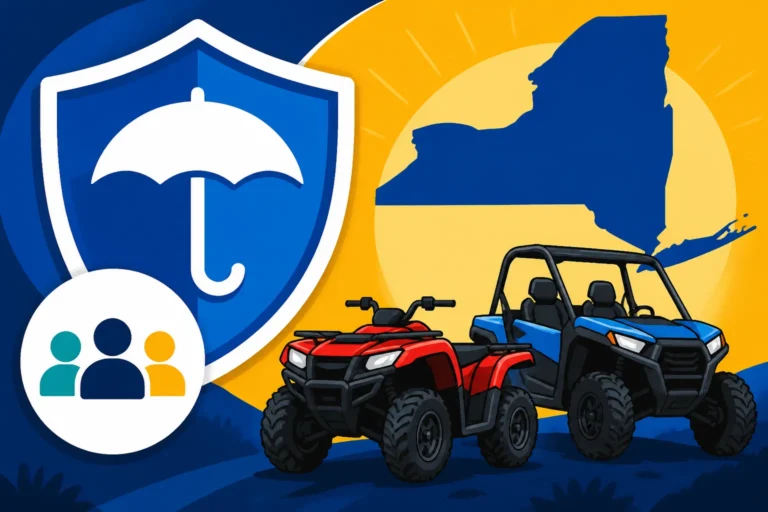
Understanding New York's Mandatory ATV Insurance Rule
It can feel a bit confusing, right? We know ATVs aren't generally allowed on public roads, yet New York insists we carry insurance. The state's stance is pretty clear: if you're riding your ATV anywhere other than your own private property, you absolutely need to have active insurance coverage. This isn't just a suggestion; it's a legal requirement designed to protect everyone on and around the trails and designated riding areas. Think about it: an accident can happen anywhere, and even if you're the most careful rider out there, unforeseen circumstances can lead to injuries or property damage involving others. This is why New York has put these safeguards in place. It's about personal responsibility and ensuring that if something goes wrong, there's a safety net for those who might be affected.
New York's law mandates that all ATVs operated off the owner's property, including on public trails, county-designated roads, or even private land where you have permission to ride but don't own, must be insured. This is distinct from a car insurance policy; you need a specific ATV policy. Sometimes riders think their regular auto insurance will cover it, but that's almost never the case. You need specialized coverage that understands the unique risks and uses of an all-terrain vehicle. [New York's Mandatory ATV Insurance] details this requirement further. This rule also applies to visitors bringing their machines from out of state; if they want to ride New York trails, they need to comply with New York's insurance rules.
Why the State Cares So Much About Your ATV Insurance
At first glance, it might seem like just another hoop to jump through, another expense to add to the cost of owning an ATV. But when you dig a little deeper, you realize why the state is so particular about ATV insurance. ATVs, by their very nature, can be powerful machines, and while incredibly fun, they also carry inherent risks. Accidents can lead to serious injuries, not just to the rider but also to passengers, other trail users, or even bystanders. Without insurance, if you're at fault in an accident that causes injury to another person or damages their property, you could be personally on the hook for potentially devastating costs. The state isn't trying to dampen your fun; they're trying to prevent financial ruin for individuals involved in accidents. It’s a protection for you, too, as it covers legal defense costs if you're sued, even if you're ultimately found not at fault.
Consider a scenario on a popular trail system, perhaps up on the Tug Hill Plateau. You're riding along, enjoying the stunning scenery, and suddenly, another rider comes around a blind corner a little too fast. There's a collision. Someone is hurt, and their ATV is damaged. If you're deemed at fault and don't have insurance, you could face medical bills that quickly climb into the tens or even hundreds of thousands of dollars, plus the cost to repair the other rider's machine. This is precisely the kind of situation the state's insurance mandate aims to mitigate. It’s about ensuring that everyone who shares our trails and designated routes has a basic level of protection against the unexpected.
Breaking Down New York's Minimum Coverage Requirements
Alright, let's talk numbers, because this is where the "twenty-five thousand for one injury" comes into play and can really clear things up. New York State has established specific minimum liability coverages that your ATV insurance policy must meet. These minimums are there to ensure a basic level of financial protection for others if you're found responsible for an accident. It's not about covering your own machine or your own injuries, but about protecting other people and their property from damage you might cause. [New York ATV Insurance Minimum Coverage] outlines these figures.
Here are the key figures you need to know, which you'll often see written as 25/50/10:
| Coverage Type | Minimum New York Requirement | What It Covers |
|---|---|---|
| Bodily Injury Liability (Per Person) | $25,000 | The maximum amount your insurance will pay for one person's medical expenses, lost wages, and pain/suffering if you are at fault for an accident. |
| Bodily Injury Liability (Per Accident) | $50,000 | The maximum amount your insurance will pay for all people's medical expenses, lost wages, and pain/suffering in a single accident if you are at fault. |
| Property Damage Liability | $10,000 | The maximum amount your insurance will pay for damage to another person's property (their ATV, fence, vehicle, etc.) if you are at fault. |
So, when we talk about "Twenty-Five Thousand for One Injury," we're specifically referring to that first line in the table: the bodily injury liability limit per person. This means if you cause an accident and one person is injured, your insurance will pay up to $25,000 for their costs. If two people are injured in the same accident, your insurance will pay up to $25,000 for each, but the total paid out for bodily injury in that single accident won't exceed $50,000. It's crucial to understand that these are minimums, and many riders opt for higher coverage limits for greater peace of mind, especially given how quickly medical costs can escalate these days.
The $25,000 for One Injury Explained
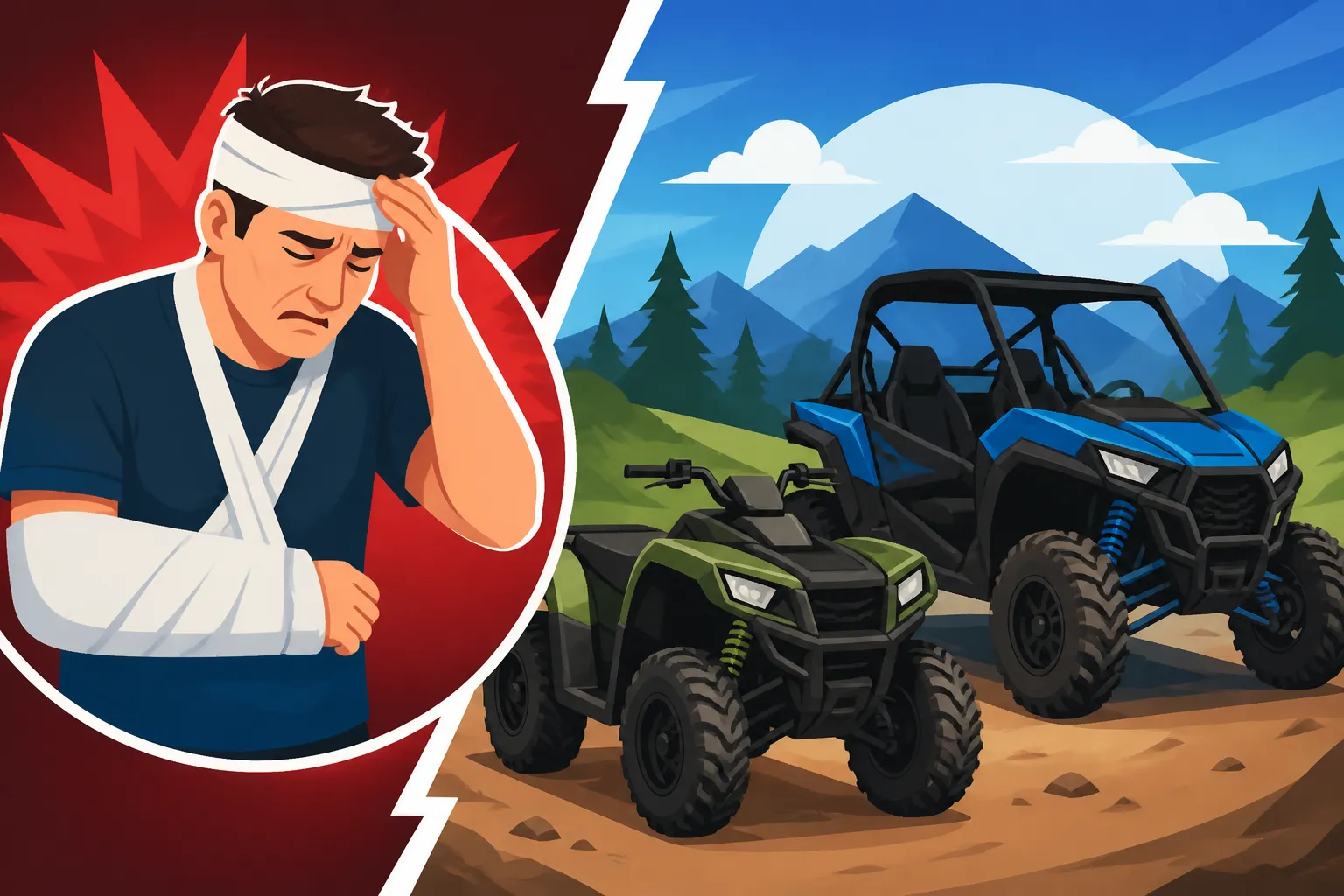
This figure is perhaps the most critical for understanding your basic liability as a New York ATV rider. Imagine you're riding a club trail near Oswego County, and you misjudge a turn, clipping another rider who goes down. They sustain a broken arm and a concussion. The ambulance ride, emergency room visit, X-rays, specialist appointments, and physical therapy could easily run into many thousands of dollars. If those costs total $20,000, your policy would cover it. But what if their medical bills, combined with lost wages from not being able to work, add up to $40,000? In that scenario, your insurance would pay the maximum $25,000, and you would personally be responsible for the remaining $15,000. That's a huge burden, and it highlights why many riders choose to increase their bodily injury liability limits beyond the state minimum.
It's not just about the immediate medical bills. These liability limits also cover things like pain and suffering, and the cost of your legal defense if the injured party decides to sue you. Even if the claim is ultimately settled in your favor, legal fees can be astronomical. Having your insurance company provide a legal defense up to your policy limits can be a massive relief during an incredibly stressful time. Don't underestimate the protection these numbers represent, even if they are just the state-mandated minimums.
Understanding the $50,000 for Two and $10,000 for Property Damage
Building on the "one injury" rule, the $50,000 for two (or more) injuries in a single accident acts as an aggregate cap. Let's say, in that same Oswego County scenario, you not only injure one rider but their passenger also suffers some scrapes and bruises, requiring medical attention. Your policy would pay up to $25,000 for the first rider's injuries and then potentially some amount for the passenger's injuries, but the grand total paid out across both individuals from that single incident cannot exceed $50,000. This is an important distinction to grasp. If multiple people are severely injured, especially with today's medical costs, those minimums can be exhausted very quickly.
Then there's the property damage liability, the $10,000. This covers any damage you cause to someone else's physical property. This could be their ATV, a landowner's fence line, a mailbox near a designated road, or even another vehicle if an incident occurs during a legal road crossing. While $10,000 might seem like a decent chunk of change, modern ATVs and side-by-sides, especially those equipped with aftermarket accessories from brands like SuperATV, can be quite expensive to repair or replace. A damaged frame, engine issues, or extensive bodywork can quickly eat up that $10,000, leaving you to pay the rest out of pocket. Thinking about replacing a suspension arm or a full set of A-arms after an incident? Those costs can accumulate faster than you'd expect. [New York ATV Insurance Requirement] further clarifies these needs.
The Real-World Impact of New York's Insurance Mandate
Ignoring New York's ATV insurance mandate isn't just a minor oversight; it has serious repercussions that can impact your wallet, your freedom to ride, and even your legal standing. The state isn't messing around when it comes to these requirements, and for good reason. It’s all part of the broader effort to ensure safe and responsible riding for everyone enjoying New York's diverse landscapes, from the Adirondacks to the Tug Hill. This mandate applies to [New York's Designated and Posted Roads] as much as it does to private club trails.
Fines and Penalties for Riding Uninsured
So, what happens if you get caught riding without the required insurance? It's not just a slap on the wrist. If you're stopped by law enforcement—a New York State Trooper, a sheriff's deputy, or a DEC officer—while riding on public lands or designated trails without proof of valid ATV insurance, you're looking at significant fines. These aren't like parking tickets; they can be substantial, often ranging into the hundreds of dollars for a first offense, and they can increase sharply for repeat violations.
Beyond the immediate financial hit, there could be other consequences. Your ATV registration could be suspended or revoked, making it illegal to ride anywhere off your own private property until the issue is resolved. Imagine getting your machine impounded or being told you can't ride the Lewis County trails you just drove hours to reach, all because you skipped out on a basic insurance policy. [New York Fines for Riding Without Insurance] goes into more detail on these penalties, but trust me, it’s not worth the risk. Always carry your proof of insurance with you when you ride. [New York ATV Registration and Insurance Proof] is mandatory when dealing with the DMV.
The Personal Financial Risk Without Adequate Coverage
Beyond the legal penalties, the most significant risk of riding without adequate insurance is the potential for catastrophic personal financial loss. Let's revisit that accident scenario. If you're found at fault and don't have insurance, or your coverage is insufficient, you become personally liable for all the damages and injuries you caused. This means your personal assets—your savings, your home, your future earnings—could be at risk. A severe injury claim can easily exceed the minimum $25,000/$50,000 limits, and if that happens, the injured party can pursue you directly for the difference.
Think about the long-term implications. A lawsuit could drag on for years, creating immense stress and financial strain. It's not just about paying the medical bills; it's about legal fees, lost wages for the injured party, and compensation for pain and suffering. The peace of mind that comes from knowing you're adequately covered is invaluable, especially when you consider the relatively low cost of ATV insurance compared to the potential costs of an uninsured accident. This is why when you're preparing for a season of riding, perhaps upgrading your machine with some new tires or a winch from SuperATV, remember to budget for that essential insurance policy too. Even if you're only riding [Riding Your Own Land Without Insurance], the moment you leave your property, the rules kick in.
Finding the Right ATV Insurance in New York
Navigating the world of insurance can sometimes feel overwhelming, but securing the right ATV policy in New York doesn't have to be a headache. There are many reputable insurance providers that offer specialized ATV coverage tailored to the unique needs of off-road riders. The key is to shop around, understand what you're buying, and make sure it meets New York's mandatory minimums, or better yet, exceeds them. After all, the minimums are just that – minimums.
What to Look for in an ATV Insurance Policy
When you're comparing policies, don't just jump at the cheapest option. While meeting the minimums is essential, consider what kind of riding you do and where. If you often ride with passengers, consider higher bodily injury limits. If you have a brand-new, expensive machine, you'll likely want collision and comprehensive coverage to protect your own investment, as liability only covers others.
Here are a few things to keep in mind:
- Liability Coverage: As discussed, ensure it meets or exceeds New York's $25,000/$50,000/$10,000 minimums. This is non-negotiable for riding off your own property.
- Collision Coverage: This pays for damage to your own ATV if you hit another object or vehicle. This is important if you've invested in a quality machine and want to protect it.
- Comprehensive Coverage: This covers damage to your ATV from events other than collisions, such as theft, vandalism, fire, or natural disasters. Think about parking your machine at a remote trailhead, this coverage can be a lifesaver.
- Uninsured/Underinsured Motorist Coverage: This protects you if you're hit by a rider who doesn't have insurance or doesn't have enough to cover your damages. While New York mandates insurance, sadly, not everyone complies, and this offers an extra layer of protection for you.
- Medical Payments Coverage: This can help with your own medical bills, regardless of who is at fault in an accident.
- Accessory Coverage: If you've invested in aftermarket parts and accessories, like a new winch, a snow plow, upgraded lights, or specialized suspension components from a company like SuperATV, ensure these are covered by your policy. Standard policies might not automatically cover these additions.
Many standard auto insurance carriers also offer ATV policies, so start by checking with your current provider. Often, they can offer multi-policy discounts, which can save you a few bucks. If they don't, or if you want to explore other options, look for insurers that specialize in powersports vehicles. [Which Companies Can Legally Insure a New York ATV] lists criteria for authorized insurers. Don't be afraid to get a few quotes to compare coverage and pricing.
The Link Between Registration and Insurance Proof
Remember, your insurance isn't just a piece of paper you keep in a drawer; it's directly tied to your ability to register and legally operate your ATV in New York. When you go to register your machine with the New York DMV, whether it's for the first time or a renewal, you will be required to provide proof of insurance. They're not just asking; they need to see it to ensure you comply with state law. Without valid insurance, you won't be able to complete your registration, and riding an unregistered ATV carries its own set of penalties on top of the uninsured ones.
So, before you even think about hitting the trails or heading out for a ride, make sure your insurance is in order. It's one of those foundational steps that ensures all your other preparations – from checking your tires to filling your tank – aren't wasted. It ensures you’re not only enjoying the ride but doing so responsibly and legally. This is especially true if you are planning on [New York Rules for Crossing a Public Road], as law enforcement may check for both registration and insurance at any time. [Do You Need Insurance to Ride an ATV in New York?] provides more context on this requirement.
Disclaimer
This article is for general informational purposes only and does not constitute professional advice. Laws, prices and regulations vary by location and change over time. Consult a qualified professional for guidance on your specific situation.