Being Stopped by a Trooper at a Tug Hill Trailhead
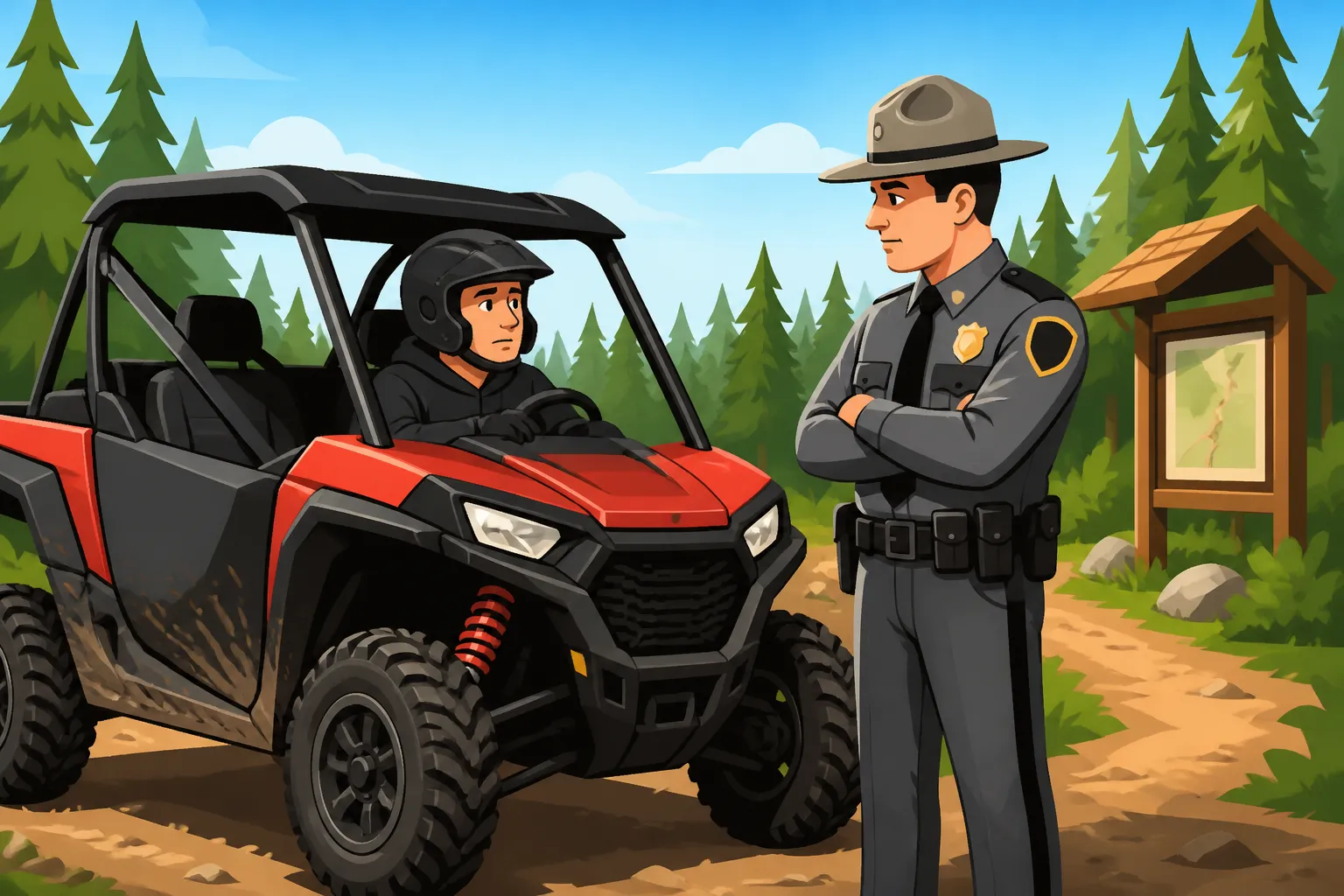
There's nothing quite like the rush of pulling up to your favorite trailhead on Tug Hill, the scent of pine and exhaust mixing in the crisp New York air, knowing a day of adventure lies ahead. But that eager anticipation can quickly turn to a knot in your stomach when you spot a New York State Trooper or local law enforcement officer conducting a checkpoint. It's a real moment of truth, and for many riders, it can be a source of anxiety. Are your papers in order? Is your machine up to snuff? This comprehensive guide is here to walk you through exactly what to expect when you're stopped by a trooper at a Tug Hill trailhead, helping you understand your responsibilities and ensuring your ride stays on track.
The Initial Encounter: What a Trooper is Checking For
It's a common sight on the Tug Hill Plateau during prime riding seasons: a patrol car, maybe a tent, and a few officers engaging with riders as they enter or exit the trail system. Don't panic. These checkpoints are usually less about catching lawbreakers and more about ensuring everyone is riding safely and legally, which ultimately benefits the entire riding community. Their primary goal is often education and compliance, though they certainly won't hesitate to issue a summons if significant violations are present. They want to see that you're prepared and that your machine meets New York's requirements for ATV operation on designated trails.
Visible Compliance: Plates and Decals
One of the first things a trooper will look for is visible proof that your ATV or UTV is properly registered and permitted for the trails. This means your New York ATV plate should be securely mounted on the rear of your machine, clearly visible, and not caked in so much mud it's unreadable. Along with the plate, they'll be checking for the current validation decal, which shows your registration is up to date. Sometimes, folks forget to transfer their plate or sticker after renewing, or they mount it in an obscure spot. Ensure your plate is properly affixed and visible; a well-placed plate often signals a responsible rider from the get-go.
Beyond the state registration, if you're riding a county-managed trail system like Lewis County, the officer will also be looking for your valid trail permit sticker. For example, the Lewis County system requires a specific permit that helps fund trail maintenance and operations. Make sure this permit is also clearly displayed in the designated spot on your machine, usually on the front fender or side panel. These visual cues are quick ways for an officer to assess initial compliance before they even ask you for paperwork.
The Purpose of a Trailhead Checkpoint
These checkpoints serve several vital functions. Firstly, they act as a deterrent to illegal riding. Knowing that law enforcement is present can discourage individuals from riding unregistered machines, operating without insurance, or ignoring safety equipment requirements. Secondly, they are an opportunity for officers to educate riders about current regulations, trail conditions, and any recent changes in local ordinances. It's not uncommon for them to share information about trail closures due to weather, logging activity, or even fire bans.
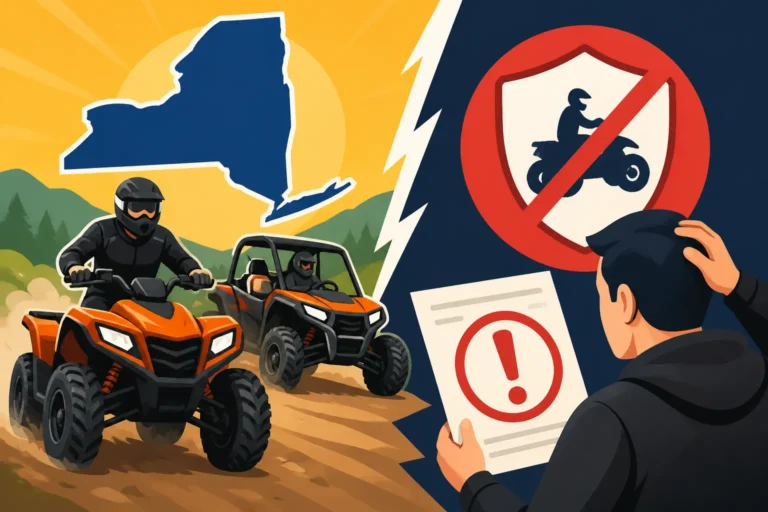
Thirdly, and perhaps most importantly for the long-term health of our trail systems, these checks ensure that those using the trails are contributing to their upkeep through registration and permit fees. These funds are crucial for maintaining the trails, clearing fallen trees, repairing bridges, and keeping our riding areas safe and enjoyable. For instance, the money from your [New York ATV Registration Cost] often goes back into trail grants, while Lewis County permits directly support their extensive system. Officers are also on the lookout for machines that clearly don't meet New York's definition of an ATV, such as many wider side-by-sides, which cannot be registered for trail use. They are not trying to ruin your day, but rather ensure the safety and sustainability of the riding environment for everyone.
Essential Paperwork You Must Have On Hand
When an officer approaches, they'll politely ask for your documentation. This is where your preparedness truly shines. Having everything easily accessible, perhaps in a waterproof pouch on your cargo rack – maybe even a sturdy one from SuperATV designed for tough trail conditions – will make the stop go smoothly and quickly. Fumbling through pockets or a muddy backpack only prolongs the interaction and can inadvertently create the impression you're hiding something.
Registration, Insurance, and Safety Certificates
First and foremost, you'll need to provide proof of your current ATV registration. This typically means the actual paper registration document issued by the New York DMV. It's often paired with your current validation decal, but the physical document confirms ownership and registration details. You'll also need to show proof of insurance. New York State mandates that all ATVs operated off private property must be insured, meeting specific minimum coverage requirements. An insurance card or declaration page from your provider, like one from a company authorized to issue [New York ATV Insurance Requirement], will suffice. Make sure the policy is active and covers the machine you're riding. If you're using a borrowed machine, you need to be absolutely sure the owner's insurance covers you as a rider or that you have a non-owner policy.
Finally, for younger riders, a New York ATV Safety Certificate is a must. If you are under the age of 16, you must possess a valid safety certificate to legally operate an ATV on public lands, including designated trails. Even if you're accompanied by an adult, this certificate is generally required. Many adults also choose to take the course, not just for safety knowledge, but because some clubs or trails might offer discounts or incentives for certified riders. [New York ATV Safety Certificate Requirements] are clear about the age limits and what's needed. If you're a parent riding with a child, be prepared to show their certificate as well.
Your Lewis County Trail Permit
Riding on the Lewis County ATV Trail System, one of the most extensive and popular in the state, requires a special permit. This is separate from your state registration and insurance. The permit system is managed by Lewis County itself, and the funds directly support the trails you're about to enjoy. When you're stopped at a trailhead, especially within Lewis County, the officer will expect to see this permit clearly displayed on your machine, and they may ask for the corresponding paper permit that identifies you as the permit holder.
It's common for riders to purchase these permits online or from local vendors before hitting the trails. There's often a base fee for your first machine and a reduced fee for additional machines registered to the same owner. Being a member of a local ATV club can sometimes even reduce the cost of your [Lewis County ATV Trail Permit Cost and Rules]. This permit is vital not just for legal access, but for the sustainability of this fantastic resource, so make sure it's renewed and visible.
Beyond the Documents: Machine Condition and Rider Conduct
While paperwork is key, troopers are also observing the general condition of your machine and your adherence to basic safety rules. A well-maintained machine and a rider wearing proper gear send a strong signal of responsibility.
Equipment Standards: Helmets and Spark Arresters
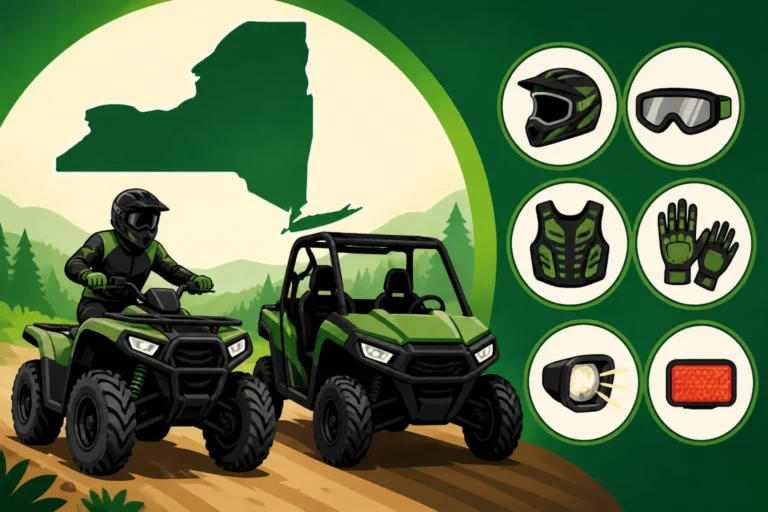
New York State has strict rules about safety equipment. The most important, and often the most visible, is helmet use. Simply put, New York's [New York Helmet Law for ATV Riders] mandates that everyone, regardless of age, must wear an approved helmet when operating an ATV. This isn't just a suggestion; it's a non-negotiable safety measure. An officer will immediately check to see if you and any passengers are wearing helmets that meet DOT standards. Riding without one is a surefire way to get a ticket.
Beyond helmets, your machine needs to meet certain equipment standards. A properly functioning spark arrester is crucial, especially when riding through wooded areas like those on Tug Hill, to prevent wildfires. Your machine should also have functional brakes, headlights, and taillights, particularly if there's any chance you'll be riding near dusk or after dark. Tires should have adequate tread – no bald spots! While an officer at a checkpoint might not do a full mechanical inspection, they will certainly note any obvious deficiencies. Many riders upgrade their machines with robust aftermarket parts, like durable skid plates or winch systems from SuperATV, which not only protect the machine but also show a commitment to safe and prepared riding.
What Happens if You're Non-Compliant
If, despite your best intentions, you're found to be non-compliant, the consequences can vary. For minor infractions, like a misplaced permit sticker or a plate obscured by mud, an officer might give you a warning and ask you to correct the issue on the spot. They might even help you clean your plate or properly affix a decal. Their goal is often to encourage compliance rather than immediately issue a punitive measure.
However, for more serious violations—such as riding without registration, no insurance, or operating without a helmet—you're looking at a ticket. These fines can add up quickly, and in some cases, riding without proper insurance can even lead to your machine being impounded. If you're under 16 and riding without a safety certificate, both you and your supervising adult could face penalties. It's a tough lesson to learn when you've planned a fun day out. Officers at these checkpoints are well-versed in [New York Fines for an Unregistered ATV] or riding without insurance, so it's always best to be prepared.
Here's a quick overview of common items and their importance:
| Document/Equipment | Importance | Potential Consequence (if missing/non-compliant) |
|---|---|---|
| NY ATV Registration | Mandatory for public land use, proves ownership | Ticket, potential impoundment |
| NY ATV Insurance | Mandatory for public land use, covers liabilities | Ticket, potential impoundment, personal liability |
| Lewis County Permit | Mandatory for Lewis County Trail System access | Ticket, denied trail access |
| ATV Safety Certificate | Mandatory for riders under 16 | Ticket for rider/adult, denied trail access |
| DOT Approved Helmet | Mandatory for all riders, critical safety item | Ticket |
| Visible Plate/Decal | Proof of registration, aids identification | Warning, ticket if intentionally obscured |
| Spark Arrester | Prevents wildfires, environmental compliance | Warning, ticket |
| Working Lights | Safety for visibility, especially after dark | Warning, ticket if riding in low light |
| Adequate Tire Tread | Safety for traction and control | Warning |
How to Ensure a Smooth Stop and Stay on the Trails
Preparation is your best friend when it comes to any law enforcement encounter on the trails. A little forethought before you even load your machine onto the trailer can save you a lot of hassle and potential fines.
Proactive Preparation Before You Ride
Before every ride, especially when heading to a popular destination like Tug Hill, establish a pre-ride checklist. This should include verifying your registration is current, your insurance policy is active, and your Lewis County permit hasn't expired. Physically put the necessary documents in a waterproof, easily accessible pouch on your machine. Don't rely on digital copies unless you have a backup plan for areas with no cell service, which is common in many riding zones in [New York's Tug Hill Riding].
Check your safety gear: Is your helmet in good condition? Do you have proper eye protection? Ensure your machine is mechanically sound—brakes, lights, and tires. This isn't just about avoiding tickets; it's about your own safety and the safety of others on the trail. A simple walk-around inspection can catch a lot of issues before they become problems. If you're venturing into new terrain or planning a longer trip, consider adding recovery gear like a high-quality winch from SuperATV, a spare belt, and a basic tool kit. While not legally required, it shows an admirable level of preparedness and responsibility.
Respectful Interaction and Knowing Your Rights
If you do get stopped, approach the interaction with respect and cooperation. Pull over safely, turn off your engine, and keep your hands visible. When the officer asks for your documents, state clearly what you're reaching for. "Officer, I'm reaching for my registration and insurance in my cargo box." This simple act reduces any potential misunderstanding or concern. Answer their questions honestly and directly. There's no need to volunteer extra information, but being evasive or argumentative will only escalate the situation.
It's important to remember that you have rights. You are not obligated to consent to a search of your personal belongings without a warrant or probable cause, but officers generally have the right to inspect your ATV for obvious safety violations or to verify VINs as part of their duties at a checkpoint. If you believe your rights are being violated, state clearly, "Officer, I do not consent to a search." However, always remain polite and calm. Most interactions at these checkpoints are professional and brief, especially for prepared and compliant riders. By handling the stop courteously and having all your ducks in a row, you'll be back on the trails enjoying [New York Riding in Summer] in no time.
Disclaimer
This article is for general informational purposes only and does not constitute professional advice. Laws, prices and regulations vary by location and change over time. Consult a qualified professional for guidance on your specific situation.