New York Fines for Riding Without Insurance
Riding your ATV in New York is a fantastic way to experience the state's beautiful landscapes, from the challenging trails of Tug Hill to the serene paths in more rural areas. But that thrill can quickly turn into a nightmare if you're pulled over and found to be riding without proper insurance. The financial and legal repercussions can be significant, leaving you scrambling to understand what went wrong and how to fix it. This comprehensive guide will walk you through New York's mandatory ATV insurance requirements, the often-steep fines and penalties for non-compliance, and crucially, how to ensure you're always riding legally and protected.
The Non-Negotiable Necessity: New York's ATV Insurance Mandate
It's a common misconception, especially for those new to the ATV world, that off-road vehicles don't need the same kind of insurance as cars. Many assume that because they're not on public roads often, or sometimes only on private land, they're exempt. In New York, however, this couldn't be further from the truth. The state has very clear and mandatory requirements when it comes to ATV insurance, and understanding these rules is your first line of defense against unexpected fines and legal headaches.
Why Insurance Is Not Optional for New York Riders
Imagine heading out for a glorious Saturday ride, perhaps exploring some of the amazing trails Lewis County has to offer. You're feeling good, enjoying the fresh air and the challenge of the terrain. Then, a sudden turn, an unforeseen obstacle, and you find yourself in an accident. Maybe you hit a tree, or perhaps, worse, another rider. Without insurance, that moment of exhilaration instantly transforms into a mountain of debt. New York's law is designed to prevent this exact scenario, ensuring that if an accident happens, the injured parties and property damage can be covered. It's not just about protecting yourself; it's about protecting others who might be involved in an unfortunate incident. Even if you're the most careful rider out there, accidents are, by their very nature, unpredictable. This is why [New York's Mandatory ATV Insurance] is such a critical component of responsible ATV ownership in the state. The moment your wheels touch anything beyond your own privately owned, fully enclosed property, that insurance policy better be active and valid.
Minimum Coverage Requirements to Stay Legal
New York isn't just asking you to have any insurance; it specifies the minimums you must carry to be compliant with the law. These aren't just arbitrary numbers; they reflect the state's assessment of what it takes to cover typical accident costs. Generally, you're looking at coverage for bodily injury, property damage, and potentially uninsured motorist coverage. While the exact figures can change, the common standard includes significant coverage for a single person injured in an accident, a higher amount for total injuries if more than one person is hurt, and a specific amount for property damage. For instance, New York often mandates minimums like $25,000 for bodily injury to one person, $50,000 for bodily injury to two or more persons, and $10,000 for property damage. These minimums are there to provide a basic safety net, but experienced riders often opt for higher limits to better protect their assets. It’s crucial to speak with an insurance provider to understand [New York ATV Insurance Minimum Coverage] and ensure your policy meets these exact requirements. Don't assume your auto policy extends to your ATV; it almost certainly does not, and a separate policy is nearly always required.
Understanding the Fines and Penalties for Uninsured Riding
So, you're aware that New York mandates insurance for ATVs. But what happens if you forget, or intentionally decide to skip it? The consequences are far more severe than a simple slap on the wrist. Riding without insurance in New York carries a range of penalties, from immediate financial hits to long-term legal and administrative headaches. It’s not just a minor infraction; it’s a serious legal violation that can derail your riding season and put a significant dent in your wallet.
The Initial Hit: Monetary Fines for Lack of Insurance
Let's talk about the immediate financial pain. If you're stopped by a law enforcement officer — say, a New York State Trooper on a trail, or a local sheriff's deputy checking registrations at a trailhead — and you cannot produce valid proof of insurance, you're looking at a substantial fine. These aren't just minor traffic tickets. The penalties are designed to be a deterrent, reflecting the seriousness of the offense. While specific amounts can vary by municipality or judicial discretion, you can expect fines that easily run into the hundreds, and potentially over a thousand dollars for a first offense. This immediate financial blow can be quite shocking, especially when you consider that a proper insurance policy might only cost a fraction of that amount annually. Beyond the basic fine, you might also face surcharges and court fees, further inflating the cost. New York Fines for Riding Without Insurance are not something to take lightly, and they almost always outweigh the perceived savings of skipping insurance.
Beyond the Fine: Other Consequences and Legal Troubles
The financial fine is often just the beginning. Riding without insurance can lead to a cascade of other, more serious legal troubles. For starters, your ATV's registration can be suspended or revoked. This means you won't be able to legally ride anywhere in New York until the issue is resolved, which often involves not only paying the fine but also demonstrating proof of new, continuous insurance coverage. You could also face impoundment of your machine, meaning it's towed away, and you'll incur additional costs for towing and storage to get it back. In some cases, especially if an accident occurs, you could even face misdemeanor charges, leading to a criminal record. This isn't just about riding; it's about your legal standing. Imagine having your off-road fun abruptly halted, your quad impounded, and then facing a court date with potential criminal implications. It’s a messy situation that is entirely avoidable.
What an Officer Checks Roadside
When a New York law enforcement officer pulls you over or stops you on a trail, they're typically looking for a few key pieces of documentation. First and foremost, they'll ask for your ATV registration. This proves the machine is legally registered with the New York DMV. Right alongside that, they'll expect to see proof of insurance. This usually comes in the form of an insurance card, much like you carry for your car. They'll check the dates, policy number, and the names of the insured. They may also ask for your ATV Safety Certificate if you're under a certain age, and often, your driver's license, even if you’re not on a public road. A quick check of your registration and insurance status in their system will confirm everything. If you can’t produce the required proof, or if their system shows a lapse, that's when the fines and penalties come into play. It’s important to have a physical copy or easily accessible digital proof, such as on your phone, because the officer isn't going to wait while you call your agent. Being ready with your paperwork, perhaps in a sealed, waterproof bag on your machine, is just as important as [New York ATV Registration Paperwork] itself.
The Broader Implications of Riding Uninsured
Beyond the immediate fines and administrative penalties, choosing to ride without ATV insurance in New York opens you up to a much larger world of potential financial catastrophe. It's not just about paying a ticket; it's about the devastating cost of an accident and how it can impact your life for years to come. Think of insurance as a shield – without it, every financial blow hits you directly.
Financial Ruin: The True Cost of an Uninsured Accident
Let's face it: accidents happen. Even the most seasoned riders can encounter unforeseen obstacles, mechanical failures, or other riders who make mistakes. If you're involved in an accident while uninsured, especially one that causes injury to another person or significant property damage, you are personally liable for all the costs. Consider this scenario: you're riding a scenic trail, perhaps near the Adirondack foothills, and you lose control, colliding with another ATV. The other rider sustains serious injuries requiring extensive medical treatment, and their machine is totaled. Without insurance, you are responsible for their medical bills, lost wages, pain and suffering, and the cost to replace their ATV. These expenses can quickly skyrocket into tens or even hundreds of thousands of dollars. Suddenly, that weekend ride turns into a lien on your house, garnished wages, or even bankruptcy. This is why understanding [What an ATV Costs to Own in New York] should absolutely include the cost of insurance, because the alternative can be astronomically higher. Even if you're just out for a casual ride with friends, maybe checking out some SuperATV accessories you just installed, the risk is always there.
Impact on Your Registration and Future Riding Privileges
An uninsured accident, or even just being caught riding without insurance, can have a lasting impact on your ability to ride legally in New York. We've already touched on registration suspension. If your registration is suspended, you won't be able to renew it or register any other ATV until the suspension is cleared. This often involves paying all outstanding fines, proving continuous insurance coverage for a period (sometimes several years), and potentially paying reinstatement fees. It's a bureaucratic nightmare that can effectively sideline you from the trails for an extended period. Imagine planning a riding trip to Lewis County and discovering you can't get a permit because your registration is suspended. Furthermore, an insurance violation on your record can sometimes impact your ability to secure other types of insurance in the future, like auto or home insurance, as insurers may view you as a higher risk. This isn't just a temporary inconvenience; it's a mark on your record that can follow you.
How to Ensure You're Covered (and What to Avoid)
Navigating the world of insurance can sometimes feel like trying to ride a tricky trail in the dark. There are twists, turns, and hidden hazards. But ensuring you're properly covered in New York doesn't have to be complicated. With a clear understanding of where to look and what to watch out for, you can keep your riding adventures safe and legal.
Finding an Insurer Authorized in New York
The first step to securing proper coverage is finding an insurance company that is authorized to write ATV policies in New York State. Not all insurers offer ATV-specific policies, and it's vital to choose one that understands the unique risks associated with off-road riding. Many major national carriers offer ATV insurance, as do some smaller, regional companies that specialize in recreational vehicles. When you're shopping for quotes, be sure to ask specifically about ATV policies and confirm they meet New York's minimum liability requirements. Don't be shy about asking questions – what's covered, what's excluded, what are the deductibles? It's also a good idea to compare quotes from several different providers to find the best balance of coverage and cost. Look for companies that have a good reputation for handling claims, as that's when your policy truly proves its worth. Finding [Which Companies Can Legally Insure a New York ATV] is crucial for ensuring your policy will actually hold up if you ever need it.
Common Pitfalls: Policy Lapses and Incorrect Coverage
One of the most common ways riders accidentally find themselves without insurance is through a policy lapse. Life gets busy, bills pile up, and sometimes a renewal notice gets overlooked or forgotten. A policy lapse, even for a day, means you are uninsured during that period. If you happen to be riding, or worse, get into an accident during that lapse, you're on the hook. Setting up automatic payments or calendar reminders for your renewal can help prevent this. Another pitfall is incorrect coverage. Perhaps you thought your auto policy covered your ATV, or you purchased a policy that only covers comprehensive damage, but not liability. Always double-check your policy documents to ensure you have the mandatory liability coverage for bodily injury and property damage required by New York State. If you've just invested in some rugged aftermarket parts from, say, SuperATV, make sure your policy covers the value of these additions too, as they might increase the replacement cost of your machine.
Does an Out-of-State Policy Satisfy New York's ATV Rule?
This is a common question, especially for riders who live near New York's borders, such as those from Pennsylvania, Vermont, or even Ontario, Canada, who might frequently visit for riding opportunities. The short answer is: typically, no, an out-of-state ATV insurance policy usually does not satisfy New York's specific insurance mandate for riding within its borders. While your out-of-state policy might cover you for liability in other states, New York has its own distinct requirements, and often, an out-of-state policy won't be recognized as valid proof by New York law enforcement. If you're planning to bring your ATV into New York for riding, you generally need to either:
- Obtain a temporary New York-specific ATV insurance policy.
- Register your out-of-state machine in New York (which would then require a New York-compliant insurance policy).
This ensures that any incident you're involved in while riding in New York is covered under New York law. It's always best to check with your insurance provider and, if necessary, a New York-authorized insurer to understand the exact requirements for [Riding New York on a Pennsylvania Registration] or any other out-of-state plate. Don't risk a fine or worse by assuming your home state's policy is sufficient.
Scenarios Where Insurance Becomes Mandatory
It's easy to get confused about when and where ATV insurance is truly required. "I only ride on my own property," or "I just borrow my friend's quad sometimes," are common refrains that often lead to misunderstandings. In New York, the regulations around ATV insurance are quite broad, designed to ensure protection in most riding situations beyond the most strictly controlled private environments.
Riding Your Own Land Versus Public Access
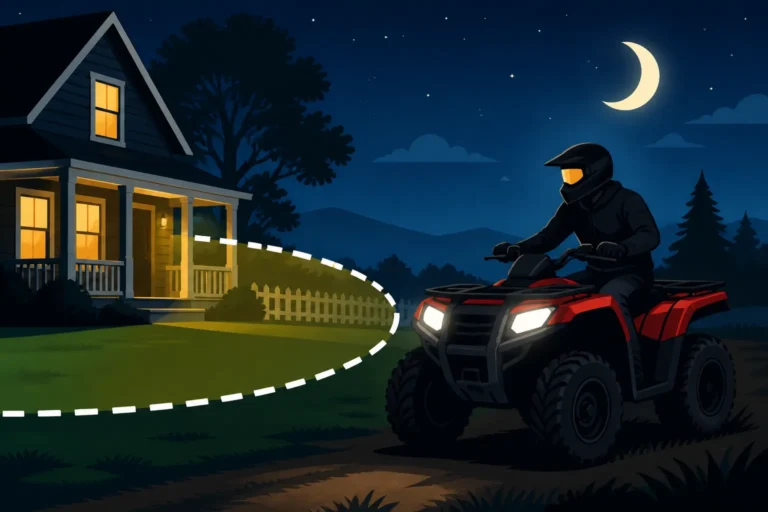
A frequent point of confusion is whether insurance is needed if you only ride on your own property. Generally, if you own a large, fully enclosed parcel of land, and you never leave that property with your ATV, New York State law may not explicitly require you to carry liability insurance for that private riding. However, this comes with a huge caveat: if an accident occurs on your private land and someone else is injured (a guest, a trespasser, or even a family member), you could still be personally liable. Homeowner's insurance might offer some limited coverage, but it's often not designed for ATV-specific risks and has significant exclusions.
The moment your ATV touches any land that isn't yours – even a neighbor's property with permission, a shared access road, or any designated trail – New York's mandatory insurance requirements kick in. This means if you're trailering your quad to a designated riding area, or even just crossing a short section of town road to get from one part of your property to another, you need that insurance. [Riding Your Own Land Without Insurance] is a high-risk gamble that most responsible riders avoid, even if technically legal under specific, narrow conditions. The best practice is to always have coverage, regardless of where you plan to ride.
When Borrowing or Lending an ATV in New York
The spirit of community among ATV riders is strong, and it's not uncommon to lend a machine to a friend or borrow one for a weekend adventure. However, this act of generosity or convenience carries significant legal implications regarding insurance. If you lend your ATV to someone else, and they are involved in an accident, your insurance policy is typically considered primary. If you don't have insurance, or if your policy limits are exhausted, you, as the owner, could be held liable for damages. This makes [Letting Your ATV Policy Lapse Over Winter] a particularly risky move if you plan on lending your machine out, even casually.
Conversely, if you borrow an ATV, don't assume the owner's insurance will automatically cover you sufficiently, or even at all, in every scenario. Some policies might have "permissive use" clauses, but it's always best to confirm with the owner and their insurance provider. The safest bet is for the owner to ensure their policy is active and covers other riders, or for the borrower to have their own non-owner ATV policy for liability protection. This table illustrates the importance of checking coverage:
| Scenario | Owner Insured? | Borrower Insured? | Liability Risk | Recommendation |
|---|---|---|---|---|
| Owner Lends Uninsured ATV | No | No | HIGH | Owner faces full personal liability. DO NOT LEND. |
| Owner Lends Insured ATV | Yes | No | Moderate | Owner's policy primary; check permissive use clauses. |
| Borrower Has Non-Owner Policy | No | Yes | Moderate | Borrower's policy covers their liability. Owner still at risk. |
| Both Insured | Yes | Yes | LOW | Best scenario; layers of protection. |
What Happens When Your Policy Lapses Over Winter
Many New York ATV riders, especially those in the northern parts of the state, garage their machines for the winter months. It's tempting to think, "Well, I'm not riding, so I don't need insurance," and let the policy lapse to save a few dollars. This is a common, and often costly, mistake. As discussed, a lapse means you're uninsured, period. If you forget to reinstate it before spring riding season, you're immediately riding illegally. Furthermore, some states (including New York, in certain contexts) might still require continuous coverage, or penalize you for a lapse, even if you weren't actively riding.
Beyond the legal aspect, a lapse in coverage can lead to higher premiums when you decide to reinstate your policy. Insurers often view riders with a history of lapses as higher risk, and you might lose any loyalty discounts or preferred rates you once had. It's often more economical in the long run to maintain a minimal, year-round "storage" or "off-season" coverage that protects against theft or damage while garaged, and then upgrade to full riding coverage when the trails open. For many, simply paying the full annual premium is a small price to pay for peace of mind and continuous legal compliance. [What an Insurance Lapse Costs] is more than just the immediate fine; it can be a ripple effect of higher costs and administrative burdens.
Disclaimer
This article is for general informational purposes only and does not constitute professional advice. Laws, prices and regulations vary by location and change over time. Consult a qualified professional for guidance on your specific situation.