Why New York Exempts No Adult From a Helmet
It's a common thought, especially for those of us who've been riding for years in other states or even just on our own private property: "I'm an adult, I know what I'm doing, why do I need a helmet?" Many states have different rules for adult ATV riders compared to minors, leading to a widespread assumption that once you're over 18, you can ditch the head protection. But here in New York, that assumption couldn't be further from the truth. This guide is going to dive deep into why New York State stands firm on its universal helmet law for all ATV riders, regardless of age, and what that means for your safety and your wallet.
The Unwavering Helmet Rule in New York State
When you hit the trails in New York, whether it's the vast expanses of Tug Hill or the more localized club trails, one piece of gear is non-negotiable: a helmet. This isn't just a suggestion; it's the law, plain and simple, and it applies to every single person on an ATV, from the youngest youth rider to the most seasoned veteran. Many riders, especially those coming from states with more lenient laws, find this surprising or even frustrating. You might have seen friends or family riding without helmets elsewhere, or perhaps you've ridden that way yourself in the past, and it feels like an unnecessary restriction. However, New York's stance is rooted deeply in a commitment to rider safety, aiming to prevent the most severe injuries that can occur during an ATV incident.
Dispelling the "Adult Exemption" Myth
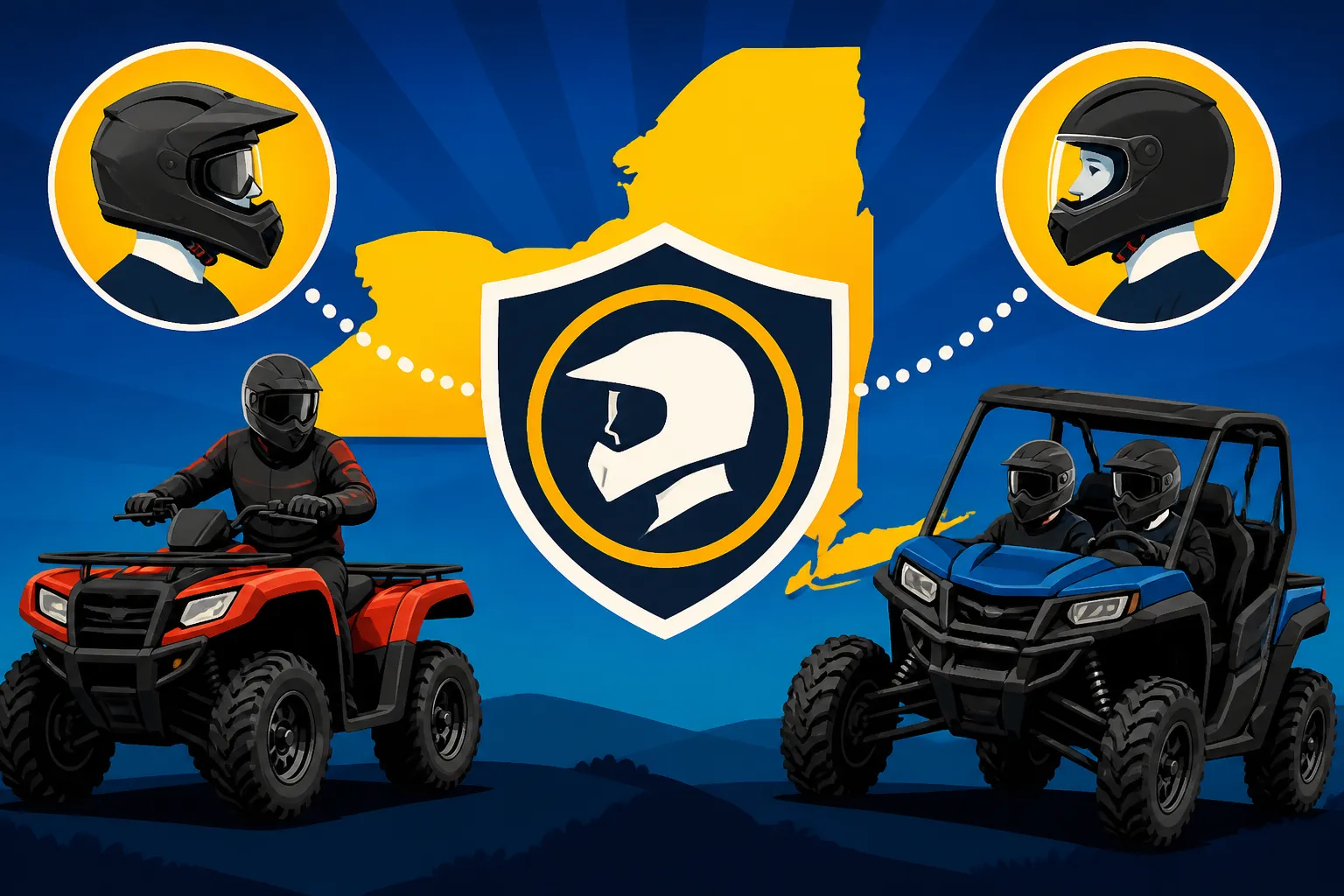
Let's get this straight right out of the gate: there is no "adult exemption" when it comes to ATV helmets in New York. Zero. None. If you're operating or riding as a passenger on an ATV anywhere in New York, your head needs to be covered by an approved helmet. This is often where confusion arises. People frequently conflate ATV laws with motorcycle laws, where some states do indeed have age-based helmet exemptions. Others might remember older, perhaps less stringent, ATV regulations from decades past. But as the sport has evolved and safety data has accumulated, New York has maintained a clear, uncompromising position.
This isn't about treating adults like children; it's about acknowledging the inherent risks of off-road riding. Even experienced riders can encounter unforeseen obstacles, sudden changes in terrain, or unexpected mechanical failures that can lead to an accident. The difference between walking away from a tumble with a few scrapes and facing life-altering brain injury often comes down to that helmet. So, while it might feel like an impingement on personal freedom to some, the law is designed to protect every rider, every time.
The Rationale Behind Universal Helmet Use
New York's universal helmet law for ATVs isn't arbitrary; it's a direct response to injury data and a proactive measure to save lives and prevent severe disability. Think about the dynamics of an ATV: they're powerful, often heavy machines, designed to traverse challenging terrain. They can tip, roll, or throw a rider with surprising force. When you add in varying speeds, uneven surfaces, and potential encounters with trees, rocks, or other machines, the risk of a head injury becomes very real. Even a low-speed tip-over can result in your head striking the ground, especially if you're caught off guard.
The state's legislative bodies, guided by public health and safety experts, recognize that while experience helps, it doesn't make a rider invulnerable. The speed at which an ATV can accelerate, the sharp turns it can make, and the unexpected hazards like a hidden stump or a wash-out are universal challenges. Therefore, the protective measure of a helmet is deemed necessary for everyone. It's about minimizing the worst-case scenario for every individual who chooses to enjoy the thrill of ATV riding in the Empire State.
What the Law Explicitly States for All Riders
New York Vehicle and Traffic Law (VTL) Section 2403, specifically subdivision 1, is pretty unambiguous. It states that "No person shall operate an all terrain vehicle unless such person is wearing a helmet of a type approved by the commissioner." It then goes on to include passengers, stating "No person shall ride as a passenger on an all terrain vehicle unless such person is wearing a helmet of a type approved by the commissioner." This isn't open to interpretation based on age. If you're on the machine, your head must be protected.
The "approved by the commissioner" part typically refers to helmets meeting specific safety standards, such as those set by the Department of Transportation (DOT). This means just any old hard hat or bicycle helmet won't cut it. You need a purpose-built ATV or motorcycle helmet that carries the proper certification. The law is designed to be comprehensive, covering every scenario where an ATV is in operation, underscoring the state's firm stance on safety. Don't risk a ticket or, more importantly, a serious injury by assuming you're exempt; [New York Helmet Rules for ATV Riders] are clear and apply to everyone.
Safety First: The Real-World Impact of Helmet Use
While the law is the law, its foundation lies in irrefutable safety benefits. Helmets aren't just a piece of plastic and padding; they are life-saving devices that significantly reduce the risk and severity of head injuries in the event of an accident. For anyone who has seen the devastating impact of a traumatic brain injury (TBI), the reasoning behind New York's universal helmet law becomes painfully clear. It's about protecting the most vital part of your body.
Preventing Traumatic Brain Injuries
The most critical function of an ATV helmet is the prevention of traumatic brain injuries (TBIs). When your head experiences a sudden, forceful impact—like hitting the ground after being ejected from an ATV, or striking a tree branch—your brain can violently collide with the inside of your skull. This can lead to contusions, lacerations, swelling, and even internal bleeding. A TBI can range from a mild concussion, with symptoms like headache and dizziness, to severe, life-altering damage resulting in permanent cognitive impairment, motor skill loss, personality changes, or even death.
A properly fitted, DOT-approved helmet works by distributing the force of an impact over a larger area, reducing the direct pressure on any one point of the skull. The outer shell is designed to resist penetration and abrasion, while the inner foam liner crushes upon impact, absorbing kinetic energy and cushioning the blow to your head. This dissipation of energy drastically lessens the chances of your brain experiencing a damaging jolt. Without this critical protection, the brain is left highly vulnerable to forces that could easily cause irreversible harm.
Protecting Against Other Head and Facial Injuries
Beyond protecting the brain itself, helmets offer crucial defense against a myriad of other head and facial injuries. Think about the rough and tumble nature of ATV riding. You're constantly exposed to flying debris—rocks kicked up by other riders, low-hanging branches, or even mud. A full-face helmet, or an open-face helmet combined with goggles, provides a physical barrier against these hazards, preventing cuts, scrapes, and eye injuries that could impair your vision or cause disfigurement. Companies like SuperATV offer a range of accessories, including protective eyewear and full-face helmets, designed to stand up to the rigors of the trail.
Facial injuries can be particularly gruesome and costly to repair, involving broken jaws, shattered orbital bones, or extensive dental damage. A helmet's chin bar and face shield are specifically engineered to absorb impacts and prevent objects from striking your face. Even a relatively minor fall can result in a broken nose or cheekbone if your face makes direct contact with the ground. This comprehensive protection helps ensure that you not only survive an accident but also recover with minimal long-term physical impact. Remember, [New York Helmet Rules for Passengers] apply just as strictly to those riding behind you.
The Cost of Ignoring Helmet Safety
Ignoring New York's helmet law carries both legal and personal costs. On the legal side, being caught without a helmet will result in a ticket, and potentially fines. An officer performing a roadside check, perhaps at a popular trailhead, will definitely be looking for this basic compliance. [What a New York Officer Checks Roadside] includes visible proof of registration and, absolutely, a helmet on every rider. These fines can quickly add up, turning a fun day on the trails into an expensive headache. If you're involved in an accident while unhelmeted, it could also complicate insurance claims or legal proceedings, potentially increasing your liability.
However, the financial fines are often negligible compared to the personal cost of an injury. Medical bills for a severe TBI can run into hundreds of thousands, even millions, of dollars over a lifetime, encompassing emergency care, surgeries, long-term rehabilitation, and ongoing supportive care. Beyond the financial burden, there's the immeasurable cost to your quality of life: the inability to work, engage in hobbies, or even perform basic daily tasks. The emotional toll on you and your family can be devastating. A helmet, an investment of a few hundred dollars, pales in comparison to these potential costs. It's truly a small price to pay for such significant protection.
Navigating New York's Riding Landscape with Helmets
So, you understand why the helmet law is so important in New York. Now, let's talk about the practicalities of complying with it and making sure you're geared up correctly for your next ride. It's not just about slapping any old helmet on; it's about choosing the right gear and understanding how to present proof of compliance.
Helmet Requirements for Passengers
It's critical to remember that New York's helmet mandate extends to every person on the ATV, not just the operator. This means if you have a passenger, whether it's an adult friend or a child, they too must be wearing an approved helmet. There's no exception for passengers, even if they're just riding for a short distance or on private land. This often catches people off guard, as they might have a helmet for themselves but forget to ensure their passenger is equally protected.
When planning a ride with a passenger, make sure you have an appropriately sized, DOT-approved helmet for them. A helmet that's too loose won't offer adequate protection, and one that's too tight will be uncomfortable and distracting. Always check the fit: it should be snug, not painfully tight, and shouldn't move freely on their head when shaken gently. The chin strap should be securely fastened. For families, this means budgeting for multiple helmets, but it's an investment in the safety of everyone enjoying the ride with you. Just like the operator, [New York Helmet Law for Passengers] is a strict and enforced rule.
Carrying Proof of Compliance and What an Officer Checks Roadside
While you won't typically carry a "helmet certificate" or anything of that nature, the proof of compliance is visible: the helmet itself. However, it's crucial that your helmet is DOT-approved. Most certified helmets will have a DOT sticker on the back. This isn't just a fashion statement; it's an indicator that the helmet has met rigorous safety standards established by the U.S. Department of Transportation. When a law enforcement officer checks your equipment, this sticker is what they'll look for.
Beyond the helmet, an officer will be checking other crucial items. They'll want to see proof of registration for your ATV and evidence of valid insurance. New York takes its ATV regulations seriously, and an officer on patrol, especially in popular riding areas like Tug Hill, is trained to ensure all riders are compliant. You can expect them to check these items roadside. It’s always best to have your [New York ATV Registration and Insurance Proof] readily accessible, perhaps in a waterproof pouch, along with your valid driver’s license. Being prepared makes any interaction smooth and quick.
Finding the Right Helmet for New York Riding
Choosing the right helmet is paramount. It's not just about meeting the legal requirement; it's about maximizing your safety and comfort. Here’s what to look for:
| Feature | Benefit for New York ATV Riding |
|---|---|
| DOT Certification | Legally compliant in New York. Ensures the helmet meets minimum safety standards for impact absorption and penetration resistance. Always look for the sticker. |
| Snug, Proper Fit | Crucial for safety. A helmet that's too loose can shift during an impact, compromising protection. A proper fit ensures it stays put and functions as intended, distributing impact forces effectively. |
| Ventilation | Keeps you cool and comfortable on long rides, especially in warmer months. Helps prevent fogging of goggles or face shields. Good airflow reduces fatigue. |
| Weight | Lighter helmets reduce neck strain, especially during extended riding sessions. Modern materials allow for strong, protective helmets that aren't overly heavy. |
| Field of Vision | Important for situational awareness on trails. A good helmet allows for excellent peripheral vision, crucial for spotting hazards or other riders. |
| Removable/Washable Liner | Maintains hygiene and extends helmet life. You'll be sweating and getting dusty, so being able to clean the interior is a huge plus. |
| Compatibility with Goggles | If using an open-face helmet, ensure the eye port is compatible with your preferred goggles for dust, debris, and UV protection. Many full-face helmets come with integrated visors. |
| Durability | Built to withstand the harsh conditions of off-road riding. Look for helmets from reputable brands known for their quality and robust construction. |
You'll find helmets designed specifically for ATV/off-road use, often with a peak visor to shield from sun and roost, and a prominent chin bar for face protection. Brands like SuperATV, while perhaps better known for their aftermarket parts, also influence the design of gear that works well in tough conditions, so look for features common in quality off-road specific helmets. Always try a helmet on before buying to ensure the best fit. Your local ATV dealer is an excellent resource for trying on different styles and getting expert advice on sizing.
Beyond the Helmet: Other Essential New York ATV Safety Laws
While wearing a helmet is paramount, New York's commitment to ATV safety extends beyond head protection. There's a whole suite of regulations designed to ensure that riders are safe, responsible, and equipped to handle the unique challenges of off-road riding. Understanding these broader rules is essential for a safe and enjoyable experience in the Empire State.
New York's Mandatory ATV Insurance
Just like driving a car, operating an ATV in New York requires proof of financial security in the form of insurance. This isn't optional; it's a mandatory requirement to legally ride on public lands or designated trails. Even if you're riding on private property, having insurance is a smart move, as accidents can happen anywhere, and liability can quickly become a major concern. The state mandates specific minimum coverage amounts for bodily injury and property damage, ensuring that if you're involved in an accident, there's a safety net for those affected.
For many riders, this means adding an ATV policy to their existing vehicle insurance or seeking a specialized off-road vehicle policy. Before you even think about hitting a trail, ensure your policy is active and you have your insurance card with you. Getting caught without it can lead to significant fines and potential impoundment of your machine. It's not just about protecting others, but also protecting your own assets and peace of mind. For more details, you can read up on [New York ATV Insurance Requirement].
Age Restrictions and Supervision for Younger Riders
New York State takes a very protective stance when it comes to young riders on ATVs. The laws are designed to ensure that children and teenagers are not only physically capable of operating a machine but also have the necessary training and supervision. While adults are required to wear helmets, the rules for minors are even more comprehensive, encompassing age limits, safety course requirements, and strict supervision guidelines.
Generally, no one under the age of 10 is permitted to operate an ATV in New York. For riders between the ages of 10 and 16, there are specific requirements: they must possess an ATV safety certificate, which involves completing an approved safety course. Furthermore, these young riders must be under the direct supervision of an adult aged 18 or older. This isn't just a suggestion; it's legally binding. Parents and guardians can be held liable if their minor child operates an ATV in violation of these rules. These regulations are in place to gradually introduce young riders to the sport in a controlled and safe manner. Understanding [New York Rules for Riders Under 16] is crucial for any family enjoying ATVs.
Equipment Requirements for Safe Operation
Beyond helmets and insurance, New York has specific equipment requirements for ATVs themselves, all aimed at enhancing safety on the trails and roads. These include things like proper brakes, a functional muffler to reduce noise pollution (and meet federal standards), and a spark arrester to prevent wildfires. Headlights and taillights are also essential, especially if you plan on riding around dawn, dusk, or in low-light conditions, or if the trail takes you near a road crossing.
Tires must have a certain amount of tread depth to ensure adequate traction, and even the width and weight of your machine can impact where and if you can register and ride it. For example, some side-by-sides exceed New York's ATV definition limits for width and weight, making them difficult or impossible to register for public trail use. It’s important to inspect your machine regularly to ensure all equipment is in good working order before each ride. A quick check of your lights, brakes, and tire pressure can prevent unexpected issues on the trail. For a full rundown, refer to [New York Equipment Requirements for ATVs]. Keeping your machine in top shape is part of being a responsible and safe rider in New York.
Disclaimer
This article is for general informational purposes only and does not constitute professional advice. Laws, prices and regulations vary by location and change over time. Consult a qualified professional for guidance on your specific situation.