Why Towns Close ATV Trails During Mud Season
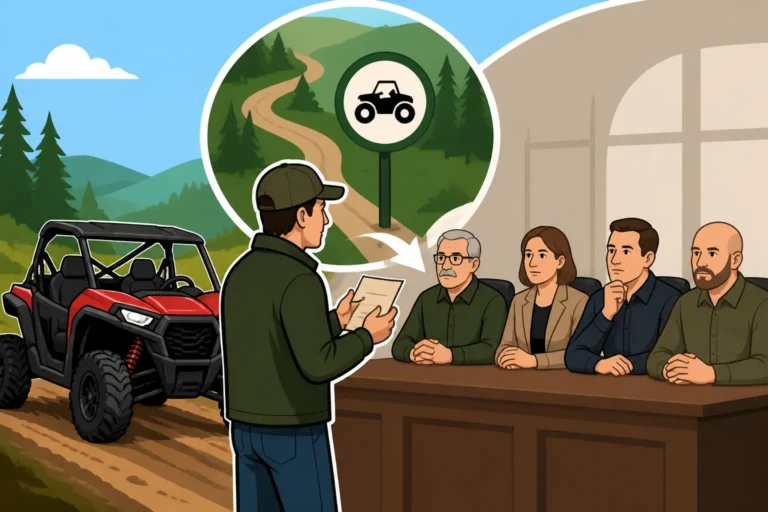
That feeling of anticipation, waiting for the trails to open, is something every New York ATV enthusiast knows well. It's truly frustrating when you're itching to ride, the weather seems clear, and you pull up to find the "Closed for Mud Season" sign. You might wonder why towns and clubs are so strict about this, especially when a little mud can be part of the fun, right? Well, this guide is here to shed some light on the crucial reasons behind these mud season closures, detailing the environmental impact, the immense damage to trail infrastructure, and the safety risks that come with riding prematurely, helping us all understand the bigger picture of trail preservation.
The Environmental Toll of Riding Muddy Trails
It's easy to think of a muddy trail as just, well, mud. But beneath those tire tracks lies a complex ecosystem, and riding during the spring thaw, or after heavy rains, can unleash a cascade of environmental problems that impact more than just our ride. Our trails in New York, especially those on Tug Hill or in the Lewis County area, are often carved through sensitive landscapes, and mud season is when they are most vulnerable.
Soil Erosion and Degradation
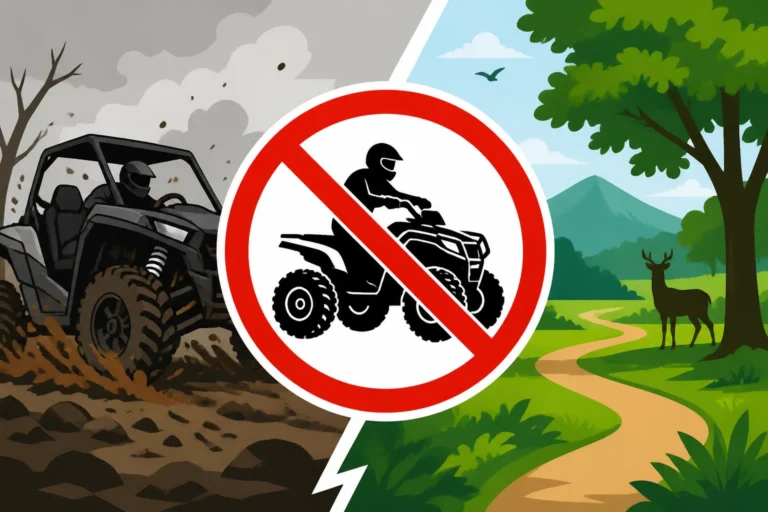
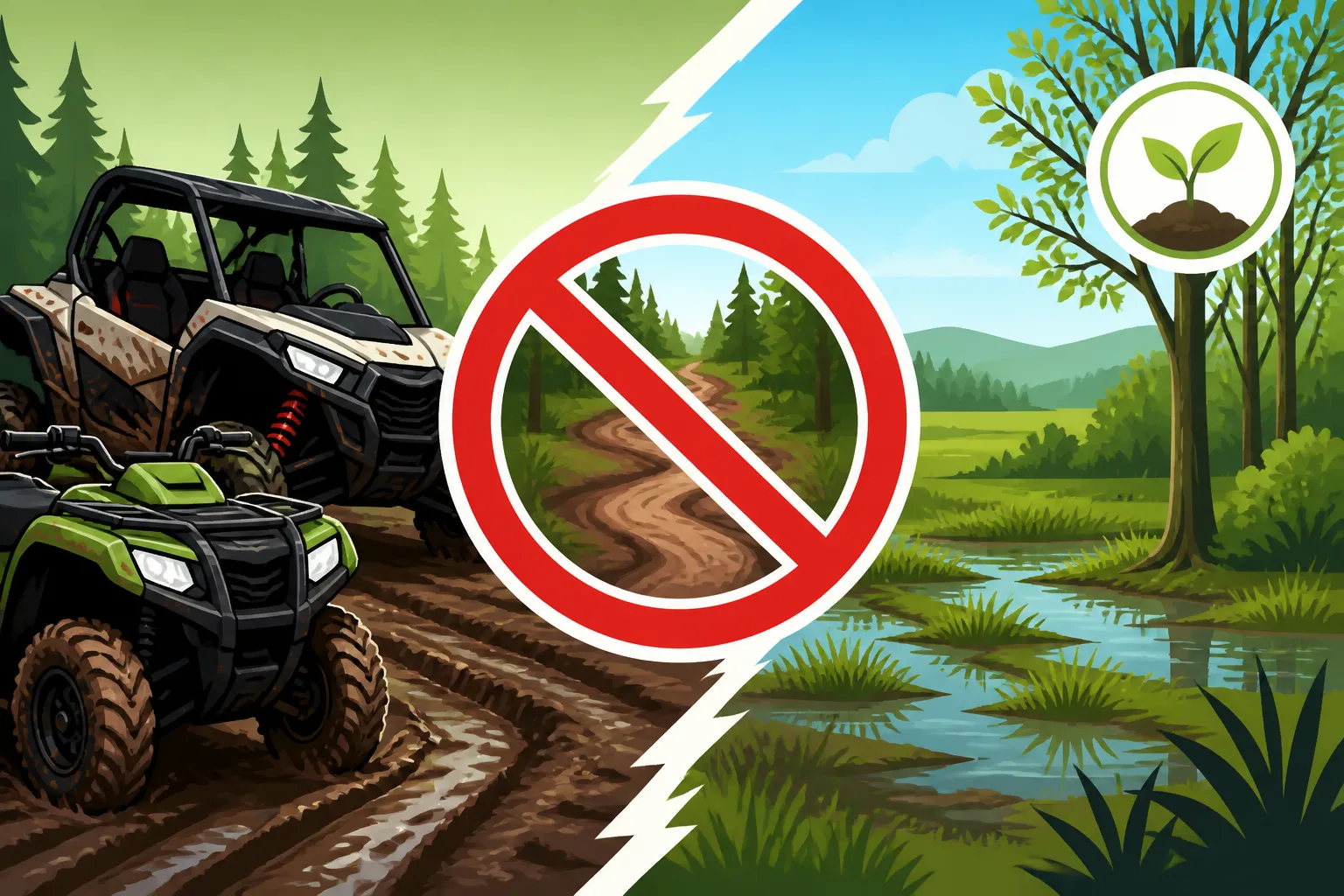
When trails are wet and saturated, the soil loses its stability. Imagine riding over a sponge – that's what much of the trail surface becomes. The knobby tires of an ATV or UTV, designed for grip, churn and displace this soft soil with incredible efficiency. This isn't just a matter of digging a few ruts; it's about accelerating erosion on a massive scale. Those deep tire ruts become miniature canals, funneling water off the trail at high speeds, carrying away precious topsoil.
Over time, this erosion can permanently alter the trail's grade, making it steeper and even more prone to future washouts. What was once a gradual incline can become a series of steps and holes, completely changing the character of the trail. The exposed subsoil, often devoid of the organic matter found in topsoil, is far less hospitable to vegetation, slowing down natural recovery. It's a tough cycle to break once it starts, and it's why organizations that manage trails, like the Lewis County Recreation, Forestry and Parks department, are so keen on protecting the soil.
Impact on Water Quality and Aquatic Ecosystems
All that displaced soil has to go somewhere, and unfortunately, it often ends up in our streams, rivers, and lakes. Sedimentation is a serious pollutant, and when mud from the trails washes into nearby waterways, it can have devastating effects. The fine particles cloud the water, reducing sunlight penetration and harming aquatic plants that form the base of the food chain. This can lead to decreased oxygen levels, making it difficult for fish and other aquatic life to breathe.
Think about the crystal-clear streams many of us enjoy on our rides in the Adirondacks or Catskills; these closures are essential to protecting those delicate aquatic environments. The run-off can also carry other pollutants, like oil and gas residue from our machines, further compromising water quality. For communities that rely on these waterways for drinking water or recreation, protecting them from excessive sediment is a paramount concern.
Damage to Trailside Vegetation and Wildlife
Beyond the immediate trail, riding in mud season can wreak havoc on the surrounding vegetation. When machines go off the main path to avoid a particularly deep mud hole, they create "braids" – multiple parallel tracks that widen the trail corridor and damage delicate plants trying to emerge after winter. These tender young shoots and fragile root systems are easily crushed, leading to long-term scarring of the landscape.
Furthermore, mud season often coincides with critical periods for wildlife. Many animals are emerging from hibernation, nesting, or giving birth. Excessive noise, off-trail riding, and general disturbance can stress these animals, disrupting their natural behaviors and potentially impacting their survival. The trails are not just for us; they are shared spaces, and respecting these vulnerable periods helps ensure the health of the entire ecosystem. It's a commitment to shared use that keeps landowners happy and willing to host trails. [Landowner Consent on New York Private Land] is a huge part of why we have trails at all, and showing respect for the environment is key to maintaining that relationship.
Trail Preservation and Infrastructure Damage
The ground we ride on isn't just dirt; it's a carefully managed surface, often designed and maintained by countless volunteer hours and significant financial investment. Riding during mud season can quickly unravel all that hard work, leading to expensive repairs and a diminished riding experience for everyone.
Destroying Groomed Surfaces and Trail Beds
Many trails, especially those managed by clubs or counties, are meticulously groomed. This can involve grading, adding aggregate, or installing drainage features to ensure a smooth, durable riding surface. Mud season turns these efforts on their head. The weight and torque of ATVs and UTVs on saturated soil can quickly dig deep ruts, pulverizing compacted surfaces and tearing apart carefully constructed trail beds.
These ruts aren't just an inconvenience; they act as channels for water, accelerating erosion and turning small issues into major washouts. Bridges, culverts, and other drainage structures can become clogged or undermined by the shifting mud, requiring costly repairs or even full replacement. It’s not uncommon to see a beautifully maintained section of trail become nearly impassable after just a few machines ride it during the wrong conditions. The goal is to protect these investments for the long haul, ensuring that when [New York Trail Opening Day] finally arrives, the trails are in prime condition.
Increased Maintenance Costs and Volunteer Burnout
The damage caused by mud season riding translates directly into higher maintenance costs. Instead of routine grading and minor repairs, trail managers face extensive rebuilding projects. This means more heavy equipment hours, more materials, and more labor. For volunteer-based clubs, these unexpected repairs can strain limited budgets and exhaust dedicated volunteers. These are the folks who dedicate their weekends to clear brush, fix bridges, and maintain signage so we can all enjoy the trails.
When the damage is severe, it can lead to a cycle of frustration. Volunteers burn out, funding gets diverted from new projects to old repairs, and the overall quality of the trail system suffers. This can even impact the ability of clubs to maintain their agreements with private landowners, who might withdraw their permission if their land is being excessively damaged. Maintaining these relationships is critical, as many trails, particularly in Oswego County, rely heavily on private land access.
Damage to Signs, Gates, and Fencing
It's not just the trail surface that takes a beating. Signs, markers, and gates are often located where they are most vulnerable to errant machines or shifting mud. A machine slipping in the mud might collide with a trail marker, snapping it. Or, the ground around a gate post might become so saturated that the post itself begins to lean or fall over. Fencing along private property lines, which helps define the trail corridor and keep riders on designated paths, can also be damaged if machines stray too far in an attempt to bypass a mud pit.
These seemingly small damages add up. Replacing a sign, resetting a gate post, or repairing a fence section takes time and resources away from other important maintenance tasks. It undermines the clear guidance provided to riders, increasing the chance of further damage or even trespassing. These closures, therefore, are a proactive measure to protect the entire infrastructure that makes our riding possible. [New York Rules for Riding a Club Trail] often strictly enforce these boundaries for good reason.
Safety Concerns and Rider Impact
While we often focus on the environmental and structural damage, riding on muddy, unstable trails also significantly increases safety risks for riders. No one wants to end a fun day with a trip to the emergency room or a broken machine stranded miles from the trailhead.
Increased Risk of Accidents and Injuries
Muddy trails are unpredictable. What looks like a shallow puddle could be a deep bog, and a seemingly solid bank might give way without warning. Traction is severely compromised, making it easy to lose control, especially on hills or around turns. Accidents like rollovers, slides, and collisions with trees or rocks become much more likely. Even experienced riders can be caught off guard by the treacherous conditions of a saturated trail.
Beyond the obvious dangers, the physical exertion required to navigate deeply rutted or sticky mud can lead to fatigue, further increasing the risk of poor judgment and accidents. New York's trails offer some incredible adventures, from the Lewis County ATV Trail System in New York to the technical sections of Tall Pines ATV Park, but these are best enjoyed when conditions are safe and predictable. It's truly not worth risking a serious injury just to get a head start on the season.
Machine Damage and Breakdowns
Riding in deep mud puts immense stress on your ATV or UTV. Water and abrasive grit can quickly find their way into bearings, U-joints, brakes, and electrical connections, causing premature wear and costly damage. Engines can overheat from the extra strain, and drive belts can slip or break. Even components like axles and suspension can be stressed beyond their limits when trying to power through thick, sticky mud or navigate treacherous ruts.
Getting stuck, which is almost inevitable in severe mud, can lead to further damage as you try to extricate your machine. Bent A-arms, cracked plastics, and even frame damage are not uncommon. While aftermarket parts from brands like SuperATV can certainly help reinforce your machine for tough riding conditions by providing robust skid plates and heavy-duty axles, riding on trails designated "closed for mud season" pushes even the toughest equipment to its breaking point. It's far better to wait until the trails are firm and dry to protect your investment.
Being Stranded Miles From Help
Perhaps one of the most significant safety risks is the potential for being stranded. A broken machine, an injury, or simply getting hopelessly stuck in a remote area during mud season can quickly turn an enjoyable ride into a survival situation. Cell service can be spotty or non-existent in many of New York's more remote riding areas. Rescue efforts are also complicated by muddy conditions; it's harder for emergency services to reach you, and recovery vehicles can also get stuck.
This isn't just a minor inconvenience; it can be genuinely life-threatening, especially if you're riding alone or in areas with rapidly changing weather. Trail managers understand these risks intimately, and closing trails during mud season is a responsible decision to prevent these dangerous scenarios from happening.
Here's a quick look at why those mud season closures are so vital:
| Category | Impact of Riding During Mud Season | Why Closures Are Necessary |
|---|---|---|
| Environmental | Accelerated soil erosion, waterway pollution, habitat disruption | Protects sensitive ecosystems, preserves water quality, safeguards wildlife habitats |
| Infrastructure | Deep ruts, trail bed destruction, damage to bridges/signs | Prevents costly repairs, maintains trail integrity, prolongs trail life |
| Safety | Increased accidents, machine damage, risk of being stranded | Minimizes rider injury, protects equipment, ensures accessibility for emergency services |
| Community | Strained landowner relations, negative public perception, volunteer burnout | Maintains goodwill with landowners, fosters positive public image, supports volunteer efforts |
The Economic and Community Aspect
Beyond the immediate physical damage and safety risks, mud season closures play a crucial role in the long-term viability of our beloved ATV trails. These decisions often involve complex considerations that touch upon local economies, community goodwill, and the future of riding in New York.
Protecting Landowner Relationships and Future Access
Many of New York's best ATV trails, especially club trails, exist because of the generosity and trust of private landowners. These landowners grant permission for trails to cross their property, often for little or no compensation. When riders disregard mud season closures and damage property, it directly violates that trust. Deep ruts, broken fences, or erosion that impacts a landowner's fields can quickly lead to permissions being revoked.
Once a landowner decides to pull their support, it's incredibly difficult, if not impossible, to regain access. This means trails can be rerouted, shortened, or even permanently closed. These closures are an investment in the future, a way to show respect and maintain the crucial relationships that literally pave the way for our riding opportunities. Nobody wants to see a trail system shrink because a few riders couldn't wait. This is especially true for trails that cut across working farms, where damage can directly impact a farmer's livelihood. [New York Trails That Cross Private Land] are a privilege, not a right.
Supporting Local Businesses and Tourism
While it might seem counterintuitive, mud season closures indirectly support local economies. By protecting the trails now, we ensure they are in excellent condition when they officially open, drawing more riders and tourism dollars later in the season. Imagine planning a trip to the Lewis County trail system, only to arrive and find the trails so ruined by early riding that they're no fun to ride, or worse, completely impassable. You'd likely think twice about returning.
Conversely, well-maintained, high-quality trails attract riders from all over, boosting business for local hotels, restaurants, gas stations, and ATV dealerships. These businesses depend on a healthy riding season. Short-sighted riding during mud season can negatively impact the reputation of a trail system, discouraging visitors and ultimately hurting the very communities that host our riding. It's a balance, and the long-term health of the trails is key to sustained economic benefit.
Maintaining Public Perception and Regulatory Support
The image of ATV riding in the public eye is a delicate thing. When trails are ridden during mud season, leading to visible environmental damage, excessive noise, or trespass, it can create a negative perception of our sport. This can lead to increased opposition from non-riders, environmental groups, and even local government officials.
This negative perception can manifest in stricter regulations, decreased funding for trail maintenance and expansion, or outright bans on riding in certain areas. By adhering to closures and promoting responsible riding, the ATV community demonstrates its commitment to environmental stewardship and respectful land use. This, in turn, helps garner the public and political support needed to maintain existing trails and even develop new ones, like the proposed Franklin County trail network, which faces significant scrutiny.
Encouraging Patience and Respect Within the Riding Community
Ultimately, mud season closures foster a culture of patience, respect, and shared responsibility within the ATV riding community. It reminds us that our individual actions have collective consequences. Waiting for the trails to dry out isn't just about following rules; it's about being a good steward of the land and a considerate member of the wider riding community.
When we all do our part, we ensure that our children and grandchildren will have the same, if not better, opportunities to enjoy the thrill of New York's incredible ATV trails. It means that when you eventually load up your machine and head out for [New York Riding in Spring Mud] after the trails have officially opened and dried out, you'll be met with well-maintained paths, vibrant ecosystems, and a community that's ready to ride responsibly.
Disclaimer
This article is for general informational purposes only and does not constitute professional advice. Laws, prices and regulations vary by location and change over time. Consult a qualified professional for guidance on your specific situation.