Sharing a Trail With Snowmobilers
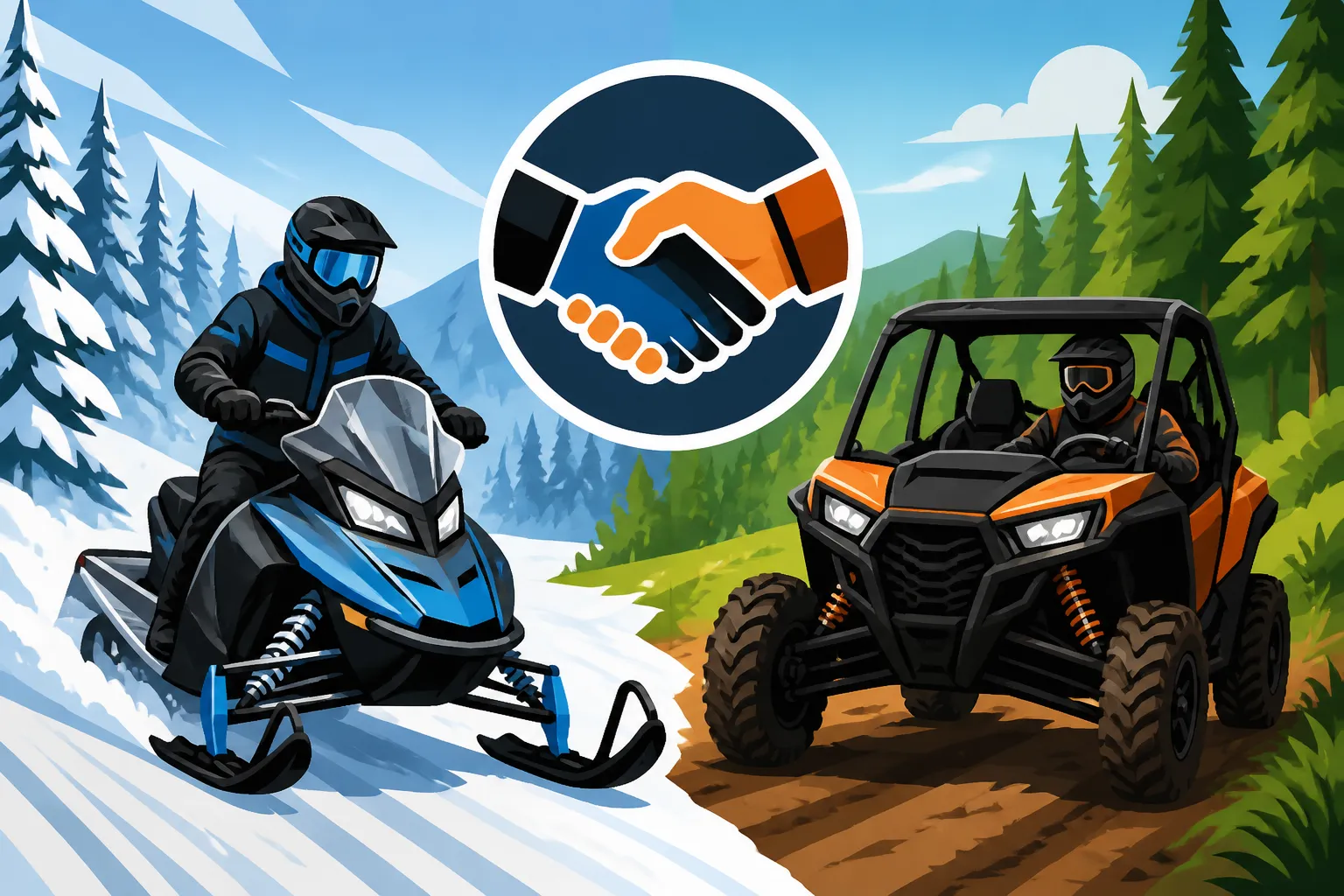
For many of us who love the thrill of ATV riding in New York, the thought of enjoying the trails year-round is a persistent dream. However, the reality of New York's diverse seasons often means sharing trails with other enthusiasts, particularly snowmobilers, as winter transitions or on designated multi-use corridors. This guide aims to help you understand the dynamics of sharing these trails, ensuring safety, promoting respect, and fostering a harmonious riding experience for everyone, regardless of what machine they're on.
Understanding Dual-Use Trails: Where ATVs and Snowmobiles Meet
It's a common scenario: you're itching to get your ATV out, the snow is just starting to melt, or maybe it's an early season dusting, and suddenly you're on a trail that looks suspiciously like a snowmobile route. The truth is, many of New York's incredible trail systems are designed for multi-season use, meaning ATVs, snowmobiles, and sometimes even hikers or horses, all share the same path at different times of the year, or even concurrently in transition periods. This isn't an oversight; it's a strategic effort to maximize recreational opportunities across our beautiful state.
The Rationale Behind Shared Corridors
Think about the sheer amount of effort and resources that go into establishing and maintaining a trail. Landowner agreements, environmental impact reviews, construction, signage, and ongoing upkeep by dedicated volunteers and organizations are immense. To duplicate this effort for separate ATV-only and snowmobile-only trails everywhere simply isn't feasible, nor is it always necessary. By creating dual-use corridors, New York leverages these investments, providing more miles of accessible recreation for a wider range of enthusiasts. It also often helps secure crucial landowner permissions, as owners might be more amenable to a single, well-managed trail system rather than multiple distinct paths crossing their property. The alternative might be fewer trails for everyone, and nobody wants that.
Moreover, these shared trails often connect towns and villages, providing access to fuel, food, and lodging, which boosts local economies. It's about community and connectivity, not just the machines themselves. These trails are a testament to cooperation between different user groups and the state, aimed at providing the best possible outdoor experience for residents and visitors alike.
Identifying Designated Multi-Use Trails
You can't just assume every trail is open to both ATVs and snowmobiles simultaneously, especially during peak seasons for either sport. New York is very specific about where and when you can ride. The key is always to know before you go. County recreation and parks departments, local ATV clubs, and snowmobile associations are your best friends here. They publish maps, maintain websites, and often post updates on trail conditions and open/closed statuses. For instance, the [Lewis County ATV Trail System in New York] has specific rules about when ATVs are permitted, often opening in spring after snowmelt and closing before heavy snow. You'll frequently see signs at trailheads explicitly stating which types of vehicles are allowed and during what months.
It's crucial to look for official signage and consult current, reputable sources. Don't rely on old maps or anecdotal advice from someone who "rode it last year." Trail conditions, landowner agreements, and regulations can change, sometimes without much notice. A good practice is to check the specific county's website or the local club's social media page the day before your ride. This proactive approach helps avoid fines and ensures you're not inadvertently trespassing or damaging trails.
Seasonal Considerations for Sharing
The concept of "sharing" these trails often isn't about riding side-by-side with a snowmobiler on the same day. More commonly, it refers to the same physical trail being used by different machines in different seasons. For instance, a trail that's a bustling snowmobile corridor in January might be a prime ATV route from May to October. However, there are those transitional periods – early spring thaw, late autumn flurries, or mild winter days – when the lines blur, and you might genuinely encounter snowmobiles when you're on your quad, or vice-versa.
During these shoulder seasons, conditions can be incredibly varied. You might start a ride on dry ground, only to encounter patches of ice, mud, or even lingering snow further down the trail. This is where patience and preparedness are paramount. The surface you're riding on might be perfectly fine for your ATV, but perhaps it's a crucial, groomed surface for snowmobiles that your tires could damage. Always be aware of the prevailing conditions and consider the impact your machine might have. Riding on extremely wet or thawing trails can create deep ruts that spoil the surface for everyone, including future snowmobilers. Sometimes, a trail might even close due to weather or ground conditions, as detailed in [New York Trails Closed by Weather].
Etiquette and Safety for Shared Trails
When you're out on a multi-use trail, whether you anticipate encountering other users or not, a certain code of conduct and heightened awareness are essential. This isn't just about being polite; it's about ensuring everyone's safety and preserving the trail systems we all value so much.
Respecting the Groomed Surface
This is arguably the most critical aspect when ATVs share trails that are also used by snowmobiles, especially during transition periods or when snowmobiles are actively using or preparing a groomed surface. Snowmobile trails, particularly those maintained by local clubs, are often meticulously groomed to create a smooth, consistent base for sleds. ATV tires, with their aggressive treads, can quickly tear up this delicate surface, creating ruts and bumps that are dangerous and unpleasant for snowmobilers. Imagine a beautifully manicured track, only to find it torn up by someone who wasn't thinking about the next user. It's frustrating, to say the least.
If you encounter snow-covered trails or see signs of grooming, even if it's just a light dusting, assume it's a snowmobile-focused area and adjust your riding accordingly, or better yet, seek an alternative route if ATV riding is permitted elsewhere. If you must cross a groomed section, do so carefully, at low speed, and as straight as possible to minimize impact. Think of it as a courtesy, a way to show respect for the hard work of trail volunteers. Equipment like sturdy SuperATV skid plates can protect your machine when navigating varied terrain, but they won't protect the trail surface from your tires.
Communication and Right-of-Way
Even on trails designated for multi-use, there can be confusion about who has the right-of-way. While specific state laws might define this in some contexts, general courtesy usually dictates that the party going downhill yields to the party coming uphill. In situations where ATVs and snowmobiles might be operating at the same time, such as during an unusually warm winter day or a late fall snow, common sense and a friendly wave go a long way. Snowmobiles generally travel at higher speeds, so if you're on an ATV and hear a snowmobile approaching, it's wise to pull over to the side of the trail in a safe spot and allow them to pass.
When approaching blind corners, crests of hills, or narrow sections, always reduce your speed and be prepared to stop. Don't assume the trail is clear. A quick, friendly wave or nod can also acknowledge the other rider and help prevent misunderstandings. Remember, we're all out there to enjoy the outdoors; a little politeness makes everyone's experience better. Always operate your machine with proper safety equipment, including a helmet, as per [New York Helmet Rules for ATV Riders], ensuring you are visible and protected.
Equipment and Visibility for Mixed Use
Whether you're riding during twilight hours, in patchy snow, or during periods of reduced visibility, having the right equipment on your ATV is paramount for both your safety and that of others. Your ATV should be equipped with functioning headlights and taillights, especially if there's any chance you'll be riding near dusk or in cloudy conditions. Brighter lights, perhaps even aftermarket LED options available from brands like SuperATV, can significantly increase your visibility to snowmobilers, who might be traveling at higher speeds.
Consider adding reflective tape to your machine or wearing high-visibility gear, especially if you know you'll be on trails where snowmobilers are also present. A brightly colored helmet or jacket can make a world of difference in helping others spot you sooner. Additionally, ensure your muffler meets federal noise standards. While it's great to hear your machine purring, excessive noise can be startling or annoying to other trail users, especially those expecting a quieter snowmobile experience. Always make sure your machine is in good working order, with appropriate tires for the conditions, as well as a working spark arrester to prevent fires, which is a requirement in New York. [New York Equipment Requirements for ATVs] provides more details on these vital components.
Navigating Potential Conflicts and Promoting Harmony
Even with the best intentions, differences in speed, machine type, and trail expectations can lead to friction. The goal isn't to eliminate all challenges, but to approach them with an understanding that helps maintain positive relationships among all trail users.
Addressing Speed and Noise Differences
This is a big one. Snowmobiles, by their very nature, are designed for speed across snowy landscapes. ATVs can also be fast, but their primary use on many multi-use trails is often for more deliberate exploration or utility. When these two modes of transport share the same physical space (even if seasonally), their inherent differences in operation can be a source of tension. An ATV operator might feel a snowmobiler is passing too quickly or aggressively, while a snowmobiler might be frustrated by ATVs tearing up the snow base or moving slower than expected on a groomed trail.
The solution lies in awareness and respect. ATV riders should recognize that snowmobilers might be anticipating higher speeds and smoother surfaces. If you're on a trail with a possibility of snowmobiles, maintain a speed that allows you to react quickly and safely to unexpected encounters. Likewise, snowmobilers should be mindful that not all trails are exclusively theirs, and to anticipate other users, especially during shoulder seasons. Keeping noise levels reasonable by maintaining your machine and avoiding unnecessary revving is also a general courtesy that benefits everyone sharing the natural environment.
The Role of Trail Clubs and Landowners
The backbone of New York's vast trail network is often the tireless work of volunteer trail clubs and the generosity of private landowners. Without their efforts, many of these trails simply wouldn't exist. When you're sharing a trail, you're not just sharing it with other riders; you're also riding on land that someone else owns or manages. These clubs and landowners are often the ones setting the specific rules and seasonal openings, like those seen in [New York Rules for Riding Snowmobile Trail]. They also perform vital maintenance, whether it's clearing fallen trees, fixing washouts, or grooming snow.
Understanding and respecting their efforts is paramount. If you see signs posted by a local club or a landowner, obey them without question. These rules are in place for a reason, often to protect the land, ensure safety, or maintain crucial landowner agreements. Disregarding them can lead to trails being closed to everyone, which is a loss for the entire riding community. Consider joining a local ATV club or even a snowmobile club – many have members who enjoy both sports. Membership often comes with perks like access to specific trails and helps fund the critical work of trail maintenance. It’s a great way to give back and ensure these recreational opportunities continue for future generations.
Reporting Issues and Seeking Resolution
Despite everyone's best efforts, conflicts or dangerous situations can still arise. It's vital to know how to address these situations constructively. If you encounter blatant disregard for trail rules, dangerous riding, or environmental damage, it's best not to confront individuals directly, as this can escalate tensions. Instead, make a note of the time, location, and if possible, any identifying details of the machine or rider (e.g., helmet color, machine make, plate number if visible).
Then, report the incident to the appropriate authorities. This could be a local law enforcement agency, the county parks department, or the specific trail club responsible for that section of trail. Many clubs have designated contacts for reporting issues. By providing accurate and timely information, you help these organizations enforce rules, educate riders, and maintain the integrity of the trail system. Remember, our goal is to preserve and enjoy these trails, and sometimes that means responsibly addressing behaviors that threaten them. Staying informed about local regulations, like those concerning [New York Fines for an ATV Violation], can also help you understand the consequences of disregarding shared trail rules.
Table of Shared Trail Etiquette Highlights
| Situation | ATV Rider Action | Snowmobiler Action | Why It Matters |
|---|---|---|---|
| Encountering Groomed Snow | Avoid riding on groomed sections; find alternate route. | Appreciate the clear trail; report ATV damage if severe. | Preserves smooth surface for snowmobiles; prevents ruts. |
| Approaching Blind Corners | Slow down, be prepared to stop, ride defensively. | Slow down, be prepared to stop, ride defensively. | Prevents head-on collisions; allows reaction time. |
| Meeting on a Hill (Uphill) | Maintain speed, be visible. | Yield to uphill traffic, pull over if necessary. | Safety, visibility, and common courtesy. |
| Meeting on a Hill (Downhill) | Yield to uphill traffic, pull over to the side. | Expect downhill traffic to yield. | Safety, visibility, and common courtesy. |
| Passing a Slower Rider | Pass safely, with ample space, only when visible. | Maintain steady path, allow safe pass. | Prevents accidents, shows respect. |
| Trail Condition Damage | Report ruts, fallen trees to local club/county. | Report issues to local club/county. | Ensures timely repairs; maintains trail integrity. |
| General Courtesy | Friendly wave, eye contact, respectful speed. | Friendly wave, eye contact, respectful speed. | Fosters positive community, reduces tension. |
Disclaimer
This article is for general informational purposes only and does not constitute professional advice. Laws, prices and regulations vary by location and change over time. Consult a qualified professional for guidance on your specific situation.