Which Wild Forest Roads Are Marked Open to ATVs
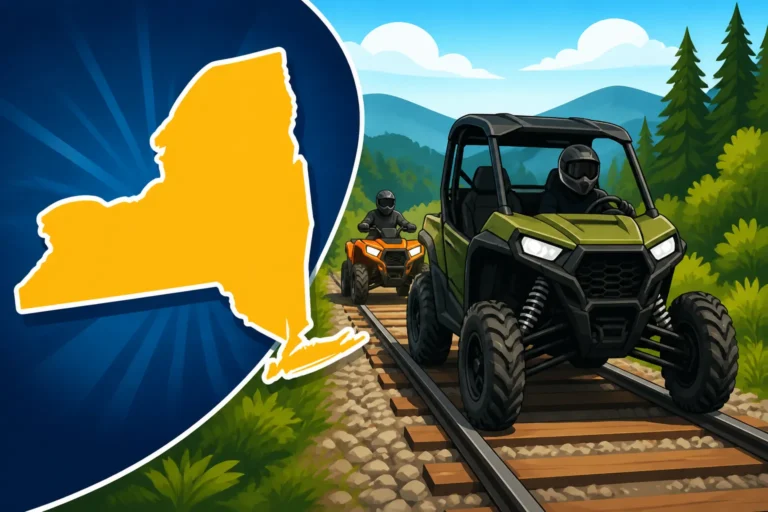
Navigating the beautiful, sprawling landscapes of New York State with your ATV can be incredibly rewarding, but figuring out where you can legally ride often feels like trying to solve a complex puzzle. Many riders look at maps, see areas marked "Wild Forest," and wonder if these less-restricted state lands might finally be the answer to their desire for expansive trail riding. This guide aims to clear up that confusion, explaining the intricate rules around New York's Wild Forest roads and helping you understand where ATV access is truly permitted.
Understanding New York's Forest Preserve and Its Divisions
When you talk about state land in New York, especially in the Adirondack and Catskill Parks, you’re stepping into a world governed by some of the oldest and strongest environmental protections in the country. It’s not just open land; it’s a carefully categorized and zealously protected resource, which means motorized access, particularly for ATVs, is far from straightforward. The key to understanding ATV access here lies in recognizing the distinct classifications of land within the Forest Preserve.
The "Forever Wild" Constitutional Clause
At the heart of New York’s approach to its most precious state lands is Article XIV, Section 1 of the New York State Constitution. This powerful clause, often simply referred to as "Forever Wild," mandates that the lands of the state, now owned or hereafter acquired, constituting the Forest Preserve, "shall be forever kept as wild forest lands." This isn't just a nice sentiment; it's a bedrock legal principle that dictates how these lands are managed and used.
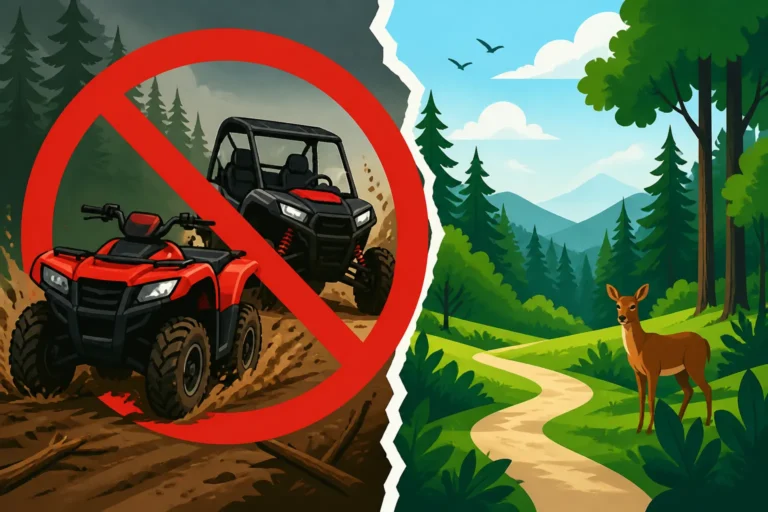
The "Forever Wild" clause creates a significant hurdle for any motorized recreation. Its primary intent is to preserve the wild, natural character of these areas, which generally means limiting human impact and specifically restricting activities that might compromise that wildness. For ATV enthusiasts, this means a blanket prohibition on riding in most parts of the Forest Preserve. While it sounds simple, the implications are vast, impacting everything from trail construction to vehicle access. This constitutional protection is why you won't find general open riding policies for ATVs across the vast majority of these state-owned parcels. [Why the Forest Preserve Is Closed to Machines] delves deeper into this.
Differentiating Wild Forest from Wilderness Land
Within the overarching Forest Preserve, New York further categorizes its lands into different management units, with "Wilderness" and "Wild Forest" being two primary distinctions. Both are crucial to understanding where motorized vehicles, including ATVs, are allowed, or more often, not allowed. The names themselves give a hint, but the legal and practical differences are substantial.
Wilderness areas, by their very definition and management objectives, are intended to be untouched, pristine environments where human presence is minimal and non-mechanized. This means absolutely no motorized vehicles, no bicycles, and often no permanent structures beyond basic shelters or designated campsites. For an ATV rider, Wilderness land is simply off-limits, no exceptions. These are places for true solitude, where the only sounds should be those of nature.
Wild Forest areas, on the other hand, are generally considered a bit more flexible. They often include a history of human activity, such as logging roads, old farmsteads, or fire roads, and are managed for a broader range of recreational activities, including some forms of motorized access. This is where the confusion often arises for ATV riders. However, while Wild Forest can allow certain motorized uses (like snowmobiles on designated trails in winter, or administrative vehicle access), it does not automatically mean ATVs are welcome or that specific roads are open for ATV riding. The "Wild Forest" designation is more about the potential for diverse uses than a guarantee of ATV access. The rules are still very specific and often require explicit designation.
The Reality of ATV Access on New York Wild Forest Roads
Given the "Forever Wild" clause and the general intent behind Wild Forest management, it's a harsh truth for many riders: most Wild Forest roads are simply not open to ATVs. It's a common misconception that because these areas are less restrictive than Wilderness, they are free-for-all zones for motorized recreation. This couldn't be further from the truth in New York.
Why Most Wild Forest Roads Are Not Open to ATVs
The primary reason why the vast majority of Wild Forest roads remain closed to ATVs boils down to a few key factors: agency policy, legislative designation, and the core conservation mission. While a road might look like a perfect ATV trail—old, rugged, and winding through beautiful scenery—its status as a "Wild Forest road" typically means it serves other purposes or simply isn't legally designated for ATV use. These roads are often for administrative use by the Department of Environmental Conservation (DEC) for timber management, fire suppression, or facility maintenance.
Furthermore, opening a road within a Wild Forest unit for ATV use requires specific legislative action or a detailed unit management plan (UMP) approval by the DEC, often after extensive environmental review and public comment. The process is rigorous and designed to ensure that any new motorized access doesn't degrade the natural resources or conflict with the overall "wild forest" character. Most UMPs for Wild Forest units prioritize non-motorized recreation like hiking, hunting, fishing, and cross-country skiing, or designate specific trails for snowmobiles in winter, which are subject to entirely different rules and regulations. The environmental impact and potential for conflict with other users often steer decisions away from general ATV access on these roads.
Designated Multi-Use Trails and Their Scarcity
While it's disappointing to learn that most Wild Forest roads are off-limits, it's important to understand that when multi-use trails do exist, they are very specifically designated and often come with strict rules. The idea that a "Wild Forest Road" automatically implies an open ATV trail is incorrect. Instead, any road or trail that is open to ATVs will be clearly marked, posted, and explicitly identified in official county or state literature. These aren't hidden gems you stumble upon; they are usually part of a carefully planned and managed system.
Such designated trails are incredibly rare on state-managed Wild Forest land for ATVs. The state's general policy leans towards managing ATVs on dedicated, purpose-built trail systems, often in partnership with counties, towns, or private clubs on easements, rather than opening up existing Wild Forest roads. This approach allows for better control over environmental impact, minimizes conflicts with other user groups, and ensures safety. If you don't see clear, official signage specifically stating ATV use is permitted on a Wild Forest road, assume it is closed. Riding on undesignated trails, even if they appear open, can lead to significant fines and damage to fragile ecosystems. Remember, [New York Rules for Riding Off a Marked Trail] are strict for a reason.
Where to Actually Find Legal ATV Riding on New York State Land
Since Wild Forest roads largely remain off-limits, the question naturally shifts: where can you legally ride your ATV in New York, especially if you're looking for that sense of adventure often associated with state lands? The answer lies not in widespread access across Wild Forest units, but in specific, dedicated systems managed by counties or private clubs, sometimes utilizing easements on state-owned parcels.
The Lewis County ATV Trail System: A Prime Example
If there's one shining example of legal, extensive ATV riding in New York that embodies a well-managed system, it's the [Lewis County ATV Trail System in New York]. While not exclusively "Wild Forest" in the strict Adirondack Park sense, this system provides hundreds of miles of designated trails that wind through private lands, county forests, and some state easements, offering a fantastic and legal riding experience. This system serves as a model for how ATV recreation can successfully integrate with New York's landscape when properly planned and managed.
The Lewis County trails are a testament to what can be achieved through collaboration between county governments, local clubs, and landowners. Riders typically need to purchase a permit, and this funding often goes directly back into trail maintenance, signage, and managing relationships with private landowners whose property the trails traverse. This structured approach ensures sustainability, reduces environmental impact, and provides a clear framework for riders. It’s a far cry from simply heading out on an old logging road in a Wild Forest area. The success of Lewis County highlights that designated systems, rather than open-ended access to Wild Forest roads, are the future for ATV riding in the state. [600 Miles in New York's Lewis County] illustrates the scale of this effort.
Other Limited State-Authorized Opportunities and Exceptions
Beyond dedicated county systems like Lewis County, general state-authorized opportunities for ATV riding in New York are extremely limited. It's important to set realistic expectations here; New York is not a state with widespread ATV access on its public lands. However, there are a few very specific, often administrative, exceptions or designated routes that some riders might encounter, though they do not represent general access.
One such exception can sometimes involve specific state land routes designated for individuals with certain medical permits. For example, the [New York's Medical Permit for Designated State Land Routes] allows qualified individuals with disabilities to access certain state land roads that are otherwise closed to general public motorized use. This is a vital program for those who need it, but it's crucial to understand it's a permit for specific individuals on specific routes for specific needs, not an opening for general ATV riding.
You might also find very localized and temporary access granted for specific administrative or emergency purposes, or perhaps very short connector segments in certain areas, but these are exceptions to the rule and must be clearly marked. Never assume that an unposted road on state land is open, even if it appears to be. Always look for explicit signage and official maps. If you're looking for gear to tackle these limited, but legal, trails, remember to outfit your machine with quality parts. SuperATV offers robust skid plates and heavy-duty axles that can stand up to the challenge of New York's rugged terrain, ensuring your machine is ready for any authorized adventure.
Navigating the Rules and Finding Approved Trails
The takeaway message is clear: when it comes to riding ATVs in New York, particularly on state lands like Wild Forest areas, "no" is the default answer unless you see a very clear "yes." This requires a proactive approach to research and a commitment to respecting the rules.
Essential Resources for Identifying Legal Trails
To avoid frustration, fines, and environmental damage, it’s absolutely essential to consult official and reliable sources before you even load your ATV onto a trailer. Don't rely on word-of-mouth, outdated forums, or generic online maps that don't differentiate between legal and illegal routes. Your primary resources should always be:
- County Government Websites: Counties like Lewis County that actively manage ATV trail systems will have dedicated sections on their official websites. These will provide maps, permit requirements, and opening/closing dates. This is the gold standard for finding authorized local trails.
- ATV Club Websites: Many local ATV clubs in New York work closely with counties and private landowners to maintain and manage trails. Their websites are often treasure troves of information on open trails, club rides, and membership requirements that grant access to their networks.
- New York State Department of Environmental Conservation (DEC): While the DEC generally restricts ATV use on most state lands, their website is the official source for any state-level regulations or very specific, rare designations. Always cross-reference any information you find elsewhere with the DEC.
- Official Trail Maps: When you purchase a permit for a system like Lewis County, you'll often receive an official map. These maps are designed to show only the legal routes. SuperATV also provides robust storage solutions, like cargo racks and bags, perfect for carrying those essential paper maps (and a GPS unit!) when you head out on the trails.
Always check for current conditions and closures, as trails can be temporarily closed due to weather, logging operations, or environmental concerns. [New York Trail Closures to Check First] is a good habit to get into.
Why Researching Before You Ride is Crucial
The importance of thorough research before riding in New York cannot be overstated. Riding on undesignated or closed trails, even unknowingly, can lead to serious consequences, not just for your wallet, but for your machine and the environment. New York takes its environmental protection seriously, and the penalties for illegal ATV use reflect that.
Firstly, you risk substantial fines. New York State has clear laws against operating ATVs on unapproved roads or lands, and enforcement is active. Beyond fines, your ATV could even be impounded. Secondly, you risk damaging your machine. Riding on trails not designed for ATVs, or trails that are poorly maintained, can lead to breakdowns, bent components, or punctured tires. Lastly, and perhaps most importantly, you risk damaging the very natural resources you seek to enjoy. Erosion, habitat destruction, and disruption to wildlife are serious concerns, and illegal riding contributes directly to these problems, harming the reputation of all responsible ATV enthusiasts. Protecting these trails for future generations often involves using durable, high-quality parts that minimize wear and tear on your machine and the terrain. SuperATV is a brand known for its commitment to building tough, reliable components designed to tackle demanding environments without compromise. Knowing where you can legally ride, and preparing your machine accordingly, is a fundamental responsibility for every rider.
| Land Type | Typical ATV Access (General Public) | Common Characteristics |
|---|---|---|
| Wilderness | Absolutely Prohibited | Pristine, non-mechanized, focus on solitude, no permanent structures, minimal human impact. |
| Wild Forest (General) | Generally Prohibited | More flexible than Wilderness, may have old roads/fire lanes; motorized use highly restricted; often snowmobile trails in winter. |
| Lewis County System | Permitted (with permit) | Managed trail network, combines private land easements, county forests; requires specific permit; actively maintained. |
Disclaimer
This article is for general informational purposes only and does not constitute professional advice. Laws, prices and regulations vary by location and change over time. Consult a qualified professional for guidance on your specific situation.