New York Rules for Riding a Rail Trail
It's a common dream for many ATV enthusiasts in New York: imagining a peaceful ride along a scenic rail trail, soaking in nature without the need for a huge, dedicated ATV park. You see those long, straight paths, often paved or well-groomed, cutting through beautiful landscapes, and think, "Wouldn't that be perfect for my quad?" It's a natural assumption, especially when you consider how many different types of recreational users these trails attract. However, the reality of ATV access on New York's rail trails is often a source of frustration and confusion, leading many riders to wonder where they can actually take their machines. This guide will cut through the uncertainty and clarify the specific rules and realities of riding your ATV on rail trails across New York State.
The Basics of New York Rail Trails and ATVs
Rail trails hold a special place in New York's recreational landscape, offering miles of accessible pathways for a variety of activities. But what exactly defines them, and why does this definition often clash with the desire of ATV riders to explore them? Let's unpack the core issues.
What Exactly is a "Rail Trail" in New York?
A "rail trail" in New York, as elsewhere, is typically a former railway line that has been converted into a multi-use path for recreation. These corridors, once humming with the rumble of trains, have been transformed into linear parks, cherished by hikers, cyclists, equestrians, and sometimes, even snowmobilers in the winter months. They are often characterized by their relatively flat grades, gradual curves, and passage through varied terrain, from bustling towns to tranquil rural landscapes.
Many of these trails are managed by state agencies, like the Office of Parks, Recreation and Historic Preservation (OPRHP), or by county and local municipalities. Their primary purpose is often to provide non-motorized recreational opportunities and to connect communities. They serve as vital arteries for outdoor enthusiasts, but this focus on passive recreation often dictates what types of vehicles are allowed – or, more accurately, disallowed – on them.
The Core Conflict: ATVs Versus Rail Trail Designations
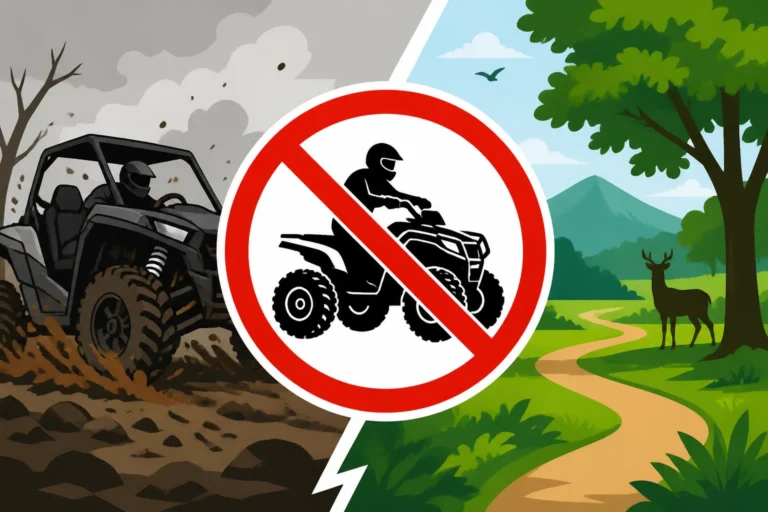
Here's where the dream often hits a bump in the trail: the core designation of most rail trails in New York is specifically for non-motorized use. While some may permit snowmobiles during winter, this is usually due to their unique relationship with snow-covered terrain and established snowmobile trail networks. ATVs, by their very nature, are motorized vehicles, and their operation on these trails often conflicts with the goals of trail managers and the expectations of other users.
The reasons for this conflict are multifaceted. Concerns range from noise pollution, which can disturb the peaceful enjoyment of other trail users and nearby residents, to potential damage to the trail surface itself. While many ATVs are built for rugged terrain, rail trails are often maintained with less robust surfaces designed for lighter traffic. Furthermore, safety is a significant factor. Mixing faster, heavier motorized vehicles with pedestrians, cyclists, and horseback riders on a shared, often narrow, path creates inherent risks that trail managers are keen to avoid. This fundamental difference in intended use creates a significant barrier to ATV access on the vast majority of New York's rail trails.
The Myth of Universal Access
It's easy to look at a map of New York and see all those green lines crisscrossing the state, thinking they represent open invitations for all forms of recreation. The reality, however, is that "multi-use" doesn't mean "all uses." The myth of universal access to rail trails for ATVs is a pervasive one, often fueled by anecdotal stories or by seeing ATVs in areas where they might be operating illegally.
The state of New York, through its various departments, has clear regulations regarding where ATVs can and cannot be operated. These regulations are designed to protect both the environment and public safety. Without specific, explicit signage and designation for ATV use, you should always assume a rail trail is not open to your machine. This can be frustrating, especially when you've invested in a fantastic machine like one from SuperATV, designed for adventure, but the trails you want to ride are off-limits. It's crucial for riders to understand that while many trails are beautiful, they are not all designated for ATV use, and operating on an undesignated trail can lead to serious consequences.
Deciphering New York's Regulations for Multi-Use Trails
Understanding the complex web of regulations governing multi-use trails in New York can feel like navigating a dense forest without a map. It's not always a straightforward "yes" or "no," but rather a system of designations that vary based on who owns and manages the land.
State-Owned Rail Trails: The Default "No"
When it comes to rail trails managed by New York State, particularly those under the Office of Parks, Recreation and Historic Preservation (OPRHP) or the Department of Environmental Conservation (DEC), the default answer for ATV access is almost universally "no." These state-managed trails are often part of larger parks, historic sites, or forest preserve lands, where the emphasis is on passive recreation and environmental preservation. For instance, you'll find that state lands governed by the "Forever Wild" clause of the New York State Constitution, often within the Adirondack or Catskill Parks, explicitly prohibit motorized vehicle use on many trails, including converted rail beds. [Why the Forest Preserve Is Closed to Machines]
The state's approach is designed to maintain the integrity of these natural areas and ensure a quiet, safe experience for hikers, bikers, and birdwatchers. Any deviation from this policy, such as allowing snowmobiles, is usually a specific exception, clearly outlined and often involving strict seasonal limitations or specific trail management agreements. Therefore, if you're eyeing a rail trail that's part of a state park or designated state forest land, it's safest to assume your ATV is not welcome.
County and Local Rail Trails: A Glimmer of Hope, But Still Rare
While state-owned rail trails are largely off-limits, the picture can be slightly different—though still challenging—when you look at rail trails managed at the county or local municipal level. These trails are subject to local ordinances and local planning decisions. In theory, a county or town could designate a section of a rail trail for ATV use. However, in practice, this is exceedingly rare.
Local governments face many of the same pressures as state agencies, including noise complaints from residents, concerns about trail damage, and the desire to cater to non-motorized users who often make up a larger, more vocal constituency. While a local municipality has the power to open a rail trail to ATVs, doing so often involves extensive public hearings, environmental reviews, and significant community buy-in. It's not just a matter of flipping a switch.
Some counties have robust ATV trail systems, like the Lewis County ATV Trail System, which are carefully managed and designated. But even within these counties, the existing rail trails are typically kept separate from the ATV network, preserving them for their original multi-use (non-motorized) purpose. You might find a spur that connects a rail trail to an ATV trail, but direct, open access along the rail trail itself remains largely elusive. [New York Rules for Riding County Forest Land]
Signs, Posting, and Official Information
The absolute best way to know if an ATV is allowed on any given trail, including a rail trail, is to look for official signage and consult official sources. New York law requires specific posting for trails that permit ATV use. If you don't see clear, explicit signs indicating that ATVs are allowed, with details on rules and operating hours, then you should not ride there.
Trailheads, parking areas, and access points are usually where you'll find these crucial signs. Don't rely on worn-out paths or unofficial tracks as an indication of legality. Always check the managing agency's website—be it OPRHP, DEC, a county parks department, or a local town's recreation department. These digital resources often provide maps and detailed lists of permissible activities for each trail. If the website or signage doesn't explicitly state ATVs are allowed, they are not. Taking the time to do this research beforehand can save you a significant headache, and potential fines, down the road. [New York Fines for an ATV Violation]
Here’s a quick overview of typical access rules for different types of trails in New York:
| Trail Type | Primary Users | ATV Access (General) | Notes |
|---|---|---|---|
| State-Managed Rail Trails | Hikers, Cyclists, Equestrians | No | Emphasizes passive recreation; snowmobiles may be an exception. |
| County/Local Rail Trails | Hikers, Cyclists, Equestrians | Rarely | Local ordinances govern; usually mirrors state restrictions. |
| Designated ATV Trails | ATVs, Side-by-Sides | Yes | Specifically marked, often requires permit and safety certificate. |
| State Forest Preserve | Hikers, Backpackers | No | "Forever Wild" designation prohibits motorized vehicles on most trails. |
| Private Land (with consent) | Varies | Yes | Requires explicit permission from landowner; insurance recommended. |
What to Do If You Want to Ride a Rail Trail with Your ATV
While direct, open access to New York's existing rail trails for ATVs is scarce, that doesn't mean the conversation is over. There are proactive steps riders can take, as well as plenty of alternative legal riding spots available.
Advocacy and Local Engagement
If you're passionate about seeing ATVs on rail trails, or dedicated to expanding legal riding opportunities in general, advocacy and local engagement are your most powerful tools. This isn't about simply showing up and demanding access; it's about building relationships, educating the public, and demonstrating responsible riding.
Start by identifying local ATV clubs in your area. These clubs are often at the forefront of working with municipalities and landowners to develop and maintain legal trails. Joining a club gives you a collective voice and access to organized efforts. Attend town board meetings, county legislature sessions, or parks and recreation committee meetings where trail issues are discussed. Present well-researched arguments about how ATV access could be managed responsibly, perhaps with specific days or designated sections, and how it could benefit local tourism or economies. Highlight the economic contributions of ATV riders, from purchasing gear like durable winches or robust skid plates from companies like SuperATV, to spending money on fuel, food, and lodging in trailside communities. Offer to volunteer for trail maintenance or educational programs. Change rarely happens overnight, but consistent, respectful advocacy can eventually shift perspectives and open doors.
Alternative Designated Riding Areas
While rail trails are largely off-limits, New York State does have a growing number of designated, legal ATV riding areas. These are the places where you can confidently and legally enjoy your machine without fear of fines or trespassing.
The most prominent example is the Lewis County ATV Trail System, which boasts hundreds of miles of multi-use trails, specifically welcoming ATVs and UTVs. This system is a shining example of what can be achieved through cooperation between county government, local clubs, and private landowners. Similar, though often smaller, club-run trail systems exist in other parts of the state, such as in Oswego County, often requiring a membership or a permit. [Best Places to Ride an ATV in New York] [The Lewis County ATV Trail System in New York]
These designated trail systems offer diverse terrain, from scenic woodland paths to challenging mud holes, and are designed with ATV safety and environmental protection in mind. Many require an ATV Safety Certificate, especially for younger riders, and a county-specific trail permit, which helps fund trail maintenance and development. Always check the specific rules and permit requirements for each system before you load up your machine. [New York ATV Safety Certificate Requirements] [New York ATV Trail Permits Explained]
Equipment Considerations for Approved Trails
When you are riding on designated ATV trails, having the right equipment is crucial for safety, performance, and compliance with trail rules. While you might not be riding a rail trail, the legitimate ATV trails in New York can be rugged and challenging.
Ensure your machine is properly maintained and meets all New York State equipment requirements, such as a functioning muffler, proper lighting, and a spark arrester. [New York Equipment Requirements for ATVs] Beyond the basics, consider accessories that enhance your safety and enjoyment on rough terrain. Skid plates, for instance, are invaluable for protecting your ATV's undercarriage from rocks and debris. A quality winch, perhaps from a brand like SuperATV, can be a lifesaver if you find yourself stuck in mud or need to help another rider.
It's also essential to be aware of your machine's dimensions. Many New York trails, even designated ATV trails, have width restrictions. [New York's 70-Inch Width Limit] Before you invest in wider tires or aftermarket components that could push your machine beyond these limits, always confirm the maximum allowed width for the trails you plan to ride. This diligence ensures you're ready for the actual trails that are open to you, rather than being disappointed by access restrictions.
Consequences of Unapproved Rail Trail Riding
It's tempting to think that a quick ride on an empty rail trail won't hurt anyone, but the reality is that riding an ATV on undesignated trails in New York carries significant risks, not just for the individual rider but for the entire ATV community. Understanding these consequences is crucial for making responsible choices.
Fines and Legal Ramifications
The most immediate and tangible consequence of riding an ATV on an unauthorized rail trail is the potential for fines and other legal penalties. New York State has clear laws governing ATV operation, and these are enforced by local law enforcement, county sheriffs, and state police. Operating an ATV on public land where it's prohibited is considered trespassing and can result in significant financial penalties.
Fines can vary depending on the specific location (state park, county land, local park) and the discretion of the enforcing officer, but they can quickly add up. Beyond monetary fines, repeated offenses could lead to impoundment of your machine or even more severe legal repercussions, especially if property damage occurs or someone is injured. It's not just a minor infraction; it's a violation of state and local laws, and the authorities take it seriously. [New York Fines for Trespass on a Trail] [New York Fines for an Unregistered ATV]
Impact on Future Trail Access
Every instance of illegal ATV riding on a rail trail or other undesignated area has a ripple effect that hurts the entire ATV community. When trail managers, landowners, or other recreational users encounter ATVs where they shouldn't be, it solidifies negative stereotypes about ATV riders as irresponsible and destructive.
This negative perception makes it exponentially harder for ATV clubs and advocates to make a case for new legal riding areas or to maintain existing ones. When a local municipality is considering opening a trail, or a private landowner is weighing permission for ATV access, a history of illegal riding in the area can quickly sway public and official opinion against it. In essence, one person's illegal joyride can set back years of hard work by dedicated clubs and volunteers who are striving to create more legitimate riding opportunities for everyone. It's a collective responsibility.
Damage to the Trail System
Beyond the legal and reputational impacts, operating an ATV on a rail trail designed for non-motorized use can cause direct damage to the trail infrastructure itself. These trails are often built with specific materials and drainage systems to accommodate foot traffic, bicycles, and sometimes lighter snowmobile traffic. The weight, torque, and knobby tires of an ATV, especially one equipped with heavy-duty accessories like those from SuperATV, can quickly degrade these surfaces.
This damage can manifest as deep ruts, erosion, and pulverization of the trail base, making it unsafe or unpleasant for the intended users. Repairing this damage costs money and resources, diverting funds that could otherwise be used for improving legitimate ATV trails or other recreational facilities. In cases where the rail trail crosses sensitive ecological areas, such as wetlands or riparian zones, ATV use can also lead to significant environmental harm, impacting vegetation, water quality, and wildlife habitats. Protecting the trails, whether they are officially designated for ATVs or not, is part of being a responsible outdoor enthusiast.
Disclaimer
This article is for general informational purposes only and does not constitute professional advice. Laws, prices and regulations vary by location and change over time. Consult a qualified professional for guidance on your specific situation.