New York Helmet Law for ATV Riders
Riding an ATV in New York State can be an incredible experience, offering unmatched freedom and a unique way to explore our beautiful landscapes, from the Adirondacks to the Tug Hill Plateau. However, the sheer joy of tearing up a trail can sometimes overshadow the critical importance of safety, especially when it comes to head protection. Many riders, both seasoned veterans and newcomers, often wonder about the specifics of New York's helmet laws – are they just for kids? What about riding on private land? This guide is here to clear up all that confusion, giving you a definitive, down-to-earth look at New York's mandatory helmet requirements for every ATV rider.
The Absolute Requirement: Why Every Rider Needs a Helmet in New York
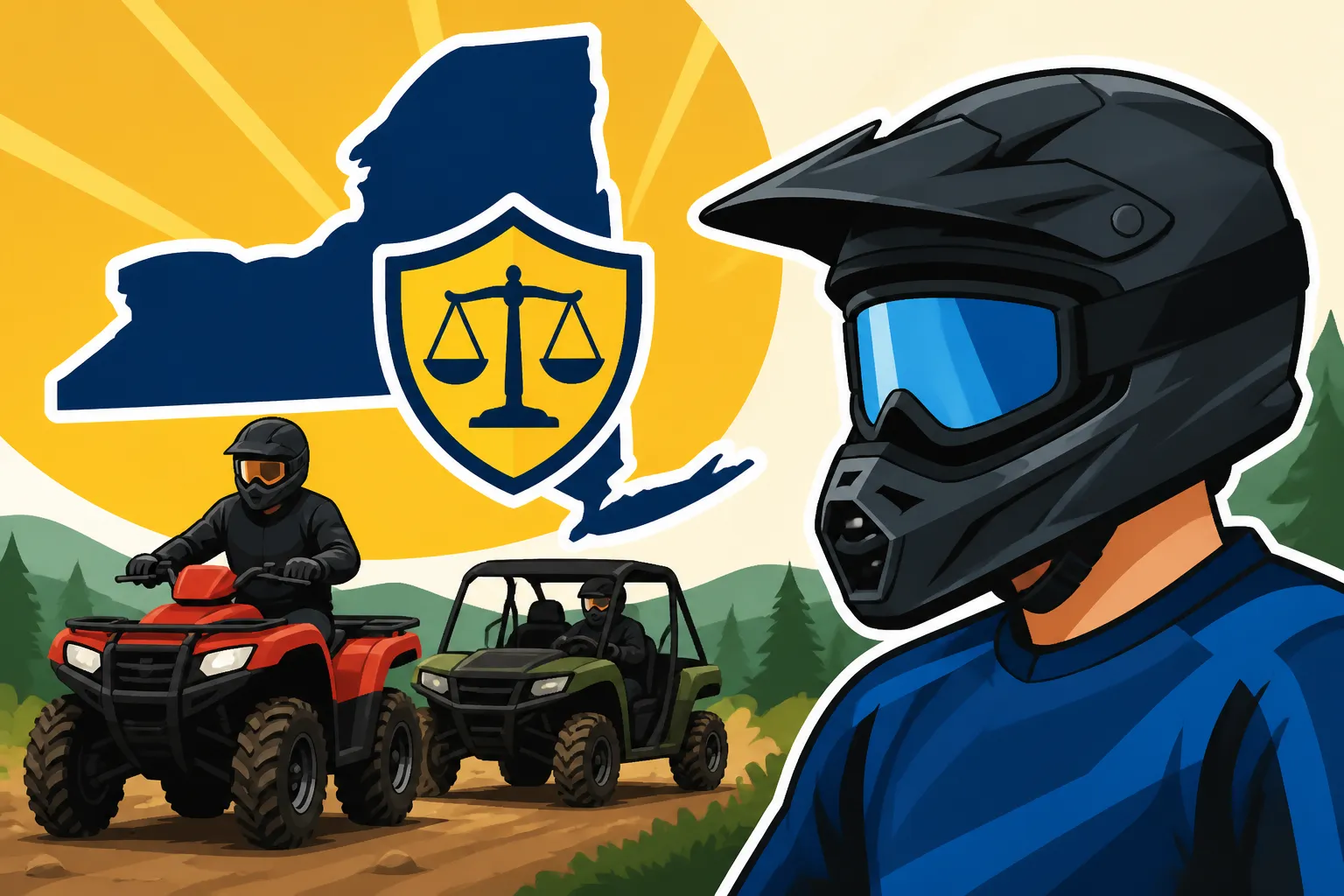
Let's cut right to the chase, because this is perhaps the most misunderstood aspect of ATV riding in New York: if you are operating or riding as a passenger on an ATV anywhere in the state, you must wear an approved helmet. There are no exceptions for adults, no loopholes for private property, and no "grandfather clauses" for experienced riders. New York is unequivocally clear on this point. It’s not just a suggestion; it’s the law, plain and simple, and it's enforced to protect you.
Think about it this way: when you're out on the trails, whether it's the [Lewis County ATV Trail System in New York] or a local club trail, you're facing varied terrain, sudden obstacles, and the unpredictable nature of off-road riding. A momentary lapse in judgment, an unexpected rut, or even another rider's mistake can send you tumbling. Your head is the most vulnerable part of your body, and a helmet is your first and best line of defense against serious injury. This isn't about cramping your style; it's about making sure you can ride again tomorrow.
No Exemptions: Age, Experience, or Private Land Don't Matter
I hear it all the time: "I'm an adult, I don't need a helmet." Or, "I'm just riding on my own property, why would I need one?" The truth is, New York State law doesn't care about your age, your years of riding experience, or whether you're on public trails or your back forty. The law, specifically Section 2407 of the Parks, Recreation and Historic Preservation Law, states that "no person shall operate or ride upon an all-terrain vehicle unless such person is wearing a helmet of a type approved by the commissioner."
This means that if you're a seasoned rider who's been on quads since they had a pull-start, or a parent just cruising gently with your child on your own farm, the helmet rule still applies. It's a blanket regulation designed to ensure a basic level of safety for everyone. The risks of head injury are universal when operating an ATV, regardless of the rider's skill level or the riding location. A fall on your private land can be just as dangerous as one on a rocky trail. So, put that helmet on, every single time. [Why New York Exempts No Adult From a Helmet] is a question with a clear answer: because head injuries don't discriminate.
Understanding the "Approved Helmet" Standard
So, what exactly constitutes an "approved helmet"? This isn't about grabbing any old bicycle helmet from the garage. New York law requires a helmet "of a type approved by the commissioner," which in practice means a helmet that meets federal Department of Transportation (DOT) safety standards. You'll typically find a DOT sticker on the back of any compliant helmet.
These standards dictate specific requirements for impact absorption, penetration resistance, and retention systems (the chin strap). Helmets that meet these criteria have undergone rigorous testing to ensure they can adequately protect your head in the event of a crash. Beyond the DOT standard, you might also see Snell or ECE certifications, which often indicate even higher levels of protection. While these aren't explicitly mandated by New York law, they are certainly acceptable and often preferred by riders looking for maximum safety.
When you're shopping for a helmet, make sure you look for that DOT certification. It's a visible sign that the helmet has been designed and tested to protect against significant impacts. Brands like SuperATV, while primarily known for their extensive range of parts and accessories like windshields and lift kits, often carry or recommend helmets that meet these crucial safety standards. Investing in a good quality, properly fitted helmet is non-negotiable for anyone hitting the trails in New York.
The Rationale Behind New York's Strict Stance
New York didn't just wake up one morning and decide to make everyone wear a helmet for fun. This strict stance is rooted in decades of data regarding ATV-related injuries and fatalities. Head injuries are consistently among the most severe and often fatal outcomes of ATV accidents. Without proper head protection, even a low-speed tip-over can lead to traumatic brain injury, which can have life-altering consequences.
The law aims to reduce the severity of these injuries, protect public health, and minimize the strain on emergency services and healthcare systems. By making helmets mandatory for everyone, New York sends a clear message about the seriousness of ATV riding and the state's commitment to rider safety. It’s a proactive measure designed to prevent tragedies, not just react to them. Think of it as a seatbelt for your head; you wouldn't drive a car without a seatbelt, and riding an ATV without a helmet carries similar, if not greater, risks.
Special Considerations for Passengers and Youth Riders
While the blanket rule for helmets applies to everyone, there are specific nuances when it comes to passengers and, most importantly, our youngest riders. New York's laws are particularly protective of minors, recognizing their increased vulnerability and lack of experience. Understanding these additional layers of regulation is crucial for anyone planning a family ride or bringing a friend along for the adventure.
Passengers: Double the Fun, Double the Helmets
If you're lucky enough to have an ATV designed for a passenger, meaning it has a factory-installed passenger seat and footrests, then the person riding behind you also needs to be wearing an approved helmet. Just like the operator, a passenger is exposed to the same risks of falling and impact. [New York Passenger Rules on an ATV] are quite clear: if there's a second person on the machine, they too need to be fully protected.
It's tempting to think that since the operator is in control, the passenger is somehow less at risk, but that's simply not true. A sudden turn, an unexpected bump, or hitting a branch can easily dislodge a passenger, even if they're holding on tight. Their head is just as vulnerable, and a helmet is just as essential. If you frequently ride with a passenger, make sure you have a second approved helmet that fits them properly. An ill-fitting helmet can be just as dangerous as no helmet at all, as it can shift during an impact, failing to provide the necessary protection.
The Rules for Young Riders: Supervision and Safety Certificates
This is where New York's laws become even more detailed, and for good reason. [New York Minimum Age to Ride an ATV] is ten years old, and for anyone under 16, there are additional requirements beyond just wearing a helmet. While a helmet is mandatory for all, young riders also need to complete an ATV safety course and obtain a safety certificate if they are between the ages of 10 and 15 and plan to ride anywhere other than on their own family's land.
Specifically, a rider aged 10 to 15 must possess a valid ATV safety certificate issued by the state of New York or an equivalent accepted by the state. On top of that, they must be under the direct supervision of a person 18 years of age or older. This means an adult needs to be physically present and actively supervising the minor's riding. This isn't just about being in the same general area; it means being close enough to intervene or provide instruction. [New York Supervision Rules for Minors] are in place to ensure that young riders develop good habits and stay safe under watchful eyes.
For example, if you have a 14-year-old who wants to ride the trails at Tall Pines ATV Park, they absolutely need that safety certificate, and you, or another responsible adult over 18, need to be riding with them. Simply dropping them off at the trailhead and waiting in the parking lot won't cut it. These rules protect children who may not yet have the judgment or experience to handle all potential situations on a trail. [New York Rules for a Rider Aged 14] and [New York Rules for a Rider Aged 15] are very specific on these points.
Shared Liability: Why Parents and Guardians Need to Pay Attention
For parents and legal guardians, understanding these rules isn't just about avoiding a ticket; it's about protecting your child and yourself from potential legal liability. In New York, if a minor under 16 is involved in an ATV accident and is found to be in violation of the helmet law or the safety certificate and supervision rules, the parent or guardian can be held responsible. This could mean fines, but more significantly, it could open you up to civil lawsuits if your child causes injury or damage to others.
Let's imagine a scenario: your 12-year-old, without a safety certificate and unsupervised, is riding your ATV on a designated trail. They accidentally swerve and collide with another rider, causing injury. Not only could your child face consequences, but you, as the parent, could be found negligent for allowing them to ride illegally. This is a heavy burden, and it underscores the importance of adhering to every single safety regulation. Taking the time to ensure your child has the proper training, wears the right gear, and is always supervised is an investment in their safety and your peace of mind.
Beyond the Helmet: Other Essential Safety Gear in New York
While the helmet is undeniably the most critical piece of safety gear, New York's commitment to ATV rider safety extends beyond head protection. The law also touches on other equipment requirements that are designed to protect riders and ensure the safe operation of the machine itself. Thinking comprehensively about your gear can make a world of difference in preventing injuries and ensuring an enjoyable, compliant ride.
Eye Protection: More Than Just Comfort
Think about what you encounter on the trail: dust, mud flung by tires, low-hanging branches, insects, and even small rocks. All these can quickly turn a fun ride into a painful or even dangerous situation if your eyes aren't protected. New York law requires all ATV operators to wear adequate eye protection. This isn't just about comfort or keeping the sun out of your eyes; it's about preserving your vision and maintaining full situational awareness.
"Adequate eye protection" usually means goggles designed for off-road use or a helmet with a clear visor. Sunglasses alone often aren't sufficient, as they can slip off, leave gaps for debris, or lack the impact resistance needed for a true off-road environment. Invest in a good pair of dirt bike goggles that fit snugly over your helmet opening. They offer wide peripheral vision, are designed to withstand impacts, and can be easily cleaned or replaced. This simple addition can prevent scratches, irritation, and potentially blinding injuries.
Appropriate Clothing and Footwear: Protecting Against the Elements and Impacts
While not explicitly mandated by law in terms of specific materials, common sense and best practices strongly recommend appropriate clothing and footwear for ATV riding. Just as you wouldn't go hiking in flip-flops and shorts, you shouldn't ride an ATV similarly dressed.
- Long Sleeves and Pants: These act as a barrier against scrapes, cuts, thorns, and sun exposure. Even on warm days, lightweight but durable materials can offer protection without causing overheating. Many riders opt for specialized riding jerseys and pants, which are designed to be breathable, flexible, and offer some abrasion resistance.
- Gloves: Essential for grip, reducing blisters, and protecting your hands from impacts, branches, and the elements. They also help absorb vibrations, reducing hand fatigue on longer rides.
- Over-the-Ankle Boots: Your feet and ankles are highly susceptible to injury from impacts, crushing, or getting caught. Sturdy, over-the-ankle boots with good tread offer support, protection, and grip on the footpegs. Regular sneakers simply won't cut it when you're navigating rough terrain.
Imagine a low branch you didn't see coming. A good long-sleeved shirt and gloves could mean a minor scrape instead of a nasty gash or broken skin. Or consider a sudden stop where your foot slips off the peg; solid boots could prevent a sprained or broken ankle. These aren't just fashion statements; they're integral parts of your personal protective equipment. [New York Equipment Requirements for ATVs] cover some mechanical aspects, but personal gear is just as vital.
Machine-Specific Equipment: Spark Arresters and Mufflers
Beyond personal gear, New York also has regulations concerning the ATV itself. All ATVs operating in New York must be equipped with a spark arrester that meets U.S. Forest Service standards. This is a critical safety feature designed to prevent hot carbon particles from escaping the exhaust and potentially igniting dry vegetation, which is a significant fire hazard in our wild areas. Always ensure your machine is properly equipped and maintained in this regard.
Furthermore, ATVs must have an adequate muffler to keep noise levels within acceptable limits. This isn't just a courtesy to other trail users and nearby residents; excessive noise can also contribute to rider fatigue and even hearing damage over time. Loud machines can also be seen as a nuisance, leading to potential trail closures or stricter regulations. Ensuring your machine's exhaust system is intact and functioning properly is part of being a responsible rider. [New York Spark Arrester Requirement] and [New York ATV Muffler Requirements] are important details for every rider to know.
Consequences of Non-Compliance: What Happens If You Ride Without a Helmet
Ignoring New York's ATV helmet law isn't just about taking a personal risk; it carries very real legal and financial consequences. Enforcement officers, whether it's the State Police, local sheriff's deputies, or forest rangers, take these laws seriously. Getting caught without a helmet can put a significant damper on your day and your wallet. More importantly, it can affect your insurance and, tragically, your long-term health.
Let's put this into perspective: while the thrill of riding can make you feel invincible, no one is immune to the law or to physics. The regulations are there for your protection, and failing to abide by them will result in penalties.
Legal Ramifications: Fines and Tickets
The most immediate consequence of riding without an approved helmet in New York is a ticket. The specific fine can vary, but it's generally a significant sum. Beyond the monetary penalty, you might also be required to appear in court, which means taking time off work and dealing with legal proceedings.
Imagine being pulled over at the trailhead on a beautiful Saturday morning. Instead of hitting the trails, you're now sitting by the side of the road, getting a ticket that could easily cost you a few hundred dollars. This is a common scenario for those who disregard the law. And it's not just about the helmet; if you're riding an unregistered machine or operating it illegally in other ways, you could face multiple violations, piling on the fines. [New York Fines for an ATV Violation] can quickly add up, turning an anticipated day of fun into a costly headache.
| Violation Category | Common Legal Consequences in New York | Personal Safety Impact |
|---|---|---|
| No Approved Helmet | Fines, potential court appearance. | High risk of traumatic brain injury, severe head trauma. |
| No Eye Protection | Fines. | Eye injury, impaired vision, loss of control. |
| Unregistered ATV | Fines, potential impoundment, inability to ride legally. | No direct safety impact, but legal riding is impossible. |
| No ATV Safety Certificate | Fines for minor and/or supervising adult. | Increased risk of accidents due to lack of training. |
| No Adult Supervision | Fines for adult, increased liability for parent/guardian. | Higher risk of injury for minor due to inexperience. |
| Riding on Closed/Illegal Trails | Fines, potential trespass charges, machine impoundment. | Collision with obstacles, private property owners, or wildlife. |
| No ATV Insurance | Fines, license suspension (if applicable), high liability in case of accident. | Financial ruin in case of accident, inability to cover damages. |
Insurance Implications: When Coverage May Be Denied
This is a really important point that many riders overlook. Your ATV insurance policy is there to protect you financially in case of an accident. However, insurance companies operate under strict terms and conditions. If you're involved in an accident while in violation of a major safety law – like the helmet mandate – your insurance provider may have grounds to deny your claim.
Imagine suffering a serious head injury while riding without a helmet. You're facing mounting medical bills, lost wages, and potentially long-term care costs. If your insurance company determines that your injuries were preventable or exacerbated by your non-compliance with the helmet law, they might refuse to pay for your medical expenses or property damage. This could leave you on the hook for tens or even hundreds of thousands of dollars. [New York ATV Insurance Requirement] exists for a reason, but it's not a get-out-of-jail-free card if you're actively breaking the law. Always read your policy carefully and understand its exclusions. The financial protection your policy offers is vital, but it relies on you upholding your end of the bargain by following safety regulations.
The Ultimate Cost: Personal Safety and Injury Prevention
Beyond the legal and financial penalties, the most profound consequence of not wearing a helmet is the risk to your personal safety. ATVs are powerful machines, and accidents can happen quickly, even at low speeds. A fall at just 15 miles per hour can generate enough impact force to cause a severe brain injury, leading to permanent disability, cognitive impairment, or even death.
Think about what you stand to lose: your ability to work, your independence, your memories, and your relationships. These are costs that no fine or insurance payout can ever truly cover. Wearing a helmet significantly reduces the risk of head injury and vastly improves your chances of walking away from an accident relatively unscathed. It's a small inconvenience for a monumental gain in safety. Products from companies like SuperATV are designed to enhance your riding experience, but no aftermarket part can replace the fundamental safety provided by a properly worn helmet. Make the smart choice, every single time you swing a leg over your ATV, whether you're heading out to the [Lewis County Recreation, Forestry and Parks] trails or just cruising around your own property. Your brain is worth protecting.
Disclaimer
This article is for general informational purposes only and does not constitute professional advice. Laws, prices and regulations vary by location and change over time. Consult a qualified professional for guidance on your specific situation.