Riding After a Thaw
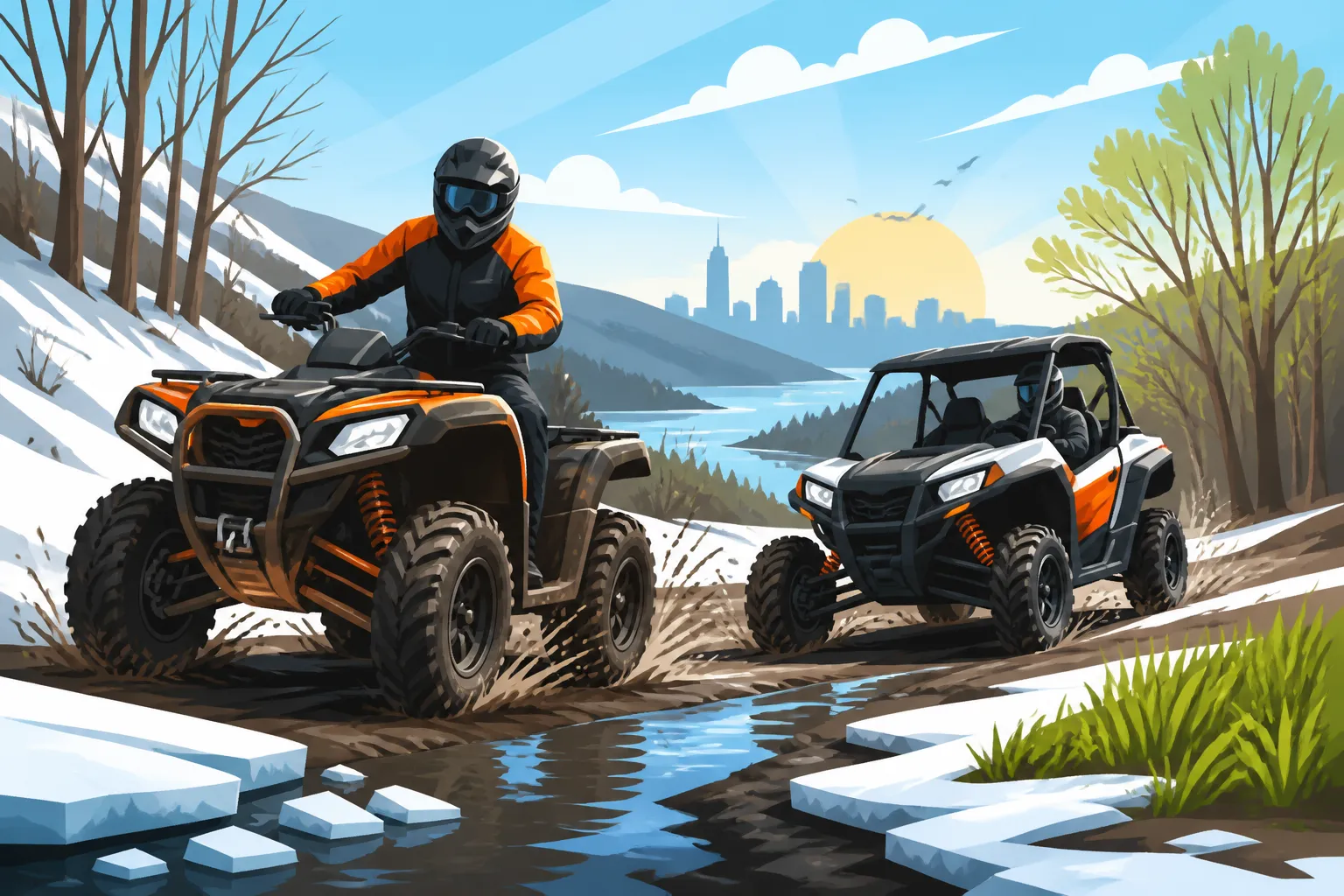
The snow is finally melting, the air has that crisp, damp smell of spring, and that familiar cabin fever starts to set in. You’ve been dreaming of hitting the trails all winter, and now that the white stuff is receding, you might think it's time to fire up the quad. But riding right after a thaw in New York can be a tricky proposition, fraught with hidden dangers and the potential to do real damage to our precious trail systems. This guide will walk you through the realities of spring riding, from understanding mud season to the best practices for enjoying the trails safely and responsibly once they're officially open.
The Lure and the Peril of Spring Thaw Riding in New York
After months of cold and often snow-covered landscapes, the first signs of spring are a welcome sight for any ATV enthusiast in New York. The sun feels warmer, the days are longer, and the urge to get out and ride becomes almost irresistible. However, this period of transition from winter to spring, known as the thaw, presents a unique set of challenges and responsibilities for riders who cherish our state's trail networks. It's a time when enthusiasm needs to be tempered with a heavy dose of patience and understanding of how nature recovers.
Why the Thaw is So Tempting for Riders
We all get it. That feeling of being cooped up, watching your machine sit idle in the garage while winter drags on, is a specific kind of agony for ATV riders. As soon as the temperatures creep above freezing and you start seeing bare patches of ground, the siren song of the trails gets louder. You picture those perfect early spring rides – crisp air, perhaps still some lingering snow patches, but mostly open ground. It feels like freedom is just around the corner, and who wouldn't want to be the first one out there, kicking up a little mud?
This eagerness isn't just about escaping the house; it's about reconnecting with the sport and the community you love. You've likely spent the winter planning routes, perhaps doing some maintenance, and now it feels like the big payoff is here. It’s natural to want to jump on that opportunity the moment it presents itself, but the trails often have a different idea of when they’re ready for action. Ignoring the true state of the ground can lead to disappointment, damage, and even dangerous situations for you and your machine.
Understanding What "Thaw" Really Means for Trails
While the surface might look appealing, a spring thaw is a complex process beneath your tires. What you see as melting snow and softening ground is often just the very top layer. Beneath that, especially in areas like the Tug Hill Plateau or other parts of upstate New York, the ground can remain deeply frozen for weeks, sometimes even into April. This creates a peculiar and problematic sandwich effect: a layer of soft, saturated mud on top, resting on an impermeable, icy hardpan below.
When water from melting snow and spring rains has nowhere to drain, it saturates the topsoil, turning it into a thick, soupy mess. This isn't just regular mud; it's ground that has lost its structural integrity because the water can't percolate down into the frozen subsoil. Riding over this type of terrain, especially with the weight and traction of an ATV, can cause severe rutting, displace significant amounts of soil, and leave deep tracks that become hardened hazards once the ground eventually dries. It’s a recipe for long-term trail damage and frustration for everyone who uses them.
The Realities of Mud Season and Trail Closures
Every year, as winter loosens its grip, many of New York's dedicated ATV trails enter what is affectionately (or not so affectionately) known as "mud season." This isn't just a quirky phase; it's a critical period for trail preservation, and it directly impacts when and where you can legally and safely ride. Understanding why these closures are necessary is key to being a responsible rider and ensuring that we have vibrant trail systems to enjoy for years to come. Ignoring these realities doesn't just put your machine at risk; it jeopardizes access for everyone.
Why New York Trails Close During Mud Season
Trail closures during mud season are not arbitrary decisions designed to frustrate riders. They are a vital measure for protecting the very trails we love to ride. Imagine driving your quad over saturated soil that’s as soft as pudding. Your tires dig in deep, creating ruts that can be feet deep in some places. These ruts channel water, accelerating erosion, and making the trail impassable or dangerous for subsequent riders. Without closures, entire sections of trail could be washed away or become so severely damaged that they require extensive, costly, and time-consuming repairs.
Furthermore, many of New York's ATV trails, particularly in regions like Lewis County or Oswego County, traverse private land through gracious landowner agreements. These landowners often permit trail access with the understanding that riders will respect their property and not cause undue damage. Deep ruts, widened trails, and environmental impact during mud season can quickly sour these relationships, leading landowners to revoke access. When a town or county closes trails, it's often a direct response to preventing such damage and preserving these critical relationships. This is precisely [Why Towns Close ATV Trails During Mud Season] and why we must respect those decisions.
The Impact of Early Riding on Trail Systems
Riding on trails that are saturated and soft, even if they aren't officially closed yet, has a cascade of negative effects that extend far beyond your immediate ride. The most visible impact is rutting. Those deep channels left by tires don't just disappear; they harden when the ground dries, creating permanent, uneven terrain that makes future riding less enjoyable and more hazardous. Over time, these ruts can expand, leading to significant trail widening as riders try to navigate around the deepest sections, effectively destroying the original trail corridor and impacting surrounding vegetation.
Beyond the immediate visual damage, early riding can compromise the very infrastructure of the trail. Water bars and drainage systems designed to manage runoff become ineffective or are destroyed by heavy traffic. This accelerates erosion, washing away topsoil and exposing rocks and roots that make the trail rougher and more difficult to maintain. The long-term consequences mean more work for volunteer trail clubs, higher maintenance costs for counties, and potentially fewer miles of open trail in the future. Respecting mud season isn't just about following rules; it's about investing in the longevity of our riding opportunities.
Essential Considerations for Riding After a Thaw
As the season progresses and the thaw truly takes hold, a responsible approach becomes paramount. The urge to ride might be strong, but a little patience and preparation can make all the difference between a great day on the trails and a damaging, frustrating, or even dangerous experience. It’s about being informed, making smart choices, and always prioritizing the health of the trails and your own safety.
Checking Trail Conditions Before You Load Up
The single most important thing you can do before heading out after a thaw is to verify current trail conditions. Do not assume that just because the snow is gone from your driveway, the trails are ready. New York has a diverse landscape, and conditions can vary wildly from one county to the next, and even within different sections of the same trail system. Organizations like Lewis County Recreation, Forestry and Parks, or local ATV clubs in Oswego County, often maintain websites, social media pages, or hotlines specifically for updating riders on trail status.
Pay close attention to official announcements about openings and closures. When a trail is marked as "closed" or "seasonal," it's for a reason. Ignoring these warnings can lead to fines, but more importantly, it contributes to the degradation of the trails and harms the relationship with landowners and public land managers. Always check [New York Trail Closures to Check First] and heed their advice. A quick search or phone call before you trailer up can save you a wasted trip and ensure you’re riding legally and responsibly.
Responsible Riding Techniques for Thawing Conditions
If you do find a trail that is officially open but still shows signs of recent thawing – perhaps a bit softer than usual or with standing water – adjust your riding style accordingly. This isn't the time for aggressive riding or high speeds. The goal is to minimize your impact. Stick to the center of the trail, even if it means getting a little muddy. Avoid riding around puddles or soft spots, as this widens the trail and creates new ruts where there weren't any before. Remember, the trail is designed to handle some water, but spreading out causes more damage.
Think about your line choice carefully. If you encounter a particularly soft or rutted section, try to choose a path that distributes your weight evenly and minimizes spinning your tires. Lowering your speed gives you more control and reduces the likelihood of digging in deep. If you do find yourself stuck in a mud hole, try to recover your machine gently rather than just spinning your tires endlessly, which only makes the hole deeper and wider. Having proper recovery gear, like a winch (perhaps from a brand like SuperATV) or a shovel, can be a game-changer in these situations. It’s about finesse, not brute force, during these delicate conditions.
Machine Maintenance After a Muddy Ride
Riding through mud and water, especially the gritty, sandy mud often found after a thaw, can be incredibly tough on your ATV. As soon as you're off the trail, your priority should be a thorough cleaning. Don't let the mud dry and harden on your machine, as it can be much harder to remove later and can hide corrosive elements. Use a pressure washer carefully, paying attention to areas where mud and debris tend to accumulate: around the engine, in the skid plates, behind the wheels, and especially on your suspension components.
After cleaning, don't forget the vital step of inspection and lubrication. Mud and water can force their way into bearings, bushings, and chain links, accelerating wear and tear. Check for any signs of damage to your CV boots, suspension components, and brake lines. Greasing all accessible zerks is crucial to flush out any contaminants and ensure smooth operation. Air filters are particularly susceptible to clogging after muddy rides; clean or replace them as needed. Neglecting this post-ride maintenance can lead to costly repairs down the line. Remember, [Washing a Machine After a Muddy Loop] is more than just making it look pretty; it's essential for longevity.
What to Expect on New York Trails as Spring Progresses
New York's spring is a dynamic time, and the transition from frozen ground to fully dry trails isn't a linear path. It's a gradual process, influenced by various factors that riders should be aware of. Understanding these stages and influences will help you anticipate conditions and plan your rides more effectively throughout the spring season.
From Frozen Ruts to Flowing Streams
The early stages of thaw often present a mix of frozen ground and soft mud, leading to those notorious [Frozen Ruts in Late March]. As the sun gets stronger and daytime temperatures consistently stay above freezing, the deeper frost pockets finally begin to release their grip. This means water that was previously trapped on the surface can now start to percolate deeper into the soil, or flow into natural drainage paths. However, this also means that streams and creeks, which might have been frozen solid during winter, now become active waterways.
What might have been a simple, dry crossing in late fall can become a significant water obstacle in spring. [Creek Crossings After a Wet Week] can range from a gentle splash to roaring torrents that are unsafe to cross. Always approach water crossings with extreme caution, assessing depth and current before committing. Remember that underwater obstacles like rocks and logs can shift with the water flow. If in doubt, scout the crossing on foot or turn back. It's never worth risking your safety or your machine for a questionable water crossing.
The Role of Weather in Trail Recovery
The recovery of New York's ATV trails from mud season is heavily dependent on the weather patterns of spring. Sunny, breezy days are a trail's best friend, helping to dry out saturated soils and firm up the riding surface. Consistent dry spells allow the ground to drain properly and compact, making for much better riding conditions. However, spring in New York is also notorious for its unpredictable rain showers. A few days of sunshine can quickly be undone by a heavy downpour, turning previously dry trails back into muddy quagmires.
This means that trail conditions can change rapidly. What was rideable one weekend might be closed or dangerously soft the next. It underscores the importance of checking current trail conditions before every ride, even if you rode the same trail just a few days prior. Keep an eye on the forecast, too. If heavy rains are predicted, it might be wise to postpone your ride or choose a trail known for its quick drainage. Patience and flexibility are key virtues for New York riders navigating the dynamic nature of spring trails.
| Stage of Thaw | Typical Conditions | Trail Status Recommendation | Rider Action & Tips |
|---|---|---|---|
| Early Thaw | Frozen ground with soft, muddy surface layer | Most trails likely closed or seasonal | DO NOT RIDE. Avoid creating ruts and damaging landowner relationships. Check official closures. |
| Mid-Thaw | Ground softening, significant mud, active water flow | Many trails still closed; check county/club | If open, ride gently. Stick to center, avoid spinning tires. Carry recovery gear. Check water crossings. |
| Late Thaw | Ground firming up, some soft spots, drying ruts | Trails beginning to open, verify first | Ride cautiously. Monitor conditions, watch for erosion. Perform post-ride cleaning and maintenance. |
| Post-Thaw | Trails mostly dry, firm, clear | Most trails open and ready for action | Enjoy! Continue responsible riding and regular machine maintenance. |
Disclaimer
This article is for general informational purposes only and does not constitute professional advice. Laws, prices and regulations vary by location and change over time. Consult a qualified professional for guidance on your specific situation.