Where to Ride When New York State Land Shuts
It's incredibly frustrating when you're geared up for an ATV ride, only to find that many of New York's beautiful state lands are off-limits or have strict restrictions for off-road vehicles. It can feel like hitting a brick wall when all you want to do is enjoy the trails. This guide is here to cut through that confusion, helping you understand why state land is often closed and, more importantly, where else you can find fantastic, legal riding opportunities across New York State.
Understanding Why State Land Closes to ATVs in New York
It's easy to get discouraged when you see "No ATVs" signs in places that look perfect for riding. But there are very specific reasons rooted in New York's history and environmental conservation efforts that explain why much of our state-owned land is simply not open to off-road vehicles. Understanding these reasons can help you navigate the landscape of legal riding more effectively.
The "Forever Wild" Clause and its Impact
New York State takes its wilderness preservation very seriously, and a lot of that comes down to something called the "Forever Wild" clause, officially Article XIV, Section 1 of the New York State Constitution. This clause, which dates all the way back to 1894, declares that the state's Forest Preserve lands "shall be forever kept as wild forest lands." This isn't just a suggestion; it's a constitutional mandate that has profoundly shaped how these lands are managed.
What this means for ATV riders is that motor vehicle use, including ATVs, is generally prohibited within the vast tracts of the Forest Preserve, which covers huge portions of the Adirondack and Catskill Parks. The idea is to maintain these areas in as natural and undisturbed a state as possible, prioritizing ecological preservation and non-motorized recreation like hiking, camping, and fishing. There's a big difference between "Wild Forest" and "Wilderness" areas within these parks; Wilderness areas, for example, are managed for absolute minimum human impact, and that certainly includes banning motorized vehicles. It can be a real bummer when you're looking at a huge map of pristine forests and know you can't ride there, but the commitment to [The Forest Preserve Is Closed to Machines] is a deeply ingrained part of New York's identity.
State Parks and OPRHP Land Policies
Beyond the Forest Preserve, New York also manages an extensive network of State Parks and other recreational lands through the Office of Parks, Recreation and Historic Preservation (OPRHP). These lands are designed to serve a wide range of public recreational needs, but ATV riding typically isn't one of them. While some parks might offer specific recreational activities, most State Parks prioritize passive recreation, family-friendly activities, and preserving cultural or natural resources.
The general policy for OPRHP-managed lands is that ATVs are not permitted. This isn't necessarily due to a "Forever Wild" clause, but rather a management decision based on trail preservation, minimizing environmental impact, and ensuring the safety and enjoyment of all park visitors. Imagine a busy hiking trail suddenly becoming an ATV route – it wouldn't quite work for either group! So, while you might find fantastic scenery in a State Park, it’s highly probable that [Why New York State Parks Ban ATVs] for motorized vehicles. This includes most of the popular destinations you might think of for outdoor recreation, making it essential to look for alternatives if you're planning an ATV adventure.
Exploring New York's Alternative ATV Riding Opportunities
Just because much of the state-owned land is closed doesn't mean you're out of luck! New York State has a vibrant and growing ATV community, supported by various organizations and local governments that understand the passion for off-road riding. The key is knowing where to look and understanding the different types of access available.
County and Town-Managed Trail Systems
One of the brightest spots for ATV riders in New York is the rise of county and town-managed trail systems. These are often developed through partnerships between local governments, ATV clubs, and private landowners, creating networks of trails that are specifically designed and maintained for motorized off-road use. These aren't just old logging roads; many are carefully planned and marked trails offering diverse terrain.
A prime example, and one that every New York rider should know about, is [The Lewis County ATV Trail System in New York]. This system is a huge draw, boasting hundreds of miles of trails that crisscross some of the most beautiful parts of the state. It's a fantastic model for how local communities can embrace ATV tourism and provide designated areas for riding. Similarly, [Oswego County's Club Trails] offer another robust network, often maintained by dedicated volunteer clubs who pour their heart and soul into keeping trails open and enjoyable. These systems usually require a permit, but the cost is often reinvested directly into trail maintenance, signage, and development, ensuring a quality riding experience. It's a different setup from state land, where permits are rarely issued for ATV use, and it means you can usually find well-maintained, designated trails.
Private, Permitted Riding Parks and Club Trails
Beyond county systems, New York is also home to several private riding parks and a plethora of ATV club trails that operate on leased or privately owned land. These locations often offer a more controlled and sometimes more challenging riding experience, away from the bureaucratic hurdles of state or even county land.
Take [Tall Pines ATV Park at Andover] in Allegany County, for example. This is a privately owned and operated park designed specifically for ATV and UTV enthusiasts. These parks often have their own unique fee structures, rules, and sometimes even amenities like camping. They are a fantastic option if you're looking for a guaranteed place to ride with clear regulations. Many smaller, local ATV clubs also maintain their own trails through agreements with private landowners. These "club trails" are usually accessible only to members or via a day pass, and they rely heavily on the goodwill and continued permission of the landowners. The ongoing success of [Club Trail Rules in New York] hinges on riders respecting posted rules, staying on designated paths, and generally being good stewards of the land. Remember, [New York Rules for Riding Private Land] always require permission, and these clubs often facilitate that by creating agreements. This direct engagement with landowners is a vital part of keeping these trails open.
Riding on Your Own Property (with caveats)
For many ATV owners, the most convenient place to ride is right in their own backyard or on private land they own. And for the most part, [Riding Your Own Property Under New York Law] is perfectly permissible. You have the freedom to enjoy your machine on your own acreage without the need for permits or adherence to public trail system rules.
However, it's not a complete free-for-all. Even on your own land, you're still subject to certain state laws, such as those regarding mandatory ATV insurance if you ever take it off your property, and general noise ordinances, especially in residential areas. More importantly, you must be aware of local town and village ordinances. What might be perfectly fine in a rural township could be strictly prohibited in a more suburban village. Many municipalities have their own rules regarding noise, hours of operation, and even whether ATVs are allowed to be ridden at all within certain zones. It's always a good idea to check with your local town or village clerk to see if there are any specific bylaws related to ATV use before you start tearing up your back forty. Failing to do so could lead to an uncomfortable conversation with local law enforcement, or even fines. Always prioritize [Checking Your Town's ATV Ordinance Before You Ride].
Navigating Permits, Rules, and Equipment for Alternative Trails
Once you've identified an alternative riding spot, the next step is ensuring you're fully prepared and compliant with all the necessary permits, safety requirements, and equipment regulations. This part might seem tedious, but it's crucial for a safe, legal, and enjoyable ride.
Required Permits and Safety Certificates
Accessing many of New York's fantastic trail systems, especially the county-managed ones, often requires a specific permit. These permits are usually annual and come with a fee that helps fund trail maintenance and operations. For instance, [Lewis County ATV Trail Permit Cost and Rules] outline what you need to ride their extensive system. Often, there might be different tiers, sometimes with discounts for members of recognized ATV clubs, which is a great incentive to join a local club!
Beyond the machine itself, if you have younger riders in your family or group, New York State has mandatory safety certificate requirements. Riders between the ages of 10 and 15 must complete an approved ATV safety course and carry their certificate. Even for riders aged 16 and over, while a safety certificate isn't legally mandated, it's highly recommended for anyone operating an ATV. It teaches essential skills and safety awareness that can prevent accidents. You can find more information about these courses and requirements under [New York ATV Safety Certificate Requirements]. What about visitors from out of state? While New York requires all ATVs to be registered within the state to ride on public trails, some reciprocal agreements might exist for things like safety certificates. However, for registration, it's generally a "when in Rome" situation; even if your home state has a plate, you'll still need to register in New York to ride its trails. If you're wondering [Does New York Honor Out-of-State Registration?], the short answer for ATVs on public trails is generally no.
Machine Requirements and Limitations
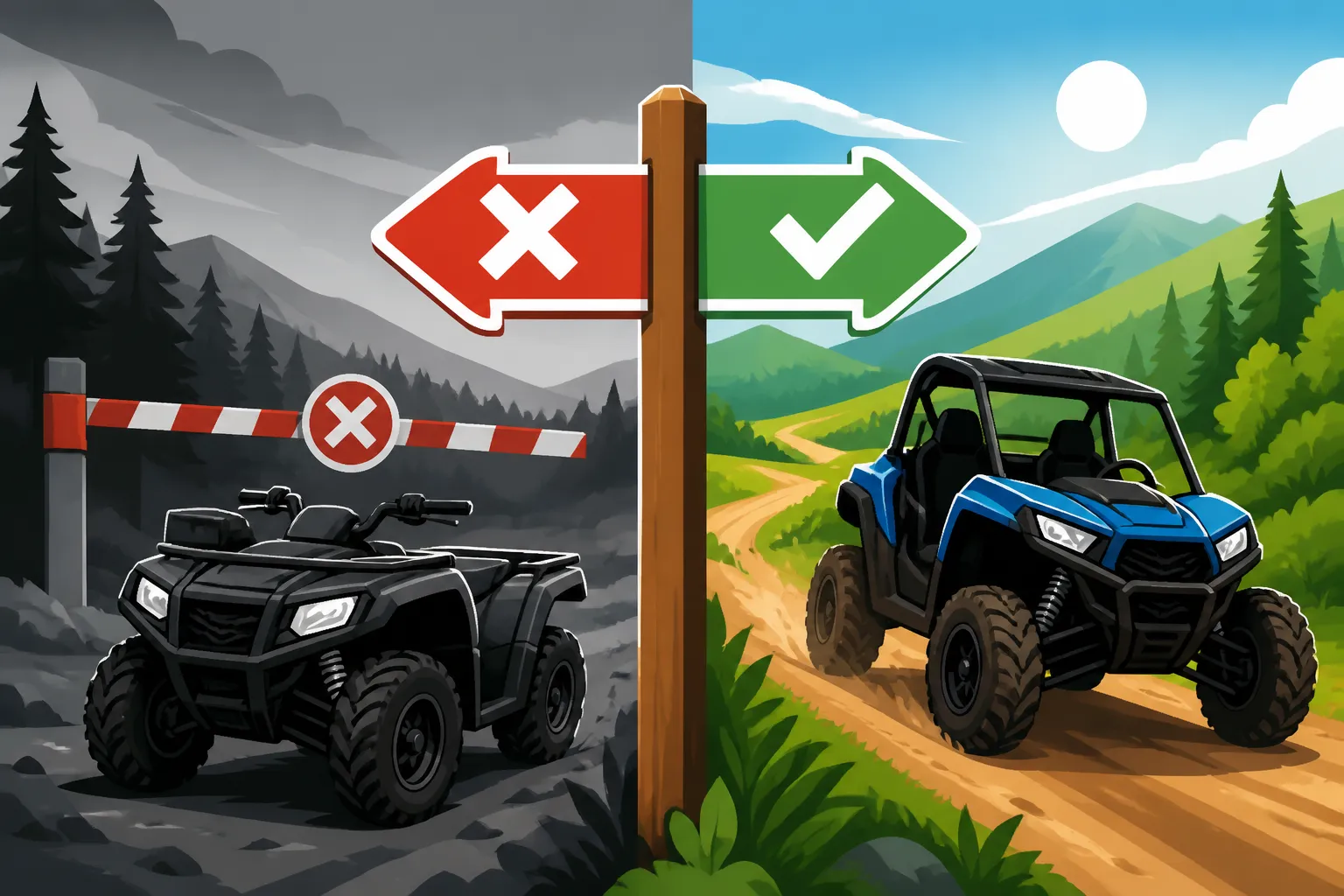
New York has specific regulations regarding the dimensions and equipment of ATVs that can be registered and legally ridden on designated trails. The most significant of these is the width limit. For an ATV to be registered in New York, it generally cannot exceed 70 inches in width. This rule is a major stumbling block for many modern side-by-sides (UTVs) and even some wider ATVs, as many popular models now exceed this measurement. Before you even think about hitting a trail, measure your machine! If you're over the limit, you might be restricted to riding only on private property where you have explicit permission. You can learn more about this critical aspect under [New York ATV Width Limit for Registration].
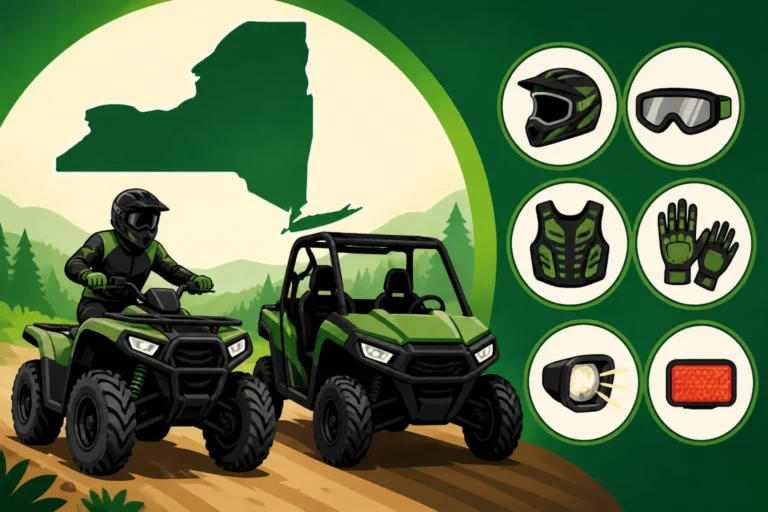
Beyond width, there are other equipment rules you absolutely must follow. Your ATV needs a working muffler that meets federal noise standards, a U.S. Forest Service-approved spark arrester to prevent wildfires, and adequate tread depth on your tires. If you plan to ride after sunset (and many trails have specific rules about night riding), you'll need functional headlights and taillights. These regulations are in place for safety, environmental protection, and to minimize disturbances to others. For a full breakdown of what your machine needs, check out [New York Equipment Requirements for ATVs]. Some riders even modify their machines with aftermarket parts from companies like SuperATV to ensure compliance or enhance performance for specific trail conditions, like narrower tires or custom exhaust systems that meet sound requirements.
Respecting Rules and Landowner Agreements
Whether you're on a county trail, a private park, or a club trail, the golden rule of ATV riding is respect. These trails often exist because of careful agreements with private landowners who generously allow access across their property. Disrespecting these agreements, even accidentally, can lead to trails being closed permanently for everyone.
This means absolutely no riding off marked trails. [New York Rules for Riding Off a Marked Trail] are strict because straying from the path can damage sensitive ecosystems, disturb wildlife, or encroach on private property where no permission exists. The consequences for riding where you shouldn't can be severe, including hefty fines and legal action for trespass. You can learn more about these penalties under [New York Fines for Trespass on a Trail]. Every rider plays a role in keeping trails open, and this includes adhering to speed limits, avoiding excessive noise, and always packing out what you pack in. The continued success of these trail systems relies on a strong relationship built on trust and mutual respect between riders, land managers, and, most importantly, the private landowners. Without these crucial relationships, and without riders upholding their end of the bargain, [How Clubs Keep Landowners Willing to Host Trails] becomes an impossible task.
Planning Your Ride Beyond State Land
With so many variables, from permits to machine specifications, planning your ATV adventure in New York requires a bit more than just pointing your rig in a direction and hitting the gas. Thoughtful preparation ensures a smooth, safe, and legal experience.
Checking Trail Conditions and Openings
One of the biggest mistakes you can make is assuming a trail is open just because it's springtime or a sunny weekend. New York's weather is notoriously unpredictable, and trail conditions can change rapidly. Mud season in spring often leads to widespread closures to prevent trail damage, and some trails transition to snowmobile-only use in winter.
Always, always check the current status of any trail system before you load up your ATV. County tourism websites, ATV club pages, and dedicated trail system social media accounts are your best friends here. They provide crucial updates on closures due to weather, maintenance, or even unforeseen events. [New York Trail Closures to Check First] should be a non-negotiable part of your pre-ride ritual. Additionally, many trail systems have specific [New York Riding Seasons and Trail Openings], so know when your chosen trails officially open and close for the year. Don't rely on old maps or information from previous years; conditions and rules can evolve. Many counties offer downloadable [New York Trail Maps From a County] that are updated regularly, which can be invaluable for planning your route and knowing what to expect.
Essential Gear and Preparedness
Once you've confirmed your riding location is open and legal, it's time to think about what you need to bring. Being prepared for anything will make your ride much more enjoyable and safer.
| Category | Essential Items | Why It's Important |
|---|---|---|
| Personal Safety | Helmet (DOT-approved), Goggles, Gloves, Boots | Required by law (helmet), protects from debris, provides grip/ankle support |
| Long sleeves/pants, layered clothing | Protects from scrapes, sun, and changing weather conditions | |
| First-aid kit | For minor injuries, cuts, and scrapes on the trail | |
| Machine Prep | Full tank of gas (plus extra fuel in approved container) | Many trails have long stretches without fuel stops |
| Tire repair kit, small air compressor, basic tool kit | Flats happen; small repairs can save a long walk back | |
| Winch (if riding challenging terrain) | For self-recovery from mud, obstacles. Brands like SuperATV offer robust options. | |
| Spare belt (for UTVs), zip ties, duct tape | Quick fixes for unexpected mechanical issues | |
| Navigation | Printed trail map, GPS device (or phone with offline maps) | Cell service can be spotty; don't rely solely on a phone |
| Compass (and know how to use it) | Backup navigation | |
| General Supplies | Water, snacks, high-energy food | Stay hydrated and fueled, especially on longer rides |
| Small backpack | To carry essentials comfortably | |
| Headlamp/flashlight | For unexpected delays or night riding (if permitted) | |
| Cell phone (fully charged) | For emergencies, but be aware of dead zones |
Beyond this list, consider your specific riding environment. Are you in a remote area? A satellite communicator might be a wise investment. Riding in dusty conditions? Bring extra air filters. If you frequently find yourself tackling challenging terrain, investing in quality protection for your machine, like skid plates or heavy-duty A-arms from a brand like SuperATV, can save you a lot of headache and repair costs down the line. Remember, being prepared isn't about expecting the worst; it's about being ready for anything, so you can focus on the fun.
This article is for general informational purposes only and does not constitute professional advice. Laws, prices and regulations vary by location and change over time. Consult a qualified professional for guidance on your specific situation.