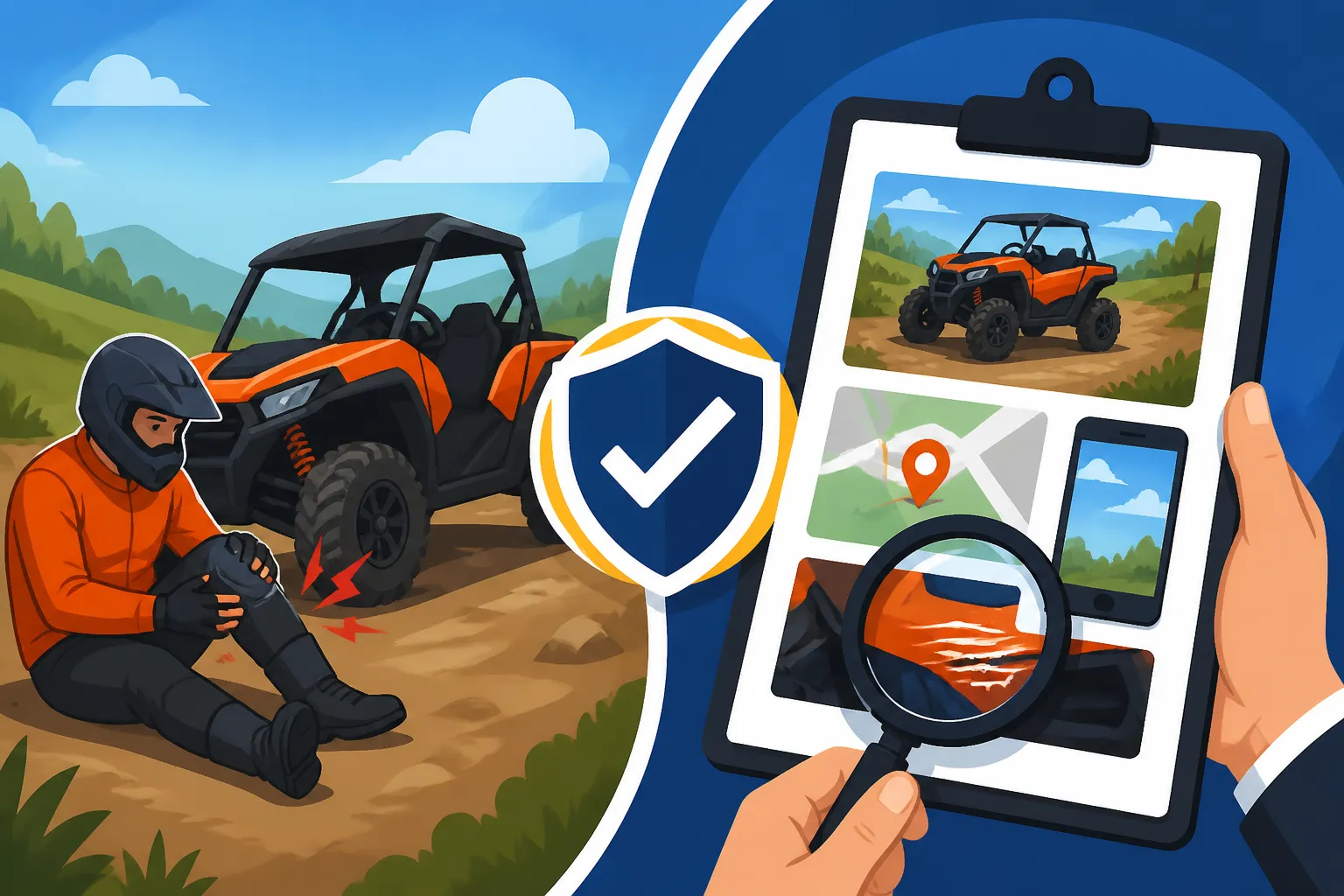
Showing Proof to an Injured Party
Imagine the scene: you're out on a beautiful New York trail, maybe cruising through Lewis County, and then, without warning, something goes wrong. A collision, a fall, an unexpected incident, and suddenly someone is hurt. In the immediate chaos and concern, the last thing you want to worry about is proving who you are and that you're properly covered. This guide is here to walk you through exactly what you need to know and how to handle the stressful situation of showing proof to an injured party after an ATV incident in New York.
The Immediate Aftermath: What Happens on the Trail When There's an Injury?
When an accident happens on the trail, especially one involving an injury, it's a whirlwind of emotions and immediate needs. Understanding what to do in those first critical moments can make a huge difference in how the situation unfolds and how effectively you can provide the necessary information. It’s not just about compliance; it’s about managing a difficult, often frightening, situation with clarity.
The Initial Shock and First Steps
The suddenness of an ATV incident, especially when someone is injured, can be profoundly disorienting. Your adrenaline will be pumping, and a million thoughts might race through your mind: Is everyone okay? What just happened? What do I do now? It's completely normal to feel overwhelmed, but the first priority is always safety and ensuring the well-being of anyone involved. Immediately assess the situation for any further danger, like an unstable machine or ongoing traffic if near a road. Secure the scene as best you can to prevent more harm.
Then, and this is crucial, attend to the injured person. If you or others have first aid training, apply it. If the injury appears serious, or if there's any doubt, call 911 immediately. Clearly explain the location – this is where knowing the trail name, mile marker, or nearest road crossing becomes absolutely vital. While waiting for emergency services, resist the urge to admit fault, apologize profusely in a way that implies guilt, or make any definitive statements about what occurred. Focus solely on assistance and ensuring safety.
Why Proof Becomes Critical Instantly
Once emergency services are en route or on the scene, the focus will quickly shift to gathering information. This is where your ability to provide "proof" becomes critical. The injured party, understandably, will need specific information to address their medical needs and, potentially, file an insurance claim. Law enforcement officers, if present, will be documenting the incident for their report, and that includes verifying identities, vehicle details, registration, and insurance. They need to ensure that anyone operating an ATV in New York is doing so legally and responsibly.
Without immediate and accurate proof, the situation can become much more complicated and stressful. You might face delays, further questioning, or even citations if you can't produce the required documents. This initial exchange of information sets the stage for everything that follows, from medical care to insurance claims and any potential legal proceedings. Having your paperwork in order and knowing exactly what information to provide can significantly smooth this challenging process, easing some of the immediate anxiety for everyone involved.
What "Proof" Means in New York ATV Incidents
When we talk about "proof" in the context of an ATV incident in New York, we're primarily referring to two vital documents: your ATV registration and your insurance policy. These aren't just pieces of paper; they are your legal authorization to operate your machine and your financial safety net, respectively. Being prepared with these documents is not just good practice, it's the law, and it becomes critically important when an injury occurs.
Your New York ATV Registration
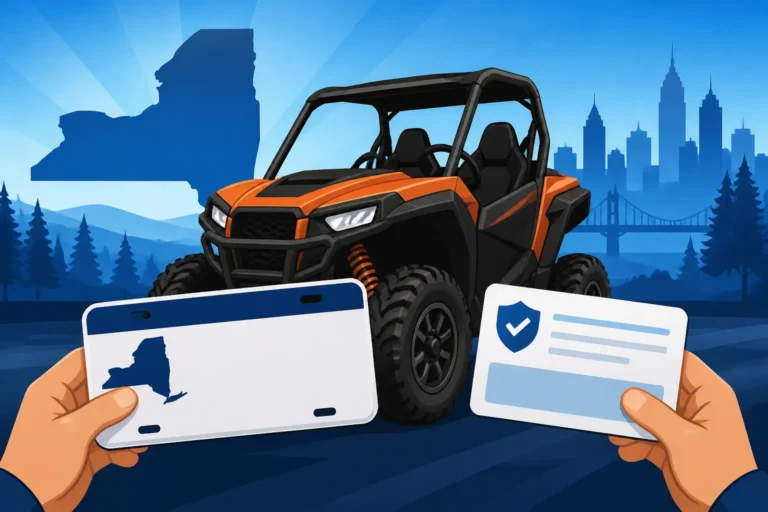
In New York, operating an ATV on any public land, designated trails, or even crossing a public road requires your machine to be properly registered with the Department of Motor Vehicles. This isn't just a suggestion; it's a legal mandate. Your [New York ATV Registration and Insurance Proof] card, often a small document you keep with your machine, serves as official evidence that your ATV meets the state's requirements and that you've paid the necessary fees. This card will display important details about your machine, such as its Vehicle Identification Number (VIN), make, model, and the expiration date of your registration. It also confirms your ownership.
An officer investigating an incident will absolutely ask for this. It's a fundamental step in confirming that the machine involved is legally permitted to be on the trail. If you cannot produce a valid registration, you could face fines for [New York Fines for an Unregistered ATV], adding another layer of complication to an already difficult situation. Think of it as your ATV's driver's license – you wouldn't drive a car without a valid registration, and the same principle applies to your off-road machine in New York. Ensure it's current and accessible whenever you ride.
Your Mandatory New York ATV Insurance
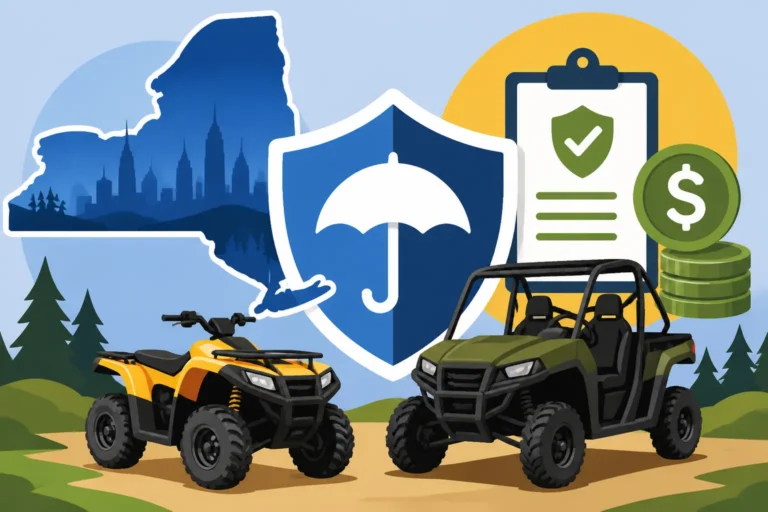
Beyond registration, having valid insurance is perhaps the most crucial "proof" you can offer to an injured party. New York State law mandates that any ATV operated off private property must carry liability insurance. This isn't just about protecting your own investment; it's primarily about protecting others, including any injured parties, from the financial burdens that can arise from an accident. The purpose of this insurance is to cover bodily injury and property damage you might cause to others while operating your ATV.
Your insurance card will clearly show the name of your insurance company, your policy number, and the effective dates of your coverage. This is the information an injured party will need to initiate a claim for their medical expenses or property damage. New York has specific [New York ATV Insurance Minimum Coverage] requirements, typically covering bodily injury to one person, bodily injury to two or more people, and property damage. Even if you believe the incident occurred on private land, if you ever take your ATV onto public trails or roads, even just to cross, that insurance becomes mandatory. Failing to have it can lead to severe financial consequences, as you would be personally responsible for all damages and injuries, in addition to fines for [New York Fines for Riding Without Insurance]. This is one area where cutting corners can cost you far more in the long run than the annual premium. Having a robust skid plate from a brand like SuperATV might protect your machine, but only insurance protects you and others financially from unforeseen incidents.
How to Properly Present Proof to an Injured Party (and Authorities)
Navigating the immediate aftermath of an ATV incident involving injuries is undoubtedly stressful. However, knowing how to calmly and correctly provide your proof to both the injured party and any responding authorities can significantly help manage the situation and protect your interests. It's about being prepared and professional even when emotions are running high.
The Importance of Remaining Calm and Cooperative
When an accident happens, it's natural for panic or frustration to set in, but maintaining your composure is paramount. Remember, everyone involved is likely shaken, and a calm demeanor can help de-escalate tension. When law enforcement arrives, be cooperative. Answer their questions clearly and honestly, but remember you are not obligated to offer more information than what is requested or to speculate about fault. Simply provide the facts as you know them. The police officer's job is to gather information for a report, and your cooperation helps them do that efficiently.
Handing over your registration and insurance card without argument demonstrates responsibility and can positively influence how the situation is perceived. Becoming agitated or refusing to provide information will only complicate matters, potentially leading to additional scrutiny or even legal trouble. Keep in mind that a good attitude, even in a bad situation, can go a long way.
Information to Exchange (and What Not To)
The primary goal when exchanging information with an injured party is to provide them with what they need to seek medical attention and initiate an insurance claim. This typically includes:
- Your Full Name and Contact Information: This allows them to reach you or your insurance company.
- Your Insurance Company Name and Policy Number: This is the most critical piece of financial proof.
- Your ATV Registration Information: Including the make, model, and VIN of your machine.
- Date, Time, and Location of the Incident: Essential details for any report or claim.
While providing this essential information, it's equally important to know what not to volunteer. Avoid making any statements that admit fault, even if you feel apologetic. An apology can be misconstrued as an admission of legal responsibility, which should be determined by insurance adjusters and, if necessary, legal professionals, not in the heat of the moment on a trail. Similarly, do not discuss the specifics of your insurance coverage, limits, or offer any financial settlements directly. That's a job for your insurance provider.
It's also a good idea to gather information from the other party as well. Get their name, contact information, insurance details (if applicable), and any witness contact information. Take photos of the scene, the machines involved, and any visible injuries if appropriate. This documentation can be invaluable for your own records and for your insurance company later. For instance, if your machine is equipped with heavy-duty A-arms or protective bumpers from SuperATV, document any damage to those components as well, as they might be part of the claim.
Here's a quick guide to what to exchange and what to keep to yourself:
| Information to Exchange | Information to Withhold (or direct to your insurer) |
|---|---|
| Your Full Name and Phone Number | Statements admitting fault or guilt |
| Your Insurance Company Name | Specifics of your insurance coverage limits |
| Your Insurance Policy Number | Offers of direct financial payment or settlement |
| ATV Make, Model, VIN, and Registration Number | Opinions on who was at fault |
| Date, Time, and Exact Location of the Incident | Detailed personal life information |
| Ask for the other party's name and contact info | Disparaging remarks about the other party or incident |
| Ask for witness contact information |
What Happens If You Can't Provide Proof?
The moments after an ATV incident involving an injury are already high-stakes. If you find yourself unable to provide proof of registration or insurance, those stakes rise considerably, leading to potential legal and financial repercussions that can be far more costly and complicated than simply having your documents in order.
Consequences of Lacking Registration or Insurance
Operating an ATV without proper registration in New York is a violation of vehicle and traffic law. If you're involved in an incident and can't produce a valid registration, you're likely facing a citation and associated fines for [New York Fines for an Unregistered ATV]. This is a separate issue from the accident itself but compounds the problems you're already experiencing. The authorities will see it as a failure to comply with basic state requirements for off-road vehicle operation.
Far more serious, however, are the consequences of not having valid ATV insurance. As discussed, New York requires liability insurance, and if you're riding without it when an accident occurs, you become personally liable for all damages and injuries you cause. This means that medical bills, property repair costs, lost wages, and potentially pain and suffering claims would come directly out of your pocket. These expenses can quickly escalate into tens of thousands of dollars, or even hundreds of thousands in severe cases. This personal liability can lead to lawsuits, wage garnishment, and a significant long-term financial burden. In addition to civil liability, you'll also likely face stiff fines for [New York Fines for Riding Without Insurance], further deepening the hole. This is why having at least the minimum required coverage, such as the [New York ATV Insurance Minimum Coverage], is not just a legal formality but a vital layer of protection for your financial future.
When to Contact Your Insurance Company and a Lawyer
Regardless of who you believe was at fault, or even if the damage seems minor, your very next step after ensuring everyone's safety and exchanging information should be to contact your insurance company. Do this as soon as possible, ideally from the scene if you have cell service, or immediately upon returning to a place where you can make a call. Your insurance provider is there to guide you through the claims process. They will explain your policy, advise you on what information they need, and begin their own investigation into the incident. The sooner they are aware, the sooner they can start working on your behalf. Even if you're running a set of heavy-duty A-arms from SuperATV and feel your machine is invincible, accidents can still happen, and contacting your insurer promptly is key.
In situations involving serious injuries, significant property damage, or disputes over fault, it's also highly advisable to consult with a lawyer. An attorney specializing in personal injury or vehicle accident law can provide invaluable guidance, protect your legal rights, and help you navigate the complexities of potential lawsuits or claims. They can advise you on what to say and what not to say to insurance adjusters or other parties, ensuring you don't inadvertently jeopardize your position. While it may seem like an added expense, the peace of mind and protection a lawyer can offer, especially when facing substantial liability, is often well worth the investment.
Disclaimer
This article is for general informational purposes only and does not constitute professional advice. Laws, prices and regulations vary by location and change over time. Consult a qualified professional for guidance on your specific situation.