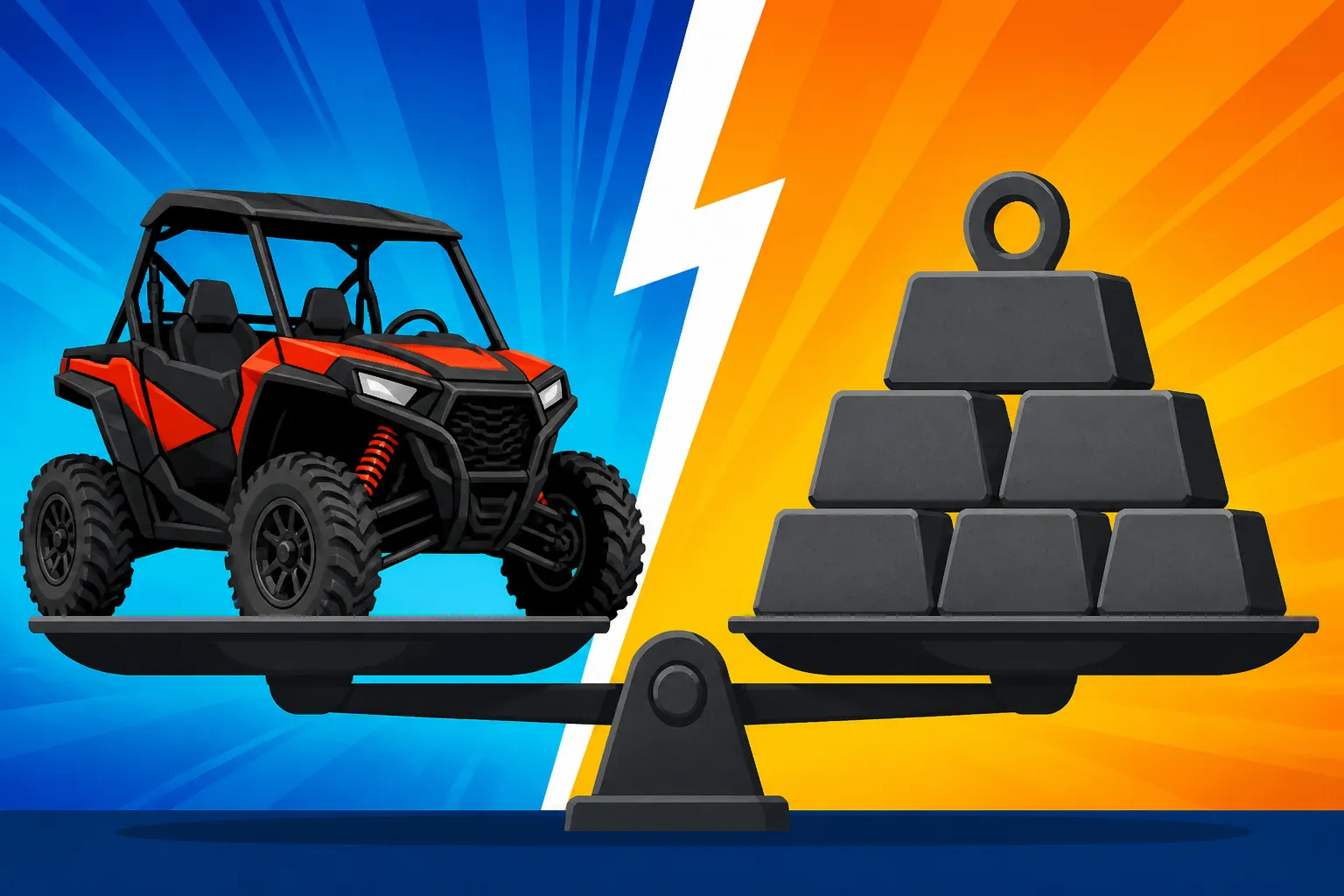
Weighing a Machine Against 1,000 Pounds
It's incredibly frustrating when you've found what seems like the perfect ATV or side-by-side for exploring New York's beautiful landscapes, only to run headfirst into a brick wall of registration rules, especially the dreaded weight limit. Many riders get caught off guard by New York's very specific definition of an "all-terrain vehicle," a definition that often leaves modern, heavier machines out in the cold. This guide will walk you through the nuances of New York's 1,000-pound ATV weight limit, help you understand how to accurately weigh your machine, and explore what your options are if your quad or side-by-side exceeds this critical threshold.
Understanding New York's ATV Weight Limit for Registration
New York's rules for registering all-terrain vehicles can feel a bit like a relic from another era, especially when you're looking at the shiny, capable machines available today. The state has a very particular idea of what constitutes an ATV, and a major part of that definition hinges on its weight. This isn't just a guideline; it's a hard and fast rule that determines whether your machine can legally hit the designated trails and public lands that require registration.
Why 1,000 Pounds? Deciphering the Rule
The 1,000-pound weight limit isn't some arbitrary number pulled out of thin air; it's deeply embedded in New York State Vehicle and Traffic Law. Specifically, Section 2281, which defines an "all-terrain vehicle." This legal framework was established at a time when ATVs were generally smaller, lighter machines, typically single-rider quads. The idea was to differentiate these recreational vehicles from heavier, more powerful utility vehicles or even small tractors. The state sought to regulate these lighter machines for specific types of off-road use, trail riding, and crossing public roads, while implicitly excluding larger, heavier vehicles that might pose different safety or environmental concerns.
For many years, this definition worked well enough. Most traditional sport and utility quads comfortably fit under this weight. However, as manufacturers innovated and riders demanded more versatile machines, the industry evolved rapidly. What was once a standard weight for an ATV is now often exceeded by even many single-rider quads, let alone the popular multi-passenger side-by-sides. This means that a rule designed for machines of yesteryear is now causing a significant headache for owners of contemporary ATVs and nearly all UTVs. The frustration is palpable when you realize a brand-new machine, perfectly capable and designed for off-road use, simply doesn't fit the state's outdated legal mold.
The Legal Definition of an ATV in New York
Let's get into the nitty-gritty of the legal definition. In New York, an "all-terrain vehicle" is defined as a "self-propelled vehicle which is manufactured for off-highway use and which has four or more low pressure tires, is operated on a wheel or wheels, has a seat designed to be straddled by the operator and handlebars for steering control, and is 70 inches or less in width and weighs 1,000 pounds or less dry weight."
You can see immediately why this causes so much grief. Every single one of those criteria must be met. If your machine exceeds the [New York ATV Weight Limit for Registration] of 1,000 pounds, or if it's wider than [New York's 70-Inch Width Limit], it simply isn't legally considered an "all-terrain vehicle" by the New York DMV for registration purposes. It doesn't matter how many wheels it has, or if it has handlebars, or even if it's primarily used off-highway. If it fails on weight or width, it's out.
This strict definition is why you'll often hear about folks having trouble getting their new Polaris RZR or Can-Am Maverick registered. These machines, while undeniably ATVs in common parlance, simply don't fit the legal framework. It creates a significant disconnect between what the market offers and what the state allows on its registration rolls. For many, it's a bitter pill to swallow after making a substantial investment in a machine they love.
The Impact on Modern Machines, Especially Side-by-Sides
The biggest casualties of the 1,000-pound weight limit are undoubtedly modern side-by-sides, also known as UTVs or Utility Task Vehicles. These machines are designed for everything from farm work to extreme sport riding, often featuring multiple seats, cargo beds, and powerful engines. With all that capability comes weight. Even many two-seat side-by-sides easily tip the scales at well over 1,000 pounds, with some four-seaters approaching or exceeding 2,000 pounds.
This means that if you own a side-by-side, or even many of the larger, modern single-seat ATVs, you're likely to find that it cannot be registered in New York. This isn't because there's anything inherently wrong with your machine; it's purely a matter of how the state's laws are written. This leads to the frustrating reality that [Why Most Side-by-Sides Cannot Be Registered in New York] comes down to this single, antiquated definition.
For consumers, this is a huge problem. You buy a machine, excited to hit the trails, only to learn you can't legally register it to ride anywhere but private property. It can be a significant shock, especially if a dealer didn't clearly explain the registration limitations upfront. It's crucial for prospective buyers to understand this before making a purchase, as it directly impacts where and how you can ride your machine in New York.
How to Accurately Weigh Your ATV
So, you're looking at a machine, or perhaps you already own one, and you're wondering if it makes the cut. The 1,000-pound limit is "dry weight." This isn't always something you can just guess, and getting an accurate, verifiable weight is key if you're trying to prove to the DMV that your machine qualifies.
The Importance of "Dry Weight" vs. "Wet Weight"
When New York's Vehicle and Traffic Law refers to the 1,000-pound limit, it specifically states "dry weight." This is a critical distinction that can make or break your machine's eligibility.
- Dry Weight: This refers to the weight of the vehicle without any fluids (fuel, engine oil, coolant, hydraulic fluid, etc.) and without any accessories, passengers, or cargo. It's essentially the weight of the machine as it rolls off the assembly line, often before any fluids are added by the dealer or owner. This is the number the New York DMV is looking for.
- Wet Weight: This includes all necessary operating fluids (full tank of gas, oil, coolant) and sometimes even a full battery. This figure will naturally be higher than the dry weight.
Why does this matter? Because a machine might be listed by the manufacturer with a dry weight of, say, 980 pounds. That sounds great, right? But once you fill it with a few gallons of gas, oil, and coolant, you could easily push it over the 1,000-pound threshold. The DMV, however, is supposed to stick to the "dry weight" figure. The challenge then becomes proving that dry weight. Many manufacturers list both figures in their specifications, but you'll want to ensure you're referencing the correct one. If you've added aftermarket accessories like a winch, plows, heavy tires, or cargo boxes, these additions do not count towards the "dry weight" definition for registration purposes, but they will increase the actual weight of your machine if you physically weigh it yourself. This is where it gets tricky: you need to reference the manufacturer's original dry weight, not its current modified weight.
Methods for Getting an Official Weight
For most new ATVs, the manufacturer's specifications will clearly state the dry weight. This is usually found in the owner's manual, on the manufacturer's website, or on the dealer's spec sheet. If you're buying a new machine, always ask the dealer for these official specifications. This documentation is typically sufficient proof for the DMV.
However, what if you have an older machine, or one that's been heavily modified, or you simply can't find the manufacturer's dry weight listed anywhere? In these situations, you might need to get a physical weight measurement. This typically involves:
- Truck Stops or Commercial Scales: Many truck stops, landfills, or material processing facilities have certified scales that can provide an official weight slip. You would need to transport your ATV to the scale, ensure it's as "dry" as possible (empty fuel tank, drain fluids if feasible, remove accessories), and then get a certified weigh ticket. Make sure the ticket clearly identifies the item being weighed (your ATV's VIN, for example) and the weight itself. This can be a hassle, but it provides undeniable proof.
- Specialized ATV Dealers: Some dealers might have their own scales, or they may be able to provide documentation from the manufacturer if you give them your VIN. This is often the easiest route for proving manufacturer specifications.
Remember, the goal is to provide evidence to the DMV that your machine, in its original, dry state, meets the 1,000-pound requirement. Simply telling them "I think it's under" won't cut it. They need verifiable documentation, whether it's a manufacturer spec sheet or a certified weigh slip.
What to Do If Your Machine is Close to the Limit
If your machine's dry weight is very close to that 1,000-pound limit – say, 990 pounds – you're playing with fire, but you might still be okay with the right documentation. The key here is always the official manufacturer's dry weight specification. If the manufacturer states 990 pounds dry weight, then for registration purposes, it should qualify.
However, if you're trying to argue that your machine, which is officially listed at, say, 1,020 pounds dry, actually qualifies because you've removed something or physically weighed it lighter, you're going to have a tough time. The DMV goes by the manufacturer's stated dry weight. They are not in the business of re-certifying a vehicle's dry weight based on modifications or individual weigh-ins that differ from the factory specs. This is why attempting to "lighten" a machine that's factory-rated over 1,000 pounds won't typically help with registration. The state bases its assessment on the vehicle's original manufactured specifications, not its current, modified state.
The only real wiggle room comes if there's ambiguity in the manufacturer's documentation, or if you're dealing with a custom-built machine where no official dry weight exists. In those rare cases, a certified weigh slip might be your only recourse, but even then, it's an uphill battle against the strict definition. For most commercially produced ATVs, rely on the official published dry weight.
Navigating Registration Challenges with Heavier Machines
The reality for many New York riders is that their preferred machine, especially a side-by-side, simply doesn't fit the state's legal definition of an ATV due to its weight or width. This can be a disheartening discovery, but it's important to understand the implications and what, if any, options you have.
The Reality of Registering Over-Limit ATVs and UTVs
Let's be blunt: if your ATV or UTV exceeds New York's 1,000-pound dry weight limit (or the 70-inch width limit), you cannot legally register it as an ATV in New York. Period. The New York Department of Motor Vehicles (DMV) simply doesn't have a category for these heavier machines. They aren't considered ATVs, and they aren't considered street-legal vehicles either. They exist in a sort of regulatory limbo.
Trying to register a machine that doesn't meet the criteria is usually a futile effort. The DMV staff at your local office will review your [New York ATV Registration Paperwork], including the manufacturer's specifications, and if they see a dry weight over 1,000 pounds or a width over 70 inches, your application will be denied. There's no special waiver, no exception for "just a little bit over," and no way to simply pay a higher fee to make it legal. This is why articles like [Can You Register a Side-by-Side in New York?] often conclude with a resounding "no" for the vast majority of models.
The implications of riding an unregistered machine on designated trails or any public land that requires registration can be severe. You could face fines, have your machine impounded, and even be held personally liable in the event of an accident if your insurance company denies coverage due to illegal operation. It's simply not worth the risk.
Alternative Options for Heavier Machines in New York
While the registration news for heavier machines is grim, it doesn't mean you're entirely out of luck. Your options, however, are limited primarily to:
- Private Property Use: The most common solution for owners of over-limit machines is to ride exclusively on private land with the owner's permission. This could be your own property, a friend's farm, or leased land. When riding on private land, New York's registration rules typically do not apply. However, you still need to adhere to all other state laws, such as age restrictions for riders, helmet requirements, and insurance mandates. Always ensure you have explicit [Landowner Consent on New York Private Land] to avoid trespassing charges.
- Designated Private Parks/Trails: A few privately owned and operated ATV parks in New York might allow machines that exceed the state's registration limits, as they operate on their own private property rules. [Tall Pines ATV Park at Andover] is one example of a private park where you might find more flexibility, though you should always check their specific rules before visiting. These parks often cater to the very machines that can't be registered for public trails.
- Out-of-State Riding: Many riders with larger machines opt to trailer their UTVs to neighboring states like Pennsylvania, which have more permissive registration laws for side-by-sides. While this involves more travel, it opens up a vast network of legal trails. Just remember that you'll need to comply with the registration, insurance, and safety laws of the state you're visiting.
- Advocacy for Legislative Change: For a long time, riders have been pushing for updated legislation. Bills have been introduced in the New York State Legislature to amend the ATV definition to include UTVs and raise the weight and width limits. For instance, there have been proposals like [A New York Bill to Widen the ATV Definition] and [A New York Bill on UTV Registration], with some advocating for [New York's Proposed 2,000-Pound ATV Weight Limit]. However, as frustrating as it is, [Why New York's UTV Bills Are Not Law Yet] is a common refrain; these bills often stall in committee, highlighting the political challenges of updating these regulations. Staying informed and supporting organizations that advocate for these changes is one way to work towards a future where your machine might eventually be registrable.
Proving Ownership Without a New York Registration
If your machine cannot be registered in New York, proving ownership becomes even more critical, especially if you ever need to sell it, insure it, or deal with a theft. Since New York does not issue titles for ATVs (and therefore, not for machines that don't qualify as ATVs either), your proof of ownership typically relies on a paper trail.
Here's what you need:
- Bill of Sale: This is paramount. A detailed bill of sale documenting the transaction between you and the seller is your primary proof of ownership. It should include the full names and addresses of both parties, the date of sale, the purchase price, and crucial details about the machine: make, model, year, and most importantly, the Vehicle Identification Number (VIN) or frame number. You can find excellent templates for a comprehensive bill of sale through services like LawDepot, which helps ensure all necessary legal details are covered. Having a properly drafted bill of sale is essential, particularly for scenarios like [Buying an ATV Nobody Ever Registered] or [Proving Ownership Without a Title in New York].
- Original Purchase Documents: Keep your original sales invoice or receipt from the dealer, if applicable.
- Insurance Policy: Even if your machine isn't registered, you'll want to have it insured, especially if you ride on private land where you could still be liable for damages or injuries. Your insurance card and policy documents will further support your claim of ownership.
When selling a machine that cannot be registered, be upfront with the buyer about its status. A clear [New York ATV Bill of Sale Requirements] will protect both parties. Using a reputable service like LawDepot to generate a formal bill of sale can provide peace of mind and legal clarity in transactions involving these non-titled vehicles. This is especially true for machines purchased off a farm or in private sales where formal dealership paperwork might not exist.
Understanding the Future: Potential Changes to New York's Weight Rules
The current state of ATV and UTV registration in New York is a source of continuous frustration for riders, but it's not set in stone forever. There's ongoing discussion and efforts to bring New York's laws into the 21st century.
Proposed Legislation and What It Means
For years, various bills have been introduced in the New York State Legislature aimed at updating the definition of an ATV and creating a new registration category for UTVs. These proposals often seek to:
- Increase the Weight Limit: Many proposed bills suggest raising the ATV weight limit, sometimes to as much as 2,000 pounds or more, which would accommodate a significant number of popular side-by-sides. This would open up state-registered trails to a much wider range of machines.
- Expand the Width Limit: Alongside weight, proposed legislation often addresses the [New York ATV Width Limit for Registration], looking to increase it from 70 inches to 80 inches or even wider. This is another crucial factor that currently excludes most UTVs.
- Create a Separate UTV Category: Instead of trying to squeeze UTVs into the existing ATV definition, some proposals suggest creating an entirely new category for UTVs, with their own specific registration requirements, fees, and rules of operation.
These proposed changes, like [New York's Proposed 2,000-Pound ATV Weight Limit], represent a recognition that the current laws are outdated and do not reflect the reality of the powersports market or the desires of New York riders. If such legislation were to pass, it would dramatically change the landscape for ATV and UTV owners, potentially opening up hundreds of miles of trails that are currently inaccessible to unregistered machines. However, passing new legislation is a slow and often complex process, involving many stakeholders, and these bills frequently face opposition or simply run out of time in the legislative session.
Staying Informed About Regulatory Updates
Given the fluid nature of legislation, it's absolutely crucial for New York ATV and UTV owners to stay informed about potential regulatory changes. Here’s how you can keep an eye on developments:
- Follow Powersports Advocacy Groups: Organizations like the New York State Snowmobile and ATV Association (NYSSA) are actively involved in lobbying efforts and often provide updates on proposed legislation. Joining these groups or subscribing to their newsletters is an excellent way to stay in the loop.
- Monitor Legislative Websites: The New York State Legislature's website provides access to all proposed bills. You can search for bills related to ATVs, UTVs, or off-highway vehicles to track their progress. It can be a bit dry, but it's the most direct source of information.
- Connect with Local Clubs: Local ATV clubs are often the first to hear about changes that might affect trail access or registration. They are usually well-connected with county and state officials and can be a valuable resource for local updates and grassroots advocacy.
- Engage with Your Representatives: Contacting your local assemblyperson or state senator to express your views on proposed legislation can make a difference. Let them know how the current laws impact you and why updating them is important for recreational riders and local economies.
Changes won't happen overnight, but active engagement and staying informed are the best ways to prepare for any shifts in New York's ATV and UTV registration landscape. Until then, understanding the current 1,000-pound weight limit and its implications is paramount for any rider in the Empire State.
Disclaimer
This article is for general informational purposes only and does not constitute professional advice. Laws, prices and regulations vary by location and change over time. Consult a qualified professional for guidance on your specific situation.