Proving Ownership When the Seller Never Registered the Quad
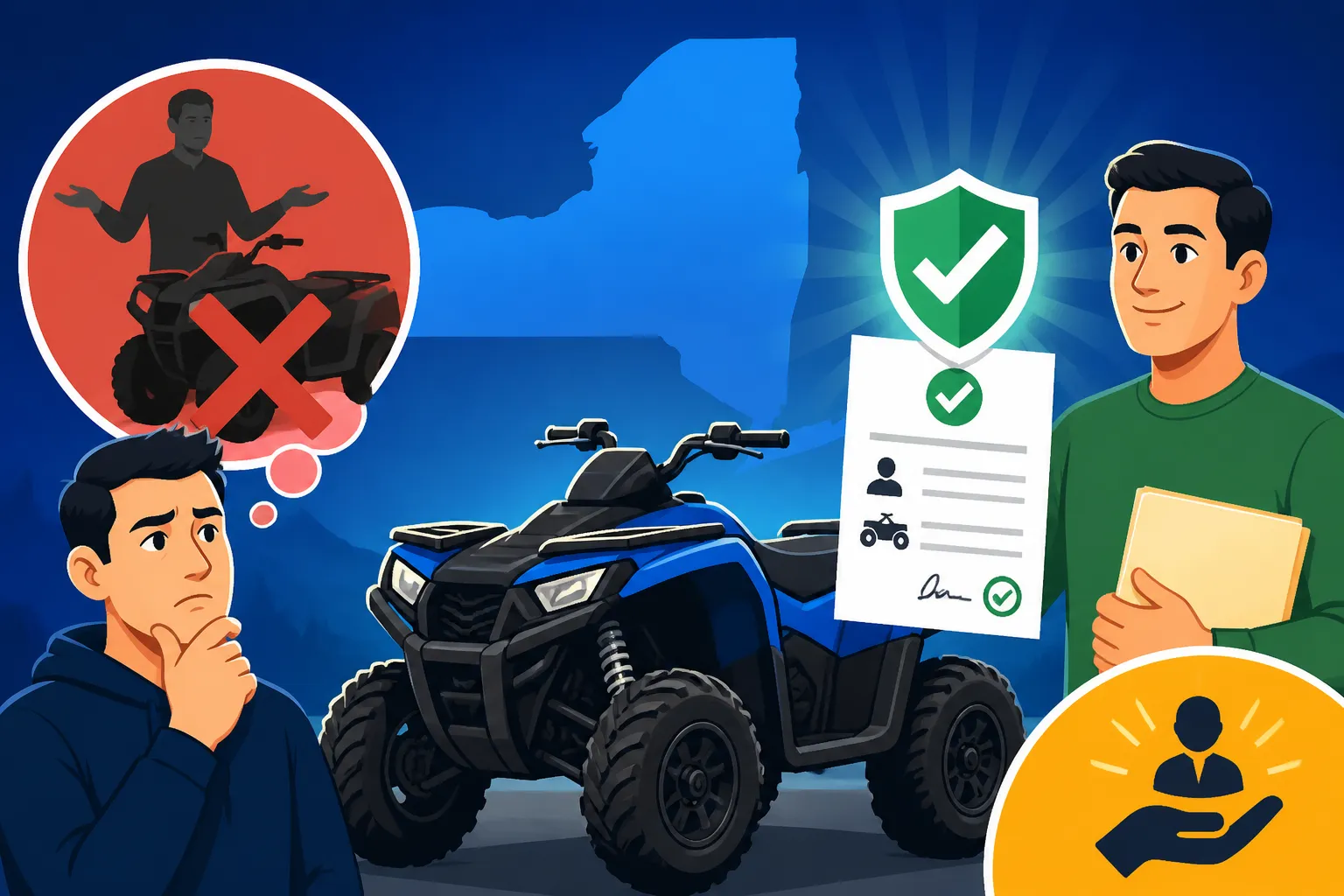
It's a common scenario that can quickly turn into a massive headache: you've just found what seems like the perfect used ATV, the price is right, and you're ready to hit the trails, only to discover the seller has never bothered to register it. Now you're left scratching your head, wondering how on earth you're going to prove it's yours to the New York DMV. This guide will walk you through the essential steps and documents needed to establish ownership when buying an unregistered ATV, ensuring you can get it legally registered and enjoy your ride without unnecessary stress.
Why Proof of Ownership Matters for an Unregistered ATV in New York
When you're dealing with an ATV that has never been registered in New York, you're stepping into a bit of a gray area, primarily because New York does not issue titles for ATVs. This means there isn't a single, universally recognized piece of paper that unequivocally states who owns the machine. While this system can simplify some aspects, it also puts the onus on you, the buyer, to gather enough compelling evidence to satisfy the DMV that you are the rightful owner. Without this proof, your application for registration will hit a roadblock faster than a flat tire on a rocky trail.
The DMV's Need for a Paper Trail
Even without a formal title, the New York Department of Motor Vehicles still needs to establish a clear chain of ownership. They're looking for documentation that shows the ATV's journey from its original sale to the person selling it to you, and then, crucially, from that person to you. This isn't just bureaucratic red tape; it’s a vital safeguard against theft and fraud. Imagine if someone could simply claim an ATV was theirs without any proof. It would be a nightmare for legitimate owners and make it incredibly easy for stolen machines to be laundered through the system. The DMV acts as a gatekeeper, requiring you to present a cohesive narrative of ownership through various documents. They want to be sure that the person you bought it from had the legal right to sell it in the first place.
Avoiding Future Headaches
Securing solid proof of ownership upfront does more than just appease the DMV; it protects you. Without proper documentation, you could find yourself in a sticky situation down the road. What if the seller suddenly claims you never paid, or that the ATV was stolen? What if an old owner, even two or three owners back, decides to claim it was taken from them? These scenarios, while hopefully rare, are real possibilities without a clear paper trail. Having all your ducks in a row ensures that if any dispute arises, you have the evidence to back up your claim. It also makes it easier to sell the ATV yourself in the future, as you'll be able to provide the next buyer with the very same comprehensive proof you collected. Think of it as investing in peace of mind for both your current and future ATV endeavors. You want to make sure your name on the registration is undisputed, allowing you to ride confidently and without lingering legal concerns.
Essential Documents to Collect When Buying an Unregistered ATV
When buying an unregistered ATV in New York, your best defense against future registration woes and ownership disputes is to gather as much documentation as possible at the time of purchase. Since there's no single title document, you're essentially building a case for ownership using a collection of supporting records. The stronger and more complete your collection, the smoother your registration process will be. This isn't just about what the seller gives you; it's also about what you ask for and create during the transaction.
The Importance of a Robust Bill of Sale
A well-crafted bill of sale is the cornerstone of proving ownership for an unregistered ATV. This isn't just a scribble on a napkin; it's a legal document that details the transaction and transfers ownership from the seller to you. For an unregistered machine, this document takes on even greater significance. It needs to be thorough, leaving no room for ambiguity.
Here’s what a robust bill of sale absolutely must include:
- Full Names and Addresses of Both Buyer and Seller: Leave no doubt about who was involved in the transaction.
- Date of Sale: Crucial for establishing the timeline of ownership.
- Detailed Description of the ATV: Include make, model, year, color, and any distinguishing features. The more specific, the better.
- Vehicle Identification Number (VIN): This is paramount. Double-check that the VIN on the bill of sale exactly matches the VIN stamped on the ATV's frame. A discrepancy here can halt your registration cold. You can learn more about this by checking out [Reading a Frame Number Before You Pay].
- Purchase Price: Clearly state the amount paid.
- Signature of Both Buyer and Seller: Both parties must sign, ideally in front of a notary public, though notarization isn't always legally required for the bill of sale itself, it adds a layer of authenticity that the DMV appreciates.
- Statement of "As Is" Sale: While more for the seller's protection, it's a common clause.
- Acknowledgement of No Title: Since New York doesn't title ATVs, it's good practice to include a line stating that no title is being transferred, and that the bill of sale serves as proof of ownership.
Many online resources, like LawDepot, offer customizable bill of sale templates that can help you ensure you cover all these bases. While it might seem like a lot of detail for a private sale, remember, this document is your primary defense for proving legitimate ownership. The New York DMV has specific [New York ATV Bill of Sale Requirements] that you should be familiar with.
Beyond the Bill of Sale: Supporting Evidence
While the bill of sale is crucial, don't stop there. Think of any other documentation or action that can further solidify your claim of ownership. These supplementary pieces of evidence can be incredibly helpful if the DMV has questions or if your bill of sale isn't as robust as it could be.
Consider these supporting documents:
- Canceled Check or Bank Transfer Records: If you paid by check or electronic transfer, a copy of the canceled check or a bank statement showing the transfer serves as undeniable proof of payment and the amount exchanged. This validates the purchase price on your bill of sale.
- Correspondence (Text Messages, Emails): Any written communication between you and the seller discussing the sale, the ATV's condition, the price, or arrangements for pickup can be valuable. Screenshot text exchanges or print out emails. These show intent and agreement surrounding the transaction.
- Photos of the ATV with the Seller (Optional but Helpful): If possible and comfortable for both parties, a photo of you and the seller with the ATV at the time of sale can provide visual proof of the transaction taking place.
- Previous Registration Documents (if any): While the seller might not have registered it, a previous owner might have. If the seller has any old registration cards, even expired ones, they can help establish the chain of custody prior to your purchase.
- Original Purchase Receipt from a Dealer: This is the gold standard for proving the very first transfer of ownership. If the seller happens to have the original dealer receipt, that's incredibly valuable. It will have the VIN and show the machine's initial entry into the market.
- Affidavits or Sworn Statements: In certain situations, particularly if there's a missing link in the ownership chain or if the seller is a friend or family member, a sworn affidavit from the seller (or even a previous owner) attesting to the sale and ownership history can be compelling. We'll delve deeper into this shortly.
The more pieces of the puzzle you can present, the clearer the picture becomes for the DMV. Remember, they're looking for consistency and verifiable information that ties the ATV to you. This diligence in collecting evidence falls under what the DMV looks for in [New York ATV Proof of Ownership Requirements].
| Document Type | Purpose | Importance Level | Notes |
|---|---|---|---|
| Bill of Sale | Primary transfer of ownership | Essential | Must include VIN, buyer/seller info, date, price, and signatures. Notarization highly recommended. |
| Pencil Tracing of VIN | Verifies VIN matches physical machine | Essential | Required by NY DMV. Shows VIN is present and unaltered. |
| Proof of Payment | Confirms financial transaction | High | Canceled checks, bank transfers, money order receipts. Cash payments are harder to prove. |
| Prior Registration | Establishes previous ownership history | High | Even if expired or from another state, it helps establish the chain. |
| Original Dealer Receipt | Shows first sale and original owner | High | Best proof of initial ownership, especially if the ATV was never registered. |
| Affidavit of Ownership | Sworn statement detailing ownership history | Medium | Useful if other documents are missing or ambiguous. Can be customized via services like LawDepot. |
| Seller's Photo ID | Verifies seller's identity | Low | Not usually submitted, but good to have a copy for your records in case of dispute. |
| Emails/Texts | Correspondence regarding the sale | Low | Supplementary proof of intent and agreement. |
What to Do If the Seller Has No Paperwork (Or Minimal Proof)
Sometimes, despite your best efforts, you encounter a seller who genuinely has very little in the way of paperwork. Perhaps they've owned the ATV for decades, bought it off a farm field, or simply lost all their records over the years. This isn't an uncommon scenario with older, unregistered machines. While it adds a layer of complexity, it doesn't necessarily mean you're out of luck. The key is to be proactive and provide the DMV with as much verifiable information as you can, focusing on the ATV itself and the seller's sworn testimony.
Leveraging a Pencil Tracing of the VIN
Even if the seller has no paper trail, the ATV itself has a crucial identifier: the Vehicle Identification Number (VIN). This unique serial number is typically stamped directly into the frame of the machine. The New York DMV often requires a physical "pencil tracing" or photo of this VIN as part of the registration process, especially for non-titled vehicles. This isn't just about reading the number; it's about proving that the VIN is present on the machine, legible, and hasn't been tampered with.
To get a good tracing:
- Locate the VIN: It's usually on the frame near the steering head, on the engine casing, or on a sturdy crossmember.
- Clean the Area: Ensure the VIN is free of dirt, mud, or rust so it's clearly visible.
- Use Paper and Pencil: Place a piece of thin, light-colored paper over the VIN. Gently rub the side of a pencil lead over the paper until the numbers and letters of the VIN transfer onto the paper. It's like making a rubbing of a gravestone.
- Take a Clear Photo: In addition to the tracing, take a very clear, well-lit photograph of the VIN stamped on the frame. This provides a visual confirmation alongside the tracing.
The VIN tracing serves as direct evidence from the machine itself. It helps the DMV verify the ATV's identity and ensures it's not a stolen vehicle trying to slip through the cracks. It's a critical piece of the puzzle, and you can find more detailed instructions on [Why New York Wants a Pencil Tracing of the VIN].
Affidavit of Ownership and Witness Statements
When traditional documents are scarce, an Affidavit of Ownership becomes a powerful tool. This is a sworn, written statement made under oath, typically notarized, where the seller attests to their ownership of the ATV and its transfer to you. It essentially fills the void left by missing receipts or previous registration records.
The affidavit should clearly state:
- The full legal name and address of the seller.
- A declaration that they are the rightful owner of the ATV.
- A detailed description of the ATV (make, model, year, VIN).
- How they came into possession of the ATV (e.g., "purchased from John Doe in 2010," "inherited from my father," "bought new from XYZ dealership").
- A statement that they have sold the ATV to you (your name and address) on a specific date for a specific amount.
- A declaration that the ATV is free of any liens or encumbrances.
- The seller's signature, signed in the presence of a notary public.
Using a service like LawDepot can be incredibly helpful here, as they provide customizable affidavit templates that ensure all the necessary legal language and information are included. This makes it easier for both you and the seller to create a document that the DMV will recognize as legitimate.
Additionally, if there were any witnesses to the sale—perhaps a friend or family member who was present—a separate, notarized witness statement corroborating the transaction can further strengthen your claim. While not always required, these statements add another layer of credibility to your story, showing that the transaction was not a solitary, unverified event.
Seeking Further Verification
Sometimes, even with an affidavit and VIN tracing, you might need to go a step further, especially if the ATV seems unusually cheap or its history feels murky. Before finalizing the purchase, consider these verification steps:
- VIN Check: While New York doesn't title ATVs, their VINs are often still recorded in national databases, particularly if they were involved in an accident or reported stolen in another state. You can often run a VIN check through various online services (some free, some paid) to see if any flags come up. This due diligence is crucial for your protection.
- Contact Previous Owner (If Known): If the seller mentioned a previous owner by name, and you can locate them, a brief conversation to verify the story can be invaluable. They might even have some old paperwork they're willing to share.
- Law Enforcement Inquiry: If you have serious doubts about the legitimacy of the seller or the ATV's origins, you can contact your local law enforcement. They can run the VIN through their systems to check for stolen vehicle reports. This is a last resort, but important if your gut tells you something is off.
Remember, when you're dealing with minimal paperwork, your goal is to create as much verifiable documentation as possible. Be persistent, be thorough, and don't be afraid to ask for more. This upfront effort will save you considerable frustration down the line when you attempt to register your ATV. This entire process falls under the umbrella of [Buying a Used ATV in New York].
Navigating the New York DMV with Your Ownership Proof
You’ve gathered all your documents, painstakingly completed the bill of sale, and perhaps even obtained an affidavit. Now comes the moment of truth: a trip to the New York DMV. This can feel daunting, but being prepared will make all the difference. Remember, the clerks are there to help, but they also have strict rules to follow, especially when dealing with non-standard ownership proof.
Preparing Your Application
Before you even set foot in the DMV, ensure you have all the necessary forms and supporting documents neatly organized. This shows preparedness and can speed up the process.
Here's a checklist of what you'll typically need to bring:
- Form MV-82: This is the main application for vehicle registration and title. Even though ATVs aren't titled, you'll still use this form for registration. Fill it out completely and accurately.
- Form MV-51B: This form is specifically for New York's non-titled vehicles, which includes ATVs. This form is crucial for proving ownership when there isn't a title to transfer. It clarifies why you're registering a machine that doesn't have a title. It's often misunderstood, but essential for ATVs. Learn more by reading [New York's Form MV-51B Explained] and [MV-51B and New York's Non-Titled Vehicles].
- Your Proof of Ownership Documents: This is where all your hard work pays off. Bring your robust bill of sale, the VIN tracing, any affidavits, previous registration cards, dealer receipts, and any other supporting evidence you've collected.
- Proof of Identity: Your New York driver's license or other acceptable forms of identification.
- Proof of New York Residency: A utility bill or other document showing your current address.
- Proof of Insurance: New York requires ATV insurance. You'll need to show proof of coverage from a New York-authorized insurer. Do not even think about heading to the DMV without this.
- Payment for Fees: Be prepared for the registration fee and any other applicable charges.
Having everything in a folder, clearly labeled, will demonstrate your seriousness and preparedness to the DMV clerk. For a comprehensive list, you can refer to [New York ATV Registration Paperwork].
Potential Challenges and How to Address Them
Even with meticulous preparation, you might encounter some unique challenges when registering an unregistered ATV:
- Clerk Unfamiliarity: Some DMV clerks might be less familiar with the specific procedures for non-titled ATVs, especially if they primarily process car registrations. They might initially insist on a "title," which doesn't exist for ATVs.
- Solution: Politely explain that ATVs are non-titled in New York and that Form MV-51B is the correct procedure. Refer them to their own internal guidance if necessary, or ask to speak with a supervisor who might have more experience with ATV registrations.
- Insufficient Proof of Ownership: A clerk might determine that your collected documents don't sufficiently establish the chain of ownership. This is why having multiple supporting documents is so important.
- Solution: If an affidavit is missing, offer to get one. If the VIN tracing isn't clear, ask if you can go back and re-do it. Be ready to explain the narrative of ownership clearly and concisely. If you used a legal document service like LawDepot for your affidavit, mention that it was professionally prepared.
- VIN Issues: If the VIN on your documents doesn't match the tracing, or if the VIN on the ATV appears altered or suspicious, your application will be denied and could trigger a law enforcement investigation.
- Solution: This is why [Reading a Frame Number Before You Pay] is so important. If you suspect an issue, address it with the seller before going to the DMV. If you're already there and a problem is found, cooperate fully with any investigations.
- Sales Tax Questions: The DMV will collect sales tax on your ATV purchase unless an exemption applies. If your bill of sale isn't clear on the purchase price, it can complicate this.
- Solution: Ensure your bill of sale clearly states the purchase price. Be honest about what you paid.
Patience is key. The DMV process can sometimes feel like a test of endurance, but staying calm, being polite, and having all your documentation in order will significantly improve your chances of a successful registration. Ultimately, the goal is to get your machine legally registered so you can enjoy riding it on New York's designated trails. You can find general information on the process in [Registering an ATV in New York] and specifically about [New York ATV Registration Without a Title].
Disclaimer
This article is for general informational purposes only and does not constitute professional advice. Laws, prices and regulations vary by location and change over time. Consult a qualified professional for guidance on your specific situation.