Interstates Closed to New York ATVs
It's a common dream for many ATV and UTV enthusiasts in New York: the idea of just hopping on your machine and heading out on the open road, especially for those longer hauls. But let's get real right away – if you're envisioning cruising down an interstate highway on your quad or side-by-side, you're heading for a rude awakening and a serious citation. This guide is here to explain why interstates are strictly off-limits to ATVs in New York and what your legal, safe alternatives are.
The Clear-Cut Rule: No ATVs on New York Interstates
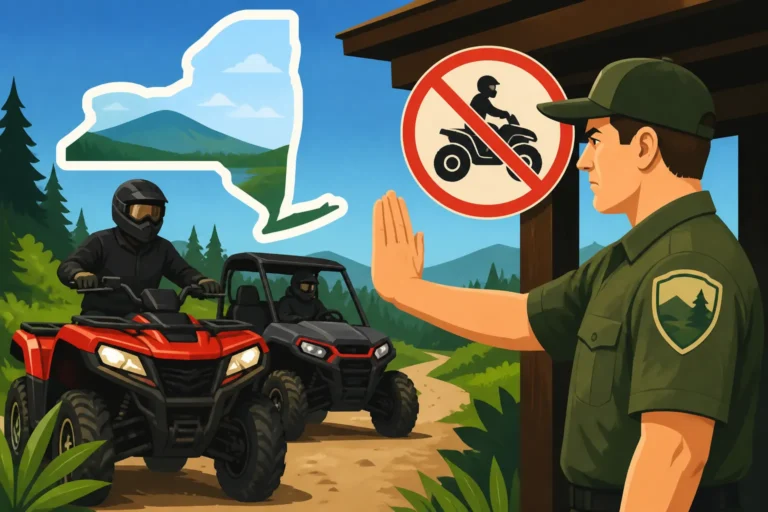
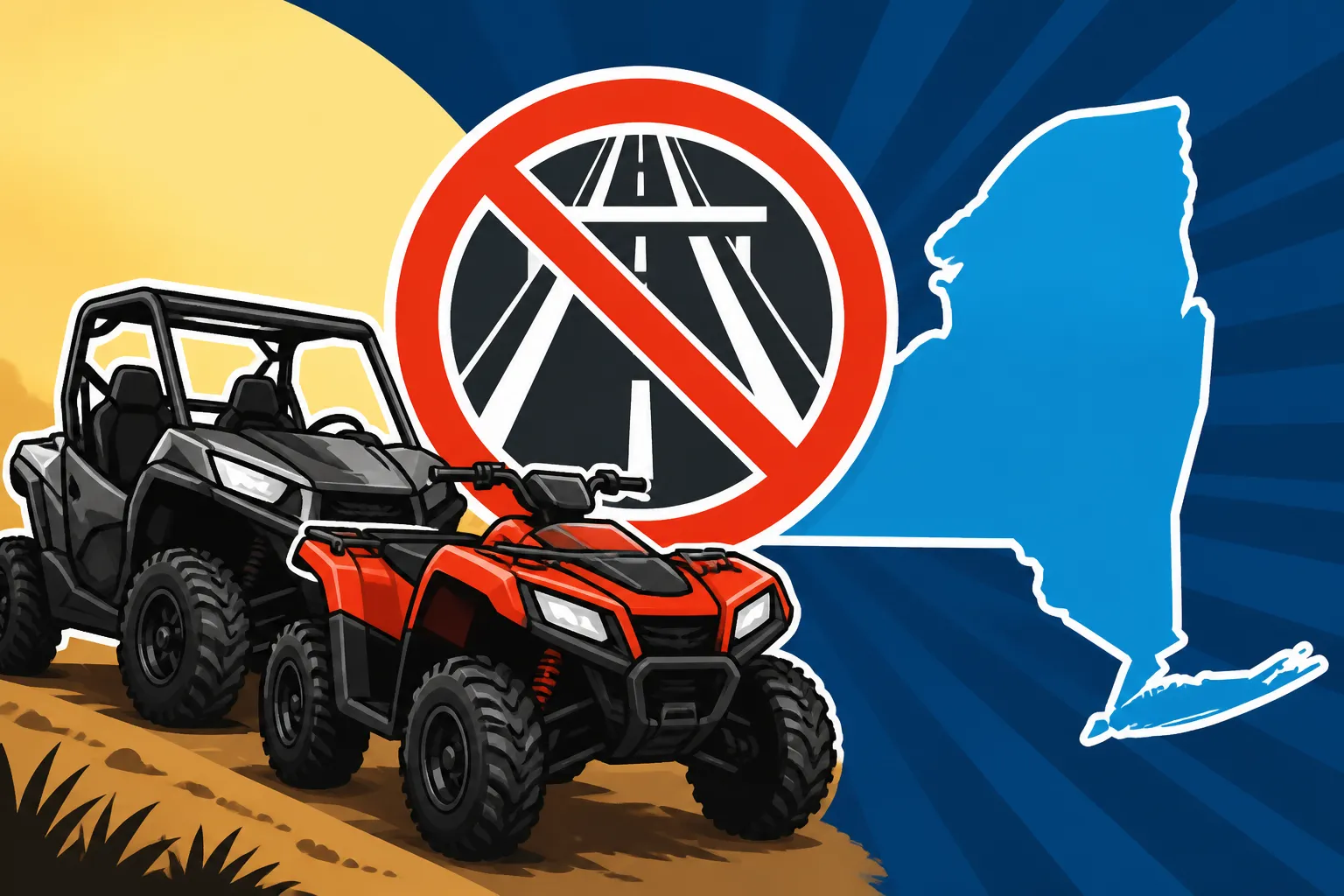
Let's cut to the chase: New York State law is absolutely unequivocal when it comes to riding ATVs on interstates. You simply cannot do it. There's no gray area, no special permit, no loophole you can exploit. Interstates are designed for high-speed, multi-lane traffic, and ATVs, by their very nature and design, are not built for that environment, nor are they legally allowed to operate there.
This isn't just a suggestion; it's a hard and fast rule enforced by state troopers across New York. If you find yourself mistakenly or intentionally on an interstate with your ATV, you're not just risking a ticket; you're risking your life, the lives of others, and facing potentially severe legal consequences. The law views ATVs as off-road vehicles, meant for designated trails and private property, not the asphalt arteries connecting our cities.
Understanding What Constitutes an Interstate Highway
Sometimes, the confusion might stem from not fully grasping what an "interstate highway" actually is. In New York, these are major, controlled-access roadways typically identified by blue and red shield signs with numbers, like I-81, I-90 (the Thruway), I-88, or I-87. These roads are specifically engineered for sustained high-speed travel, often with multiple lanes in each direction, limited entry and exit points, and no cross-traffic at grade.
These aren't your local country roads or even some state routes that might pass through small towns. Interstates are the backbone of long-distance vehicle travel. They connect major metropolitan areas and often extend across state lines, hence the "interstate" designation. Their design prioritizes efficiency and safety for cars, trucks, and other highway-legal vehicles, not for the unique handling characteristics or speed limitations of an ATV.
Why ATVs Are Not Road Legal for Interstates
The primary reasons ATVs are barred from interstates come down to safety, design, and legal classification. ATVs are simply not equipped to handle the demands of highway driving. They lack many of the safety features required for highway vehicles, like crush zones, airbags, and enclosed cabins. Their suspension is designed for uneven terrain, not smooth, high-speed asphalt, which can make them unstable at highway speeds.
Furthermore, ATVs often have a lower top speed compared to cars and trucks, making them a significant hazard on roads where traffic can easily reach 65-75 mph. The speed differential alone creates a dangerous situation, increasing the risk of rear-end collisions. Beyond that, their smaller size makes them less visible to drivers in larger vehicles, especially in blind spots or during changing light conditions. Trying to make an ATV "street legal" for these kinds of roads is a fool's errand; the fundamental design and purpose are incompatible. [Are ATVs Street Legal in New York?] delves deeper into this topic.
The Dangers of Riding an ATV on an Interstate
Even if, by some incredible feat of navigation (or misunderstanding), you found yourself on an interstate with your ATV, the dangers would be immediate and severe. This isn't just about getting caught; it's about putting yourself and every other driver on that highway in extreme peril. The consequences can be devastating, far outweighing any perceived convenience or thrill.
Think about the dynamics: an ATV, weighing maybe 500-1000 pounds, navigating alongside tractor-trailers weighing 80,000 pounds, all moving at speeds that blur the scenery. It's a recipe for disaster.
Speed Differential and Collision Risk
The most obvious danger is the massive speed differential. While some modern ATVs might hit 60-70 mph, they are not designed for sustained speeds like that on pavement. More importantly, even if they could maintain such speeds, their acceleration, braking, and handling characteristics are vastly different from a car. Imagine a car traveling at 65 mph approaching an ATV going 40 mph. The closing speed is 25 mph, meaning the car will cover a lot of ground very quickly, giving the driver minimal time to react, especially if they aren't expecting a slow-moving, low-profile vehicle like an ATV.
This scenario dramatically increases the risk of rear-end collisions, which can be catastrophic at highway speeds. The driver of the car might simply not see the ATV until it's too late, or might misjudge its speed. This is not a situation where a quick swerve or brake can always prevent an accident, especially in heavy traffic or adverse weather.
Lack of Visibility and Protection
ATVs are small, open-air vehicles. They offer virtually no protection in a collision with a passenger car, let alone a large commercial truck. Riders are completely exposed, relying only on their helmet and protective gear. While a helmet is crucial for ATV riding, it's designed for impacts at trail speeds, not for the forces involved in a highway-speed crash. [New York Helmet Law for ATV Riders] outlines the state's requirements.
Beyond protection, visibility is a huge concern. ATVs sit low to the ground, making them harder to spot in rearview mirrors, especially for drivers of high-riding trucks or SUVs. Their lights, while effective for off-road use, may not be bright enough or positioned correctly to command attention on a bustling highway, particularly at dawn, dusk, or night. A car might not see an ATV until it's directly in front of it, leaving no time to avoid an impact.
Enforcement and Penalties for Interstate ATV Use
The laws regarding ATVs on interstates are not loosely enforced. Law enforcement, particularly the New York State Police, are highly vigilant about keeping these vehicles off high-speed roadways. They understand the severe safety risks involved and will act swiftly when they spot an ATV where it shouldn't be. The penalties for such an infraction can be substantial, going far beyond a simple traffic ticket.
It’s not just a slap on the wrist. You could be looking at significant fines, points on your driver's license (even if you weren't driving a registered vehicle), and potentially having your ATV impounded.
Fines and Legal Consequences
Riding an ATV on an interstate in New York can lead to several violations, each carrying its own set of fines. You could be cited for operating an unregistered vehicle, operating an uninsured vehicle, operating an ATV on a public highway not designated for such use, and potentially reckless endangerment depending on the circumstances. [New York Fines for an Unregistered ATV] covers more details on penalties for lack of registration.
The fines for these violations can quickly add up, easily running into hundreds, if not thousands, of dollars. Beyond the immediate financial hit, there could be court appearances, administrative fees, and an increase in your vehicle insurance premiums (even for your car, as these offenses can impact your overall driving record). In severe cases, especially if an accident occurs, you could face criminal charges. It's simply not worth the risk.
Vehicle Impoundment and Recovery Costs
One of the most immediate and frustrating consequences of riding your ATV on an interstate is the very high likelihood of it being impounded. When law enforcement encounters an ATV on a major highway, they often view it as an extreme safety hazard that needs to be removed from the road immediately. This means your machine will be towed away, often to a state police impound lot or a contracted towing facility.
Recovering your impounded ATV isn't a simple process. You'll likely need to pay towing fees, storage fees (which accrue daily), and any outstanding fines before your machine is released. These costs can quickly escalate, turning a joyride into an incredibly expensive ordeal. Imagine having to call a friend with a truck and trailer, paying hundreds in fees, all because you took your quad where it didn't belong. It’s a huge headache and a significant financial burden.
Where ATVs Can Legally Be Ridden in New York
So, if interstates are completely off-limits, where can you actually ride your ATV in New York? The good news is that New York State has a growing network of legal trails and designated riding areas. The key is to understand that ATVs are considered off-road vehicles, and their use on public lands is generally restricted to areas specifically designated and posted for their use.
This means doing a bit of homework before you load up the trailer. Don't just assume a dirt road or a wooded path is fair game. Always confirm the legality of your riding spot to avoid trespassing or getting a ticket.
Designated ATV Trails and Parks
New York is home to several fantastic designated ATV trail systems and parks that offer legal and exciting riding opportunities. Places like the Lewis County ATV Trail System are well-known havens for riders, offering hundreds of miles of diverse terrain suitable for all skill levels. These trails are maintained, signed, and managed, providing a safe and enjoyable environment. [The Lewis County ATV Trail System in New York] gives a great overview of one such resource.
Other areas, often managed by local clubs or private entities, also provide designated riding. For example, Tall Pines ATV Park in Andover offers miles of trails on private land. These parks and trail systems require permits or membership, which helps fund their maintenance and ensure their continued operation. Always check the specific rules and requirements for each location before you go, including any age or safety certificate requirements. You'll often find that the trails are clearly marked, and maps are available, sometimes even digitally through apps. [Best Places to Ride an ATV in New York] offers a broader look.
Private Land with Permission
Riding on private land is another excellent option, provided you have explicit permission from the landowner. This is a common practice for many riders, especially those with larger properties or who have connections with landowners willing to grant access. Always ensure this permission is clear and, ideally, in writing, to avoid any misunderstandings or accusations of trespassing.
When riding on private land, you still need to adhere to general ATV safety rules, including wearing a helmet and operating your machine responsibly. Even on private property, operating under the influence or in a reckless manner can still lead to legal trouble. Respecting the land, staying on designated paths, and closing gates are crucial for maintaining good relationships with landowners and ensuring future access. For equipping your machine for rugged private land or trail use, brands like SuperATV offer heavy-duty skid plates and protective gear that can be invaluable. [New York Rules for Riding Private Land] explains the nuances.
Limited Road Crossings and Designated Public Roads
While interstates are a definite no, there are very specific and limited circumstances where an ATV might encounter a public road. New York law allows for the crossing of certain public highways, typically at a right angle, after coming to a complete stop, and when it's safe to do so. These crossings are generally meant to connect two legal off-road segments, not for extended travel on the road itself. [New York Rules for Crossing a Public Road] clarifies these rules in detail.
Additionally, some towns or counties might designate specific, usually low-traffic, public roads as open for ATV use. These roads will always be clearly posted with signs indicating they are open to ATVs. This is not common for high-speed state routes and almost never applies to major arteries. If you see a road that isn't clearly posted for ATV use, assume it is closed to your machine. Always check local ordinances and maps before attempting to ride any public road, even briefly.
What to Do Instead of Riding on Interstates
Instead of dreaming about illegal interstate rides, shift your focus to the many legal and genuinely exciting opportunities available for ATV and UTV riders in New York. The experience of riding on a designated trail system is vastly different from road riding, offering challenges, scenery, and camaraderie that you simply won't find on a highway.
Embrace the off-road spirit! Equip your machine for the terrain it was built for, and explore the natural beauty New York has to offer.
Plan Your Trips on Designated Trail Networks
The best way to enjoy your ATV or UTV in New York is to plan your trips around designated trail networks. Start by researching county trail systems, like Lewis County, or private parks such as Tall Pines. Look for their websites, social media, or local tourism boards for up-to-date information on trail conditions, openings, and permit requirements. Many of these organizations provide excellent maps and even GPS files to help you navigate.
Consider joining a local ATV club. Clubs are often instrumental in maintaining trails, advocating for rider rights, and organizing group rides. Membership often comes with benefits, like discounted trail permits or access to members-only trails. Plus, you'll meet fellow enthusiasts who can share their knowledge of the best local spots and riding tips.
Ensure Your ATV is Properly Registered and Insured
Before you even think about hitting a legal trail, make absolutely certain your ATV is properly registered with the New York DMV and that you have the mandatory insurance coverage. An unregistered or uninsured ATV can lead to significant fines, even on private property if you're involved in an incident. [Registering an ATV in New York] and [New York ATV Insurance Requirement] are critical reads to ensure you're compliant.
Always carry your registration and proof of insurance with you when you ride. Law enforcement or trail officials may ask to see these documents, and having them readily available will make any interaction smooth. It’s also wise to check the expiration dates of your registration and insurance regularly to avoid any lapses.
Get Your ATV Safety Certificate if Needed
For younger riders, or if you plan to supervise a younger rider, understanding the New York ATV Safety Certificate requirements is crucial. Riders under the age of 16 often need to complete a state-approved safety course and obtain a certificate to ride on public lands or trails. This course teaches essential safety practices, riding techniques, and New York's specific ATV laws. [New York ATV Safety Certificate Requirements] explains who needs one and how to get it.
Even if you're an experienced adult rider and not legally required to take a course, consider it. These courses can refresh your knowledge, introduce you to new safety concepts, and make you a more responsible and aware rider. Safety is paramount when operating an ATV, and education is a powerful tool to prevent accidents and injuries.
Table: Permissible ATV Use on New York Roadways
To help clarify where you can and cannot ride, here's a quick reference table. Remember, this is a general guide; always check specific local ordinances and trail rules.
| Road Type | ATV Legality in New York | Notes |
|---|---|---|
| Interstate Highways | Absolutely Forbidden | No exceptions. Illegal and extremely dangerous due to high speeds, traffic volume, and lack of ATV protection/visibility. |
| State Routes (e.g., NY-12, NY-3) | Generally Forbidden | Unless specifically designated and posted by the state, which is rare. Limited cross-traffic, but still high speed. Use only for direct right-angle crossings of a single lane, if necessary to access legal trails. |
| County Roads | Generally Forbidden | Some counties may designate specific low-traffic roads or sections for ATV use, but these must be clearly posted. Always check county ordinances. |
| Town Roads | Generally Forbidden | Similar to county roads. Towns can pass local laws to designate certain roads for ATVs, but these must be explicitly posted. Often applies to very rural, unpaved roads. Always verify with the town clerk or local law enforcement. |
| Private Roads/Driveways | Permitted with Permission | On private property, with explicit landowner permission. Still requires safe operation and adherence to helmet/age laws if applicable. |
| Designated ATV Trails | Permitted | The primary and safest place to ride. These are maintained, marked trails on public or private land (often managed by clubs or counties) that are explicitly open to ATVs. Requires appropriate permits, registration, and insurance. |
| Agricultural Roads | Limited Permitted Use | For agricultural purposes only, on private farm property. Not for recreational riding on public agricultural roads unless designated. [The Agricultural Exemption in New York] clarifies this. |
The takeaway here is clear: save the asphalt for your truck and trailer, and save your ATV for the dirt and mud. New York has incredible off-road opportunities, but they require you to follow the rules and ride in designated areas. It's about respecting the law, ensuring your safety, and preserving access for all responsible riders.
Disclaimer
This article is for general informational purposes only and does not constitute professional advice. Laws, prices and regulations vary by location and change over time. Consult a qualified professional for guidance on your specific situation.