Checking Your Town’s ATV Ordinance Before You Ride
You've got your ATV registered, your helmet on, and you're ready to hit some trails or perhaps even cross a local road, only to be hit with that nagging uncertainty: "Am I actually allowed to ride here?" New York's state laws provide a crucial framework, but the truth is, your local town or village can (and often does) have its own unique set of rules, creating a real headache for riders. This guide is all about cutting through that confusion, showing you exactly why and how to check your town's ATV ordinance before you ever turn the key, ensuring your rides are legal and worry-free.
Why Local Ordinances Matter More Than You Think
It’s easy to assume that once you’ve squared away your state registration and insurance, you’re good to go anywhere an ATV is generally permitted. However, New York State law explicitly grants towns, cities, and villages the power to regulate ATV operation within their boundaries. This means that while a general state law might permit certain activities, a local ordinance can impose stricter limits, designate specific routes, or even outright prohibit riding in certain areas. This patchwork of rules can be incredibly frustrating for riders who just want clear, consistent guidelines. You might be perfectly legal one mile down the road, and unknowingly breaking a local law the next.
Think of it this way: the state sets the minimum bar, but local governments can raise it, or even add new hurdles. This often happens because each community has its own concerns—noise complaints, property damage, environmental protection, or traffic safety on specific roads. A quiet residential village might have very different priorities from a rural town with vast expanses of private land. Ignoring these local variations isn't just a minor oversight; it can lead to significant legal trouble and give all ATV riders a bad name. Understanding this dynamic is the first step toward becoming a responsible and well-informed rider in New York. We cover [New York Rules for Riding a Town Road] in detail, but keep in mind that local rules can add another layer.
The Frustration of Patchwork Rules
For many of us who love to ride, the varying local ordinances are a constant source of anxiety. You might plan a scenic route that crosses several town lines, only to realize halfway through that you have no idea if the rules change from one jurisdiction to the next. This isn't just theoretical; it's a real-world problem that can turn a fun day out into a stressful navigation of legal uncertainties. One town might have explicitly designated and posted roads for ATVs, while the very next town has a blanket ban on all public roads. This lack of uniformity means that being a responsible rider requires more than just knowing state law; it demands diligent local research for every area you plan to traverse.
This frustration is particularly acute for those who trailer their machines to different riding spots across the state. A rider accustomed to the extensive trail systems in Lewis County, which has a comprehensive [Lewis County ATV Trail Permit Cost and Rules], might inadvertently violate local restrictions in a smaller, less ATV-friendly municipality. It’s not about intentionally breaking rules, but about the sheer difficulty of keeping track of every nuance. This complexity is why a proactive approach to checking local ordinances is not just recommended, but essential for peace of mind and legal compliance.
How Local Rules Interact with State Law
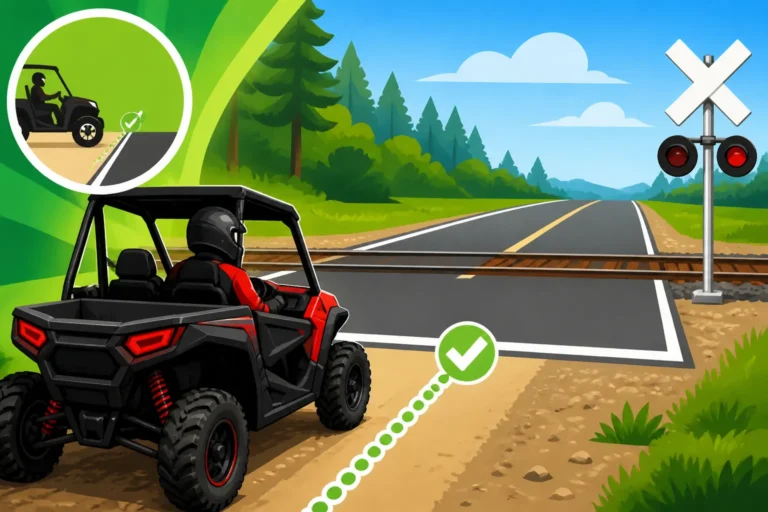
It’s a common misconception that if state law allows something, local law cannot forbid it. In the context of ATVs and roads in New York, this isn't necessarily true. While towns cannot enact laws that directly contradict a state statute (for instance, they can't say you don't need a helmet if the state says you do), they can pass ordinances that are more restrictive. For example, the state might generally permit ATVs to cross highways at ninety degrees after stopping, but a town might have an ordinance that prohibits ATVs on any town-maintained road, effectively making even such a crossing illegal within its jurisdiction. This means you need to look at both layers of regulation.
These local ordinances often dictate specific parameters for ATV use, such as hours of operation, noise levels, and which particular roads, if any, are open to these machines. Even if you're riding on private land, some towns may have noise ordinances that indirectly affect your riding times, especially near residential areas. The burden is truly on the rider to understand the specific rules of the road—or non-road—they intend to use. This makes consulting your town or village clerk not just a suggestion, but a necessity before you consider riding anywhere other than your own isolated property. It is important to know [New York Rules for Riding a Town Road] but also [New York Rules for Riding a Village Street].
How to Research Your Town's Specific ATV Rules
Now that we understand why it's so important, let's talk about the how. Digging up local ATV ordinances might sound like a bureaucratic nightmare, and sometimes it can feel that way, but with a bit of persistence, you can usually find the information you need. The key is knowing where to look and what questions to ask. Don't rely on hearsay or what a buddy said about "how they do things around here." Get the official word. This systematic approach can save you a lot of grief, expense, and potential legal trouble.
The first step is always to identify the specific municipality you're interested in. Are you riding in a town, a village, or within city limits? This distinction matters, as each has its own legislative body and typically its own set of ordinances. Once you've pinpointed the correct governmental entity, you can start your targeted research. Sometimes, simply knowing the name of the town isn't enough; you might be in a village within a town, and both could have relevant rules. It's crucial to be precise to get accurate information.
Your Local Clerk's Office: The Best Starting Point
The absolute best place to start your quest for local ATV ordinances is the Town, Village, or City Clerk's office. These individuals are the custodians of all local laws and resolutions. They are legally mandated to keep these records accessible to the public, though the ease of access can vary. You can often find their contact information and office hours on the municipality's official website.
When you contact the clerk, be clear and specific with your request. You might say, "I'm looking for any ordinances or local laws pertaining to the operation of All-Terrain Vehicles (ATVs) or Off-Highway Vehicles (OHVs) within the town/village of [Your Town/Village Name]." Be prepared to explain what an ATV is, as sometimes the terminology isn't universally understood, especially in smaller offices. They might refer to them as "snowmobiles," "recreational vehicles," or simply "off-road vehicles." Ask for a copy of the specific ordinance, not just a verbal summary. Many clerks can email you a PDF or direct you to an online portal where these laws are published. Be polite and persistent, and remember they are there to help.
Navigating Municipal Websites and Online Code Libraries
In our digital age, many New York municipalities are making their local laws and ordinances available online. This is often the quickest and most convenient way to access the information. Look for sections like "Town Code," "Village Ordinances," "Local Laws," or "Government Documents" on the official municipal website. Once there, you can often use a search function to look for keywords like "ATV," "all-terrain vehicle," "off-highway," or "recreational vehicle." However, be aware that website search functions aren't always perfect, and sometimes the phrasing in the legal text might be slightly different from what you expect.
Some towns use third-party platforms to host their municipal code, such as eCode360 or General Code. These platforms can be very user-friendly, offering comprehensive search capabilities and easy navigation. If you can't find anything directly on your town's website, try a web search for "[Town Name] municipal code" or "[Town Name] local laws." Just be sure you're always on an official government or recognized legal platform, not a private forum or outdated site, to ensure the information is current and accurate. Sometimes these online resources can help you understand [How a New York Town Designates a Road].
What to Do If You Can't Find Clear Information
It's entirely possible that after checking the clerk's office and the municipal website, you still feel uncertain, or perhaps even find conflicting information. This is where patience and a slightly different approach come in handy. If the clerk couldn't provide a definitive answer, or if the online code is vague, consider contacting your local law enforcement agency – the town police, county sheriff's department, or even the State Police detachment responsible for that area. While they are not the custodians of the laws, they are the ones who enforce them, and they often have practical knowledge of local ATV regulations.
When speaking with law enforcement, frame your questions respectfully, explaining that you're trying to be a responsible rider and ensure compliance. Ask them directly: "Are ATVs permitted on any public roads or town property in [Town Name]? If so, are there specific hours or routes?" Keep in mind that their primary role is enforcement, so they might not have every nuance of every ordinance memorized, but they can usually tell you what constitutes a common violation. Sometimes, if there's no specific ordinance, it means state law prevails, which may still prohibit riding on most public roads in New York. A proactive check can prevent [New York Fines for an Unregistered ATV] or other riding violations.
Common Restrictions You Might Encounter in New York Town Ordinances
Even without a specific mention of ATVs, many general municipal ordinances can impact your riding plans. Understanding the types of restrictions towns commonly impose can help you anticipate potential issues and conduct more effective research. It's not always a straightforward "yes" or "no" to riding; often, it's a "yes, but…"
New York municipalities have broad authority to regulate public safety, noise, and land use. This means that even if a town doesn't have an "ATV ordinance" per se, it might have noise ordinances, traffic codes, or park regulations that effectively limit or prohibit ATV use. For instance, a general prohibition on motor vehicles in town parks would naturally apply to ATVs, even if ATVs aren't singled out by name. Always read the fine print, and consider the spirit of the law, not just the exact wording.
Designated Roads and Trails
Many towns that do permit ATVs on public lands or roads will designate specific routes. This is often done to minimize impact on residential areas, protect sensitive environments, or direct traffic to less-traveled roads. You might find that ATVs are allowed on certain unpaved town roads, often marked with signs, but strictly prohibited on paved roads or within residential zones. This selective allowance aims to balance recreational opportunities with community peace and safety. [New York Roads Designated for ATVs] are sometimes designated by towns, not just counties or the state.
If a town has designated routes, it's crucial to stick to them. Veering off a designated path onto a prohibited road, even if it looks like a shortcut or an innocuous trail, can lead to tickets and other penalties. These designated routes are often established in cooperation with local ATV clubs or landowner agreements, so respecting them is vital for maintaining good relationships and keeping those riding opportunities open. Always look for official signage; if it’s not clearly marked as open for ATVs, assume it’s closed.
Hours of Operation and Noise Regulations
Noise is a significant concern for many communities, and ATVs can be loud. Because of this, many town ordinances include restrictions on hours of operation, especially in areas near homes. You might find prohibitions on riding before a certain time in the morning (e.g., 8:00 AM) or after a certain time at night (e.g., 9:00 PM). These rules are often aimed at preventing disturbances to residents during quiet hours. If your machine is equipped with aftermarket accessories, perhaps from a brand like SuperATV, always ensure any exhaust modifications comply with local noise regulations.
Beyond specific hours, some towns may also have general noise ordinances that apply to all motor vehicles. While state law addresses [New York ATV Muffler Requirements], local rules can supplement or clarify these. Even if you have a legal muffler, continuous loud operation in a residential area could still be considered a nuisance under a local ordinance. Be mindful of your noise footprint, especially when passing homes, to avoid complaints that could lead to stricter regulations for all riders. Remember, [New York Rules for Riding Near a House at Night] extends to noise considerations.
Equipment Requirements and Size Limitations
While New York State law sets general equipment requirements for ATVs, local ordinances can sometimes add their own specific rules. This is less common than designated routes or noise restrictions, but it's worth checking. For example, a town might have specific requirements for lights if riding after dusk, beyond what the state mandates. They might also define how a machine should be equipped if it's operating on a designated public road. When you consider purchasing upgrades or parts, say, from SuperATV, always keep these local variations in mind.
More importantly, towns often adhere to the state's definition of an ATV, which includes width and weight limits. This is particularly relevant when considering larger machines like side-by-sides. If a town opens its roads to "ATVs," that usually implies machines that meet the state's [New York ATV Width Limit for Registration] and [New York ATV Weight Limit for Registration] — typically 70 inches wide and 1,000 pounds dry weight. Larger UTVs often exceed these limits and would therefore not be covered by such ordinances, meaning they would remain prohibited even if smaller ATVs are allowed. This is a critical distinction that many riders overlook, leading to unintended violations.
Private Property and Landowner Permissions
Even if a town has no specific ATV ordinance, local general trespass laws are always in effect. Many town ordinances also reinforce the need for explicit [Landowner Consent on New York Private Land] before riding on any non-public property. Just because a field looks open doesn't mean you have permission to ride it. Some towns might require written permission from landowners, not just verbal, to prove you're not trespassing. Always secure permission before venturing onto private land.
This is especially true for trails that might cross multiple private parcels. What was once a commonly used path might have changed ownership, or a new landowner might have decided to revoke permission. Relying on old assumptions can lead to confrontation with landowners, calls to local authorities, and potentially trespass charges. Being proactive and respectful by asking for and obtaining permission is not just good etiquette; it's a legal safeguard that helps maintain positive relationships between riders and the community.
What Happens If You Don't Check and How to Stay Compliant
Ignoring local ATV ordinances is like playing Russian roulette with your riding privileges. The consequences can range from minor inconveniences to significant legal and financial burdens. It's not just about avoiding a ticket; it's about preserving access for all responsible riders and avoiding unnecessary conflicts with local residents and authorities. Many riders learn this lesson the hard way, often after a fun ride takes an unexpected turn into legal trouble.
The best defense is a good offense: proactive research. By taking the time to understand the local rules before you ride, you eliminate uncertainty and dramatically reduce your risk. This commitment to compliance not only protects you but also strengthens the reputation of the ATV riding community as a whole. When riders consistently demonstrate respect for local laws, it builds trust and can even lead to more riding opportunities in the future.
The Consequences of Non-Compliance
Riding where you shouldn't be can lead to a variety of penalties. The most immediate is often a traffic ticket or a summons, which can carry substantial fines. [New York Fines for an ATV Violation] can quickly add up, turning a leisurely ride into an expensive mistake. Beyond the monetary cost, you might also face having your ATV impounded, requiring you to pay towing and storage fees in addition to the fine. This can be a major headache, especially if you're far from home.
In more serious cases, or for repeat offenses, you could face misdemeanor charges, which might include court appearances, higher fines, and even potential suspension of your ATV registration or driving privileges. Furthermore, if you cause any property damage while riding unlawfully, you'll be held civilly liable, meaning you could be sued for the cost of repairs or restoration. These are all outcomes that can be easily avoided by simply doing your homework beforehand. It's much cheaper and less stressful to spend an hour researching than to deal with the fallout of a violation.
Ensuring You're Always Legal: A Rider's Checklist
To make sure your rides are always above board, here's a simple checklist to follow before venturing out:
- Identify Your Location: Clearly determine the town, village, or city where you plan to ride. If crossing municipal lines, identify all relevant jurisdictions.
- Consult the Clerk: Contact the relevant municipal clerk's office for current ATV ordinances. Ask for specific legal document references or copies.
- Check Online Resources: Search the official municipal website and any associated code libraries for "ATV," "off-road vehicle," or "recreational vehicle" ordinances.
- Review the State Law: Be familiar with general [New York ATV Rules for Riding a Town Road] and [New York ATV Rules for Riding a Village Street] which apply unless a stricter local law is in place.
- Look for Signage: On the ground, always obey posted signs indicating permitted or prohibited ATV use. "No Trespassing" signs apply to ATVs just like any other vehicle.
- Verify Private Land Permission: If riding on private property, ensure you have explicit, current, and ideally written permission from the landowner.
- Inspect Your Machine: Ensure your ATV meets all state and local equipment requirements (muffler, lights, width, weight, etc.). Using quality parts, perhaps from SuperATV, is great for performance, but they must meet legal specs too.
- Carry Proof: Always have your ATV registration, insurance card, and any required safety certificates or permits (like those needed for [Lewis County ATV Trail Permit Cost and Rules]) with you when riding.
| Research Method | Pros | Cons | What to Look For |
|---|---|---|---|
| Municipal Clerk's Office | Official, current information; direct answers from staff | May require in-person visit or phone call; staff availability | Specific ATV/OHV ordinances, designated roads, time limits |
| Official Town Website | Convenient 24/7 access; often searchable code libraries | Search functions can be finicky; website may be outdated | "Local Laws," "Ordinances," "Traffic Code" sections |
| Local Law Enforcement | Practical understanding of enforcement; can clarify ambiguities | Not official legal advice; may not know every detail | Common violations, permitted routes, general riding areas |
| Local ATV Clubs | Knowledge of local trails and agreements; community insights | Information may be unofficial; focus on club-managed areas | Landowner agreements, club-specific rules, suggested routes |
The Importance of Good Rider Etiquette
Beyond legal compliance, good rider etiquette plays a huge role in maintaining and expanding access for ATVs. When riders are respectful of noise levels, stay on designated paths, and are courteous to other trail users and residents, it fosters a positive image. Conversely, a few bad actors can quickly lead to widespread bans and negative public perception, making it harder for everyone to find places to ride.
Think about how you present yourself and your machine. If you've accessorized your quad with robust parts from SuperATV, that's fantastic, but remember that the impression you make while riding is equally important. Keep your speed appropriate for the area, avoid excessive mudslinging near roads or homes, and always yield to hikers, horses, and mountain bikers on multi-use trails. These actions, combined with rigorous adherence to local ordinances, are the best way to ensure the future of ATV riding in New York.
Disclaimer
This article is for general informational purposes only and does not constitute professional advice. Laws, prices and regulations vary by location and change over time. Consult a qualified professional for guidance on your specific situation.