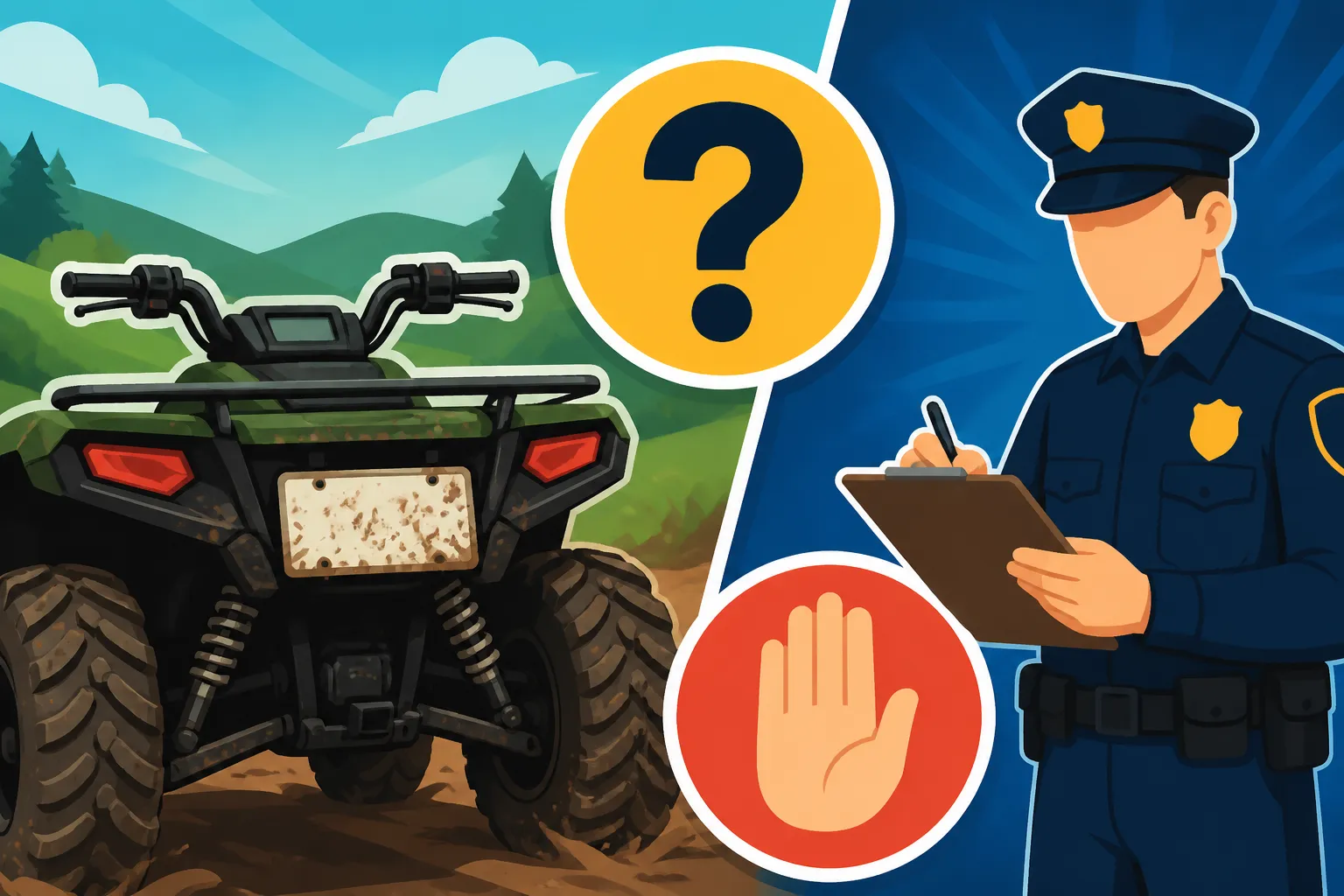
Can You Be Ticketed for an Unreadable ATV Plate?
There's nothing quite like the feeling of hitting the trails on your ATV, kicking up some mud, and enjoying the freedom that comes with it. But in all that excitement, it’s easy to overlook the small details, like the condition of your ATV's registration plate. Many riders don't realize that a plate that's obscured, bent, or simply too dirty to read can actually land you in hot water with law enforcement. This guide will walk you through why an unreadable ATV plate is a bigger deal than you might think, the potential tickets and frustrations that come with it, and how to keep your plate clear and your rides worry-free in New York.
The Purpose of Your ATV Plate in New York
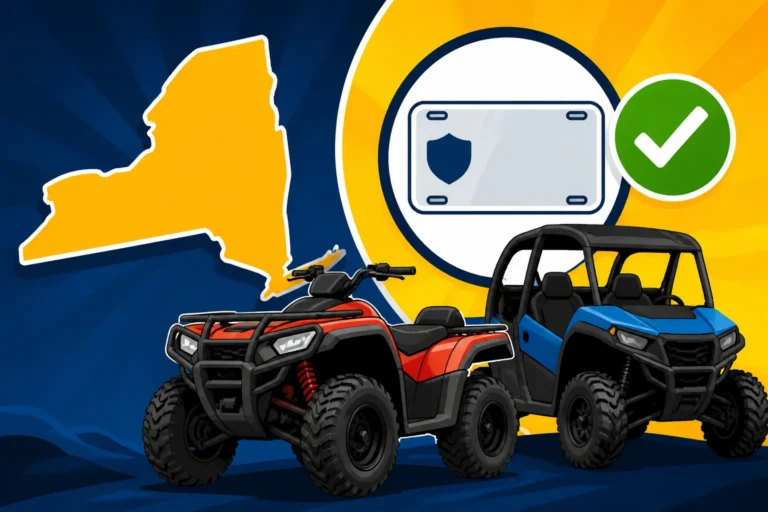
Think of your ATV plate not just as a piece of metal, but as its official identity card. It’s what connects your machine to you, the registered owner, and helps ensure everyone is playing by the rules on New York’s trails. When that plate becomes unreadable, it breaks that vital connection, creating issues that go beyond a simple aesthetic concern.
More Than Just a Number
In New York, your ATV plate serves several crucial functions. First and foremost, it's for identification. Just like a license plate on a car, it allows law enforcement, trail administrators, and even concerned citizens to identify who owns and is operating a specific machine. This is absolutely critical for public safety, especially in emergencies or if an incident occurs on a shared trail. Imagine a situation where an ATV is involved in an accident, or perhaps there's a hit-and-run on a snowmobile corridor. If that plate is unreadable, it makes tracking down the responsible party incredibly difficult, hindering investigations and potentially leaving victims without recourse.
Beyond emergencies, the plate is also a key tool for enforcement. New York has specific rules about where and how you can ride an ATV, including mandates for insurance and proper registration. An officer needs to be able to quickly and clearly read your plate to verify your registration status and ensure you're in compliance. If they can't, it immediately raises a red flag, making their job harder and potentially making your day a lot more complicated. It’s not about being nosey; it’s about maintaining order and safety on public and private lands where ATVs are permitted. Without clear identification, the entire system for regulating ATV use in the state becomes compromised.
Connecting to Your Registration
Your ATV plate is the physical manifestation of your machine's registration with the New York Department of Motor Vehicles. Each plate has a unique combination of letters and numbers that corresponds directly to the registration information on file for your specific ATV. This record includes your name, address, and details about the machine itself. When an officer pulls you over or checks your machine at a trail entrance, they'll typically run that plate number to confirm that your registration is current and valid. [New York ATV Registration and Insurance Proof] is something you'll always want to have on hand, but the plate is the first line of verification.
If your plate is unreadable, that direct link is broken. An officer trying to look up your information might not be able to get a clear read, leading to a "no match" in their system. This immediately creates a suspicion that your machine might not be registered at all, or worse, that you're attempting to evade identification. Even if you have all your paperwork perfectly in order in your pocket, the inability to verify the plate number quickly and efficiently can cause significant delays and unnecessary scrutiny. It essentially forces law enforcement to treat your situation as if you might be operating an unregistered machine, which carries its own set of much more severe consequences. Trust me, you don't want to get into a discussion about [New York Fines for an Unregistered ATV] if your registration is actually perfectly valid, simply because your plate was obscured.
What Makes an ATV Plate "Unreadable" in New York?
So, what exactly counts as "unreadable" in the eyes of New York law enforcement? It’s not just about being pristine; it’s about legibility. The rough and tumble nature of ATV riding often means plates take a beating, but there's a line between a well-used plate and one that's causing issues.
Common Causes of Damage
The most common culprit, and perhaps the most forgivable in an officer's eyes, is simply mud and debris. We ride ATVs to get dirty, right? Kicking up mud, splashing through puddles, and navigating dusty trails are all part of the fun. But if your plate becomes so caked in mud, dirt, or even snow and ice that the numbers and letters are completely obscured, it's considered unreadable. A freshly mud-caked plate after a particularly wet section of trail might earn you a warning if you offer to clean it, but a plate that's been consistently ignored will be seen differently.
Beyond nature's grime, physical damage is another frequent offender. ATV plates are often mounted in somewhat exposed locations on the rear of the machine, making them susceptible to impacts. A low-speed tip-over on a rocky climb, a branch whipping back on a tight trail, or even backing into something while loading onto a trailer can bend, crack, or tear your plate. Once the metal is distorted, or paint flakes off, the numbers can become impossible to decipher. Fading due to sun exposure or age can also render a plate unreadable over time, especially if the reflective coating has worn thin. Even if the damage wasn't intentional, the effect on legibility is the same.
Intentional Versus Unintentional Obscurement
There's a significant difference in how law enforcement perceives an unreadable plate based on whether the obscurement appears intentional or unintentional. If your plate is caked in mud because you've just ridden through a glorious, gooey swamp, an officer might be more understanding – especially if you show a willingness to clean it immediately. It’s clear that the mud is a byproduct of the activity, not an attempt to hide your identity.
However, if an officer observes a plate that seems deliberately obscured, perhaps with tape, a piece of cloth, or even heavily tinted plastic covers, the situation changes dramatically. Intentional obscurement is viewed much more seriously, as it suggests an active effort to evade identification or conceal illegal activity. This could elevate a simple infraction to a more suspicious stop, potentially leading to a deeper investigation into why you might be trying to hide your plate. While New York law doesn’t explicitly state an “intent” clause for an unreadable plate, the perception of intent can certainly influence the officer’s approach and the severity of the action they take. It's always best to err on the side of caution and ensure your plate is always clearly visible.
The Visibility Standard
The crux of the matter for an unreadable plate often boils down to the "visibility standard." While New York Vehicle and Traffic Law (VTL) doesn't specify an exact distance, the general expectation is that your plate should be "plainly legible" and "readily ascertainable." This means that an officer, or any member of the public, should be able to clearly read the plate numbers and letters without undue effort from a reasonable distance, both in daylight and with appropriate lighting after dark.
Think of it from an officer's perspective: if they have to get off their machine, walk right up to your ATV, and squint to make out the numbers, your plate isn't meeting the standard. If they can't read it from their patrol vehicle or another ATV at a reasonable distance, it's considered unreadable. Factors like lighting conditions can also play a role. A plate that's barely legible in bright sunlight might be completely impossible to read at dusk or in low-light conditions, even with your machine's taillight on. Ultimately, the judgment of what constitutes "unreadable" will largely fall to the discretion of the enforcing officer. It's best to keep it clean enough that there's no question.
The Consequences of an Unreadable ATV Plate
Nobody wants to get a ticket, especially when you're out trying to enjoy yourself. But an unreadable ATV plate can quickly turn a fun day into a frustrating and potentially costly experience. Understanding the ramifications can help you avoid them in the first place.
Why an Officer Might Issue a Ticket
First and foremost, an officer is likely to issue a ticket because an unreadable plate is a direct violation of New York's vehicle and traffic laws, even for off-road machines like ATVs. While the specific section might vary, the principle is clear: vehicles operated on public trails or designated areas must be identifiable. When your plate is obscured, it hinders law enforcement's ability to do their job, which is to ensure compliance and safety for all riders. It's not personal; it's about upholding the law.
Beyond the letter of the law, there are practical concerns for an officer. An unreadable plate immediately raises questions. Is the machine properly registered? Is it stolen? Is the rider trying to avoid identification for some reason? These are legitimate concerns that officers are trained to investigate. They have a responsibility to ensure everyone on the trail is operating legally and safely. If they cannot quickly confirm your machine's identity, it creates a situation where they might suspect other, more serious infractions. This can lead to a longer stop, more questions, and ultimately, a ticket to ensure you address the issue.
What Kind of Ticket to Expect
If you are ticketed for an unreadable ATV plate in New York, you're generally looking at a violation under the Vehicle and Traffic Law. While I can't give specific dollar amounts (as these can change), it's typically treated similarly to other non-moving violations, such as an obscured license plate on a car. The fines can be substantial enough to put a damper on your riding budget, and you’ll also likely incur court fees and surcharges. It’s certainly not the kind of expense you want tacked onto your season's fuel and maintenance costs.
It’s important to understand that an unreadable plate often acts as a gateway for other checks. If an officer has to stop you for this, they will also likely verify your [New York ATV Registration and Insurance Proof], check for proper equipment like a spark arrester, and confirm you’re riding in a legal area. If any other issues are discovered during this stop – perhaps you don't have current insurance, or your machine is over the [New York ATV Width Limit for Registration] for the trail you're on – that initial unreadable plate ticket can snowball into multiple, more severe citations. What started as a simple oversight can quickly become a very expensive afternoon.
Beyond the Fine: Other Ramifications
The financial penalty is just one part of the problem. Dealing with an unreadable plate can have several other frustrating ramifications. The most immediate is the inconvenience of the stop itself. Instead of enjoying your ride, you're pulled over, explaining yourself, and potentially waiting while an officer runs checks. This can easily eat up precious riding time, especially if you're on a multi-day trip or trying to make it to a specific destination.
There's also the possibility of being asked to address the issue on the spot. An officer might instruct you to clean the mud off your plate, or if it's bent, to try and straighten it enough to be readable. While this might seem helpful, it can be frustrating if you don't have the tools or cleaning supplies readily available. In some cases, if the damage is severe enough or the plate is completely unreadable, an officer might even deem your machine unsafe or unfit for the trail until the plate is replaced, potentially cutting your ride short and leaving you stranded. Trust me, you don't want to be figuring out [Replacing a Lost New York ATV Plate] while standing trailside with an officer. It’s a hassle that’s easily avoidable with a little proactive attention.
Preventing Unreadable Plate Hassles
Nobody wants to deal with a ticket or the frustration of being pulled over. The good news is that preventing an unreadable ATV plate is usually quite straightforward, requiring just a little bit of regular attention and common sense.
Regular Cleaning and Inspection
This might sound obvious, but it’s the easiest and most effective way to prevent your plate from becoming unreadable due to mud or dirt. After every ride, especially if you’ve been through muddy or dusty conditions, make it a habit to give your ATV a good wash. As you clean the rest of your machine, pay specific attention to the license plate. Use a soft brush or a rag to gently wipe away any grime, ensuring that every number and letter is perfectly clear. It literally takes seconds but can save you a world of trouble.
Beyond just cleaning, make it part of your pre-ride or post-ride routine to visually inspect your plate. Look for any signs of physical damage: bends, cracks, rust, or paint chipping that might obscure the characters. Check for fading or wear and tear, particularly on older plates. Sometimes a quick visual check will alert you to a problem before it becomes severe enough to attract unwanted attention from law enforcement. Catching a minor bend early might allow you to gently straighten it, preventing it from worsening and making the plate truly unreadable.
Strategic Mounting Locations
The placement of your ATV plate can significantly impact its vulnerability to becoming unreadable. While New York law mandates that the plate be mounted on the rear of the machine, you might have some flexibility within that general area. Consider mounting your plate in a location that offers some protection from common trail hazards. For example, avoid mounting it directly behind a tire where it will constantly be subjected to roost and debris. High on the rear rack, or perhaps slightly recessed if your machine's design allows, can help shield it from direct impacts from branches or rocks.
It’s a balancing act: you need it visible, but also protected. Some riders opt for aftermarket license plate mounts that are designed to be more robust or offer better protection. Just be sure that any aftermarket solution still adheres to the spirit of the law, keeping the plate clearly visible and properly illuminated if riding after dark. If you’re ever unsure about where to mount your plate, it’s worth reviewing guides on [New York ATV Plates and Where They Mount] to ensure you're in compliance and giving your plate the best chance of survival on the trails.
Replacing a Damaged Plate
Sometimes, despite your best efforts, a plate just gets too damaged or worn to be readable. Maybe you had a particularly nasty tip-over, or perhaps years of sun and weather have simply faded it beyond recognition. When this happens, don't try to "fix" it with Sharpie markers or by attempting to repaint it yourself. The best course of action is to order a replacement plate from the New York DMV.
The process for replacing a damaged or lost plate is generally straightforward. You'll typically need to fill out a specific form and pay a nominal fee. The DMV will then issue you a new plate. While you're waiting for your new plate to arrive, it's advisable to carry proof that you've applied for a replacement, just in case you're stopped. This shows due diligence and can go a long way in an officer's assessment of your situation. For a detailed walkthrough, check out our guide on [Replacing a Lost New York ATV Plate]. It's a small expense and a bit of paperwork that can save you a headache and a potential ticket later on.
Temporary Fixes and Best Practices
While a permanent fix is always ideal, sometimes you need a temporary solution to get you through the rest of a ride. If your plate becomes caked in mud mid-ride, pull over when it's safe to do so and wipe it clean. Many experienced riders carry a small rag or a brush specifically for this purpose. A quick wipe-down can prevent a lot of grief.
If your plate sustains minor damage, like a slight bend, try to gently bend it back into shape enough so that the characters are readable. Don’t force it, as you could make the damage worse. The key here is to make it readable enough to avoid a stop, knowing you'll address the full replacement process as soon as you get home. When dealing with an officer, if your plate is freshly obscured, politely explain the situation and offer to clean it immediately. Showing a cooperative attitude and a willingness to rectify the issue on the spot can often turn a potential ticket into a warning or simply a friendly reminder. It validates their concern while showing you're a responsible rider.
What to Do If You Get Pulled Over for an Unreadable Plate
Even with the best intentions and diligent maintenance, sometimes you might still find yourself being pulled over. Whether it's a truly bad patch of mud or a new officer on the beat, knowing how to handle the situation can make a big difference in the outcome.
Staying Calm and Cooperative
The most important thing you can do when an officer signals you to stop is to stay calm and be cooperative. Pull your ATV over to a safe spot, turn off your engine, and remove your helmet. Keep your hands visible, perhaps on the handlebars or your lap. Fumbling around or getting agitated will only escalate the situation. Remember, the officer is approaching with safety in mind, both theirs and yours.
Have your [New York ATV Registration and Insurance Proof] readily accessible. If it’s in a waterproof bag in your backpack, state clearly that you’re reaching for your paperwork before you do so. A calm demeanor and a clear, respectful communication style can go a long way in de-escalating any tension and showing the officer that you're a responsible rider, even if your plate is currently an issue. They're human too, and a positive interaction often leads to a more favorable outcome, such as a warning instead of a ticket.
Explaining the Situation Honestly
Once the officer explains why they stopped you, be honest and direct about the condition of your plate. If it’s covered in mud from a recent puddle, simply state that. "Officer, I apologize, I just came through that section of the trail with all the standing water, and it really caked up. I'd be happy to wipe it off for you right now." Then, if they agree, proceed to clean it carefully. This shows you're aware of the problem and willing to fix it.
If the plate is physically damaged, explain how and when it happened. For example, "My plate got bent when I had a slow tip-over on a rocky climb about an hour ago. I was planning on straightening it out more thoroughly when I got back to the truck, or ordering a replacement if it's too bad." Be truthful but don't over-explain or make excuses. Focus on the facts and your intent to resolve the issue. If you’ve already initiated the process to [Replacing a Lost New York ATV Plate], mention that and offer any proof you have, such as a receipt or confirmation email. This demonstrates proactive responsibility, which an officer will appreciate.
Understanding Your Options
After the interaction, the officer will decide whether to issue a warning or a ticket. If you receive a ticket for an unreadable plate, you generally have a few options, similar to any other traffic violation. You can accept the ticket and pay the fine, or you can choose to contest it in court. If you genuinely believe your plate was readable or that the circumstances warrant leniency, you might decide to challenge it. Gather any evidence you have, such as photos of your plate before or immediately after the stop, or documentation of having ordered a replacement. Services like LawDepot can provide templates for various legal documents, though for a simple traffic ticket, typically you'd just represent yourself or consult a local attorney.
Regardless of whether you accept or contest the ticket, the most important thing is to rectify the plate issue immediately. Clean it, straighten it, or order a replacement. Showing that you've taken action to fix the problem can even sometimes work in your favor if you end up in court, as it demonstrates responsibility. The goal is to prevent a repeat situation and ensure your machine is always in compliance when you're out enjoying the fantastic trails New York has to offer.
Disclaimer
This article is for general informational purposes only and does not constitute professional advice. Laws, prices and regulations vary by location and change over time. Consult a qualified professional for guidance on your specific situation.