Stopping Before the Shoulder at a Road Crossing
Picture this: you're out enjoying the incredible trails that weave through New York State, maybe up on the Tug Hill Plateau or along one of the many club trails that crisscross the landscape. You come to a marked crossing where the trail meets a public road, and suddenly, that thrill of the ride is replaced by a moment of hesitation. What exactly are you supposed to do here? It’s not just about looking both ways; New York law has specific requirements, and one of the most crucial is knowing precisely where to stop when [Crossing a Highway on an ATV in New York]. This guide is all about breaking down that vital rule: stopping before the shoulder at a road crossing, ensuring you stay safe and on the right side of the law.
Understanding New York's Road Crossing Mandate for ATVs
Riding an ATV in New York offers unparalleled freedom and access to some of the most scenic landscapes around, but that freedom comes with a significant responsibility, especially when it comes to interacting with public roads. Unlike a car, an ATV isn't designed for road travel, and its presence on highways, even for a brief crossing, introduces a whole new set of risks. This is precisely why New York State has clear, non-negotiable rules for how ATV riders must approach and execute a road crossing.
The core of these rules isn't to make your life harder; it's genuinely about safety. Imagine a scenario where a rider bursts onto a highway shoulder without pausing, directly into the path of a speeding car. The outcomes can be catastrophic. The law aims to prevent such incidents by creating a mandatory buffer zone and a moment for critical assessment before an ATV ever enters the flow of vehicular traffic. It's a recognition that ATVs are smaller, less visible, and have different handling characteristics than typical road vehicles, making them inherently more vulnerable. This mandate ensures a separation between two very different types of traffic, giving both the ATV rider and oncoming motorists the best possible chance to react safely.
Moreover, these regulations aren't just about avoiding a collision; they're about maintaining the privilege of trail access. Many of the fantastic trail systems we enjoy across New York rely on a network of public roads to connect segments of private land or state forest. If riders consistently disregard safety rules, it erodes trust with landowners and local municipalities, potentially leading to trails being closed or access restricted. Adhering to rules like stopping before the shoulder is a small but critical way to demonstrate responsible riding and help preserve our cherished [New York Rules for Riding a Town Road] and county road access points. It’s a collective effort, and every rider's adherence contributes to the longevity and expansion of the trails we all love.
Deconstructing "Stopping Before the Shoulder"
This phrase, "stopping before the shoulder," might sound a little bit like legal jargon, but it's a critical concept that every ATV rider in New York needs to understand perfectly. It's not just a suggestion; it's a specific instruction on where your machine must come to a complete halt before proceeding across a public road. So, what exactly does it mean, and why is that precise stopping point so important?
First, let's define "the shoulder." On a well-maintained state highway or a major county road, the shoulder is usually a clearly defined strip of pavement or gravel immediately adjacent to the main travel lanes. It’s the area where cars might pull over in an emergency, or where pedestrians might walk. On more rural town roads or unpaved lanes, the shoulder might be less distinct, perhaps just a grassy verge or a slightly wider, less-maintained edge of the road surface before a ditch or embankment. Regardless of how pronounced it is, the shoulder is part of the roadway environment, distinct from the trail or private property you're coming from.
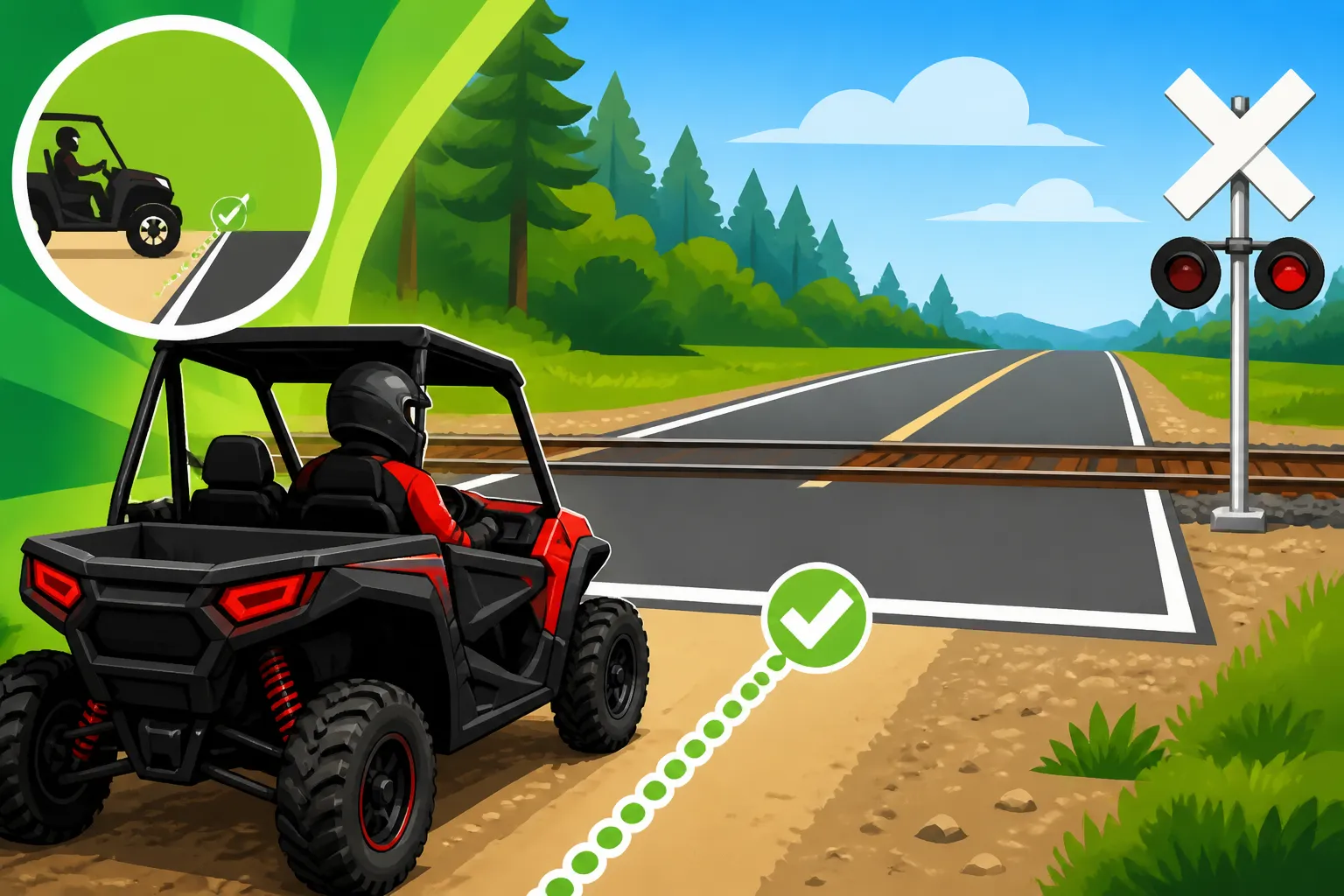
The rule dictates that your ATV must stop before any part of your machine reaches this shoulder area. This means you should stop with your front tires still on the trail or private land, prior to entering the road right-of-way. Think of it as a clear boundary: the edge of the public road's usable surface. You should never be sitting on the shoulder, creeping into the lane, or even have your front tires just barely touching the asphalt or gravel of the shoulder. Your machine needs to be completely clear of any potential vehicle path. This might feel counter-intuitive at times, especially if the vegetation on the side of the trail makes it harder to see. However, the law is clear, and it prioritizes preventing any encroachment onto the road. Some riders might even consider adding aftermarket mirrors, perhaps from a brand like SuperATV, to their machines to improve their peripheral vision before ever approaching these crucial stopping points, even if they're not legally mandated for off-road use.
The reason for this strict stopping point is twofold: visibility and reaction time. By stopping before the shoulder, you're ensuring that:
- You have the best possible vantage point without obstructing traffic. While it might feel like you need to creep forward for a better view, doing so puts your machine, and yourself, in a vulnerable position. You become an unexpected obstruction for vehicles already traveling at speed on the road.
- Motorists on the road have maximum time to see you. If you're tucked back on the trail, they have a moment to register your presence before you even begin your crossing. If you're on the shoulder, you're already in a potential conflict zone.
- You have a clear, safe space to assess traffic. This designated stop gives you a moment to look left, then right, then left again, without the immediate pressure of being in the path of oncoming vehicles. It allows you to wait for a truly safe gap in traffic, not just the first available opening. This patient assessment is vital, as cars, trucks, and even motorcycles can approach much faster than you anticipate on [New York Rules for Crossing a Public Road].
Executing a Safe and Legal Road Crossing
Knowing where to stop is one thing, but actually executing a safe and legal road crossing on your ATV involves a series of deliberate steps. It's about preparation, observation, and decisive action. Rushing this process is where mistakes happen, and mistakes on a public road can be incredibly costly.
Before you even get close to the intersection of a trail and a road, start preparing. Slow down your machine significantly. This isn't just about stopping on a dime; it's about being in complete control, listening for traffic, and surveying the scene. Look for road signs, yield signs, or any indications that you're approaching a public thoroughfare. If you're riding with a group, communicate clearly about the upcoming road crossing. This pre-crossing awareness is your first line of defense.
As you approach the actual crossing point, bring your ATV to a complete stop before the shoulder, as we've discussed. Ensure your machine is stable, whether you put your feet down or engage the parking brake. This stable position allows you to focus 100% on traffic rather than struggling to keep your ATV still. Once stopped, it's time for intense observation. Turn your head, not just your eyes. Look thoroughly to your left, then to your right, and then back to your left again. Are there any approaching vehicles? How fast are they going? Is there a safe, wide gap in traffic that allows you to cross without forcing anyone to slow down or swerve? Don't forget to check for pedestrians, cyclists, or other unexpected road users who might be using the shoulder or approaching the intersection.
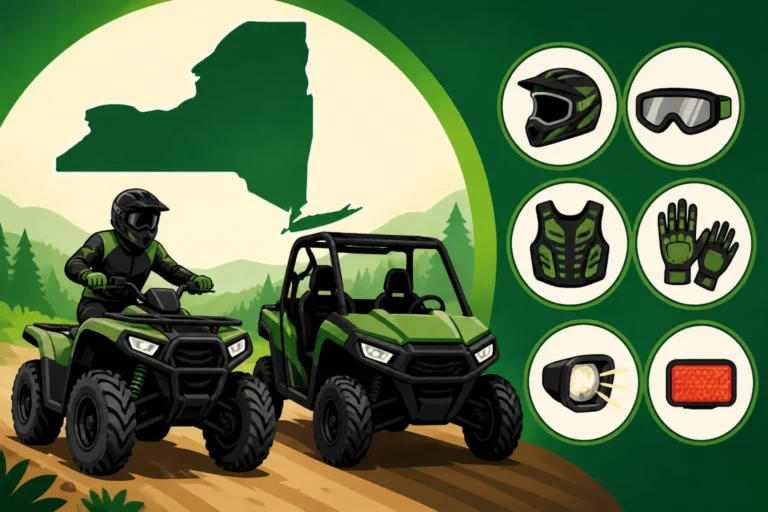
When you've identified a clear and safe opportunity, cross the road quickly and directly at a 90-degree angle to the roadway. This means going straight across, not attempting to turn onto the road or ride down the shoulder for any distance. The goal is to minimize the time your ATV spends on the road. Do not accelerate recklessly, but move with purpose. Once you've safely cleared the road and are back on the trail or private property on the other side, then you can resume your ride. Remember, even after you've crossed, remain vigilant for a few extra moments as you re-engage with the trail. While New York doesn't require specific road-legal lighting for ATVs for these crossings, having well-maintained headlights and taillights, perhaps even upgraded ones, can improve your visibility, especially around dusk or in low-light conditions. Companies like SuperATV offer a range of lighting accessories that, while not making your ATV street-legal, can certainly make you more noticeable during these brief, critical moments. Having adequate [New York Equipment Requirements for ATVs] goes a long way.
| Road Type | What Constitutes the "Shoulder" | Where to Stop | Crossing Action |
|---|---|---|---|
| State Highway | Paved or graveled strip beside main lanes, often with a white line. | Before the edge of the shoulder/white line. | Quick, direct crossing at a 90-degree angle. No riding on the shoulder. |
| County Road | Often a softer, less defined edge, sometimes just a grassy verge. | Before the visible edge of the paved or graveled road surface. | Direct, cautious crossing, maintaining control. |
| Town Road/Rural Lane | May have no discernible shoulder, just a gradual slope to a ditch. | Before the traveled portion of the roadway; treat any clear edge as the boundary. | Assess traffic carefully (which may be infrequent), then cross. |
The Consequences of Non-Compliance
Disregarding New York's specific rules for ATV road crossings, especially the mandate to stop before the shoulder, isn't just a minor oversight; it carries a significant weight of potential consequences. These can range from immediate legal penalties to severe safety risks, and they can impact not just you, but the entire ATV community in the state.
First and foremost, there are the legal repercussions. Getting caught by law enforcement failing to stop before the shoulder, or otherwise improperly crossing a road, can result in fines and citations. These aren't usually small slaps on the wrist; [New York Fines for an ATV Violation] can be substantial, and accumulating multiple violations could even lead to your registration being suspended or revoked. Furthermore, if your improper crossing contributes to an accident, the legal and financial liabilities escalate dramatically. You could face charges for reckless endangerment, property damage, or even more serious offenses if injuries occur. It’s simply not worth the risk of a shortcut or a moment of impatience.
Beyond the legal penalties, the most dire consequences relate directly to safety. ATVs are incredibly vulnerable on public roads. They lack the protective cage of a car, the braking power, and the visibility. By failing to stop before the shoulder, you drastically increase your chances of a collision with an oncoming vehicle. A motorist might not see you, might not anticipate your sudden entry onto the road, or might simply not have enough time to react. The injuries sustained in such collisions can be life-altering or even fatal, not just for the ATV rider, but potentially for passengers in the other vehicle as well. Even if you're an experienced rider, the unpredictable nature of road traffic demands absolute adherence to safety protocols. This is where investing in things like a high-quality helmet, sturdy riding gear, and even accessories from SuperATV that enhance visibility, such as brightly colored flags or additional LED lighting, become non-negotiable parts of your riding safety strategy.
Finally, there are the broader implications for ATV riding in New York. Every time a rider acts irresponsibly, it creates a negative impression that can undermine the efforts of local clubs, organizations, and the New York State Office of Parks, Recreation and Historic Preservation (OPRHP) to secure and maintain trail access. Landowners who allow trails across their property are particularly sensitive to these issues; they want to know that riders are respectful and law-abiding, especially at road intersections that often border their land. Incidents caused by non-compliance can lead to landowners withdrawing permission, local governments enacting stricter ordinances, or even the closure of entire trail segments. This impacts everyone, including those who diligently follow the rules and may have completed their [New York ATV Safety Certificate Requirements]. Responsible riding, which absolutely includes proper road crossings, is crucial for preserving the future of ATV recreation in New York for generations to come.
Disclaimer
This article is for general informational purposes only and does not constitute professional advice. Laws, prices and regulations vary by location and change over time. Consult a qualified professional for guidance on your specific situation.