New York Rules for Riding Near an Ice Shanty
There’s nothing quite like the crisp air and wide-open expanse of a frozen New York lake or reservoir in winter, especially when you’re out on your ATV. Many of us venture onto the ice for ice fishing, winter riding, or just enjoying the unique landscape. However, the presence of ice shanties — those cozy little shelters where anglers brave the cold for a catch — introduces specific rules and courtesies we all need to be mindful of. This guide will walk you through New York's regulations for riding your ATV near ice shanties, helping you avoid legal trouble and maintain harmony on the ice.
Understanding New York's 100-Foot Rule on Frozen Water
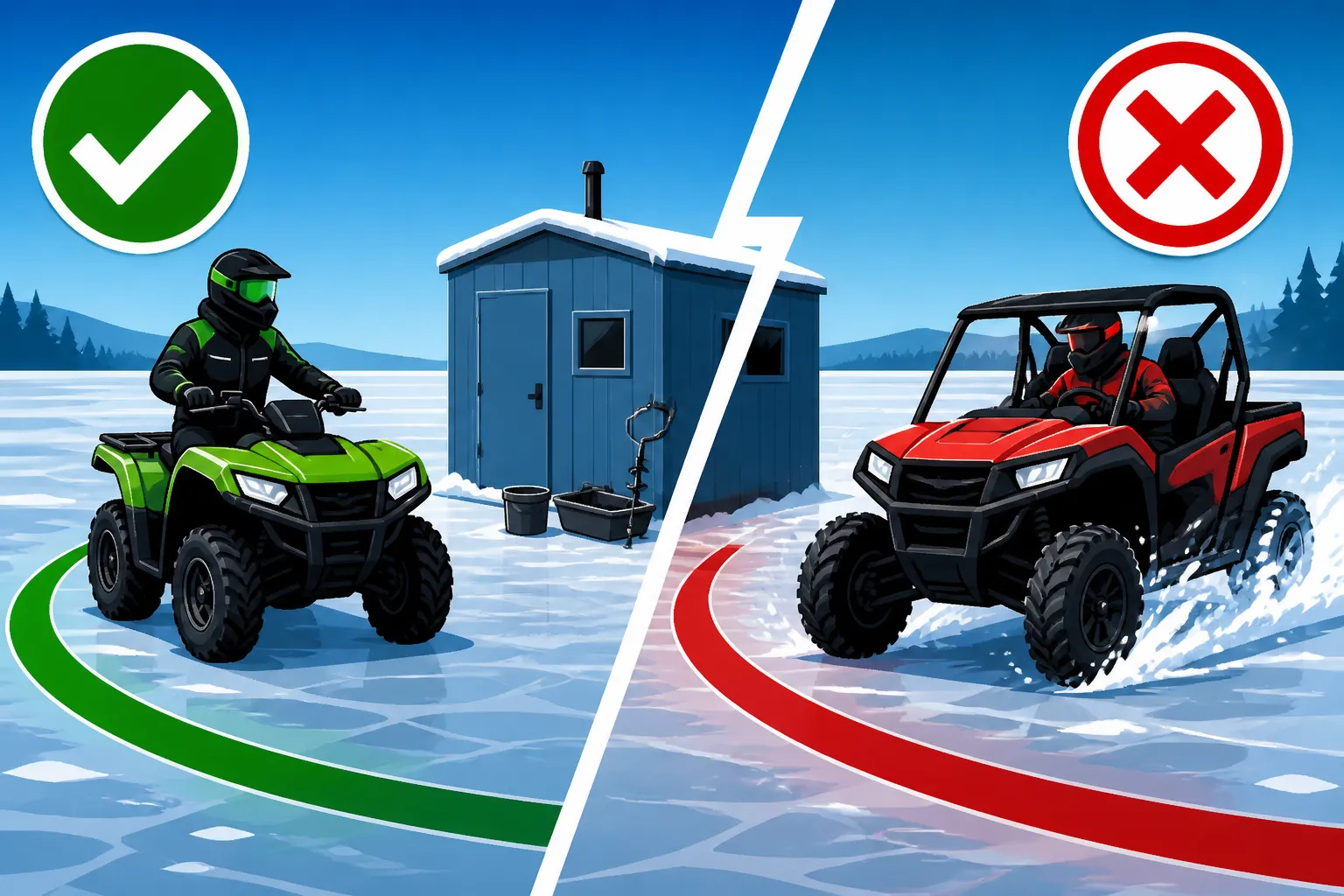
New York State has specific regulations designed to ensure safety, minimize disturbance, and promote respectful coexistence on frozen bodies of water. One of the most critical rules that ATV riders need to be aware of when venturing onto ice where ice shanties are present is the "100-foot rule." This isn't just a suggestion; it's a legal requirement aimed at protecting both the peace and safety of ice anglers and the general public.
Why the 100-Foot Rule Exists
Imagine you've spent hours setting up your ice shanty, drilling your holes, and finally settling into a peaceful rhythm, waiting for a bite. Suddenly, an ATV roars past, its engine echoing across the ice, shaking the very ground beneath your feet. This kind of disturbance isn't just annoying; it can genuinely disrupt the fishing experience, scare away fish, and even raise safety concerns, especially if multiple machines are operating erratically. The 100-foot rule is specifically designed to prevent this. It creates a necessary buffer zone, allowing anglers to enjoy their sport without excessive noise or immediate physical proximity from motorized vehicles. It's about respecting shared public spaces and ensuring everyone can enjoy the unique recreational opportunities that New York's frozen waters offer. It also serves a practical safety purpose: giving ample space for anglers to move around their shanties and gear without the added stress of a machine passing too close.
How the Rule Applies to ATVs on Ice
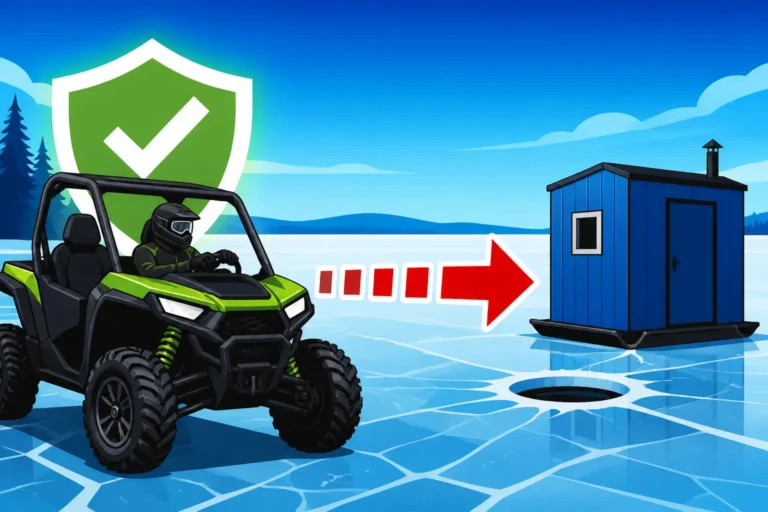
The language of the rule is quite clear: when operating an ATV on frozen waters, you must maintain a distance of at least 100 feet from any occupied ice shanty. The key here is "occupied." While it might be tempting to assume an empty shanty doesn't count, the safest and most responsible approach is to treat every shanty as if it's occupied, especially if you can't be absolutely sure. This rule is a direct extension of the broader [New York Rules for Riding Near an Ice Shanty]. It doesn't matter if you're just passing through, heading to a different fishing spot, or simply enjoying a ride across the lake; that 100-foot perimeter must be observed. This means planning your route carefully, especially on popular ice fishing lakes, to ensure you can circumnavigate shanties with plenty of clearance. A simple GPS app on your phone or a dedicated GPS unit can be incredibly helpful for maintaining this distance, especially in conditions where visibility might be reduced. Remember, the onus is on the ATV operator to know and follow the rules, not on the ice angler to move or signal.
Defining "Ice Shanty" and "Occupied Dwelling"
When the law talks about an "ice shanty," it's generally referring to any temporary structure placed on the ice for the purpose of shelter during ice fishing. This can range from a sophisticated, insulated hut with a stove to a simple pop-up tent. The spirit of the law applies to any structure providing shelter for anglers. The term "occupied dwelling" is also important. While an ice shanty isn't a permanent dwelling, when it's being used by people, it functions as a temporary "dwelling" on the ice, deserving the same respect for peace and quiet. This rule echoes similar protections afforded to permanent residences on land under the [New York Rules for Riding Near a House at Night]. The intention is to prevent undue disturbance, whether from noise or proximity. If you see a tent, a small wooden hut, or even a modified sled with a cover that looks like it's providing shelter, assume it falls under the "ice shanty" definition and give it a wide berth. When in doubt, always err on the side of caution and maintain that 100-foot distance.
Navigating Ice Riding Safely and Legally
Riding your ATV on frozen water offers an exhilarating experience, but it comes with inherent risks and responsibilities. Beyond the 100-foot rule for ice shanties, ensuring your safety and adhering to all legal requirements is paramount. The unique environment of a frozen lake demands a different level of vigilance than typical trail riding.
Pre-Ride Checks for Ice Conditions
Before you even think about putting a tire on the ice, a thorough assessment of ice conditions is non-negotiable. This is perhaps the most critical safety step when considering [New York Rules for Riding on Frozen Water]. Ice thickness can vary dramatically across a single body of water, even over short distances, and conditions can change rapidly with weather fluctuations. Warm spells, currents, springs, and even schools of fish can create thin spots that are invisible from the surface. Always check local ice reports, which are often provided by bait shops, local law enforcement, or conservation groups.
When you arrive at your access point, perform your own checks. Use an ice spud or auger to measure thickness at various points as you venture out, especially if you're in an unfamiliar area. A general guideline for safe ATV travel is often 5-7 inches of clear, solid ice, but this is a minimum and should be considered with extreme caution. Never trust "visual" checks alone. Look for signs of stress, such as cracks, slushy areas, or areas where the ice appears discolored. Riding on ice is inherently risky, and it's always better to err on the side of extreme caution. If in doubt, stay off the ice.
Maintaining a Safe Distance and Respectful Operation
Once you've determined the ice is safe to ride and you're out on the frozen expanse, actively following the 100-foot rule for ice shanties becomes your ongoing responsibility. This isn't just about avoiding a ticket; it's about being a good neighbor and preserving access for all users. When you spot an ice shanty, start planning your route around it well in advance. Don't wait until you're close to make a sharp turn. Instead, gradually adjust your course to give yourself ample space, easily maintaining that 100-foot buffer.
Beyond the mandated distance, consider how your operation affects others. Even at 100 feet, a loud exhaust can be a significant nuisance. Reduce your speed, especially when passing shanties, to minimize noise and spray. Avoid rapid acceleration or deceleration that can be jarring. Remember, the goal is to be as unobtrusive as possible. If you need to stop, do so well away from any shanties. It's not just about the letter of the law, but the spirit of courtesy that makes shared recreational spaces enjoyable for everyone. This kind of mindful riding contributes positively to the reputation of ATV enthusiasts and helps prevent additional restrictions on riding access.
Communication with Anglers and Other Ice Users
While the 100-foot rule mandates physical distance, a little bit of friendly communication can go a long way in fostering good relations on the ice. If you find yourself in a situation where you need to approach an ice shanty for a legitimate reason – perhaps to ask for directions, check on a potentially distressed individual, or if you're part of a search and rescue effort – do so slowly and respectfully.
Before approaching within the 100-foot buffer, consider dismounting and walking over, or at least approaching at an extremely slow idle. A simple wave and a polite "hello" can often bridge any potential irritation from your presence. Many ice anglers are friendly and happy to chat, especially if they see you're being considerate. However, always be prepared to give them their space if they prefer solitude. Remember that everyone is out there to enjoy the natural environment in their own way, and mutual respect is the foundation of a positive shared experience. A brief, courteous interaction is far better than creating a situation where someone feels their peace has been invaded.
Potential Consequences of Violating the 100-Foot Rule
Ignoring the 100-foot rule isn't just bad manners; it carries real legal and social ramifications that can affect not only you but the entire ATV riding community in New York. The laws are in place for a reason, and enforcement can be swift and impactful.
Fines and Penalties for Non-Compliance
Operating an ATV closer than 100 feet to an occupied ice shanty is a violation of New York State law, specifically under Parks, Recreation and Historic Preservation Law (PRHPL) related to the operation of snowmobiles and ATVs. While the specific fine amounts can vary and are subject to change, you can generally expect to face a monetary penalty if caught. This isn't a trivial ticket; it can be a significant hit to your wallet. Beyond the initial fine, repeated offenses or particularly egregious violations could lead to more severe penalties, such as impoundment of your machine or suspension of your ATV registration.
Law enforcement, including local police, sheriff's deputies, and environmental conservation officers (ECOs), routinely patrol popular ice fishing areas. They are familiar with these regulations and are often on the lookout for operators who disregard them. Getting a ticket out on the ice, perhaps miles from shore, can be a frustrating and costly experience, especially if it ruins a day you had planned to enjoy. Understanding the [New York Fines for an ATV Violation] beforehand can help you appreciate the importance of adherence. It’s far cheaper and less stressful to simply follow the rule than to face the consequences of breaking it.
Impact on Trail Access and Relationships with Landowners/Communities
The ripples of irresponsible riding extend far beyond an individual fine. When ATV operators consistently disregard rules like the 100-foot buffer, it creates a negative perception of the entire riding community. This often translates into increased pressure from other recreational users and local communities to restrict ATV access. If anglers feel repeatedly disturbed or endangered, they may lobby local governments and state agencies to implement stricter regulations, limit riding areas, or even ban ATVs from certain frozen bodies of water altogether.
Many of New York's fantastic trail systems, including those that might cross frozen waterways or access points, rely on agreements with private landowners or the goodwill of local communities. A few bad apples can quickly sour these relationships, leading landowners to withdraw their permission, effectively closing off crucial sections of trails. This directly impacts everyone’s ability to ride. Protecting access to these unique areas, whether on ice or land, depends on every rider demonstrating a high level of responsibility and respect for others. Consider how vital [Landowner Consent on New York Private Land] is for many trails, and how easily it can be lost.
The Importance of Responsible Riding
Ultimately, responsible riding is about more than just avoiding fines; it's about being a good steward of the environment and a respectful member of the outdoor community. Every time you ride thoughtfully and legally, you contribute positively to the image of ATV enthusiasts. This helps ensure that the outdoor activities we cherish remain accessible for future generations. It’s also about personal safety. Following rules demonstrates a level of awareness that extends to overall safe operation, reducing the likelihood of accidents.
We all share these natural spaces, and everyone deserves to enjoy them peacefully and safely. By adhering to rules like the 100-foot distance from ice shanties, riders play a crucial role in maintaining positive relationships with ice anglers, snowmobilers, and other recreational users. It's a small effort that yields significant benefits in preserving the freedom and opportunities we have to enjoy New York's beautiful winters. Always remember the broader impact of your actions when you're out on the ice.
Equipment and Practices for Responsible Ice Riding
Beyond legal compliance, equipping yourself properly and adopting sound riding practices are essential for a safe and enjoyable experience on New York's frozen waters. The environment of a large frozen lake demands specific gear and a mindset geared toward safety and preparedness.
Essential Gear for Ice Safety
Riding an ATV on ice carries unique risks, primarily the danger of breaking through. Therefore, carrying specific safety gear is not just recommended, it's vital. Here's a breakdown of what you should always have with you:
- Ice Picks/Claws: These are perhaps the most crucial item. Worn around your neck, they allow you to pull yourself out of the water if you fall through. They are inexpensive and incredibly effective.
- Flotation Suit or Vest: A specialized flotation suit or even a life vest worn over your winter gear can provide buoyancy and thermal protection in frigid water, significantly increasing your survival time.
- Throw Rope: A strong, buoyant rope (at least 50 feet) with a float on the end can be thrown to someone who has gone through the ice, allowing them to be pulled to safety without putting others at risk.
- Spud Bar or Auger: As mentioned earlier, for checking ice thickness as you go.
- Navigation Tools: A GPS unit or a smartphone with reliable mapping apps (and a portable charger!) can help you stay on track, avoid known hazards, and navigate around shanties, especially in whiteout conditions or after dark. [New York Rules for Riding After Dark] also underscore the need for proper lighting on your machine.
- First-Aid Kit: A comprehensive kit capable of handling cold-weather injuries and general trauma.
- Communication Device: A fully charged cell phone (kept warm to preserve battery) or a two-way radio to call for help if needed. Cell coverage can be spotty on vast frozen lakes, so don't rely solely on it.
Machine Preparation for Cold Weather and Ice
Your ATV needs specific preparation to handle the harsh cold and unique traction demands of ice riding.
- Tires: Standard ATV tires might struggle for grip on slick ice. Studded tires or tire chains are highly recommended for improved traction and control, especially for climbing on and off access points or navigating slushy patches. This also enhances your ability to maintain control and avoid unintended slips when navigating around ice shanties.
- Fluids: Ensure your engine oil, coolant, and other fluids are appropriate for extreme cold temperatures. Check antifreeze levels to prevent freezing.
- Battery: Cold weather is tough on batteries. Make sure your battery is fully charged and in good condition to ensure reliable starting.
- Winch: A reliable winch is invaluable for self-recovery or assisting others, whether stuck in deep snow, slush, or even if a machine breaks through thin ice. Many riders trust brands like SuperATV for their durable winches and recovery gear, which can be a lifesaver when you're far from assistance.
- Spark Arrestor: While not specific to ice, remember that [The Spark Arrester Section 2406 Requires] a working spark arrestor for all ATVs operated in New York to prevent wildfires, even in winter.
- Fuel: Always carry extra fuel in approved containers. Running out of gas miles from shore on a frozen lake can quickly turn into a dangerous situation. Think about [New York Rules for Carrying Fuel] before you head out.
Riding Etiquette Beyond the Law
While legal rules provide a baseline, good etiquette elevates the experience for everyone. Here's how to be an exemplary ice rider:
- Mind Your Noise: Even if you're 100 feet away, an excessively loud exhaust can be disruptive. Consider aftermarket mufflers designed for quieter operation if yours is particularly noisy.
- Minimize Spray: When riding through slush or open water, be mindful of creating spray that can coat nearby shanties, gear, or even people. Slow down significantly in these areas.
- Respect the Environment: Pack out everything you pack in. Leave no trace, including discarded fishing line, bait containers, or litter.
- Share the Space: Recognize that you're sharing the ice with ice skaters, cross-country skiers, snowmobilers, and others. Maintain awareness of all users and adjust your speed and course accordingly.
- Offer Help: If you see someone in distress or who appears to need assistance, offer help if it's safe to do so. A good deed goes a long way.
- Know Local Rules: Some specific lakes or towns may have additional local ordinances regarding ATVs on ice. Always check [Checking a County Notice Before You Load] for any localized rules that might apply.
By combining proper preparation, essential gear, legal compliance, and a strong dose of common courtesy, you can ensure your ATV adventures on New York's frozen waters are both thrilling and respectful of all who share these beautiful winter landscapes.
| Ice Thickness Guide (Clear, New Ice) | Activity | Minimum Thickness (Inches) | Caution / Notes |
|---|---|---|---|
| Foot Traffic | Walking, Ice Fishing | 4 | Always check widely; thin spots common. Never go alone. |
| ATVs/Snowmobiles (Single Rider) | Light Machines | 5-7 | Crucial to check regularly; conditions vary. Avoid slush and cracked areas. |
| Small Groups (ATVs/Snowmobiles) | Riding in a Group | 8-10 | Maintain distance between machines. Spread out weight. |
| Light Vehicles (Cars/Trucks) | Anglers with light vehicles | 10-12 | Highly discouraged unless officially marked and monitored. Never recommended for most recreational riding. |
Disclaimer
This article is for general informational purposes only and does not constitute professional advice. Laws, prices and regulations vary by location and change over time. Consult a qualified professional for guidance on your specific situation.