Why OPRHP Land Is Closed in New York
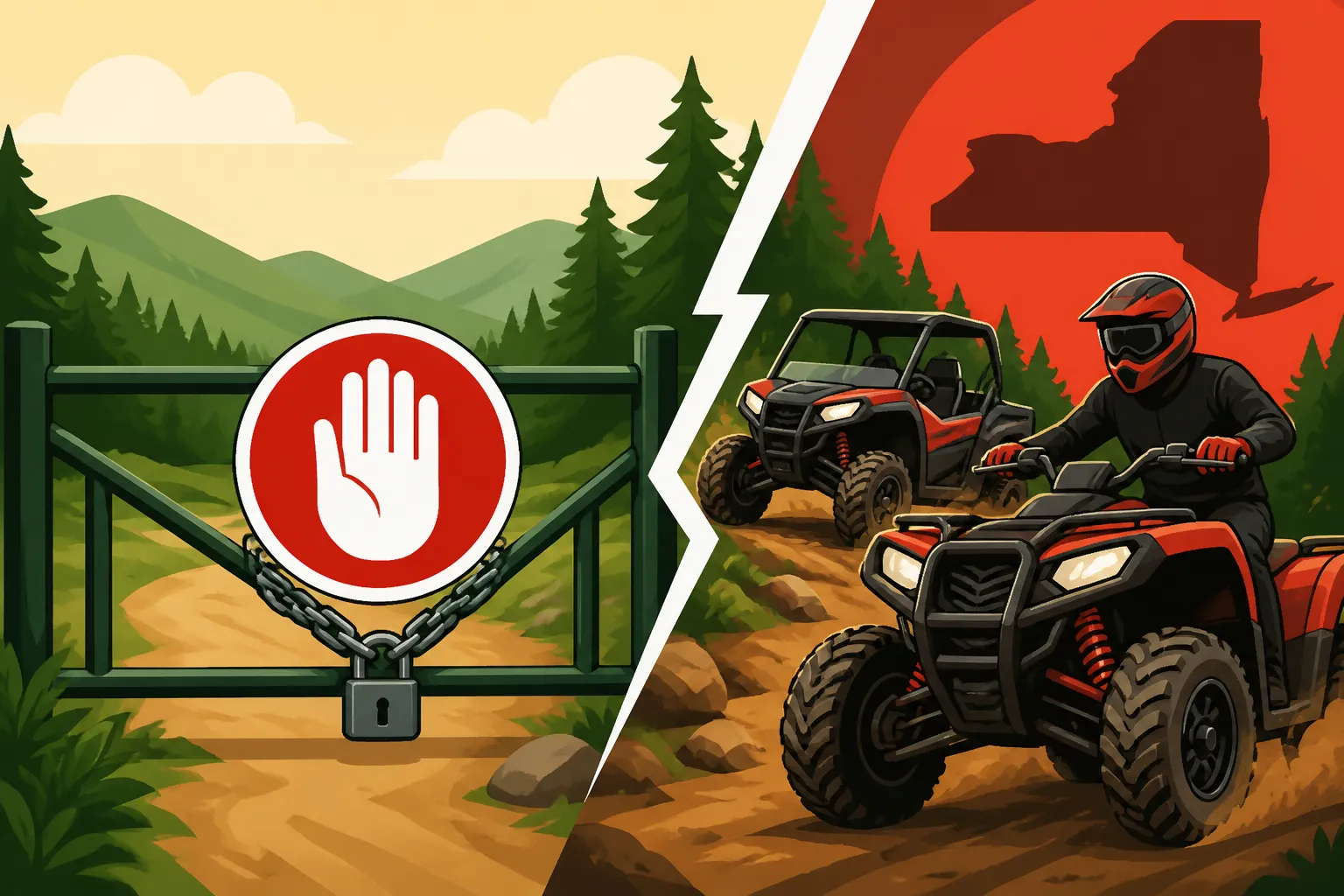
It’s a common frustration for ATV riders in New York: you’re cruising along, you see signs for beautiful state-managed land, a gorgeous park, or a historic site, and your heart jumps with the thought of exploring its trails. But then, you spot the dreaded "No ATVs" sign, or even worse, a locked gate. This guide will dive deep into why New York State Office of Parks, Recreation and Historic Preservation (OPRHP) lands are generally off-limits for ATV use, helping you understand the rules and where you can legally ride.
Understanding New York's Land Management Agencies
New York State manages its vast public lands through several different agencies, each with its own mission, legislative mandates, and regulations governing recreational use. This distinction is crucial for ATV riders, as what's permitted on one type of state land might be strictly forbidden on another. It's not just "state land"—it's whose state land, and for what purpose.
The Role of OPRHP: Parks, Recreation, and Preservation
The Office of Parks, Recreation and Historic Preservation (OPRHP) is responsible for a huge network of New York's most iconic landscapes and cultural treasures. Think of those stunning waterfalls at Watkins Glen, the sprawling beaches of Jones Beach State Park, or the serene beauty of Allegany State Park. OPRHP's mission is fundamentally about preserving natural and cultural resources, providing passive and family-oriented recreational opportunities, and protecting significant historic sites for current and future generations.
Their properties include over 250 parks, historic sites, and marine facilities. When you visit an OPRHP site, you'll typically find activities like hiking, picnicking, camping (in designated areas), swimming, fishing, and boating. These activities are generally considered low-impact and compatible with the preservation goals of the agency. The entire focus is on creating a safe, enjoyable environment for a broad public, emphasizing appreciation of nature and history without significant environmental disturbance.
The DEC's Domain: Forest Preserve and Wild Forests
In contrast, the New York State Department of Environmental Conservation (DEC) manages a different set of state lands, primarily focusing on environmental conservation, sustainable forestry, and public access for a wider range of activities, including some forms of motorized recreation. These include the vast expanses of the Forest Preserve within the Adirondack and Catskill Parks, State Forests, and Wildlife Management Areas.
While some DEC lands, particularly within Wild Forests, might have designated multi-use trails that could potentially accommodate ATVs, this is rare and heavily regulated. The Forest Preserve itself, protected by the "Forever Wild" clause of the New York State Constitution, generally prohibits motorized vehicle use, including ATVs, to preserve its wilderness character. It's a very different management philosophy, and understanding this distinction is the first step to knowing [New York Rules for Riding State Land]. For example, a significant portion of the Adirondack Park, managed by the DEC, is largely off-limits to ATVs. If you're looking to ride in this region, it's vital to research specific county or club trails, not just assume any "state land" is fair game. Understanding [New York Rules for Riding the Forest Preserve] is absolutely critical if you ride in those parts of the state.
The Core Reasons OPRHP Lands Prohibit ATVs
The "No ATVs" signs on OPRHP land aren't just arbitrary. They stem from deep-seated policy decisions, environmental concerns, and a clear legislative mandate that prioritizes specific types of recreation and preservation. It often feels like a barrier for riders, but there are solid reasons behind it, even if they don't always align with our desire to hit the trails.
Conservation and Environmental Protection
One of the primary drivers behind the ATV ban on OPRHP lands is environmental stewardship. These parks and sites often harbor sensitive ecosystems, unique geological features, and critical habitats for various plant and animal species. ATVs, with their weight, speed, and knobby tires, can have a significant impact on these delicate environments.
Imagine a group of ATVs tearing through a damp trail section. The result? Rapid soil erosion, creation of deep ruts that channel water and exacerbate further erosion, and damage to root systems of trees and other vegetation. This isn't just an aesthetic issue; it can lead to long-term degradation of water quality in nearby streams and lakes, alter natural drainage patterns, and destroy the very habitats that OPRHP is tasked with protecting. Furthermore, the noise generated by ATVs can disrupt wildlife, particularly during sensitive breeding or nesting seasons, pushing animals away from crucial feeding or resting areas. The goal of OPRHP is to maintain these lands in as natural a state as possible for all visitors, and ATV use is simply deemed incompatible with that goal.
Safety Concerns and User Conflicts
Another significant reason for the prohibition is public safety and the prevention of user conflicts. OPRHP lands are designed for a wide array of visitors, many of whom are seeking quiet, peaceful recreation. Hikers, birdwatchers, families with small children, and equestrians are common users of state park trails and open spaces. The introduction of ATVs into these environments can lead to serious safety hazards.
The speed and maneuverability of ATVs, even when ridden responsibly, pose a risk to pedestrians and other non-motorized users who might not anticipate a fast-moving vehicle around a blind corner or over a rise. Shared trails can quickly become contentious, as the experience of someone enjoying a peaceful walk in nature is fundamentally different from someone riding a powerful off-road machine. These conflicts diminish the overall recreational experience for everyone and increase the potential for accidents. OPRHP's policy aims to create a harmonious environment where different user groups can enjoy the parks without fear of collision or disturbance. It's about ensuring that a family pushing a stroller can enjoy a walk without worrying about an ATV appearing, especially on trails not designed for such traffic. This same logic often applies to [New York Rules for Riding Private Land] where owners want to control activity to prevent injury to themselves or others.
Legislative Mandates and Management Plans
The rules governing OPRHP lands aren't just decided by a few park managers. They are rooted in state legislation that outlines the agency's purpose and powers, and they are formalized through detailed management plans developed for each specific park or site. This legislative framework essentially codifies the reasons why ATVs are not part of the OPRHP vision.
OPRHP's Governing Statutes
The New York State Legislature has clearly defined the mission of the Office of Parks, Recreation and Historic Preservation. This mission emphasizes the protection of natural and historic resources, and the provision of diverse outdoor recreational opportunities that are compatible with those conservation goals. Generally, the statutes lean towards activities that promote appreciation of nature, history, and quiet enjoyment.
This means OPRHP has a legal obligation to manage lands in a way that aligns with these defined purposes. Activities like high-speed, motorized off-road vehicle use are simply not encompassed within the legislative intent for most state parks and historic sites. The laws are designed to safeguard these areas from activities that could cause irreparable damage or fundamentally alter their character. For example, a historic battlefield or a carefully restored natural area would be completely undermined by ATV traffic. The legal framework provides a sturdy foundation for the "No ATVs" policy, making it a matter of compliance with state law rather than just an agency preference.
Lack of Designated ATV Infrastructure
Even if the legislative mandate were to shift, OPRHP lands, as they currently exist, lack the necessary infrastructure to safely and sustainably support ATV use. Creating appropriate ATV trails requires significant planning, engineering, and resources.
ATV trails need to be designed to withstand the wear and tear of motorized traffic, incorporating features to prevent erosion, manage water runoff, and ensure rider safety. This often means wider corridors, specific grading, and durable surfacing, which are rarely found on existing hiking, biking, or equestrian trails. Retrofitting current OPRHP trails for ATV use would involve massive construction, altering the natural landscape, and potentially destroying the very features visitors come to enjoy. Furthermore, a proper ATV trail system requires designated staging areas, parking for trucks and trailers, and extensive signage, none of which are typically present in OPRHP properties. The costs associated with building and maintaining such a system, combined with the potential environmental impact and conflicts with existing users, make it an impractical and often contradictory endeavor within OPRHP's current operational framework. This is a common issue for many non-motorized trail systems, including those managed by OPRHP, making it unlikely you'll find ATV access on a [New York Rules for Riding a Rail Trail]. Even the most robust ATV accessories, like those from SuperATV, designed for navigating challenging terrain, don't change the fact that the underlying trail infrastructure isn't designed for them on OPRHP lands.
What Recreation IS Permitted on OPRHP Land
While ATVs are largely excluded, it doesn't mean OPRHP lands are devoid of recreational opportunities. In fact, they are bustling hubs for a wide array of activities that align perfectly with their mission of preservation and public enjoyment. Understanding what is allowed can help riders appreciate the agency's focus and perhaps even find other ways to enjoy these beautiful spaces.
Passive Recreation Activities
The vast majority of activities permitted on OPRHP lands fall under the umbrella of "passive recreation." This term generally refers to activities that have a low impact on the environment and are primarily focused on quiet enjoyment of nature and appreciation of historic or cultural sites.
Think about it: hiking through a dense forest, picnicking by a serene lake, casting a line into a designated fishing spot, or observing migratory birds. These activities allow visitors to connect with the natural world without significantly altering it or disturbing others. Many OPRHP sites also offer educational programs, nature centers, and guided tours, further emphasizing a learning and appreciation approach to recreation. The emphasis is on experiencing the park's natural beauty or historical significance in a calm, contemplative manner. For example, a leisurely stroll along a paved path at a state park is a world away from the adrenaline of off-road riding, but it offers a different, equally valuable form of engagement with New York's outdoor heritage.
Limited Motorized Access and Exceptions
While ATVs are generally out, it's not entirely true that all motorized vehicles are banned from OPRHP lands. There are specific, limited exceptions, which further highlight the particular challenges ATVs pose.
For instance, most OPRHP parks have paved roads for vehicular access to parking lots, campgrounds, and specific attractions. You can drive your car to a picnic area, but you can't then take your truck off-road into the woods. Another key exception, especially in northern New York, is snowmobiling. Many OPRHP properties, particularly those with extensive winter snow cover, do permit snowmobiles on designated trails during the winter months. Why the difference? Snowmobiles operate on a thick blanket of snow, which significantly reduces their impact on the underlying soil and vegetation. They also typically operate during a season when other recreational users are less prevalent, minimizing user conflicts. The trails themselves are often groomed specifically for snowmobile use. This distinction underscores that the issue isn't motorized recreation entirely, but rather the specific impacts and conflicts associated with ATVs on unprotected terrain. Always check the specific park's regulations before assuming snowmobile access, but it's often a permitted winter activity, as covered in [New York Rules for Riding a Snowmobile Trail].
Exploring Legal ATV Riding Alternatives in New York
So, if OPRHP lands are out, where can you legally ride your ATV in New York? The good news is that New York State does offer fantastic opportunities for off-road enthusiasts, but you need to know where to look and understand the specific rules that apply to those areas. It's about riding smart and riding legally.
County and Club-Managed Trail Systems
The best places to ride ATVs in New York are often found on dedicated county or club-managed trail systems. These systems are specifically designed, maintained, and permitted for ATV use, offering hundreds of miles of diverse terrain for riders of all skill levels.
The undisputed champion in New York is the Lewis County ATV Trail System, often referred to as the "Tug Hill Plateau" riding area. This vast network, managed by Lewis County with the support of local clubs, offers an incredible experience. Riders often describe it as some of the best riding in the Northeast. To access these trails, you'll need to purchase a county permit, and often, joining a local ATV club can provide benefits like discounted permits and access to even more trails through private landowner agreements. Other counties, like Oswego, also have active ATV clubs that maintain their own trail systems. These systems are typically well-marked, offer various levels of difficulty, and often connect towns, allowing for destination riding. For example, the Lewis County system boasts hundreds of miles of interconnected trails, making it one of the largest continuous riding areas in the state. Getting a permit for these areas is crucial, and you can learn more about [New York ATV Trail Permits Explained] and specifically about the [Lewis County ATV Trail System in New York]. These trails are built to handle the demands of ATVs, and outfitting your machine with durable protection from brands like SuperATV can enhance your experience and protect your investment on these rugged routes.
Private Riding Parks and Landowner Permissions
Beyond county and club systems, private riding parks and individual landowner permissions offer other avenues for legal ATV riding in New York. These options require direct engagement with property owners or park operators.
Private riding parks are commercial enterprises that designate specific portions of their land for off-road vehicle use. One notable example is Tall Pines ATV Park in Andover, Allegany County. These parks often provide a controlled environment, with marked trails, amenities like camping, and sometimes even rentals. They operate on a fee-for-access basis and have their own specific rules for safety and conduct. The benefit of a private park is knowing you're on legal, sanctioned land.
Another option is to secure explicit permission from private landowners. Many rural areas have landowners who are amenable to allowing ATV use on their property, provided you ask first, respect their land, and follow their rules. This often works best for smaller, local rides or for accessing hunting lands. However, it's absolutely critical to obtain written permission to avoid any accusations of trespass. Riding on someone's land without permission is not only illegal but can severely damage the reputation of all ATV riders and lead to landowners closing their properties to everyone. Always remember the importance of [New York Landowner Permission Rules] before you ever consider riding on private property that isn't your own.
While it might be frustrating to find OPRHP lands closed to ATVs, understanding the underlying reasons—conservation, public safety, and legislative mandates—helps clarify the situation. New York State prioritizes the preservation of these specific natural and historic sites for passive recreation. However, this doesn't mean ATV riding is impossible in the Empire State. By focusing on dedicated county and club trail systems, or seeking out private parks and landowner permissions, you can still find plenty of exciting and legal opportunities to enjoy your machine. Always research your destination, secure the necessary permits, and ride responsibly to ensure the future of ATV riding in New York.
Disclaimer
This article is for general informational purposes only and does not constitute professional advice. Laws, prices and regulations vary by location and change over time. Consult a qualified professional for guidance on your specific situation.