Where Registration Money Is Spent
It’s a question many of us have pondered while filling out that annual registration form for our trusty ATV: where exactly does all that money go? You work hard for your cash, and handing over registration fees year after year can feel like just another tax, especially if you’re not seeing new trails pop up everywhere. You want to know your contribution is actually making a difference for the riding community here in New York. This guide is going to pull back the curtain on how your New York ATV registration fees are allocated, showing you the tangible ways these funds support the trails you love and the wider riding infrastructure across the state.
Understanding the "Why" Behind ATV Registration Fees
Every time you renew your ATV registration or get a new plate, you're contributing to a system designed to manage and support ATV use in New York. It's easy to feel like it's just a bureaucracy, another hoop to jump through, but these fees are the lifeblood for many aspects of the sport, especially beyond private land.
The Annual Fee and Its Purpose
That fee you pay each year isn't just a random number; it's specifically earmarked. Unlike general taxes that go into a big pot for everything from schools to roads, ATV registration fees are typically dedicated to programs directly benefiting the ATV community. Think of it as an investment in the future of riding. These funds help ensure that trails exist, are maintained, and that the sport can be enjoyed safely and responsibly. Without these dedicated funds, the infrastructure we rely on—like the growing network of trails in places like Lewis County—would struggle to survive. It's often through these fees that initiatives like [New York's Annual ATV Registration] and [New York ATV Registration Cost] fund efforts to maintain public access and develop new riding opportunities.
Distinguishing State vs. Local Funds
While you pay your registration fee to the New York State Department of Motor Vehicles, the money doesn't just stay in Albany. A significant portion is often distributed to local entities, primarily counties and organized clubs. This tiered approach recognizes that while the state sets the overall framework, the on-the-ground work of trail building, grooming, and maintenance happens at the local level. Some counties, like Lewis County, have robust ATV programs that directly benefit from these funds, allowing them to expand and improve their trail systems. These local partnerships are crucial, as they allow for tailoring programs to specific regional needs and leveraging the passionate volunteer base found in many local ATV clubs. [Where New York ATV Fees Go] explains this in more detail, showing how state collection translates into local action.
How New York's ATV Registration Funds Benefit Riders
The money collected from your registration isn't just sitting in a bank account; it's actively put to work. For many riders, the most direct benefit comes in the form of improved access and quality of riding areas.
Direct Investment in Trail Systems
This is arguably the most critical use of your registration dollars. A substantial portion of the funds goes directly into what are known as "trail grants." These grants are provided to municipalities, counties, and sometimes even non-profit organizations and clubs, specifically for the development, maintenance, and signage of ATV trails. This means that when you’re riding a well-marked, properly maintained trail, there’s a good chance your registration fee helped make that possible. This could involve everything from clearing downed trees after a storm, grading rough sections, building bridges over wet areas, or installing clear trail markers. Places like the Lewis County ATV Trail System in New York are prime examples of where these funds are put to excellent use, creating hundreds of miles of riding enjoyment. Without this financial backing, many of these trails simply wouldn't exist or would quickly fall into disrepair.
Supporting Local Clubs and Volunteer Efforts
ATV clubs are the backbone of the riding community in many areas of New York, and registration funds play a vital role in empowering their work. Many clubs operate and maintain vast networks of trails, often through agreements with private landowners. The trail grants funded by registration money often go directly to these clubs, providing them with essential resources for tools, equipment, and materials. This financial support helps offset the considerable costs of trail maintenance, allowing dedicated volunteers to focus their energy on physical labor rather than fundraising for every nail and board. It also often enables clubs to secure liability insurance, which is crucial for maintaining landowner permissions. If you've ever signed a [New York ATV Bill of Sale Requirements] and then gone on to join a local club, you're directly seeing how your contributions support these grassroots efforts. LawDepot can be a useful resource for clubs needing to draft legal agreements with landowners or establish official club bylaws, ensuring they operate professionally and securely.
Safety and Education Initiatives
Beyond the trails themselves, registration fees also contribute to programs aimed at rider safety and education. This can include funding for ATV safety courses, especially for younger riders, and public awareness campaigns about responsible riding practices. Safety is paramount in our sport, and ensuring riders, particularly those under 16, understand the rules and proper techniques is critical. Some of these funds might also go towards enforcement efforts, helping authorities monitor trails and ensure everyone is adhering to state laws and local ordinances. This helps create a safer environment for all riders and minimizes conflicts with other land users. For example, a portion of the funds might contribute to initiatives that help explain [New York's Mandatory ATV Insurance] or [New York Helmet Rules for ATV Riders], ensuring everyone is informed before they hit the dirt.
The Ripple Effect: Beyond Direct Trail Spending
The impact of ATV registration fees extends beyond just the trails and safety programs, creating wider benefits that sometimes go unnoticed by the average rider.
Economic Boost for Local Communities
When trail systems are well-funded and maintained, they attract riders. These riders, in turn, spend money in local communities. They fill up their gas tanks at local stations, grab meals at diners, stay in motels or campgrounds, and buy supplies from hardware stores. This influx of cash supports small businesses, creates jobs, and generates sales tax revenue for the very towns and counties that host the trails. This economic activity is a huge incentive for communities to embrace ATV tourism and work with riders to expand trail access. Imagine a weekend trip to Tug Hill; every dollar spent on gas, food, or a cabin contributes directly to the local economy, creating a positive feedback loop where good trails lead to more visitors and more local support. [New York ATV Trails Near Watertown] are a perfect example of how riding brings tourism dollars to the region.
Landowner Relations and Trail Preservation
Many of New York’s ATV trails cross private property, relying on the goodwill and cooperation of landowners. Registration funds can indirectly support these crucial relationships by providing resources to create formal agreements, maintain signage, and address any issues that arise. When landowners see that there's a structured system in place, and that funds are being used responsibly to manage trails and promote safe riding, they are often more willing to grant access. A well-managed trail system, backed by adequate funding, reduces the burden on individual landowners, making them more likely to keep their land open for riders. LawDepot can be invaluable for drafting clear, legally sound landowner permission forms or lease agreements, ensuring both parties understand their rights and responsibilities. This professional approach helps secure the future of trails that depend on private land access.
Administrative Costs: Keeping the System Running
While not as glamorous as a new bridge on a trail, a portion of registration fees also covers the administrative costs of running the entire ATV registration program. This includes everything from processing applications and issuing plates and decals to managing the grant distribution system. It ensures there are staff dedicated to supporting ATV recreation, answering questions, and coordinating efforts across different agencies and local groups. Think of it as the necessary grease for the gears of the machine; without these administrative functions, the entire system would grind to a halt. It’s the behind-the-scenes work that makes all the visible benefits possible, from renewing your [New York ATV Plates and Where They Mount] to getting that new validation decal.
Ensuring Accountability and Transparency
It's natural to wonder how these funds are truly managed and whether they're being spent effectively. Transparency is key to building trust within the riding community.
How Funds Are Allocated
The allocation of ATV registration funds in New York is generally governed by specific state laws and regulations. These rules dictate what percentages or specific amounts of the collected fees must be directed towards trail grants, administration, and other programs. Often, there's a process for local entities and clubs to apply for these grants, submitting detailed proposals outlining how they intend to use the funds. These proposals are reviewed to ensure they align with the goals of promoting safe and responsible ATV use and improving riding opportunities. For instance, the Lewis County Recreation, Forestry and Parks department likely has a clear process for how it applies for and uses these state funds to expand its popular [600 Miles in New York's Lewis County] system. Understanding this structured approach can help riders feel more confident that their fees are being put to good use.
Seeking Information on Spending
If you're curious about the specifics of how these funds are being spent in your area, there are avenues to explore. County recreation departments, local ATV clubs, and even the New York State Office of Parks, Recreation and Historic Preservation (OPRHP) often provide information or reports on grant allocations and trail projects. Attending local club meetings or county planning board sessions can also offer insights into ongoing and planned projects. It’s all part of being an engaged member of the riding community. By staying informed, you can better appreciate the value of your annual registration and even advocate for projects you believe are important. Many clubs, for instance, might use services like LawDepot to formalize their internal governance, which often includes financial transparency policies for members.
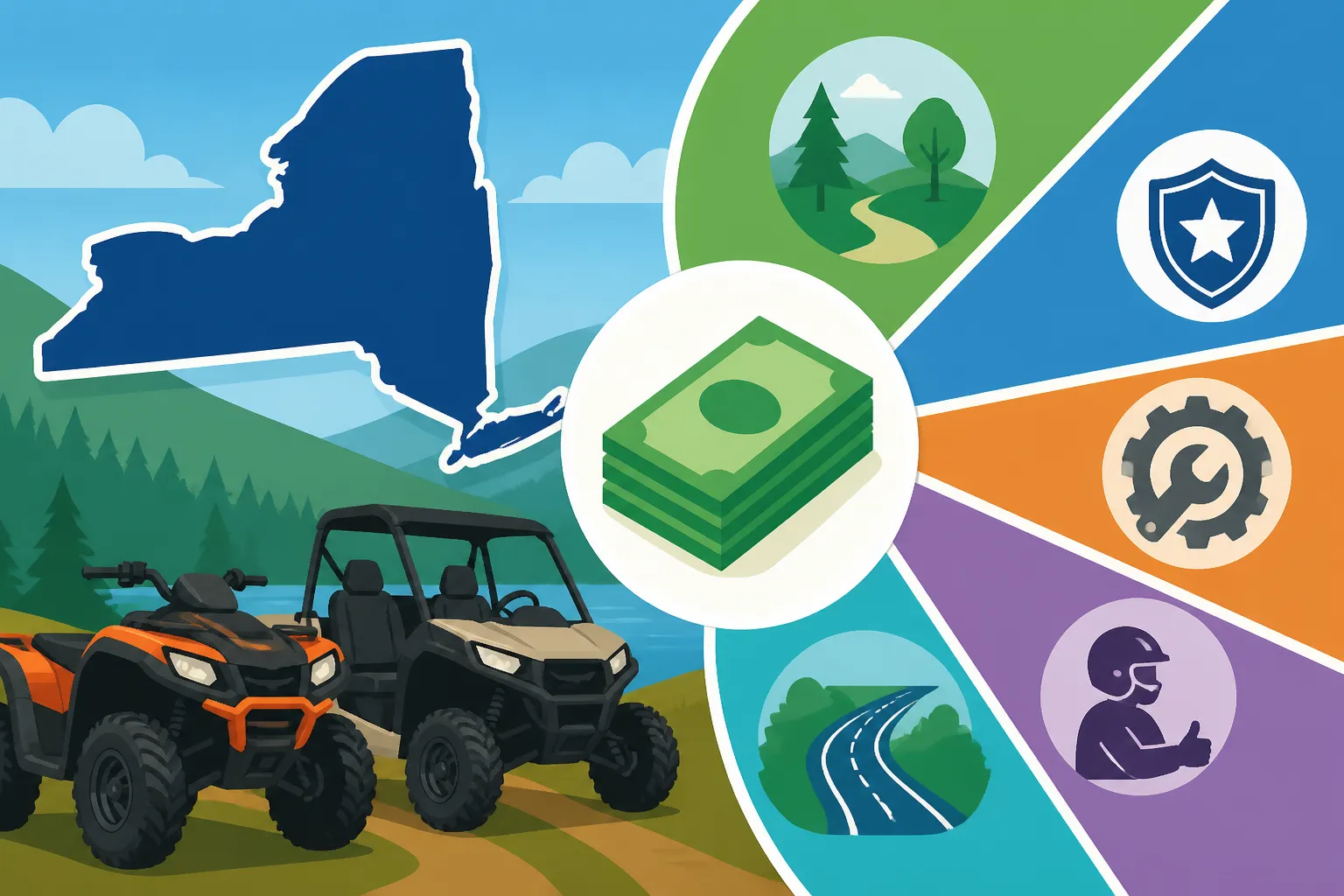
Here's a quick look at where your New York ATV registration dollars primarily go:
| Category | Primary Benefit | Example Activities |
|---|---|---|
| Trail Grants | Direct trail development and maintenance | Clearing debris, grading, signage, bridge repairs |
| Club & Local Support | Empowering local organizations | Funding tools, equipment, insurance for clubs |
| Safety & Education | Promoting safe riding practices | ATV safety courses, public awareness campaigns |
| Economic Development | Supporting local businesses near trails | Increased tourism, local spending on gas, food, lodging |
| Landowner Relations | Securing and maintaining private land access | Formal agreements, communication, issue resolution |
| Administrative Overhead | Running the registration system efficiently | Processing applications, staffing, program management |
Ultimately, your New York ATV registration fee is more than just a payment; it's a contribution to the health and future of ATV riding in the state. From building new trails and maintaining existing ones to fostering safety and supporting local economies, these funds are vital. So next time you're out on a perfectly groomed path or seeing new trail markers, remember that your annual fee helped make that experience possible. It truly goes to show that collectively, our dollars pave the way for more adventures.
Disclaimer
This article is for general informational purposes only and does not constitute professional advice. Laws, prices and regulations vary by location and change over time. Consult a qualified professional for guidance on your specific situation.