Registering a Camp Quad in New York
It's a familiar scene for many of us: you've got a cozy camp up in the Adirondacks, or maybe a secluded cabin out in Tug Hill, and naturally, you want to have an ATV there. It’s perfect for getting around your property, exploring nearby trails (if permitted), or just enjoying the peace and quiet away from paved roads. But the moment you think about bringing that quad up for more than just private land use, or even just making sure it's legal for those rare jaunts on a designated trail, the question of registration looms large. This guide is here to unravel the often-confusing process of registering what many of us affectionately call a "camp quad" in New York State, making sure you're squared away with the DMV.
The Reality of "Camp Quad" Registration in New York
Let's get one thing straight right off the bat: New York State doesn't have a special category called "camp quad" when it comes to registration. Whether your ATV lives full-time at your hunting camp, sits in your garage in Buffalo, or is trailered up to a state park for a weekend adventure, it's all the same to the Department of Motor Vehicles. It's an ATV, and if you plan to operate it anywhere other than your own private property, it needs to be registered. Period. Many folks think if a machine only leaves their property once a year, or only goes between their camp and a trail system, it might be exempt. Unfortunately, that's not how it works in New York.
What New York Requires for Any ATV Registration
So, if there's no special category, what does New York actually require? For any ATV, new or used, whether it's kept at your primary residence or your remote camp, you'll need a few key things: proof of ownership, proof of identity, and proof of New York liability insurance. Sounds straightforward, right? Well, sometimes it's those "proof of ownership" documents that can trip up the best of us, especially with older machines or ones bought informally from a buddy up north. The state wants to make sure the machine is legally yours and that you're responsible for it. This isn't just about collecting fees; it's about accountability on the trails and roads, and ensuring that if something goes wrong, there's a clear paper trail.
Proving Ownership Without a Title for Your Camp Quad
This is where the rubber often meets the road, especially for those beloved older machines that have been passed down through generations or purchased in cash from a neighbor. New York is a "non-title" state for ATVs, meaning they generally do not issue vehicle titles for these machines. This can be a huge source of confusion because in other states, or for cars, a title is the ultimate proof of ownership. Without a title, how do you prove it's yours?
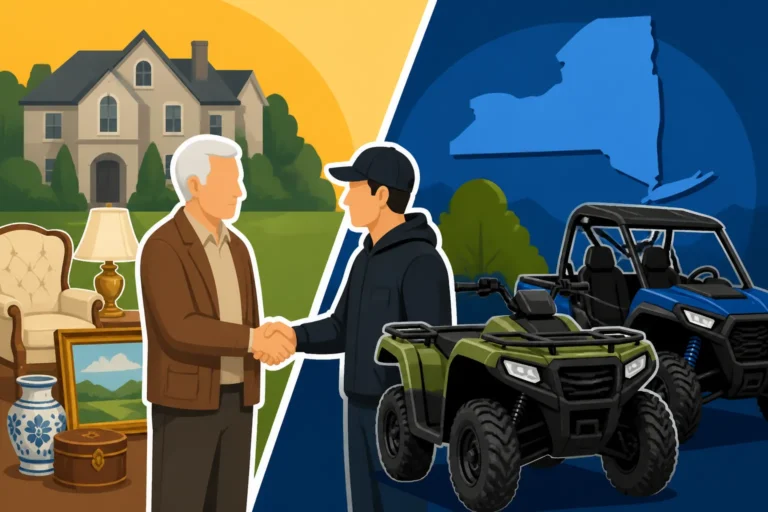
For most ATVs, the primary proof of ownership is a Manufacturer's Certificate of Origin (MCO) for a new machine, or a Bill of Sale for a used one. If you're buying a used machine from a private seller, a detailed bill of sale is crucial. It should include the year, make, model, Vehicle Identification Number (VIN), purchase price, and the names, addresses, and signatures of both the buyer and seller. You can find templates for a solid bill of sale online, and services like LawDepot offer customizable legal forms that can help you draft one. Having a clear, unambiguous bill of sale can save you a world of headache down the line, particularly if you ever need to sell the machine or, heaven forbid, report it stolen. For more on what the state needs, check out [New York ATV Proof of Ownership Requirements].
What if you don't have an MCO or a proper bill of sale? Perhaps the quad has been in the family for ages, or you bought it from someone who also didn't have much paperwork. This is a common predicament, particularly with camp quads that might have been acquired years ago. In such cases, the DMV might accept a notarized affidavit of ownership, sometimes coupled with other supporting documents like old registration cards, insurance policies, or even a statement from the person you acquired it from, if possible. The key is to demonstrate a clear chain of possession. This part can be frustrating, as the DMV needs to be sure the machine wasn't stolen. It's not personal; it's just their process for non-titled vehicles.
Navigating the Registration Process for Your Camp Quad
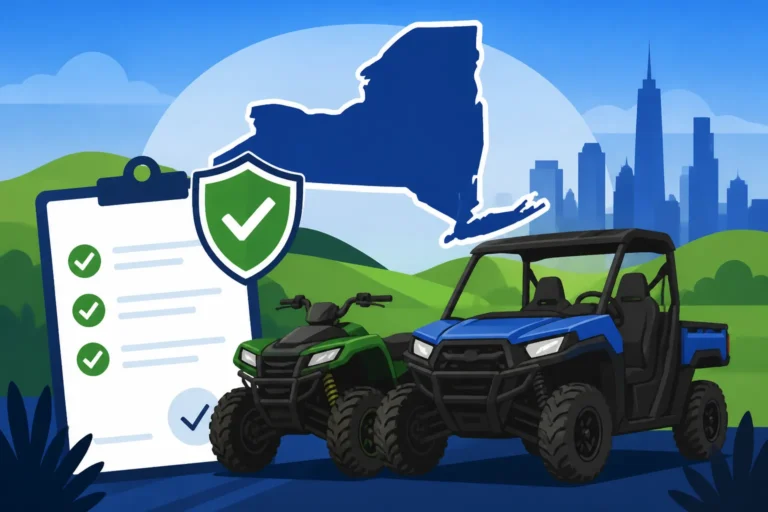
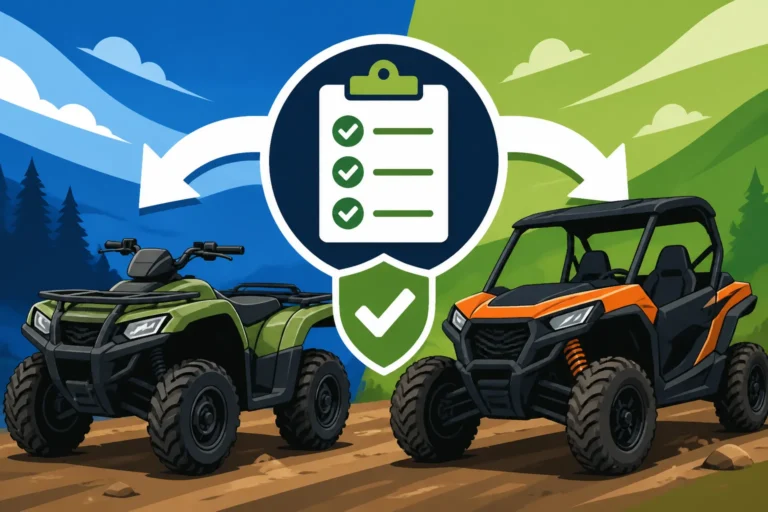
Once you understand the ownership requirements, the actual registration process becomes much clearer. Think of it as a checklist, and tackling each item systematically will make your trip to the DMV a breeze – or at least as breezy as a trip to the DMV can be!
Gathering Your Paperwork
Before you even think about heading out, double-check that you have everything in order. This will save you from making multiple trips. Here’s your go-to list:
- Proof of Ownership: As discussed, this will likely be your MCO or a solid Bill of Sale. If neither exists, you’ll need to prepare that notarized affidavit and any other supporting documents. Remember to bring originals or certified copies.
- Proof of Identity: Your valid New York State Driver's License or non-driver ID card is usually sufficient. If you don't have one, the DMV website lists acceptable forms of identification.
- Proof of New York State ATV Insurance: You absolutely must have liability insurance on your ATV before you can register it. New York requires minimum coverage amounts, so make sure your policy meets these standards. Your insurance provider can give you the necessary proof of insurance card or document. Learn more about this crucial requirement in [New York's Mandatory ATV Insurance].
- New York State Registration Form (MV-51B): This is the specific form for non-titled vehicles like ATVs. Make sure you're using the correct form; sometimes, online searches can lead you to forms for titled vehicles, which won't work. The [New York ATV Registration Paperwork] guide has more details.
- Pencil Tracing of the VIN: The DMV often requires a pencil tracing of your ATV's VIN. This sounds a bit old-school, but it's a way for them to visually confirm the number directly from the machine's frame. Find the VIN (it's usually stamped on the frame somewhere, often near the steering stem or on the lower left side), place a piece of paper over it, and rub a pencil back and forth until the numbers are legible on the paper.
- Payment for Fees: Be prepared to pay the registration fee and a one-time plate fee. The specific amounts can change, so it's always wise to check the current rates on the New York DMV website or call ahead. You'll generally find the [New York ATV Registration Cost] to be fairly consistent year to year, but always verify.
Where to Register Your Machine
You can register your ATV at any New York State Department of Motor Vehicles (DMV) office. While some transactions can be done by mail or online for cars, ATV registration, especially the initial registration, usually requires an in-person visit due to the need for VIN verification and review of ownership documents. If you’re at your camp in a more rural area, you might find a smaller county DMV office that’s less busy than those in major cities. This can often make the process quicker and less stressful. However, always check the specific office's hours and what services they offer before heading out. For more details on locations, see [Where to Register an ATV in New York].
What to Expect at the DMV
When you arrive at the DMV, you'll present all your gathered documents to a clerk. They will review your proof of ownership, verify your identity, and confirm your insurance coverage. They'll also check your completed MV-51B form and verify the VIN tracing. Don't be surprised if they ask a few questions about how you acquired the machine, especially if your ownership documents are older or less formal. Be patient and polite; they are just doing their job to ensure everything is legitimate.
Once everything is approved and the fees are paid, you'll be issued a registration certificate, a set of validation decals, and a New York ATV license plate. The plate must be affixed to the rear of your ATV, and the decals are typically placed on the plate itself to show the current registration year. With your registration in hand, your "camp quad" is officially ready for legal operation on designated trails and public lands (where permitted) in New York.
Important Considerations for Your New York Camp Quad
Registering your ATV isn't a one-and-done deal. There are ongoing responsibilities and specific rules you'll want to keep in mind, especially for a machine that might see seasonal use.
Understanding New York's Annual Renewal Cycle
Unlike vehicle registrations that often expire on your birthday or the anniversary of your purchase, New York ATV registrations have a fixed expiration date: August 31st each year. This means that no matter when you register your ATV during the year, your registration will expire on August 31st. This can sometimes catch people by surprise, particularly if they register in July or August and find themselves needing to renew just a few weeks later. The state does not prorate the fee based on how many months you'll use it. For a deeper dive into this, you can look into [New York's August 31 Expiration].
Renewing your registration is typically a simpler process and can often be done by mail or online if your information hasn't changed. However, always ensure your insurance is current before renewing. The DMV will send out renewal reminders, but it's ultimately your responsibility to keep track of the expiration date.
Insurance Requirements for Riding
We touched on this earlier, but it bears repeating: [New York's Mandatory ATV Insurance] is non-negotiable for riding anywhere off your own private property. This includes designated trails, public land, or even just crossing a public road. The minimum liability coverage is crucial not just for legal compliance, but for your own protection. Accidents happen, and having proper insurance can prevent a minor incident from becoming a major financial disaster. Always carry proof of insurance with you when you ride, just as you would with your car. Law enforcement officers can (and do) ask for it, and the fines for riding without insurance can be substantial.
Addressing Common Camp Quad Scenarios
- Buying a Used Quad at a Camp: If you're buying a used machine from a fellow camp owner, insist on a comprehensive bill of sale. Even if they're a good friend, proper paperwork is key for your protection and for registration. You might even consider using a service like LawDepot to generate a formal bill of sale. This is especially important for [Buying a Used ATV in New York].
- Inherited Machines: If your camp quad was inherited, you'll need additional documentation such as a death certificate and proof that you are the legal heir or executor of the estate to establish ownership. This can sometimes involve an affidavit.
- Machines That Are "Too Old" for Paperwork: For very old machines where original paperwork is long gone and a bill of sale is impossible (e.g., a machine that's been in the family for 50 years), the affidavit route becomes even more critical. You'll need to clearly explain the history of ownership. This ties directly into [Proving Ownership Without a Title in New York].
- Machines Used Only on Private Land: Even if your quad only stays on your private camp property, New York State still has specific rules regarding operation, especially concerning age and helmet use. While registration isn't required for purely private land use, understanding these rules is crucial for safety and avoiding fines if you ever venture beyond your boundaries without realizing it.
Beyond Registration: Safe Riding and Legal Use
Once your camp quad is officially registered, it's natural to want to hit the trails. However, registration is just one piece of the puzzle. It's vital to understand where you can legally ride your ATV in New York.
New York has strict laws about ATV operation. Generally, ATVs are not "street legal" and cannot be operated on public roads, highways, or shoulders, except to cross them at a 90-degree angle where permitted, or on specifically designated and posted ATV trails or roads. Riding an ATV on undesignated public land or private property without permission can lead to significant fines and penalties. [New York Fines for an Unregistered ATV] are just one concern; riding where you shouldn't be can be even more costly.
Many of the best places to ride in New York are through organized trail systems, often managed by counties or private clubs. Lewis County, for example, has an extensive trail network that requires specific permits in addition to your state registration. Always research the local rules and designated riding areas for your specific camp location. Always wear a helmet, follow speed limits, and respect private property. A registered ATV allows you to legally participate in the sport, but safe and responsible riding ensures you, and everyone else, can enjoy New York's beautiful outdoors.
Disclaimer
This article is for general informational purposes only and does not constitute professional advice. Laws, prices and regulations vary by location and change over time. Consult a qualified professional for guidance on your specific situation.