Why Some Trails Serve Two Seasons
New York shared trails require seasonal agreements and landowner permission before snowmobiles and ATVs use the same corridor.
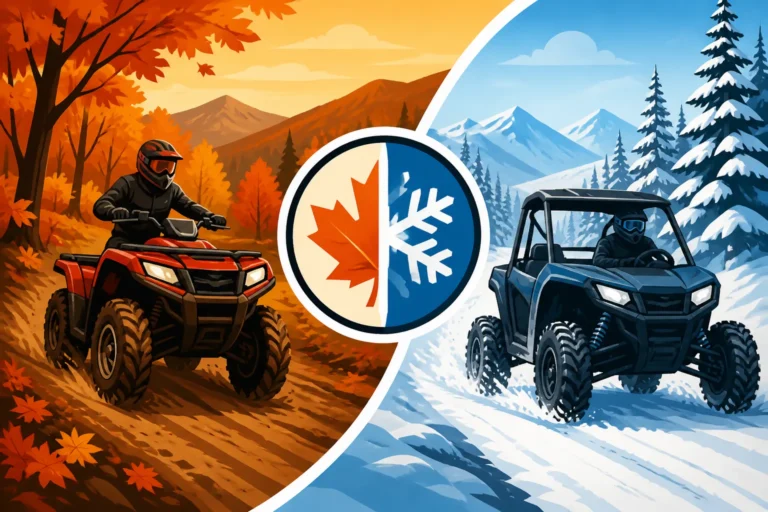
New York shared trails require seasonal agreements and landowner permission before snowmobiles and ATVs use the same corridor.
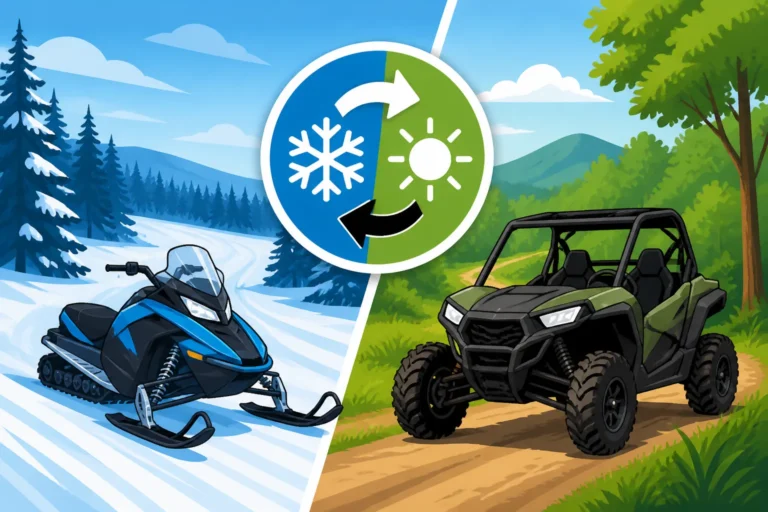
New York snowmobile corridors require specific landowner permission and manager checks before summer ATV riding.
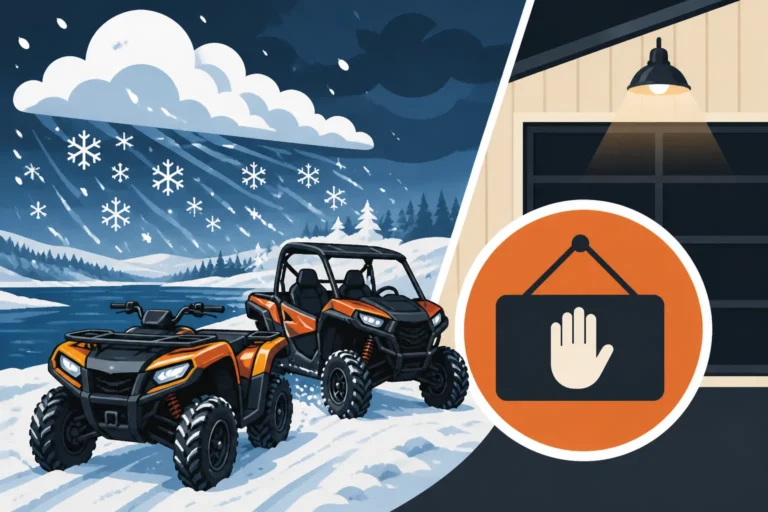
Lake-effect snow near Tug Hill explains why New York ATV trails close early and how to check local trail status.
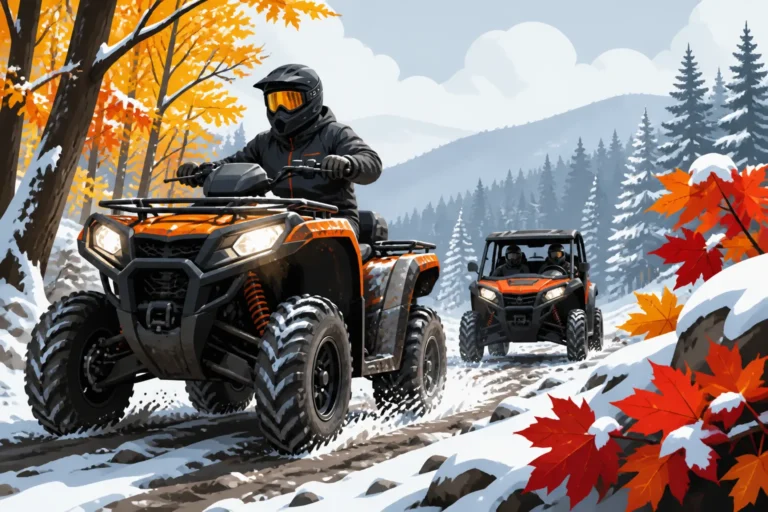
New York ATV riders learn how to confirm trail access, check changing local conditions, and navigate early October snow safely.
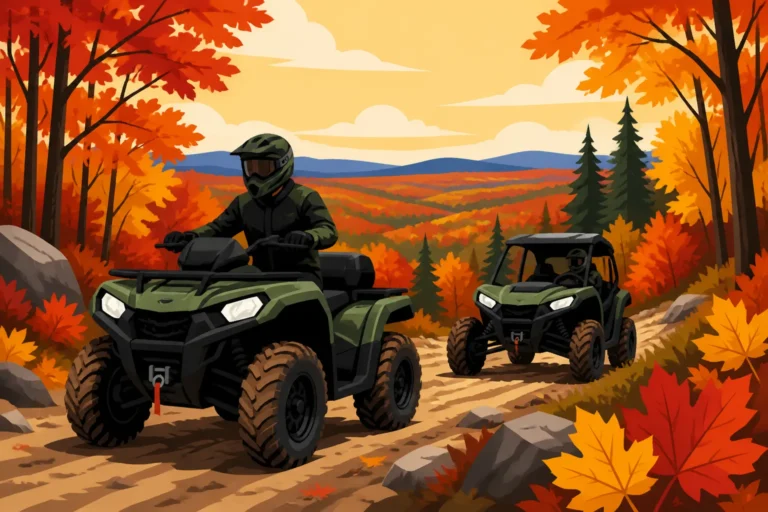
Fall ATV riding on the Tug Hill Plateau requires checking open trails, managing wet conditions, and planning shorter routes.
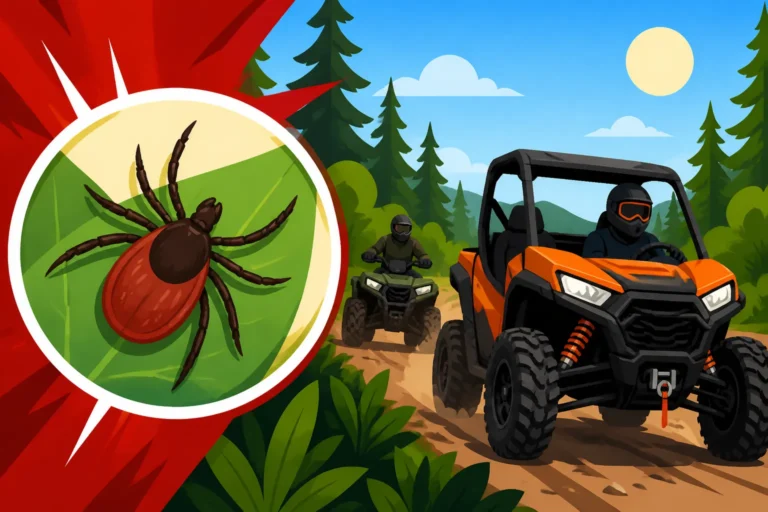
Deer ticks on summer ATV rides can be managed by reducing exposure, checking gear, and responding calmly to bites.
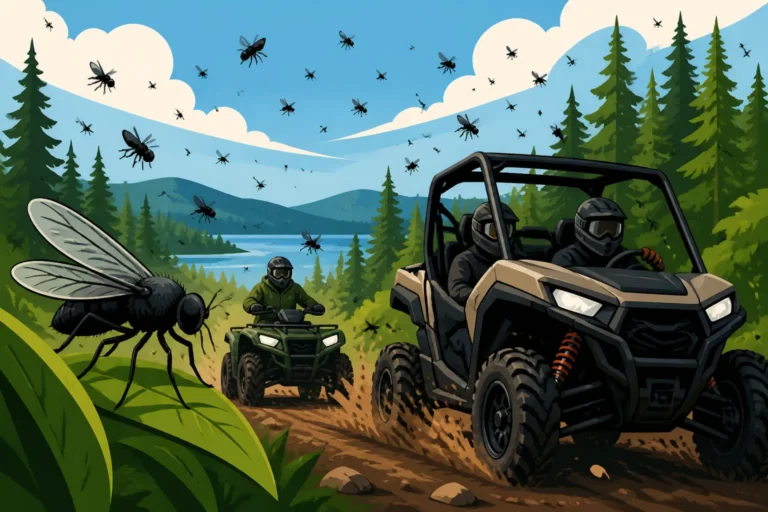
Black flies during northern New York June rides require proper gear adjustments, collar checks, and trail preparation.
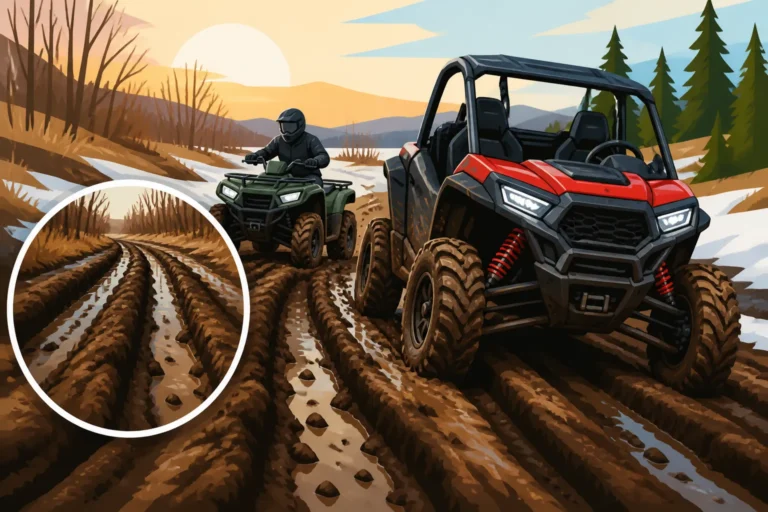
Spring trail conditions in New York explain how to judge wet ground, protect routes, and decide when to turn around.
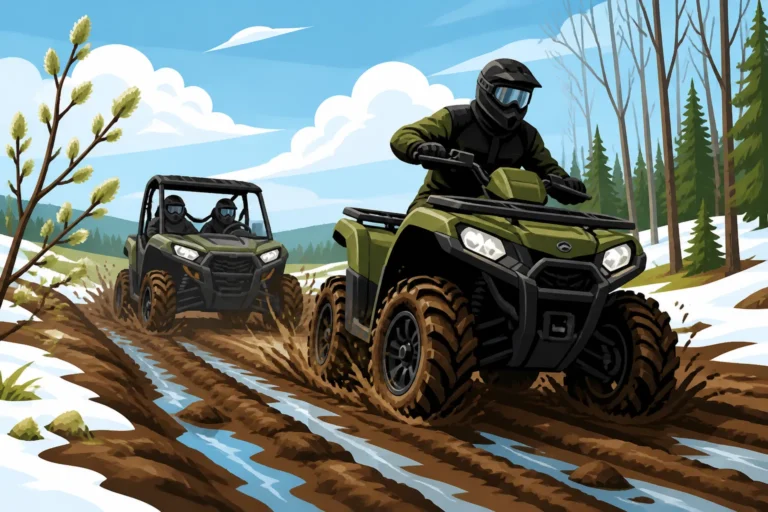
New York spring thaw conditions and trail checks help riders judge soft ground and prevent permanent route damage.
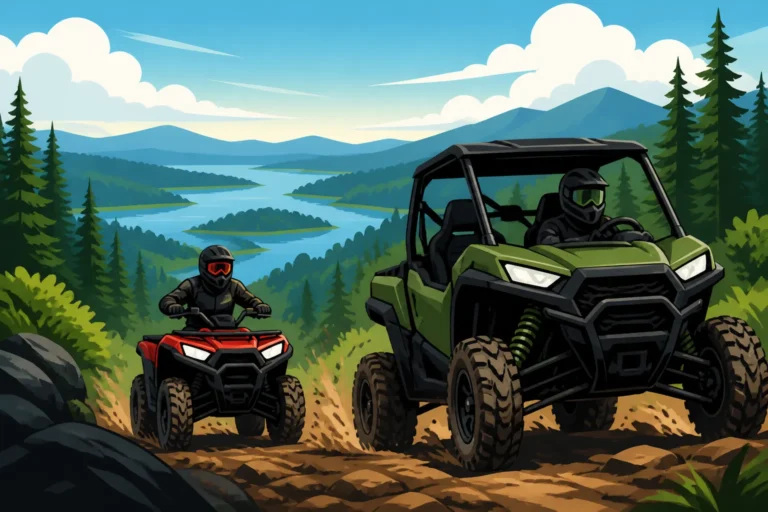
ATV riding in Northern Franklin County requires checking local rules, town road laws, and landowner permission before starting.