Staging Before the Lot Fills
Proper New York ATV trailhead staging requires checking parking rules and picking realistic arrival times to avoid full lots.

Proper New York ATV trailhead staging requires checking parking rules and picking realistic arrival times to avoid full lots.

ATV and UTV washing instructions explain safe home cleanup methods, required cooling times, and proper trail etiquette rules.

Wet-weather creek crossings on New York ATV trails require assessing water depth, checking damaged banks, and knowing when to turn around.

New York ATV trail flooding caused by beavers requires riders to assess water depths and find authorized routes.

Black bear encounters in northern New York woods require trail riders and campers to keep food secured and back away slowly.
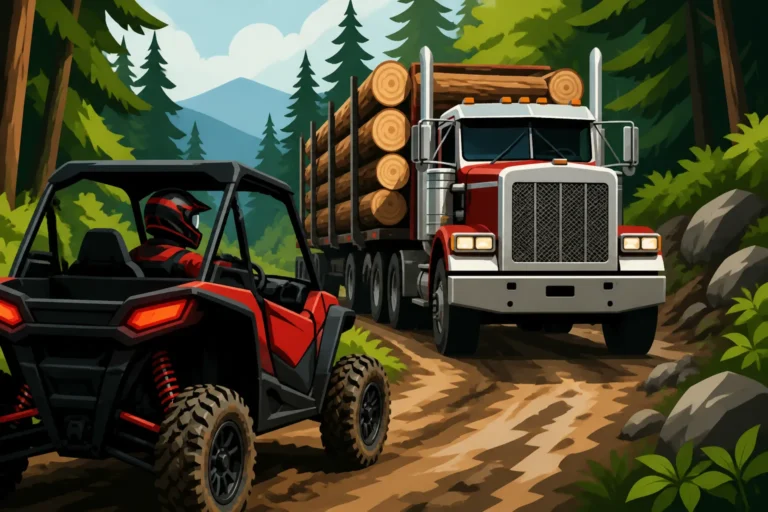
New York ATV riders meeting a logging truck must slow early, stay visible, and yield safely on narrow trail roads without hitting unstable shoulders.

Cross-county ATV rides require checking separate trail permits, registration rules, and local access conditions for each route segment.

ATV fuel planning on New York trail loops helps riders estimate machine range, carry reserves safely, and locate legal gas stations.

Cell dead zones on Tug Hill can disrupt ATVs, explaining how to save offline maps and prepare for lost service.

Overnight parking near a New York ATV trailhead requires checking land ownership, posted signs, and local rules.