New York ATV Width Limit for Registration
It's incredibly frustrating when you're looking to hit the trails or simply want to use your ATV or UTV around your New York property, only to find yourself scratching your head over registration rules. Many folks quickly discover that New York State has some pretty specific requirements for what actually qualifies as an "All-Terrain Vehicle" for registration purposes, and one of the biggest hurdles for modern machines is often the width limit. This guide is going to dive deep into New York's ATV width limit, explaining exactly what it means for you and your machine, and helping you understand why your otherwise perfect quad or side-by-side might not make the cut for registration.
Understanding New York's ATV Definition
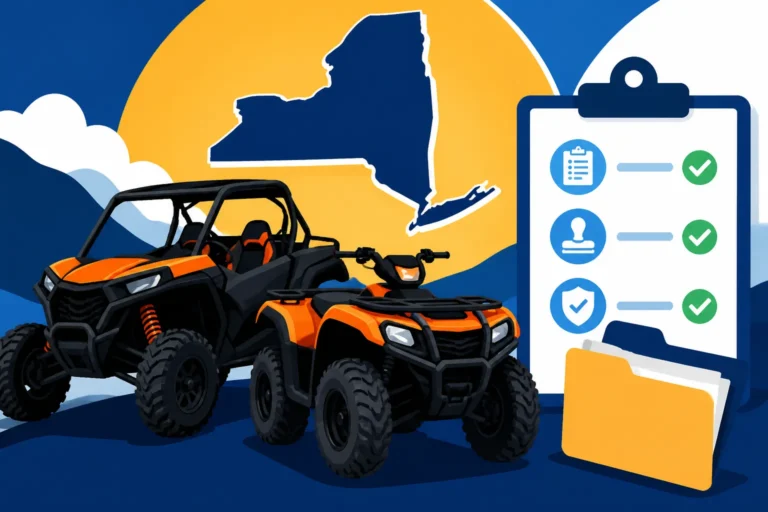
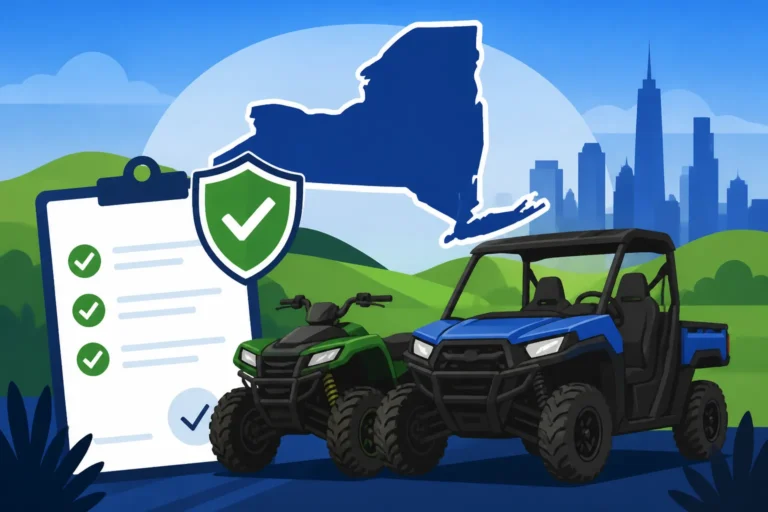
New York State, like many places, has a very specific legal definition for what constitutes an "All-Terrain Vehicle" that can be registered for use on public lands and designated trails. This isn't just a casual description; it's a set of criteria that your machine must meet to get that coveted New York plate and decal. Many riders, especially those new to the sport or those coming from other states, are often surprised by just how narrow this definition can be, particularly when it comes to the overall width of the machine. It's easy to assume that if it looks like an ATV or a UTV, it must be an ATV or a UTV in the eyes of the law, but that's not always the case here in the Empire State.
The Critical 70-Inch Measurement
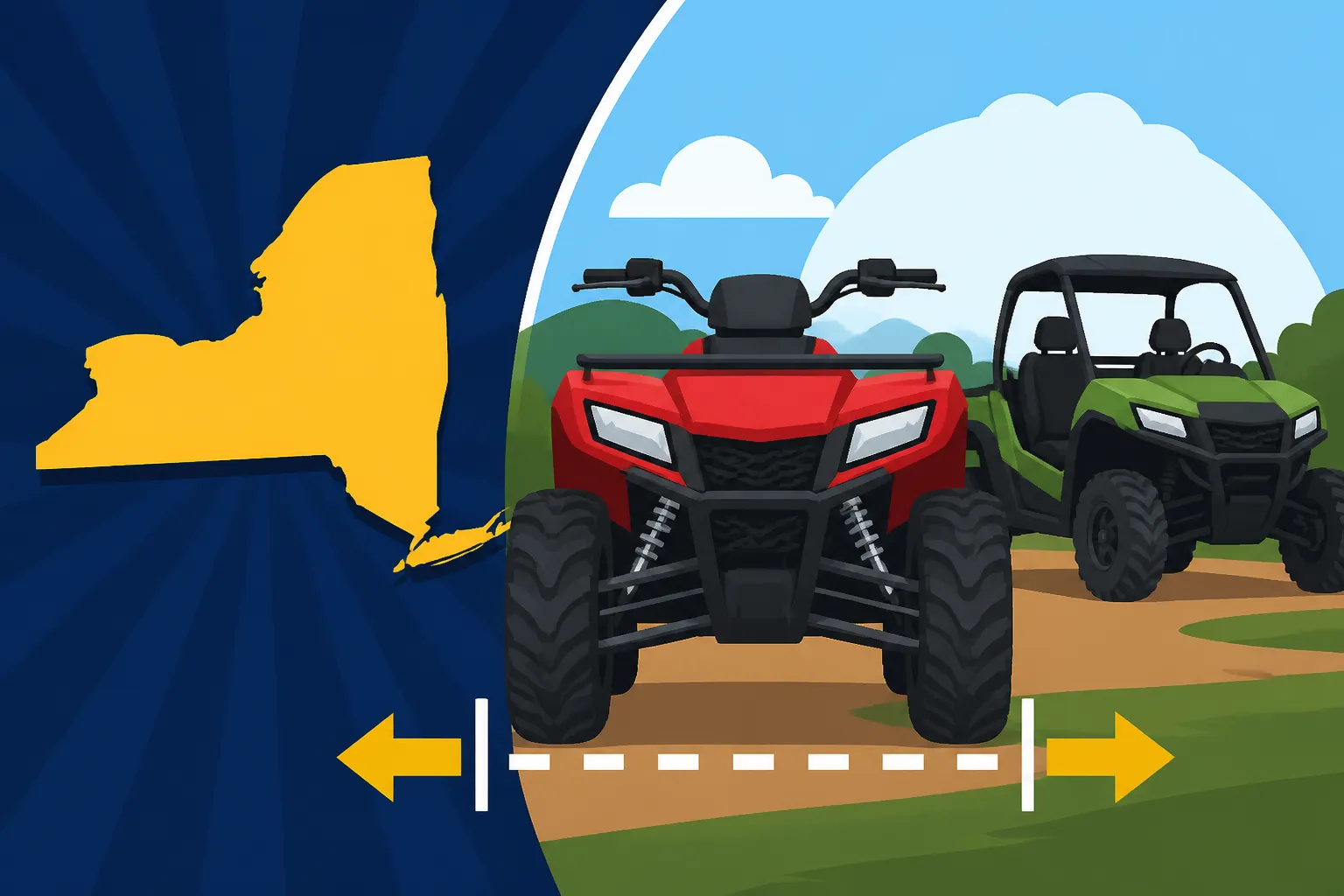
The heart of the matter for many modern machines lies in the measurement. New York's Vehicle and Traffic Law defines an ATV, in part, as a machine that does not exceed seventy inches in width. Yes, you read that right: seventy inches. This isn't just a suggestion; it's a hard limit. This measurement is taken from the widest point of the machine, typically from the outside edge of one tire to the outside edge of the tire on the opposite side. It's a precise measurement that leaves very little room for interpretation, and it's where many popular machines, especially side-by-sides, run into trouble right from the start.
For many riders, this 70-inch rule feels incredibly restrictive. You might be picturing a modern, robust machine with a stable stance, built for comfort and capability, only to realize it's a few inches too wide. This can be a huge disappointment, especially if you've already purchased your dream machine before fully understanding all the intricacies of [New York ATV Registration Paperwork]. It’s a common scenario, and it highlights why it’s so important to be aware of these specific rules before you even start shopping, let alone head to the DMV.
Why Width Matters for Registration
You might wonder why New York is so particular about width. It's not arbitrary; there are practical reasons behind this specific measurement. Historically, ATV trails were often designed for traditional, single-rider quads, which typically fall well within the 70-inch limit. These trails might be narrow, winding through dense trees, or crossing older infrastructure like bridges that have width restrictions. The 70-inch rule helps ensure that registered machines can safely and responsibly navigate these established trail systems without causing damage or getting stuck.
Furthermore, the width limit ties into the state's broader effort to define what an ATV is versus other types of recreational vehicles. By keeping the width relatively narrow, the state distinguishes ATVs from larger, more utility-focused vehicles or even small off-road cars that would not fit on many existing trails. This also plays a role in safety, as wider machines can behave differently on certain terrains and might pose different risks if allowed on trails not designed for their dimensions. Understanding this rationale, even if you disagree with the specific number, can help clarify why New York ATV Width Limit for Registration is such a critical piece of the puzzle.
What Machines Fail the New York Width Test
The reality is that a significant number of today's popular off-road vehicles simply do not meet New York's 70-inch width limit for registration. This can be a bitter pill to swallow for enthusiasts who have invested in powerful, comfortable, and versatile machines, only to find their options for legal riding in New York severely limited. It's a common point of frustration that many riders face when they bring a new machine home or try to register an existing one for the first time in the state.
The Rise of Wider Side-by-Sides
Over the last decade or so, the off-road vehicle market has seen a massive shift towards side-by-sides, also known as Utility Terrain Vehicles (UTVs). These machines are incredibly popular for good reason: they offer seating for multiple passengers, often have cargo beds for hauling gear, and provide a more car-like driving experience. They're perfect for everything from farm work to family trail rides, hunting expeditions, and general recreation. However, with increased stability, comfort, and capability often comes increased size, and many, if not most, modern side-by-sides simply exceed New York's 70-inch width restriction.
This trend has created a significant disconnect between what consumers want and what New York law allows for registration. You might own a fantastic four-seater UTV designed for exploring vast wilderness areas, only to learn that it’s too wide for state registration, effectively limiting its legal use to private property. This can feel like a punch to the gut, especially when you see similar machines riding freely in neighboring states. It's why many riders are keenly interested in [A New York Bill to Widen the ATV Definition] and similar legislative efforts to update the state's vehicle definitions to reflect modern off-road offerings.
Impact on Popular UTV Models
While I can't name specific models or brands, let's talk about the types of machines that typically run afoul of the 70-inch rule. Think about the vast majority of sport-oriented UTVs designed for high-performance trail riding; their wider stance is often a key part of their stability and handling. Many utility-focused UTVs, built to carry passengers and heavy loads across various terrains, also frequently push past that 70-inch mark, especially when equipped with aftermarket tires or even just standard-issue, aggressive tread.
Even some larger, more stable ATVs, particularly those designed for two riders or with a focus on aggressive terrain capability, can sometimes approach or exceed the 70-inch threshold. It's not just the gargantuan machines; even moderately sized side-by-sides can quickly find themselves deemed "too wide" for New York registration. This has a profound impact on the purchasing decisions of New York residents and on visitors bringing their machines from out of state, making it crucial to verify dimensions before committing to a purchase or planning a trip. You don't want to show up at a registration counter, ready with your [New York ATV Proof of Ownership Requirements] and all your other paperwork, only to be turned away because your machine is just a few inches too wide.
Practical Implications for Riders and Buyers
Knowing about the 70-inch width limit is one thing, but truly understanding its practical implications for you as a rider or potential buyer is another. This rule isn't just a minor hurdle; it's a fundamental barrier for many machines, and it demands careful consideration before you invest your hard-earned money or plan your riding adventures in New York. Ignoring this rule can lead to significant disappointment, wasted money, and even legal trouble if you're caught riding an unregistered machine where it's not permitted.
Before You Buy: Measuring Your Machine
This is perhaps the single most crucial piece of advice for anyone considering an ATV or UTV in New York: measure before you buy! Seriously, don't rely on manufacturer specifications alone, as these can sometimes be misleading or not account for accessories like wider tires. Grab a tape measure and get down to business. Measure from the widest point of the machine, which will typically be the outside edge of one tire to the outside edge of the opposing tire, including any tire bulge. Do this for both the front and rear axles, as widths can sometimes vary slightly.
If you're buying new from a dealer, ask them to confirm the exact width of the specific model you're looking at. For used machines, you absolutely must verify this yourself. It’s also wise to get a proper bill of sale, which you can easily draft using resources like LawDepot, to clearly document the transaction and the machine's details. This way, even if the machine doesn't meet New York's registration width, you still have clear proof of ownership. Remember, knowing the exact dimensions upfront can save you a world of heartache and ensure you don't end up with a machine that can only be ridden on your private land, significantly limiting your recreational options.
Consequences of Attempting to Register or Riding an Over-Width Machine
So, what happens if your machine exceeds that 70-inch limit? First and foremost, you simply won't be able to [Registering an ATV in New York]. The DMV staff will measure or verify the dimensions, and if it's over, they will deny registration. This means no New York plate, no New York validation decal, and no legal access to public ATV trails or designated roads in the state. You'll have gone through the effort of gathering your [New York ATV Registration Paperwork], waited in line, and still walk away empty-handed.
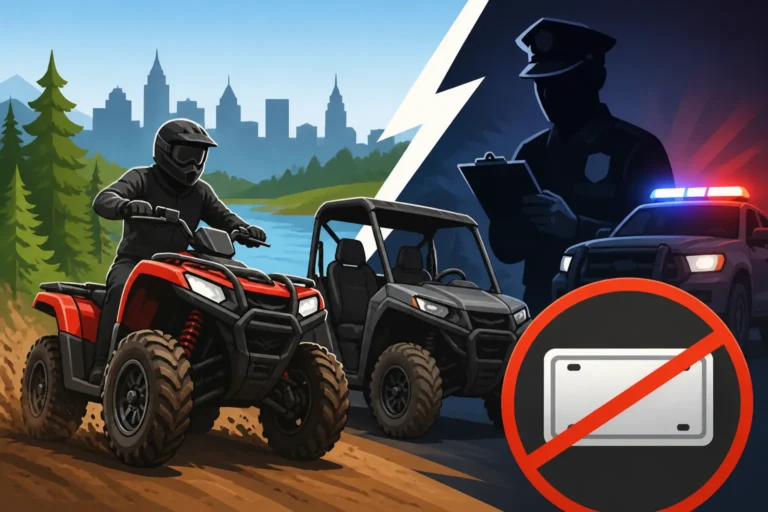
Furthermore, riding an unregistered, over-width machine on public trails or any place where registration is required (which is most places off private property) carries significant penalties. You could face fines, have your machine impounded, and even incur points on your driver's license if you're found in violation. It's not worth the risk. Even if you have comprehensive insurance, many policies will only cover you if your machine is legally registered for the area you're riding in. It’s a situation where a simple tape measure before purchase can prevent a cascade of expensive and frustrating problems down the road.
Navigating the System with an Over-Width Machine
Finding out your dream machine is too wide for New York registration can be a real letdown. However, it doesn't necessarily mean the end of your off-road adventures. While your options will certainly be more limited, there are still ways to enjoy your machine in the Empire State. It’s all about understanding the rules and being realistic about where and how you can ride.
Limited Riding Options for Wide Machines
For machines that exceed the 70-inch width limit and therefore cannot be registered in New York, your primary legal riding area will be private property with the landowner's explicit permission. This includes your own land, if you have it, or the land of friends, family, or clubs that own private property and allow ATV/UTV use. Some dedicated, privately owned off-road parks might also accommodate wider side-by-sides, as their rules are not strictly governed by state registration laws, though they will have their own entry fees and liability waivers. Places like Tall Pines ATV Park, for example, cater to a wide variety of machines and riders, operating under their own set of rules separate from state registration requirements.
What you absolutely cannot do is ride an unregistered, over-width machine on public ATV trails, state forests, county lands, or designated town roads in New York. These areas require a valid New York ATV registration, which, as we've discussed, is unattainable for machines over 70 inches. This means large swaths of popular riding destinations, like the extensive [Lewis County ATV Trail System in New York], will be off-limits. It's a tough reality for many side-by-side owners, and it underscores the importance of choosing a machine that fits the rules if you plan on riding public trails.
Advocacy for Change and Potential Future Legislation
The frustration among riders with wider machines isn't lost on lawmakers. There have been ongoing discussions and proposals to update New York's ATV definition to be more inclusive of modern UTVs. Bills have been introduced in the state legislature that aim to increase the width and weight limits, recognizing that the current definition is outdated and excludes many popular and safe recreational vehicles. For example, some proposals have explored raising the width limit to 80 inches and the weight limit to 2,000 pounds, which would open the door for many side-by-sides.
However, these legislative efforts face challenges. They often get stuck in committee or encounter opposition from various groups concerned about environmental impact, trail integrity, or public safety. While the conversation continues, and advocacy groups are working hard to bring about change, as of now, the 70-inch width limit remains firmly in place for registration. It's a slow process, but staying informed about proposed changes, like [A New York Bill on UTV Registration], is important for any rider hoping for a future where their wider machine can legally explore more of New York's beautiful landscapes.
Here's a quick overview of how width impacts your ATV/UTV experience in New York:
| Feature/Aspect | Machine Under 70 Inches Wide | Machine Over 70 Inches Wide |
|---|---|---|
| New York State Registration | Eligible for registration (if other criteria met) | Not eligible for New York State registration |
| Public ATV Trails | Legal access to designated and posted public trails | No legal access to designated public trails |
| Private Land Use | Legal with landowner permission | Legal with landowner permission |
| Dedicated Private Parks | Often permitted (check park's specific rules) | Often permitted (check park's specific rules, may require specific permits) |
| Purchasing Consideration | Wider range of options for legal public trail riding | Limited to private land or specific parks, reduces resale value for NY residents |
| Proof of Ownership | Bill of sale (e.g., from LawDepot) crucial for registration | Bill of sale (e.g., from LawDepot) still crucial for ownership records |
| Potential Future Changes | Already compliant, but new legislation could expand trail access | Potential for future legal access if width limits are increased |
Disclaimer
This article is for general informational purposes only and does not constitute professional advice. Laws, prices and regulations vary by location and change over time. Consult a qualified professional for guidance on your specific situation.