What New York’s Electric ATV Bill Would Change
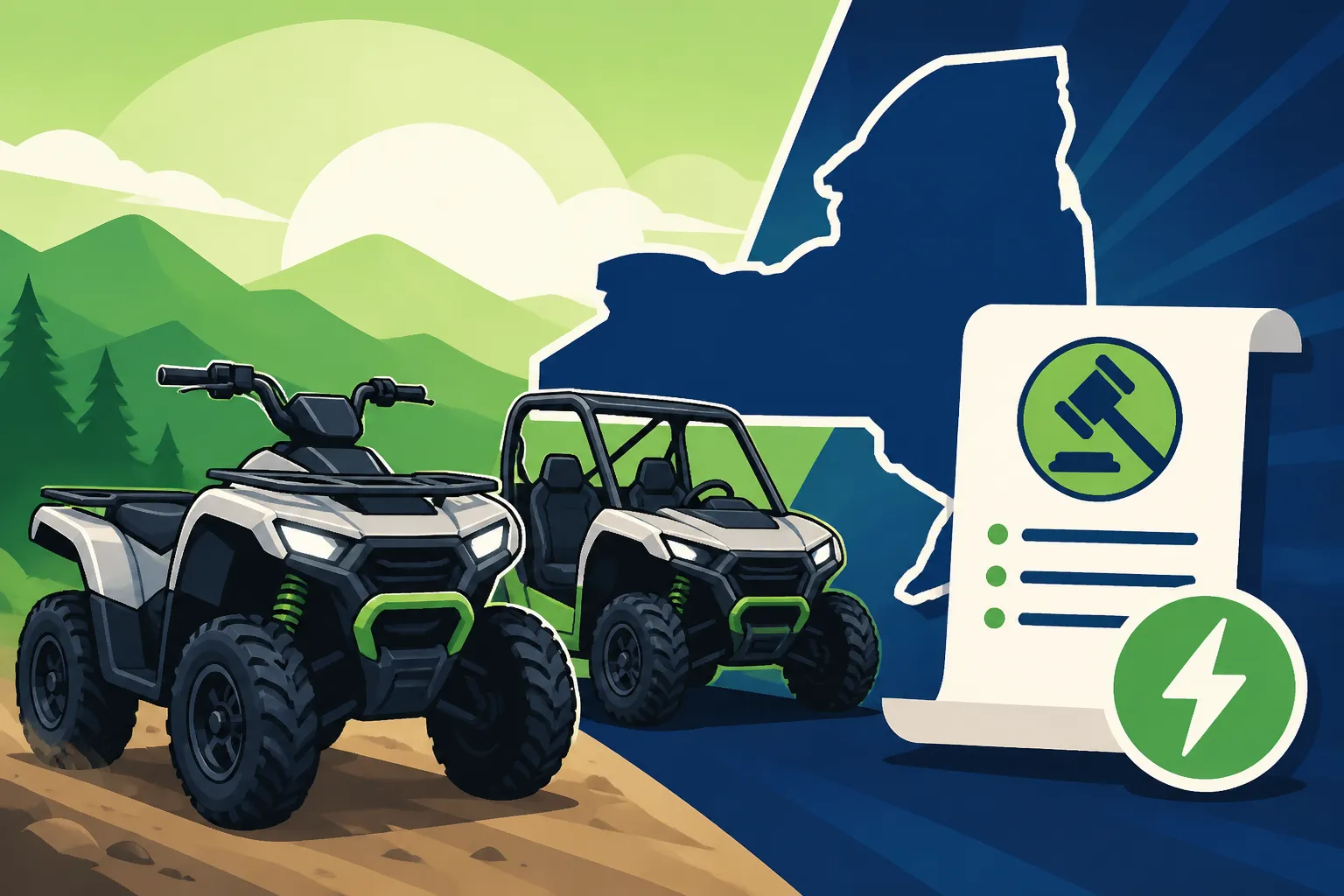
The world of off-road riding is constantly evolving, and one of the biggest shifts we're seeing is the rise of electric ATVs. For many New York riders, these quiet, powerful machines offer an exciting glimpse into the future, but they also bring a fair share of confusion. Our current ATV laws in New York were really written with gasoline engines in mind, which means electric ATVs often find themselves in a regulatory gray area, leaving riders unsure about registration, where they can ride, and what rules even apply. This guide will dive deep into what a proposed Electric ATV Bill in New York could mean for you, clarifying the potential changes and helping you understand how these modern machines might finally get their proper place on the trails.
The Current Regulatory Challenge for Electric ATVs in New York
Right now, if you've got an electric ATV in New York, you're navigating a bit of a legal labyrinth. The existing definitions for ATVs under New York Vehicle and Traffic Law (VTL) Article 48-A are largely based on machines with internal combustion engines. This wasn't a problem when electric ATVs were just a niche concept, but with their growing popularity, it's becoming a real headache for riders and regulators alike.
Defining "ATV" in a New Era
New York's current ATV definition includes specifics about engine displacement, generally referring to cubic centimeters (cc). This is fantastic if your quad runs on gas, but an electric machine doesn't have an "engine displacement" in the traditional sense. It has a motor measured in kilowatts (kW) or horsepower. This fundamental difference means that many electric ATVs technically don't fit the existing definition, which creates a huge barrier to legal [Registering an Electric Machine in New York]. It's like trying to fit a square peg in a round hole – the law simply wasn't designed for this technology.
Think about it: when the rules were first written, no one was envisioning a quiet, battery-powered machine humming through the woods. They were thinking about roaring two-strokes and four-strokes. This outdated language means that many perfectly capable electric ATVs are left in limbo, often unable to be registered because they don't meet the "engine" criteria, even if they meet other physical dimensions like width or weight.
Weight and Width: The Electric Dilemma
Beyond the engine definition, electric ATVs often present challenges with New York's existing [New York ATV Width Limit for Registration] of 70 inches and [New York ATV Weight Limit for Registration] of 1,000 pounds. While many traditional ATVs easily fall within these parameters, the batteries required for electric ATVs can add significant weight. This often pushes electric machines, especially those designed for utility or longer range, beyond the 1,000-pound limit.
Imagine you've just invested in a powerful, long-range electric ATV that's perfect for tackling chores around your property or exploring remote trails. You haul it to the DMV, brimming with excitement, only to be told it's too heavy or wide to qualify for registration under the current ATV rules. This isn't just a minor inconvenience; it's a major roadblock that can make your expensive new machine effectively unusable on public trails or designated riding areas. This struggle to fit within the existing weight and width limits, combined with the lack of an appropriate engine definition, highlights the urgent need for updated legislation to accommodate electric ATVs.
Key Provisions of the Proposed Electric ATV Bill
The good news is that lawmakers are starting to recognize this gap and are proposing legislation to bring New York's ATV laws into the 21st century. While the specifics of any bill can change as it moves through the legislative process, the general intent is to create a clear legal framework for electric ATVs.
Redefining "ATV" to Include Electric Machines
One of the most crucial changes an Electric ATV Bill would introduce is a revised definition of "ATV" that explicitly includes electric-powered machines. This means moving beyond just "engine displacement" and incorporating language that accounts for electric motors, likely using kilowatt (kW) ratings or electric horsepower equivalents. This would finally provide a legal pathway for electric ATV owners to register their vehicles and participate in New York's riding community.
This redefinition isn't just about semantics; it's about legitimizing a whole new category of off-road vehicles. Without it, electric ATVs remain in a gray zone, neither fully recognized nor explicitly prohibited, which creates confusion for everyone. By clearly stating that an electric machine, meeting certain power or weight criteria, is an ATV, the bill would eliminate much of the ambiguity currently faced by owners and DMV personnel. This would be a welcome change, making the process of [New York ATV Registration Paperwork] much smoother for electric machine owners.
Updating Weight and Width Limits
Beyond the definition, a comprehensive Electric ATV Bill would likely address the current [New York's 1,000-Pound Weight Limit] and [New York's 70-Inch Width Limit]. As we discussed, many electric ATVs exceed these limits due to battery weight and robust construction. The proposed changes might include:
- Increased Weight Limit: A higher weight limit, perhaps up to 1,500 or 2,000 pounds, specifically for electric ATVs. This would acknowledge the inherent weight of battery packs while still aiming to keep machines within reasonable safety and trail impact parameters.
- Revised Width Considerations: While less common, some electric utility-focused side-by-sides might also benefit from adjusted width considerations if they are intended to operate under ATV rules. However, the current bill primarily focuses on ATVs, which tend to be narrower than side-by-sides.
These adjustments are vital for ensuring that modern electric ATVs aren't excluded simply because their technology makes them heavier. Without these changes, many cutting-edge machines would still be left out, stifling innovation and limiting choices for environmentally conscious riders. The goal here is to balance safety and trail preservation with the reality of electric vehicle design.
Noise and Environmental Standards
Another aspect of the bill might involve specific noise and environmental standards tailored for electric ATVs. While electric machines are inherently quieter and produce zero tailpipe emissions, regulations might still include:
- Maximum Decibel Levels: Even electric motors can produce some noise, and accessory noise (like winches or tires) still exists. Establishing specific decibel limits would ensure that even quiet machines contribute to a respectful trail environment, especially in areas sensitive to noise pollution.
- Battery Disposal and Recycling Mandates: As electric vehicles become more prevalent, the issue of battery end-of-life management becomes critical. The bill might include provisions or requirements for manufacturers or dealers regarding the safe and responsible disposal or recycling of ATV batteries.
These standards would reinforce the environmental benefits of electric ATVs while also addressing potential new concerns unique to their operation. It's about thinking ahead and creating a sustainable framework for this evolving segment of the off-road industry.
Potential Impacts on Registration and Ownership
If an Electric ATV Bill becomes law, it would have significant, positive impacts on how electric ATVs are registered and owned in New York, removing many of the current frustrations riders face.
Clearer Registration Process and Requirements
The most immediate change would be a much clearer and more straightforward [Registering an ATV in New York] process for electric machines. No longer would owners need to try and explain how their kilowatt motor somehow translates into cubic centimeters for a DMV clerk. Instead, the DMV would have specific guidelines for electric ATVs.
This means that owners would likely follow a process very similar to traditional ATV registration, but with forms and requirements specifically updated for electric models. You'd still need proof of ownership, such as a bill of sale – something you can easily create using a service like LawDepot, ensuring all the necessary details are captured, even if New York issues no ATV title. This makes transferring ownership or proving legitimate possession much simpler. You'd present your ownership documents, a [New York ATV Bill of Sale Requirements] perhaps, and the necessary fees, and hopefully walk away with a plate and validation decal. The confusion and frustration at the counter would largely be a thing of the past.
Ownership Documentation Without a Title
It’s important to remember that New York currently does not issue a title for ATVs, regardless of whether they are gas or electric. This is a common point of confusion for new owners. The Electric ATV Bill isn't likely to change this fundamental aspect of [Why New York Issues No ATV Title]. However, making electric ATVs explicitly registrable under VTL Article 48-A would strengthen the importance of other forms of ownership documentation.
Even without a title, you'll still need solid proof that the machine is yours. This includes a clear bill of sale, often supplemented by a pencil tracing of the VIN (Vehicle Identification Number) as required by the DMV for [New York ATV VIN Tracing Requirement]. If you're buying a used electric ATV, ensure you get a properly filled out bill of sale from the seller. Tools like LawDepot can provide customizable bill of sale templates that ensure all critical information, like the VIN, make, model, and sale price, are clearly documented. This paper trail becomes your primary proof of ownership when you go to register the machine, transfer it to another owner, or deal with insurance claims. Having these documents in order, even without a title, is absolutely essential.
New York ATV Registration Cost and Fees
While the bill itself might not directly set new fee structures, once electric ATVs are formally recognized, they would fall under the existing fee schedules for [New York ATV Registration Cost]. This typically includes a registration fee and a one-time plate fee. The annual registration fee would likely be the same as for gasoline-powered ATVs, and you'd pay the initial [New York ATV Plate Fee You Pay Only Once] for your physical plate.
The financial implications wouldn't be drastically different from what gasoline ATV owners experience. The primary difference would be the ability to actually pay those fees and get a legal registration, which is the whole point! This predictability is good for riders, allowing them to budget for their recreational activities without worrying about unknown or special costs just for their electric machine.
Implications for Riding Areas and Trail Access
Beyond registration, a clear legal definition for electric ATVs could unlock new opportunities for where and how these machines can be ridden across New York State. This is perhaps one of the most exciting prospects for electric ATV owners.
Opening Up Previously Restricted Areas
One significant potential change is the opening of certain riding areas that were previously off-limits to traditional gasoline-powered ATVs due to noise concerns or emissions regulations. Electric ATVs, with their near-silent operation and zero emissions, could be a game-changer for land managers who are wary of the impact of internal combustion engines.
Imagine a scenic trail system that's been closed to motorized vehicles because it borders a quiet residential area or traverses sensitive wildlife habitats. With electric ATVs, the primary objections – noise, exhaust fumes, and potential for oil spills – are largely mitigated. This doesn't mean every trail would suddenly open, but it creates a powerful argument for [New York Rules for Riding State Land] to be re-evaluated for electric machines. We might see pilot programs on certain state-owned lands, especially those near communities or in areas where quiet recreation is highly valued. The potential for expanding the footprint of legal, designated riding areas in New York is immense.
Challenges with Charging Infrastructure
While the potential for increased access is exciting, a critical challenge that will need to be addressed is the development of charging infrastructure. Unlike gasoline, which can be carried in a jerry can or found at any gas station, electric ATVs need specific charging points.
- Trailhead Charging: For longer rides, trailheads or designated stopping points would ideally need charging stations. This would require significant investment and planning by trail associations, counties, or the state.
- Home vs. Away: Most riders charge their electric ATVs at home, but multi-day trips or extensive trail networks would necessitate public charging options. Without them, "range anxiety" could become a real issue, limiting how far riders are willing to venture from their home base or trailer.
This infrastructure question isn't unique to ATVs; it's a hurdle for all electric vehicles. However, the remote nature of many ATV trails makes it particularly challenging. Solutions might involve partnerships with local businesses, solar-powered charging stations in remote locations, or even mobile charging units. It's a complex puzzle, but one that will need to be solved for electric ATV riding to truly flourish.
Integrating with Existing Trail Systems
The integration of electric ATVs into existing trail systems, such as the vast networks found in Lewis and Oswego Counties, would need careful consideration. While they are quiet, they still share many characteristics with gas ATVs in terms of speed, weight, and trail impact.
- Shared Use: Most likely, electric ATVs would share trails with traditional ATVs and potentially snowmobiles during winter months, as many trails are dual-purpose [New York Rules for Riding a Snowmobile Trail]. This means adhering to the same safety rules, speed limits, and etiquette.
- Trail Maintenance: The weight of electric ATVs, especially if they exceed current weight limits, could have different impacts on trail surfaces, particularly during wet conditions. Trail maintenance organizations would need to monitor this and potentially adjust their practices.
Clear communication and responsible riding would be paramount. Riders of all types would need to understand and respect each other, ensuring that the introduction of electric machines enhances, rather than detracts from, the overall trail experience. The Lewis County system, for example, which requires a [Lewis County ATV Trail Permit Cost and Rules], would need to ensure its permit system smoothly integrates electric machines.
Pros and Cons for Riders and the Environment
The shift towards electric ATVs, spurred by potential legislative changes, brings a host of advantages and disadvantages for both riders and the wider New York environment.
Environmental Advantages
The environmental benefits of electric ATVs are perhaps their most compelling selling point:
- Zero Tailpipe Emissions: This is huge. No more carbon monoxide, hydrocarbons, or nitrogen oxides polluting the air. This benefits air quality, especially in more enclosed or sensitive natural areas.
- Reduced Noise Pollution: The quiet operation of electric ATVs significantly reduces noise pollution. This is a major boon for wildlife, which can be disturbed by the loud engines of traditional ATVs, and for nearby residents who often complain about trail noise. Imagine riding through the [New York's Adirondack Park and Motor Vehicles] (if ever allowed) and only hearing the crunch of leaves under your tires, rather than an engine roar. It’s a completely different, more immersive experience.
- Lower Carbon Footprint (Overall): While battery production has its own environmental costs, over their lifespan, electric vehicles generally have a lower overall carbon footprint than gasoline vehicles, especially as electricity grids incorporate more renewable energy sources. This aligns with New York's broader environmental goals.
These advantages position electric ATVs as a more sustainable option for outdoor recreation, potentially opening doors to new riding opportunities in environmentally sensitive areas, provided all other rules are followed.
Riding Experience and Performance Benefits
From a rider's perspective, electric ATVs offer some distinct advantages:
- Instant Torque: Electric motors deliver maximum torque instantly, providing incredible acceleration and power, especially useful for climbing steep hills or navigating challenging terrain. This immediate response often feels more dynamic than a gasoline engine.
- Reduced Maintenance: Without an internal combustion engine, there are no oil changes, spark plugs, air filters, or fuel systems to maintain. This can lead to lower long-term maintenance costs and less downtime.
- Quieter Operation: The quietness isn't just an environmental benefit; it profoundly changes the riding experience. You can hear the sounds of nature, converse more easily with fellow riders, and potentially even approach wildlife more closely (though always observe from a respectful distance!).
However, there are also some trade-offs in the riding experience:
- Range Anxiety: The biggest hurdle is battery range. While electric ATVs are improving, you still need to plan your rides carefully to ensure you don't run out of power far from a charging point. This can be particularly challenging on extensive trail systems like those in [New York's Tug Hill Riding] without adequate charging infrastructure.
- Charging Time: Recharging a battery takes significantly longer than refueling a gas tank, especially if you're not using a fast charger. This can impact multi-day trips or quick turnaround rides.
- Weight: As mentioned, the heavy battery packs make electric ATVs generally heavier than their gas counterparts, which can affect handling in certain situations, though the low center of gravity often balances this out.
| Feature | Traditional (Gas) ATV | Electric ATV |
|---|---|---|
| Engine/Motor | Internal Combustion (cc) | Electric (kW/HP) |
| Emissions | Tailpipe emissions (CO, NOx, HC) | Zero tailpipe emissions |
| Noise Level | Significant engine noise | Near-silent operation |
| Maintenance | Oil changes, filters, spark plugs, fuel | Minimal; battery, motor, brakes, tires |
| Torque/Power | Builds with RPMs | Instant, full torque from zero RPM |
| Refueling/Charge | Quick gas fill-up | Slower charge time |
| Weight | Generally lighter | Often heavier due to batteries |
| Current NY Reg. | Defined and registrable | Regulatory gray area, often not registrable |
| Environmental | Higher carbon footprint, local pollution | Lower overall carbon footprint, less pollution |
Financial Considerations
The initial purchase price of electric ATVs can be higher than comparable gasoline models, largely due to battery technology costs. However, lower "fuel" costs (electricity vs. gasoline) and reduced maintenance can offset this over time. The cost of [New York ATV Insurance Costs] would likely be similar, as would the cost of [New York ATV Safety Certificate Requirements] for younger riders.
What Happens Next: The Legislative Process
Understanding how a bill becomes law in New York is key to appreciating why these changes, though sometimes slow, are so important. The journey of the Electric ATV Bill from a proposal to a fully enacted law involves several critical steps.
Bill Introduction and Committee Review
First, a bill needs a sponsor – a state Senator or Assembly Member who introduces it into their respective chamber. Once introduced, the bill is assigned to a relevant committee, such as the Transportation Committee or the Environmental Conservation Committee. This is where the initial heavy lifting happens.
Committee members review the bill's language, hold hearings, and gather input from various stakeholders. This could include ATV clubs, environmental groups, law enforcement, manufacturers, and individual riders. For an Electric ATV Bill, they'd be looking at questions like: Does the new definition make sense? Are the weight limits reasonable? What are the implications for trail maintenance? [Why a Bill in Committee Changes Nothing] immediately, but it's a crucial stage for refining the proposal and addressing concerns. This is also where the language concerning [Electric ATVs and New York's Registration Rules] would be scrutinized and adjusted.
Debates, Amendments, and Votes
If a bill makes it out of committee, it then moves to the full chamber (either the Assembly or the Senate) for a vote. Before a vote, there's typically a period of debate where legislators can discuss the bill's merits, raise objections, and propose amendments. Amendments might clarify definitions, adjust proposed limits, or add new requirements.
For instance, an amendment might specify that even with a clear path to registration, electric ATVs must still adhere to [New York's Mandatory ATV Insurance] requirements, or that riders must still carry proof of ownership that can be easily validated, perhaps a bill of sale or affidavit like those found through LawDepot. If the bill passes one chamber, it then moves to the other chamber to go through a similar process of committee review, debate, and vote. For a bill to become law, it must pass both the Assembly and the Senate in identical form.
Governor's Approval or Veto
Once a bill has passed both legislative houses, it is sent to the Governor. The Governor has several options:
- Sign the Bill into Law: This is the ideal outcome for proponents of the bill.
- Veto the Bill: The Governor can reject the bill. In New York, the legislature can override a gubernatorial veto, but it requires a two-thirds vote in both the Assembly and the Senate, which is a high bar.
- Allow it to Become Law Without Signature: If the Governor takes no action within a specified period (typically 10 days while the Legislature is in session), the bill automatically becomes law.
This entire process can take months, or even years, especially for complex legislation that affects multiple industries and interests. Public engagement, like contacting your local representatives and expressing your support for sensible electric ATV legislation, can play a significant role in moving these bills forward. It's a journey, not a sprint, but the potential for electric ATVs to finally gain legal clarity in New York is an exciting prospect for the riding community.
Disclaimer
This article is for general informational purposes only and does not constitute professional advice. Laws, prices and regulations vary by location and change over time. Consult a qualified professional for guidance on your specific situation.