New York Rules for a Child Passenger
It's incredibly tempting to share the thrill of ATV or UTV riding with the little ones in your life, isn't it? Many of us envision bringing our kids along for a scenic tour, showing them the ropes, or simply having them experience the joy of the trail. But before you load up and head out, it's absolutely crucial to understand New York's very specific and often strict rules regarding child passengers on these machines. Ignoring these regulations can lead to serious fines, safety hazards, and heartbreaking accidents, turning a family adventure into a nightmare. This guide will meticulously break down what New York law says about child passengers, helping you keep everyone safe and on the right side of the law.
The Core Principle: One Operator, One Designated Seat
The fundamental rule in New York, and indeed in most places, when it comes to ATVs is that they are generally designed for one operator only. This isn't just a suggestion; it's a design philosophy deeply embedded in the engineering of these machines. An ATV's stability, handling, and braking characteristics are all calibrated for a single rider. Adding a passenger, especially a child, drastically alters the machine's center of gravity and can make it incredibly unpredictable, even for an experienced operator.
Many ATVs simply aren't built to carry an extra person. Their seats are typically long and narrow, providing just enough space for one rider to shift their weight for balance and control. Footpegs are designed for a single pair of feet, and handlebars are positioned for one set of hands. When you introduce a second person, particularly one who might not understand how their movements affect the machine, you introduce a host of new risks. A child's natural instinct might be to move around, point things out, or even accidentally grab the handlebars, all of which can lead to a loss of control. The law seeks to prevent these kinds of scenarios, and it really comes down to the machine's factory design.
Passenger Rules: The "Factory-Fitted Seat" Requirement
New York State law is quite clear when it comes to carrying passengers on ATVs. The key phrase to remember is "factory-fitted seat." You absolutely cannot carry a passenger, especially a child, on an ATV unless that ATV was specifically designed by the manufacturer to carry a passenger and comes equipped with a permanent, dedicated passenger seat. This rule is designed to ensure that if a machine is carrying a passenger, it has the structural integrity, balance, and ergonomic design to do so as safely as possible.
Let's break down what "factory-fitted seat" really means and what it doesn't. It means a seat that was part of the original machine when it left the assembly line, specifically intended for a passenger. This is usually accompanied by passenger handholds and separate footrests. It does not mean:
- An aftermarket seat you bolted onto your rear rack.
- A cushion you strapped to the cargo area.
- A child sitting in front of you on the main seat.
- A child riding standing on the footpegs or cargo rack.
The danger of makeshift seating or having a child simply "squeeze on" is immense. Not only does it throw off the machine's balance, but it leaves the child completely unprotected and unstable. They have no dedicated place to hold on, their feet might dangle or get caught, and in the event of any sudden bump or maneuver, they could easily be thrown from the machine. This is why the law is so stringent. If your ATV is a single-rider model, it must remain a single-rider machine. Period. You’ll find similar rules discussed in depth within topics like [New York Passenger Rules on an ATV].
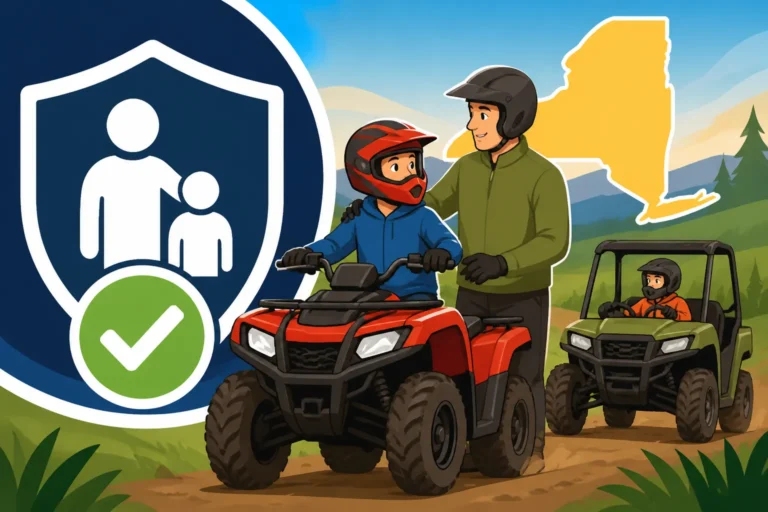
Many larger utility-style ATVs (often called 2-up models) or indeed most side-by-sides (UTVs) are manufactured with multiple seats. These machines are built from the ground up to accommodate more than one person, with wider stances, longer chassis, and often more robust suspension systems to handle the extra weight. If you're looking to ride with a child, a machine with a genuine factory-fitted passenger seat or a UTV designed for multiple occupants is your only legal and safe option in New York. Even then, you still have the responsibility to ensure that any child passenger is properly secured and has the appropriate safety gear, like a helmet.
The Nuance of UTVs and Side-by-Sides
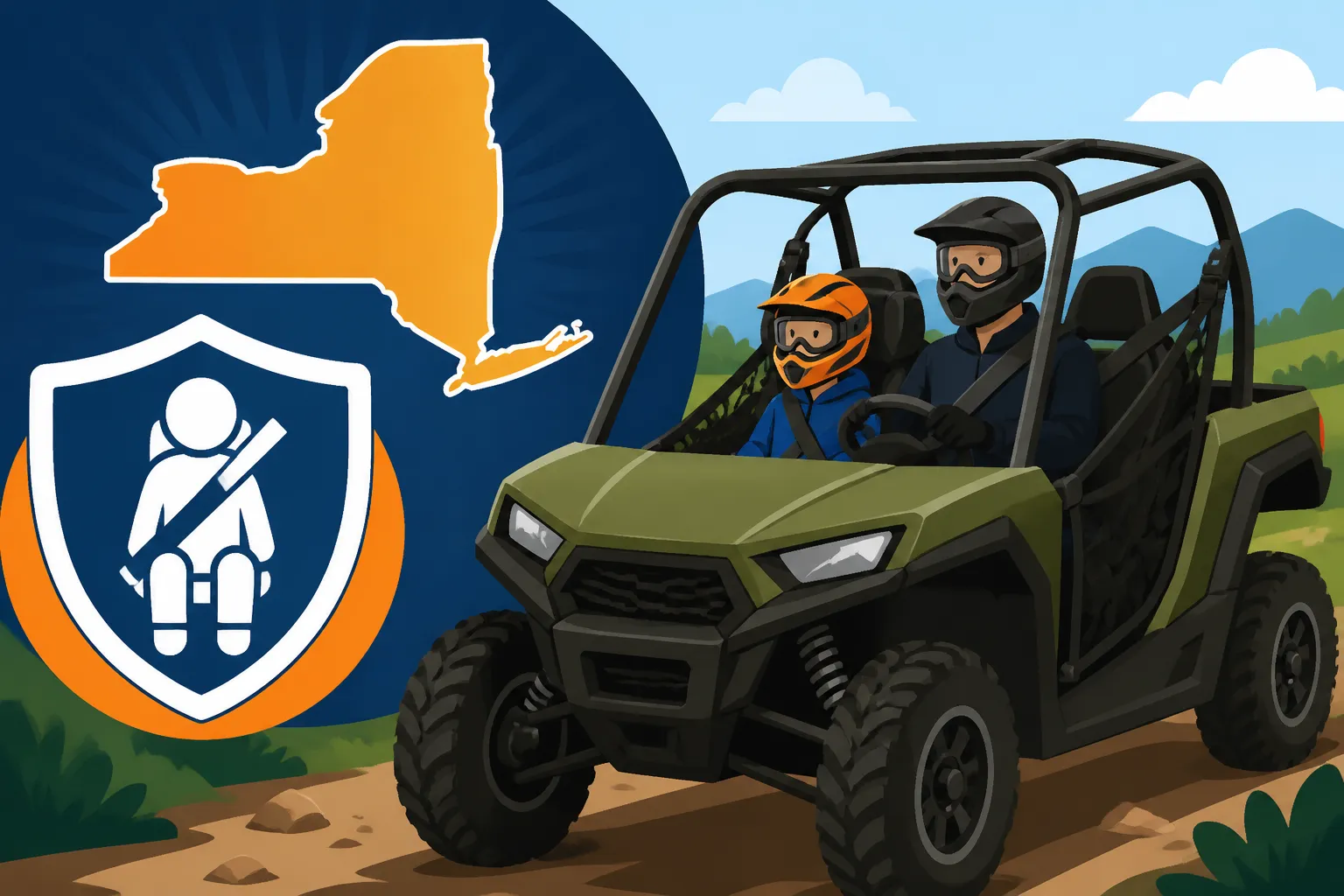
While often lumped together in casual conversation, New York law differentiates between ATVs and UTVs (side-by-sides) in some contexts, particularly concerning passengers. Most UTVs are designed for multiple passengers right from the factory, featuring bucket seats or bench seating, seatbelts, and roll cages. This makes them inherently more suited for carrying child passengers than a traditional single-rider ATV.
For a UTV, the factory-fitted seat requirement is generally met by its very design. However, the same principles apply: ensure the child is properly seated in a designated spot, using the provided seatbelts, and wearing a helmet. Never overload the machine beyond its manufacturer-specified passenger capacity. While a typical UTV might have two to six seats, attempting to squeeze an extra person in beyond that capacity is just as dangerous as putting a child on the rack of a single-rider ATV. Manufacturers like SuperATV offer a wide array of accessories, from safety harnesses to sturdy grab handles and windshields, that can further enhance the safety and comfort for all occupants in a UTV, including younger riders, assuming the UTV is already designed for multiple passengers. Always choose accessories that are specifically designed for your machine and don't compromise its original safety features.
Age and Supervision: Beyond Just the Seat
While New York law’s primary focus for passengers is on the type of seat rather than a minimum age for the passenger themselves, parental responsibility and safety dictate that common sense and maturity play a massive role. There is no specific age minimum for an ATV passenger in New York, as long as the machine has a factory-fitted passenger seat. However, this absolutely does not mean you should put an infant or a very young toddler on a machine, even if it has a proper seat. The ability of a child to understand instructions, hold on, and react appropriately in an emergency is paramount.
When considering carrying a child passenger, ask yourself:
- Can the child comfortably reach the passenger footrests? Dangling feet can get caught or injured.
- Can the child securely grasp the passenger handholds without being forced into an awkward position?
- Is the child old and mature enough to follow instructions, stay seated, and not make sudden movements?
- Are you confident the child can wear a helmet that fits properly and stay buckled in for the entire ride?
For more detailed information on minimum age requirements for operating an ATV, you can refer to topics like [New York Minimum Age to Ride an ATV]. It's crucial not to confuse the rules for operating a machine with the rules for being a passenger. Even if a child meets the requirements to operate a youth machine, they still fall under the passenger rules when riding with an adult on a multi-passenger machine.
Essential Safety Gear for All Passengers
Regardless of whether your child is riding on a factory-fitted passenger seat on an ATV or in a UTV, proper safety gear is non-negotiable. New York law mandates helmets for all ATV and UTV riders and passengers, regardless of age. This is not just a recommendation; it's a legal requirement designed to protect against severe head injuries, which are tragically common in off-road accidents.
Here's what every child passenger needs:
- DOT-Approved Helmet: This is the absolute first item on the list. It must fit snugly, not wobble, and be appropriate for off-road use. A bicycle helmet is not sufficient.
- Eye Protection: Goggles or a full-face helmet visor are essential to protect eyes from dust, debris, insects, and branches.
- Long-Sleeved Shirt and Pants: Even in warm weather, long sleeves and pants protect against scrapes, cuts, and sun exposure. Durable materials like denim or specialized riding gear are best.
- Gloves: Gloves protect hands from blisters, impacts, and provide a better grip on handholds.
- Over-the-Ankle Boots: Sturdy boots protect feet and ankles from impacts, hot engine parts, and entanglement. Sneakers or sandals offer virtually no protection.
Choosing the right gear is an investment in your child's safety. Look for well-known brands that prioritize protection and fit for younger riders. SuperATV also provides a variety of protective accessories, ranging from durable apparel to innovative vehicle protection like full skid plates and heavy-duty bumpers, which, while not worn by the child, contribute to the overall safety of the machine they are riding in. Remember, no ride is worth risking a child's well-being. Ensuring they are properly geared up can make all the difference in the event of an unforeseen incident. For more on helmet requirements, see [New York Helmet Law for Passengers].
The Risks and Penalties of Non-Compliance
It cannot be stressed enough: violating New York's rules regarding child passengers on ATVs and UTVs carries significant risks and penalties. Beyond the obvious and most severe risk of injury or fatality, there are legal and financial repercussions that can be substantial.
Safety Risks:
- Loss of Control: An overloaded or unbalanced ATV is much harder to control, increasing the likelihood of rollovers or collisions.
- Ejection: A child without a proper seat and restraints can easily be thrown from the machine, leading to severe impact injuries.
- Entanglement: Dangling limbs or loose clothing can get caught in wheels, chains, or hot engine parts.
- Impact Injuries: In a crash, a child is more vulnerable to blunt force trauma, especially without proper seating and protection.
Legal and Financial Penalties:
- Fines: Riding with an illegal passenger can result in significant fines. These are not minor traffic tickets; they reflect the seriousness of the safety violation.
- Insurance Issues: If an accident occurs while you are operating an ATV or UTV with an illegal passenger, your insurance policy may refuse to cover damages or injuries. This could leave you personally liable for potentially enormous medical bills, property damage, and legal fees. For more on this, check out [New York ATV Insurance Requirement].
- Criminal Charges: In severe cases, particularly if an injury occurs, you could face criminal charges such as reckless endangerment or even child endangerment, depending on the specifics of the incident and the officer's discretion.
- Loss of Riding Privileges: Repeated offenses could lead to suspension or revocation of your ATV registration or riding privileges.
- Machine Impoundment: An officer may have the authority to impound your machine if it's being operated in a manner that gravely endangers others, especially children.
It's a harsh reality, but these laws are in place for a reason. An officer isn't trying to spoil your fun; they are enforcing regulations designed to save lives and prevent serious injury. They will be looking for proper registration, proof of insurance, and compliance with all safety rules, including those for passengers. You can find more details on general violations in [New York Fines for an ATV Violation].
Understanding Different Scenarios for Child Passengers
Let's look at some common situations and how New York's rules apply.
| Scenario | New York Law Compliance | Safety Considerations (Beyond Legal) |
|---|---|---|
| Child on a single-rider ATV | ILLEGAL. No factory-fitted passenger seat. | Extremely dangerous due to stability, lack of restraints. |
| Child on a "2-Up" ATV | LEGAL if machine has a factory-fitted passenger seat. | Child must fit gear, follow rules, be mature enough. |
| Child in a UTV (side-by-side) | LEGAL if machine has designated seating and seatbelts. | Child must fit gear, be belted, follow rules, be mature. |
| Child operating a youth ATV | LEGAL if child meets age, supervision, and safety certificate requirements. | Machine must be appropriate size for rider's age/skill. |
| Child standing on footpegs | ILLEGAL. Not a factory-fitted seat. | High risk of falling, entanglement, severe injury. |
| Child in lap of operator | ILLEGAL. Compromises operator control and child safety. | Extreme risk of crushing, ejection, loss of control. |
It's critical to note that while some states might have specific minimum age laws for passengers, New York primarily relies on the "factory-fitted seat" standard. However, the onus is on the adult operator to ensure the child is physically capable and mature enough for the ride, even if the machine legally accommodates them.
Practical Steps for Safe Family Riding
If your goal is to share the joy of off-road riding with your children in New York, here are some practical steps to ensure you're doing it legally and, most importantly, safely:
- Invest in the Right Machine: If carrying passengers is a priority, consider a UTV or a "2-up" ATV model that is specifically designed by the manufacturer to carry an additional person. These machines come with the necessary passenger seats, footrests, and handholds. Do not attempt to modify a single-rider ATV to carry a passenger.
- Ensure Proper Gear for Everyone: As discussed, DOT-approved helmets, eye protection, long sleeves/pants, gloves, and over-the-ankle boots are mandatory. Ensure all gear fits properly, especially the helmet, for your child.
- Educate Your Child: Before hitting the trail, sit down with your child and explain the rules of being a passenger. Emphasize staying seated, holding on tightly to the designated handholds, keeping feet on the footrests, and not making sudden movements.
- Start Slow and Easy: Begin with short, gentle rides on familiar, easy terrain. Avoid aggressive riding, steep hills, or challenging obstacles when carrying a passenger. Build up their comfort and confidence gradually.
- Prioritize Communication: Talk to your child frequently during the ride. Check if they're comfortable, if their gear is okay, and if they need a break. Be attentive to their body language.
- Lead by Example: Always wear your own safety gear, follow all trail rules, and operate your machine responsibly. Children learn best by observing. This also ties into overall responsible riding, as highlighted in [New York Rules for Riding Private Land].
- Know Your Limits (and Theirs): Don't push yourself or your child beyond your comfort or skill levels. If the terrain looks too challenging or the ride is getting too long for a child's attention span, turn back.
Sharing the adventure of ATV and UTV riding with your children can create wonderful memories, but it must be done with unwavering commitment to safety and strict adherence to New York's laws. By understanding and respecting these regulations, you can ensure that every family outing on the trails is both fun and secure.
Disclaimer
This article is for general informational purposes only and does not constitute professional advice. Laws, prices and regulations vary by location and change over time. Consult a qualified professional for guidance on your specific situation.