Stopping Before a New York Crossing
Riding an ATV in New York is an incredible experience, but it comes with a strict set of rules, especially when it comes to interacting with public roads. It's incredibly easy to feel overwhelmed or confused by where you can and cannot ride, and perhaps more importantly, how to safely navigate those necessary crossings. This guide is here to walk you through the precise requirements for stopping your ATV before a New York crossing, ensuring you stay safe and legal on your adventures.
Understanding New York's Fundamental Crossing Rules
When you're out on the trails, enjoying the roar of your engine and the feel of the earth beneath your tires, the last thing you want is a sudden, unexpected encounter with a paved road that leaves you feeling uncertain or even puts you in danger. New York law is very specific about how ATVs are permitted to interact with public highways and roads. It's not just about what's written in the books; it's about real-world safety for you, your passengers, and everyone else on the road.
The core principle behind all these regulations is minimizing conflict and maximizing visibility. ATVs are inherently different from typical road vehicles. They're often smaller, can be harder to see, and handle differently on pavement. This is why New York places such an emphasis on careful, deliberate actions when you approach any public roadway. You can't just barrel across; you need to be intentional and follow a strict procedure.
Why Crossing Roads is Not Just "Riding On" Them
It’s easy to get frustrated, thinking, "Why can't I just quickly get across?" or "It's only a few feet!" But that mindset can lead to serious trouble. New York’s regulations draw a clear distinction between briefly crossing a highway and riding on a highway. Generally, riding an ATV on a public highway or street is strictly prohibited unless that road has been specifically designated and posted for ATV use by the local municipality. This is a critical point that many riders, especially those new to the state or to the sport, often misunderstand. [Are ATVs Street Legal in New York? The Short Answer] covers this in more detail.
The act of crossing is a concession, a limited allowance for you to get from one section of an approved trail or private property to another. It’s not an invitation to join traffic. Because of this distinction, every part of the crossing procedure, especially the stop, is designed to ensure that your presence on the roadway is as brief, predictable, and safe as possible. Think of it as a brief, high-stakes interruption, not a merge.
The Dangers of Inadequate Stopping
Imagine you're cruising down a country road in your truck, perhaps listening to some music, and suddenly, an ATV appears seemingly out of nowhere, darting across your path. That's the scenario New York laws are trying to prevent. Inadequate stopping, or failing to stop at all, drastically increases the risk of accidents. It reduces the time other motorists have to see you, react, and adjust their speed.
Even if you feel like you have a clear line of sight and no traffic is immediately present, conditions can change in an instant. A vehicle could emerge from a blind spot, or another rider could follow too closely behind you. Failing to make a complete stop deprives you of crucial seconds to assess the situation fully, make eye contact with drivers, and ensure the path is truly clear. This isn't about control; it's about mutual safety on shared infrastructure, even if you're only sharing it for a few seconds.
The "Stop Before the Shoulder" Mandate Explained
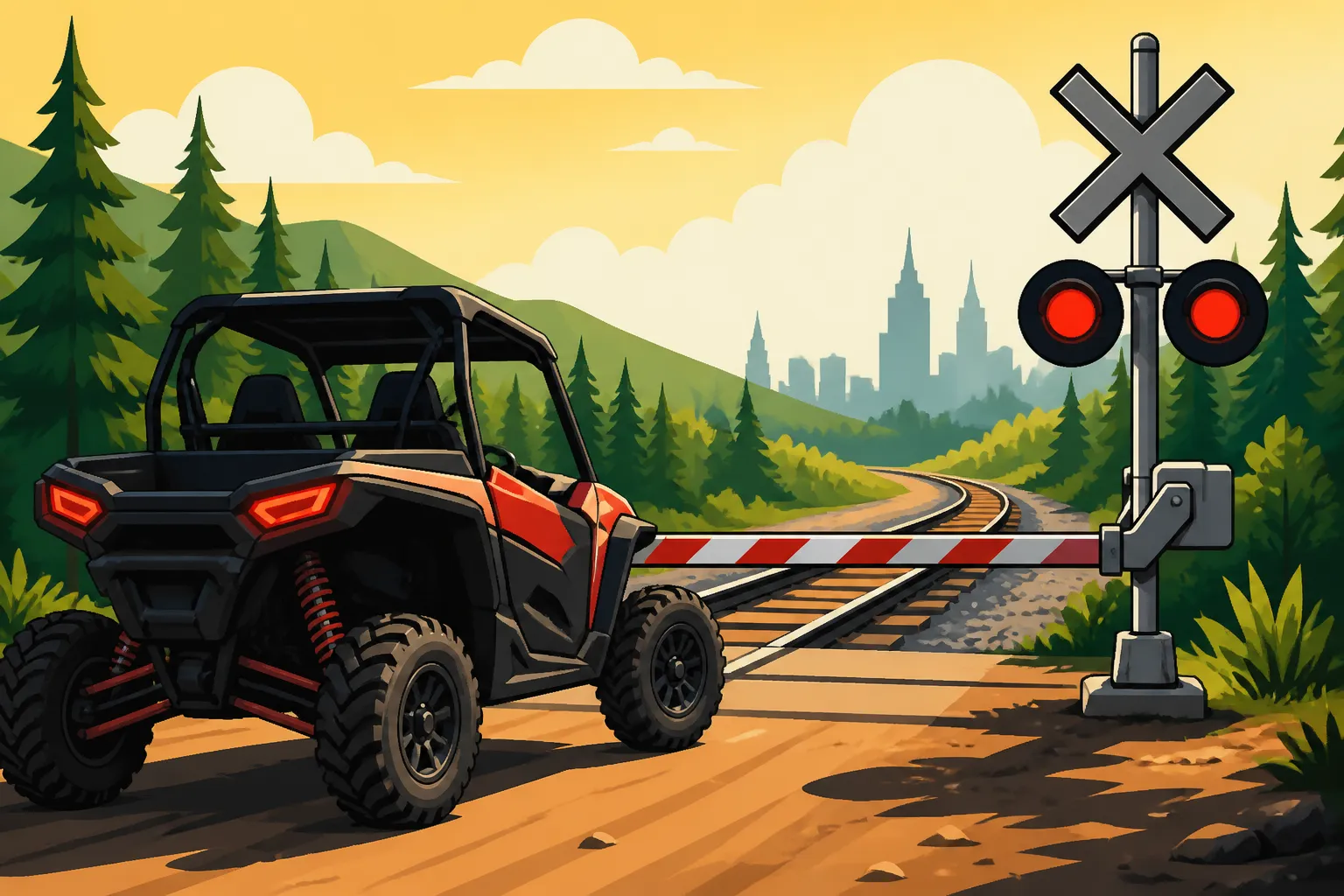
This isn't just a suggestion; it's a specific requirement under New York law: when crossing a public highway, you must bring your ATV to a complete stop before entering the road or its shoulder. This rule is put in place for very important reasons, chief among them being visibility and reaction time for both you and approaching motorists. It's a non-negotiable step that protects everyone involved.
Many riders, especially those who are accustomed to more lenient rules in other areas or simply aren't aware of this specific regulation, might be tempted to roll slowly up to the edge, or even position their machine slightly onto the shoulder for a better view. However, doing so immediately puts you in a legally precarious situation and, more importantly, a dangerous one.
What "Before the Shoulder" Actually Means
Let’s break down what "before the shoulder" truly entails. The shoulder is the paved or unpaved area immediately adjacent to the main travel lanes of a highway. Its purpose is for emergency stops, disabled vehicles, or cyclists – not for ATVs waiting to cross. When the law says "before the shoulder," it means your ATV's front tires should not, under any circumstances, touch any part of that shoulder. You need to stop fully on the trail, private property, or whatever surface you are on before the public road right-of-way begins.
Think of it this way: the shoulder is the first warning sign to motorists that they are approaching the edge of the official roadway. If your ATV is even partially on the shoulder, you are already encroaching on their expected clear path, potentially surprising them. The goal is to give them maximum time to see you before you even think about moving onto the pavement. [New York Rules for Crossing a Public Road] emphasizes this critical point.
Why the Shoulder is Part of the Roadway
It's easy to dismiss the shoulder as "not really the road," especially on a quiet country lane. But legally and functionally, the shoulder is absolutely considered part of the public highway's domain. It's where a disabled vehicle might pull over, where emergency personnel might operate, or where a pedestrian might walk. Any presence of your ATV on the shoulder, even if you're stopped, is considered to be "on the highway" in the eyes of the law.
This distinction is crucial for understanding compliance. If an officer observes your ATV even slightly on the shoulder before you've assessed traffic and commenced your crossing, you could be cited for being on a public highway illegally. It's not just about preventing collisions; it's about respecting the defined boundaries of public infrastructure and maintaining a clear understanding of where ATVs are and are not permitted.
| Action Point | Before the Shoulder | On the Shoulder | On the Main Travel Lane |
|---|---|---|---|
| Legal Status (Stopped ATV) | Permitted (pre-crossing) | Illegal | Illegal |
| Visibility for Motorists | Maximum time to see you | Reduced warning time | Immediate hazard |
| Risk Assessment Ability | Full, unhurried assessment | Rushed, pressured | Extremely dangerous |
| Legal Consequence | None (if done correctly) | Fine/Violation likely | Severe fines/accident risk |
Why Full Stops and Clear Visibility Are Non-Negotiable
The emphasis on a full stop isn't just about tapping the brakes; it's about a complete cessation of movement, giving you the time and opportunity to fully evaluate your surroundings. When you're dealing with public roads, especially those where vehicles travel at higher speeds, a moment's hesitation or a misjudgment can have catastrophic consequences. This is why New York’s ATV regulations are so strict – they prioritize life and limb above all else.
Think about the dynamics at play: an ATV is nimble and quick off the line, but it’s also relatively unprotected. A collision with a car or truck isn't a fender-bender; it's a life-threatening event. Therefore, every single action you take when approaching a crossing must be calculated to absolutely minimize that risk. This means stopping completely, looking both ways multiple times, and making sure you are seen and understood by any approaching traffic.
The Importance of a Complete Stop
A "rolling stop" or a "hesitation" is simply not good enough. A complete stop means your ATV is absolutely stationary. Why? Because it forces you to pause, to take a deep breath, and to engage your senses fully. It allows you to:
- Look, Listen, and Think: This is your moment to scan left, right, and left again. Listen for approaching vehicles you might not yet see. Consider the speed of any traffic, the width of the road, and any potential hazards.
- Gain Full Control: A complete stop allows you to reset your posture, ensure your feet are firmly placed, and your hands are ready to accelerate smoothly and safely when the path is clear.
- Be Predictable: For any approaching motorists, seeing an ATV come to a full, deliberate stop signals intent. It tells them you are aware of the road, and you're waiting for the right moment. Unpredictable movements are a recipe for disaster.
This deliberate pause is a fundamental safety measure, not an inconvenience. It's the difference between a controlled maneuver and a frantic dash across the pavement.
Maximizing Your Visibility to Others
Even after you've made a full stop, your job isn't done. You need to ensure you are as visible as possible to any oncoming traffic. Many ATVs are relatively low to the ground and can be obscured by brush, parked cars, or even the terrain itself, especially on winding country roads.
Consider these aspects:
- Lighting: If it's dusk, dawn, or an overcast day, ensure your headlights and taillights are on. [Headlight and Taillight After Sunset] details New York's requirements. Some riders even install brighter LED light bars from brands like SuperATV to ensure they stand out, though these are typically for off-road use, the added visibility when stationary near a road can be a lifesaver.
- Bright Clothing: Wear highly visible gear. Bright colors, reflective stripes, or even a high-visibility vest can make a huge difference in catching a motorist's eye, especially if you're emerging from a shaded trail.
- Strategic Positioning: While you must stop before the shoulder, try to position your machine where it's most visible without encroaching. Sometimes that means stopping a little further back if there's a rise or a blind spot right at the immediate edge of the trail.
Remember, the responsibility to be seen rests heavily on the ATV operator. You can’t assume drivers will see you; you must actively work to make yourself seen.
Navigating Different Road Types: Highways, Town Roads, and More
New York's landscape is incredibly diverse, from bustling state highways to quiet, unpaved town roads that wind through rural farmland. The rules for crossing remain largely consistent – the full stop before the shoulder is universal – but the context of these crossings can vary wildly. Understanding the nuances of different road types will help you approach each crossing with the appropriate level of caution and awareness.
It's common for riders to mistakenly believe that a less-trafficked road requires less vigilance. This is a dangerous assumption. While traffic volume might be lower on a remote town road, speeds can sometimes be higher due to perceived safety, and drivers may be less accustomed to encountering ATVs. Every public road crossing, regardless of its classification, demands your full attention.
Crossing State and County Highways
State and county highways are often multi-lane, higher-speed roadways. These are arguably the most dangerous crossings you'll encounter. The speed differential between an ATV accelerating from a dead stop and highway traffic can be immense, leaving very little margin for error. [Crossing a Highway on an ATV in New York] outlines the specific dangers.
When facing a state or county highway:
- Patience is Paramount: Do not rush. Wait for an absolutely clear and safe gap in traffic in both directions. This might mean waiting for several minutes, or even longer if traffic is heavy. Your impatience is not worth your life.
- Assess All Lanes: If it's a multi-lane highway, you need to be certain that all lanes are clear, not just the closest one. A car in the far lane might not see you and could swerve, or a turning vehicle could appear unexpectedly.
- Look Far Down the Road: Estimate the speed of approaching vehicles. A vehicle that looks far away might be traveling at 60 MPH or more and will be upon you quicker than you think. The sound of an engine is a good secondary indicator.
Always assume that drivers on these roads are not expecting an ATV to cross. Their focus will be on other cars, and you need to go the extra mile to ensure your presence is registered before you move.
Interacting with Town and Village Roads
Town and village roads, while often less busy than state highways, still present significant hazards. These roads can range from well-paved streets in a small village to gravel or dirt tracks in rural areas. While the speed limits might be lower, drivers can still be distracted, and blind spots from trees, buildings, or hills are common.
Key considerations for town and village roads:
- Local Ordinances: While the state rules for crossing apply, some towns or villages might have specific, posted ordinances regarding ATV use within their boundaries. Always be aware of local signage. [New York Rules for Riding a Town Road] discusses this in detail.
- Residential Areas: If you're crossing a road in a residential area, be extra mindful of pedestrians, children, and pets. Residents may not expect an ATV, and you have a heightened responsibility to operate safely and quietly.
- Varying Surfaces: A town road might transition from pavement to gravel, or vice-versa. Maintain a firm grip and be prepared for changes in traction as you briefly cross.
- Farm Equipment: In rural areas, be aware of slow-moving farm equipment that may be sharing the road or entering from fields. These vehicles are large, have blind spots, and move slowly, requiring careful assessment on your part.
Even if you're in a familiar area, never become complacent. Treat every crossing as if it's your first, with complete focus and adherence to the law.
Essential Gear and Practices for Safe Crossings
Safety on an ATV is about more than just following the letter of the law; it’s about embracing a proactive safety culture. While New York mandates specific actions for crossings, having the right gear and adopting smart riding practices can significantly enhance your safety margin. Think of your gear as your first line of defense, and good practices as your constant vigilance.
It's easy to just throw on a helmet and go, but true safety is a multi-layered approach. Every piece of equipment, from your helmet to your tires, and every habit you cultivate, contributes to a safer ride. This is especially true when you're engaging in the high-risk maneuver of crossing a public roadway.
Helmets, Eyewear, and Protective Clothing
Your personal protective equipment (PPE) is non-negotiable, not just for general riding, but especially for crossings where you're momentarily exposed to road traffic.
- Helmet: A DOT-approved helmet is legally required in New York for all ATV riders, regardless of age. [New York Helmet Law for ATV Riders] confirms this. It’s your most important piece of safety gear, protecting your head in case of an impact. Make sure it fits snugly and is in good condition.
- Eyewear: Goggles or a face shield are essential. Not only do they protect your eyes from dust, bugs, and debris on the trail, but they also shield them from wind and glare when you're stopped and assessing traffic. Clear, unobstructed vision is critical for spotting approaching vehicles.
- Protective Clothing: Long sleeves, pants, sturdy boots, and gloves protect you from abrasions, impacts, and the elements. While not specifically mandated for crossing, being fully geared up means you’re always prepared for the unexpected, whether it's a fall on the trail or an emergency stop near traffic.
Don't cut corners on your PPE. It’s an investment in your well-being.
Machine Maintenance and Visibility Enhancements
A well-maintained machine is a safer machine. Before every ride, especially if you know you'll be making road crossings, do a quick check of your ATV.
- Brakes: Ensure your brakes are in excellent working order. You need reliable stopping power when approaching a road. Test them before you even leave your staging area.
- Tires: Check tire pressure and tread depth. Good tires provide optimal traction for precise stopping and smooth acceleration across pavement. [New York ATV Tread Depth Requirement] applies here.
- Lights: Verify your headlights, taillights, and any additional running lights are fully functional. Bright, working lights are critical for making yourself visible to motorists, particularly at dawn, dusk, or in poor weather. Aftermarket lights from companies like SuperATV can significantly increase your visibility, though always ensure they comply with local regulations if used on or near public roads.
- Muffler: A properly functioning muffler ensures your ATV meets noise regulations, but also that you can hear approaching traffic clearly without excessive engine noise masking other sounds. [New York ATV Muffler Requirements] are in place for a reason.
Beyond standard maintenance, consider visibility enhancements. Reflective tape on your machine, bright colored flags (especially if you're in a group), and even upgraded mirrors can all contribute to a safer crossing experience. The more avenues you have to see and be seen, the better.
Consequences of Failing to Stop Properly
Ignoring the legal requirement to stop before a New York crossing isn't just a minor oversight; it carries significant legal and safety repercussions. For many, the sting of a fine is enough to encourage compliance, but the potential for serious injury or even fatality should be the ultimate motivator. New York authorities take ATV safety seriously, and violations often result in more than just a slap on the wrist.
It's tempting to think you might "get away with it" on a quiet back road, but that kind of thinking is dangerous. An officer could be present, a motorist could witness your violation, or worse, an accident could occur. Understanding the consequences can help reinforce the importance of these rules.
Fines and Penalties for Violations
Failing to stop before a public road crossing, or illegally entering a public road, falls under various sections of New York Vehicle and Traffic Law (VTL) and Parks, Recreation and Historic Preservation Law. These violations can carry substantial fines, and depending on the severity and specific circumstances, other penalties.
- Operating on a Public Highway Illegally: Since failing to stop before the shoulder means you're effectively on the public highway, you could be cited for operating an ATV on a public highway where it's prohibited. This can result in fines that climb into the hundreds of dollars.
- Reckless Operation: If your failure to stop is deemed to endanger others, you could face charges for reckless operation, which carries more severe penalties, including higher fines and potentially points on your driver's license (even though it's an ATV violation, some can impact your vehicle license).
- Unregistered ATV: If your ATV is also unregistered, which is required for riding almost anywhere off your own private property, the penalties stack up. [New York Fines for an Unregistered ATV] are significant.
- Insurance Violations: Similarly, if you don't have the mandatory ATV insurance, you're looking at even more fines. [New York Fines for Riding Without Insurance] can be incredibly costly.
These aren't hypothetical scenarios; they are real consequences that many riders face each season. A momentary lapse in judgment can lead to a hefty financial burden.
Increased Risk of Accidents and Injury
Beyond the legal ramifications, the most profound consequence of failing to stop properly is the dramatically increased risk of an accident. When you don't stop, you:
- Reduce Your Reaction Time: You don't give yourself those precious seconds to truly assess the road.
- Become Unpredictable: Motorists expect you to stop and yield. When you don't, you break that expectation, making you a sudden, unexpected hazard.
- Increase Impact Severity: Rolling into traffic, even at low speed, means less time to brake, making any collision more impactful.
These aren't just statistics; they are personal tragedies waiting to happen. An accident involving an ATV and a road vehicle almost invariably results in severe injuries to the ATV rider due to the lack of structural protection. From broken bones and head injuries to paralysis or even death, the personal cost is immeasurable. No amount of fun on the trails is worth risking your life or the lives of others by cutting corners on basic safety rules. Always prioritize safety over speed or convenience when making a road crossing.
Disclaimer
This article is for general informational purposes only and does not constitute professional advice. Laws, prices and regulations vary by location and change over time. Consult a qualified professional for guidance on your specific situation.