Tall Pines ATV Park at Andover
Tall Pines ATV Park near Andover is an appealing Southern Tier ride, but a great day depends on more than loading the quad and heading out. Trail access, machine fit, weather, lodging, and park rules can all affect your plans. This guide explains how to prepare, what to check before you go, and how to make a visit safer and more enjoyable.
Getting to know Tall Pines ATV Park
Where the park fits into a New York riding trip
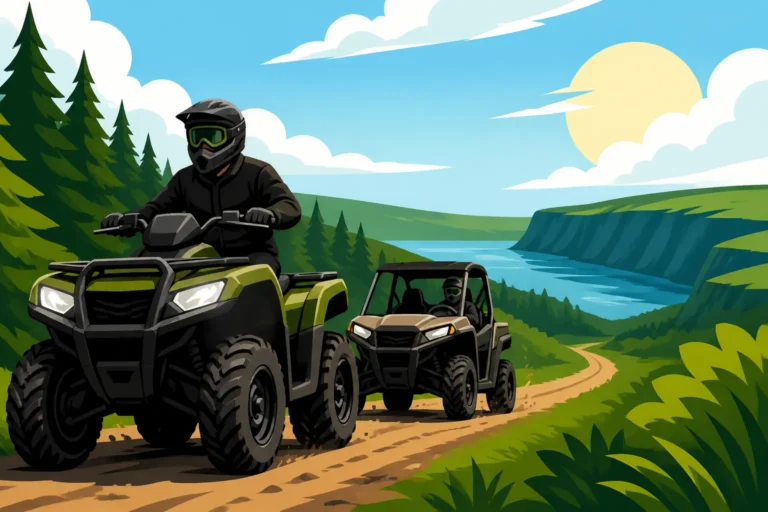
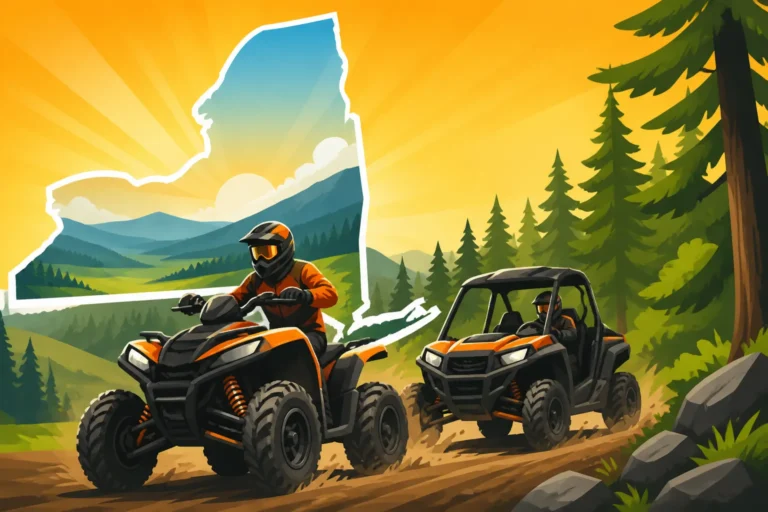
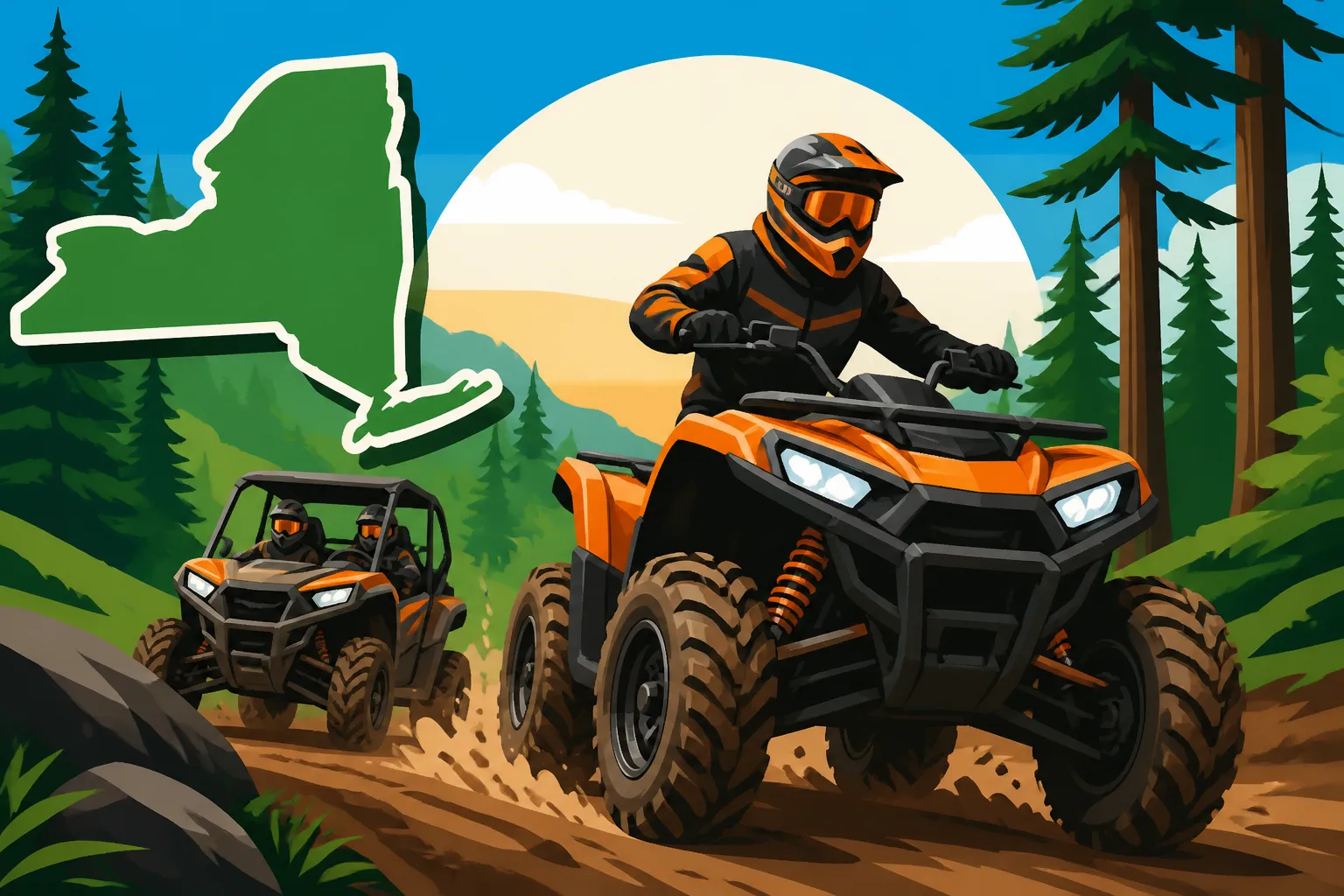
Tall Pines ATV Park is in the Andover area of Allegany County, in New York’s Southern Tier. It offers a private riding destination for people who want to spend time on designated off-road routes rather than assume that any nearby trail or public road is open to ATVs. That distinction matters: being in a rural area does not automatically give riders permission to use surrounding land.
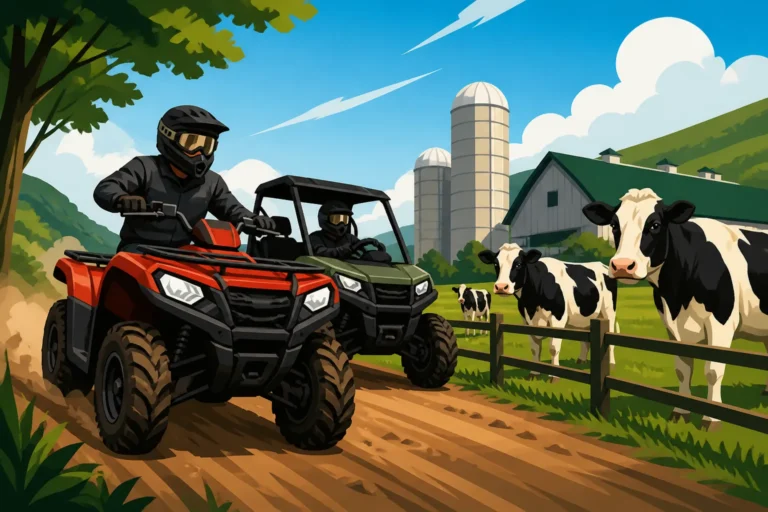
The park is known for an extensive trail network, often described as about 70 miles. Trail mileage and access can change with conditions, maintenance, and landowner arrangements, so treat a mileage figure as a planning guide rather than a promise that every route will be open on your visit. For background on the network, see [New York's Tall Pines and Its 70 Miles] and [70 Miles Beside a Dairy Farm].
Andover can make a useful base for a Southern Tier weekend, but plan the ride around the park’s own access information. A route shown on a phone map is not, by itself, evidence that a road or property is open to ATV traffic. Confirm where riders should enter, where they may park, and which marked routes are available before unloading.
What kind of riding experience to expect
A trail system is not a single uniform track. One section may feel relaxed and suitable for a leisurely ride, while another can be rougher, narrower, wetter, or more demanding after rain. Conditions can also change within a day. A trail that was firm in the morning may become slick after a shower or churned up after repeated traffic.
Riders should be ready to follow marked routes and adjust their plans to the surface under their tires. In a farm landscape, staying on the designated trail is especially important. Cutting across a field or taking an attractive-looking side track can damage property, interfere with work, and jeopardize access for other riders.
If you are comparing destinations, do not judge Tall Pines only by a mileage number. Consider whether the terrain suits your machine and your group, whether you want a short outing or a longer day, and whether the park’s access arrangements fit your plans. The park’s appeal is strongest when everyone arrives with realistic expectations and follows the local rules.
Planning your visit before you leave home
Confirming access, hours, and current conditions
Start with the park’s own current information. Check whether riding is permitted on the day you plan to go, what the entry procedure is, where to park, and whether any routes or facilities are closed. Private riding areas can change operating plans because of weather, maintenance, landowner needs, or other practical issues.
It is also worth checking whether the park has a particular process for arrival. Do not assume that you can simply follow a map pin to a gate, drive through, and begin riding. Some destinations use designated staging areas or require riders to follow instructions before entering the trail network. For location-specific context, [Riding Jones Road to the Gate] can help frame the approach, but confirm the approved route and access directions before setting out.
A quick check the day before can save a long, frustrating drive. If you are traveling from outside Allegany County, build in time to verify the weather and any notices that may affect the trails. General planning advice in [New York Trail Conditions Before You Ride] and [New York Trail Closures to Check First] is useful anywhere, but the park’s own directions and notices should guide your final decision.
Choosing a realistic ride plan
Decide on a manageable outing before you arrive. A group that wants a relaxed half-day ride may have different needs from riders hoping to cover as much of the network as possible. Agree on a turnaround time, meeting point, and plan if someone becomes separated from the group. On a new trail system, leaving extra time is usually wiser than trying to squeeze in one more loop.
Make the plan fit the least experienced rider, not just the most confident person in the group. A fast or highly skilled rider may underestimate how tiring a long day feels to someone new to trail riding. A sensible pace gives everyone time to stop, check route markers, drink water, and handle small problems without turning the outing into a race.
Before you ride, review the park map or route information and make sure everyone knows how to read the markers. A GPS app can be a useful backup, but it should not replace signs, the park’s instructions, or good judgment. Riders who use onX Offroad can save relevant map information before leaving home, then treat the app as a navigation aid rather than permission to travel beyond marked and authorized routes.
Matching your machine and group to the trails
What to consider when bringing an ATV
A well-maintained ATV is more important than a long list of accessories. Check the tires for cuts, low pressure, or worn tread; inspect the brakes and throttle; and make sure the lights work if your route or return could extend toward dusk. Carry the equipment required by the park and applicable New York rules, and do not assume that a machine’s recreational use exempts it from safety requirements.
Machine dimensions and handling matter on a trail. A wide or heavy machine can feel awkward in tighter sections, while a low-clearance quad may struggle over obstacles that a rider did not expect. Before traveling, ask whether the machine you plan to bring is suitable for the park’s marked routes. That is a better conversation to have at home than after unloading at the trailhead.
If you are new to the park or riding with a mixed group, start conservatively. Keep a comfortable following distance, avoid sudden stops where visibility is limited, and pull over only where it is safe to do so. A rider who is comfortable on open terrain may still need time to adapt to unfamiliar turns, changing surfaces, or other groups on the trail.
Planning for side-by-sides and mixed groups
Do not assume that every ATV destination allows every type of off-road vehicle. Side-by-sides can be wider and heavier than many quads, and a route that works for one machine may be unsuitable for another. Contact the park before bringing a UTV, especially if the machine is wide, modified, or fitted with tracks or other equipment that changes its dimensions.
For New York riders, machine registration eligibility is a separate issue from a private park’s permission to ride. The state’s ATV definition and registration rules may affect certain side-by-sides. Review [Why Most Side-by-Sides Cannot Be Registered in New York] and [Can You Register a Side-by-Side in New York?] before buying or transporting a machine based on assumptions about where it can be used.
Mixed groups should agree on pace and communication before heading out. A quad and a side-by-side may handle the same section differently, and a young or inexperienced rider may need more frequent stops. Keep the group together, identify a lead and sweep rider, and choose routes that the least capable machine and rider can handle comfortably.
| Planning question | Why it matters | Practical next step |
|---|---|---|
| Is the park open on your chosen day? | Access may depend on operating plans and conditions. | Check the park’s current notices before departure. |
| Is your machine allowed? | Vehicle type, width, or equipment may affect access. | Ask the park about your exact make and setup. |
| Where do you enter and park? | A map pin may not identify the approved entrance. | Use the park’s directions and staging instructions. |
| How long will the group ride? | Unfamiliar trails and stops can extend the day. | Set a turnaround time and a conservative route. |
| What is the weather doing? | Rain, mud, and changing ground conditions affect safety. | Recheck the forecast and trail notices shortly before leaving. |
| Are you staying overnight? | Lodging and riding access are separate arrangements. | Confirm both directly rather than assuming one includes the other. |
Riding responsibly in a working landscape
Staying on authorized routes
Marked routes are not suggestions. They help riders stay within the areas open for recreation and reduce the risk of trespassing, damaging crops, or interfering with farm work. If a trail appears to split, is blocked, or has an unclear marker, stop and consult the park’s directions rather than choosing the route that looks easiest.
This matters even when a field appears empty. Agricultural land can be in use for planting, grazing, equipment movement, or other work that is not obvious from the trail. A rider who leaves the route can cause damage or create a safety hazard for workers. Respecting boundaries is one of the practical ways riders help preserve private trail access.
A gate, fence, or sign may indicate a restriction even if the route appeared open earlier. Do not move barriers or follow another rider through a closed section. The guidance in [New York ATV Trail Etiquette With Landowners] is relevant here: access is a privilege built on trust, and one careless shortcut can affect more than one person’s ride.
Sharing trails with other people
A trail can bring together riders with different machines, experience levels, and expectations. Slow down when visibility narrows, approach blind corners cautiously, and leave room for oncoming traffic. If you meet another group, communicate clearly and pass only where the trail is wide enough and both parties can do so safely.
Noise and dust also affect the experience of people who live or work nearby. Keep speed under control, avoid unnecessary revving, and follow any park-specific quiet or operating rules. A considerate rider makes it easier for landowners and neighbors to view the trail system as a good fit for the area.
Pack out everything you bring in, including food wrappers, broken straps, and small repair parts. Do not leave trash beside a staging area or assume someone else will collect it. If you see a hazard or damaged marker, report it to the park rather than attempting repairs or rerouting the trail on your own.
Weather, seasons, and trail conditions
How weather changes the ride
Rain can turn a familiar route into a slippery or rutted one. Wet roots, soft ground, and standing water may require slower riding and careful spacing. A deep puddle can conceal a rut, rock, or soft shoulder, so avoid charging into water when you cannot see what lies beneath it.
Dry weather has its own challenges. Dust can reduce visibility, especially when riders follow too closely. Keep a larger gap than you would on a paved road, and wait for dust to settle before moving through a group or approaching a turn. Eye protection and a clean visor or goggles make a noticeable difference over a full day.
After a major weather change, check whether the park has posted an update or changed access. Do not rely on an old ride report as proof that conditions remain the same. If the ground is soft enough that tires are digging deep ruts, slow down, turn back if appropriate, and follow the park’s guidance rather than trying to force a route.
Choosing the right season and clothing
Dress for the full day, not just the temperature when you leave home. A cool morning can warm up, while a breezy afternoon can feel cold after a long ride. Layers allow you to adjust without stopping the whole group, and gloves, eye protection, sturdy footwear, and a properly fitted helmet help make changing conditions more manageable.
In warmer weather, bring drinking water and plan breaks before anyone feels exhausted. Sun exposure, dust, and physical concentration can add up even when riders are seated for much of the outing. In cooler conditions, keep dry layers accessible and be cautious about wet clothing, which can make a long ride uncomfortable quickly.
Seasonal access is not something to guess from past visits. A trail system may have restrictions or closures for weather, maintenance, or property needs. Check current information before planning around a holiday, a school break, or a particular weekend, and be ready to change your dates if the park indicates that riding is not appropriate.
Camping, cabins, and overnight planning
What to confirm about lodging
Tall Pines is associated with camping and cabin options, which can make a weekend ride more convenient than a single-day trip. Lodging arrangements and riding access are still separate details to confirm. Ask what is available for your dates, how reservations or arrival work, and whether the lodging area has separate rules from the trails.
For a closer look at the overnight side of a visit, see [Camping and Cabins at Tall Pines]. Before you commit, clarify what facilities are included, where vehicles and trailers should be parked, and whether there are any restrictions on pets, fires, quiet hours, or generator use. Do not assume that a cabin booking automatically covers every person or machine in your group.
A simple checklist can prevent awkward surprises: confirm arrival instructions, sleeping arrangements, parking capacity, bathroom access, and what supplies you should bring. If a facility is shared or seasonal, ask about the details that matter to your group rather than relying on a description meant for a different type of visitor.
Bringing your own machine
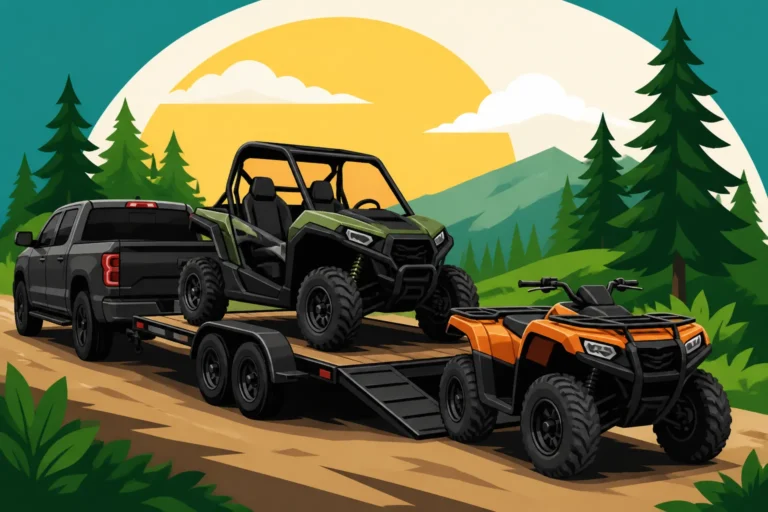
Plan to transport your machine securely and arrive with enough time to unload without rushing. Check the trailer’s tires, lights, hitch, and tie-down points before leaving. Bring the right straps and make sure the machine is stable before you start driving; a loose quad can shift, damage equipment, or become dangerous on the road.
Tall Pines is not generally described as a place where riders can count on renting an ATV on arrival. Confirm the park’s current policy before making travel plans around a rental. The related guide [Why Tall Pines Rents No Machines] explains why visitors should not assume a machine will be waiting, and [Bringing Your Own Machine to Tall Pines] is a useful companion when organizing transport.
If you are bringing more than one machine, confirm that your vehicle and trailer can accommodate the load safely. Consider where each rider will store a helmet, tools, water, and spare clothing, and keep essential items accessible after parking. A little organization makes the transition from trailer to trail much calmer, especially when several families arrive together.
Safety and practical preparation
A pre-ride inspection that catches common problems
Before each ride, take a few minutes to walk around the machine. Look for loose fasteners, leaks, damaged tires, and anything hanging near the wheels or drive components. Test the brakes and throttle in a safe area, and make sure the controls feel normal before joining the trail.
Carry basic items that match the machine and your group, such as a compact tool kit, tire repair supplies, a first-aid kit, and a charged phone. The exact kit depends on your vehicle and experience, but the goal is to handle small issues without improvising with unsuitable equipment. Keep essential items secured so they cannot fall off on rough ground.
Review New York’s rules that apply to your ride, including registration, insurance, protective equipment, and any age-related requirements for younger riders. Park permission does not replace state requirements. The guides [New York ATV Registration Rules] and [New York ATV Insurance Requirement] can help you identify the subjects to check before loading up.
Riding with children and newer riders
A family outing is more enjoyable when the route and pace suit the youngest or least experienced rider. Check age, machine-size, supervision, and safety requirements before the trip. Do not assume that a child who has ridden on private property is automatically permitted to operate any machine on a trail.
Give new riders a clear briefing before starting. Explain hand signals or other group communication, what to do if they fall behind, how to stop safely, and why they should not follow another group off the marked route. A short practice on a safe, open area can reveal whether someone is comfortable with the controls before the group reaches busier trails.
Keep young riders within a distance and pace that allows close supervision. Avoid putting them at the back of a fast-moving group without a responsible adult, and schedule breaks before fatigue affects concentration. For more on age-specific expectations, consult [New York Trail Access for Riders Under 16] and the state requirements relevant to your family.
Making the most of your Tall Pines visit
A simple arrival-to-departure routine
Before leaving home, confirm access, directions, weather, machine eligibility, and overnight arrangements if you are staying. Save the park’s instructions and any route information where you can access them without relying on a strong cell signal. If you use onX Offroad or another mapping tool, download the information you need ahead of time and follow the park’s signs and authorized routes.
At arrival, take time to park and unload in the designated area, review any posted instructions, and make sure the group understands the route plan. Keep registration and insurance documents accessible if required, and make sure each rider knows where the group will regroup. Rushing through this step is an easy way to miss a closure notice or leave a necessary item in the tow vehicle.
When you finish, check the machine and trailer before heading home. Remove mud and debris where appropriate, look for damage or loose equipment, and secure the load carefully. If you noticed a confusing marker, rough section, or maintenance concern, share it with park staff so future visitors can make better-informed decisions.
What makes a visit go smoothly
The best Tall Pines trip is not necessarily the one where you cover the most trail. It is the one where your machine suits the route, everyone understands the rules, and the group has enough time to enjoy the ride without pushing beyond its comfort level. A flexible plan also makes it easier to respond to weather, trail conditions, or a rider who needs a break.
If you are planning a first visit, choose a modest riding goal and leave room to learn the layout. Ask questions before arrival rather than trying to interpret an unfamiliar trail system on the fly. A cautious first outing often makes the next visit more enjoyable because you have a better sense of the terrain and logistics.
Keep the park’s access dependent on respectful behavior in mind. Stay on marked routes, follow instructions, treat the land and nearby community with care, and avoid assuming that permission for one area extends to another. That combination of preparation and courtesy helps make a private riding destination a place people can continue to enjoy.
Disclaimer
This article is for general informational purposes only and does not constitute professional advice. Laws, prices and regulations vary by location and change over time. Consult a qualified professional for guidance on your specific situation.