Crossing Ice Near an Angler
Riding your ATV across frozen lakes and ponds in New York can be an exhilarating experience, offering unique access to winter landscapes. However, it also comes with its own set of responsibilities, especially when you encounter ice anglers who are trying to enjoy a peaceful day on the ice. It’s incredibly frustrating when you’re out for a ride and aren't sure if you’re disturbing someone or, worse, breaking a rule. This guide is here to clarify the specific regulations and best practices for crossing ice near an angler, ensuring you can enjoy the trails without causing issues or getting into trouble.
Understanding New York's 100-Foot Rule on Frozen Waters
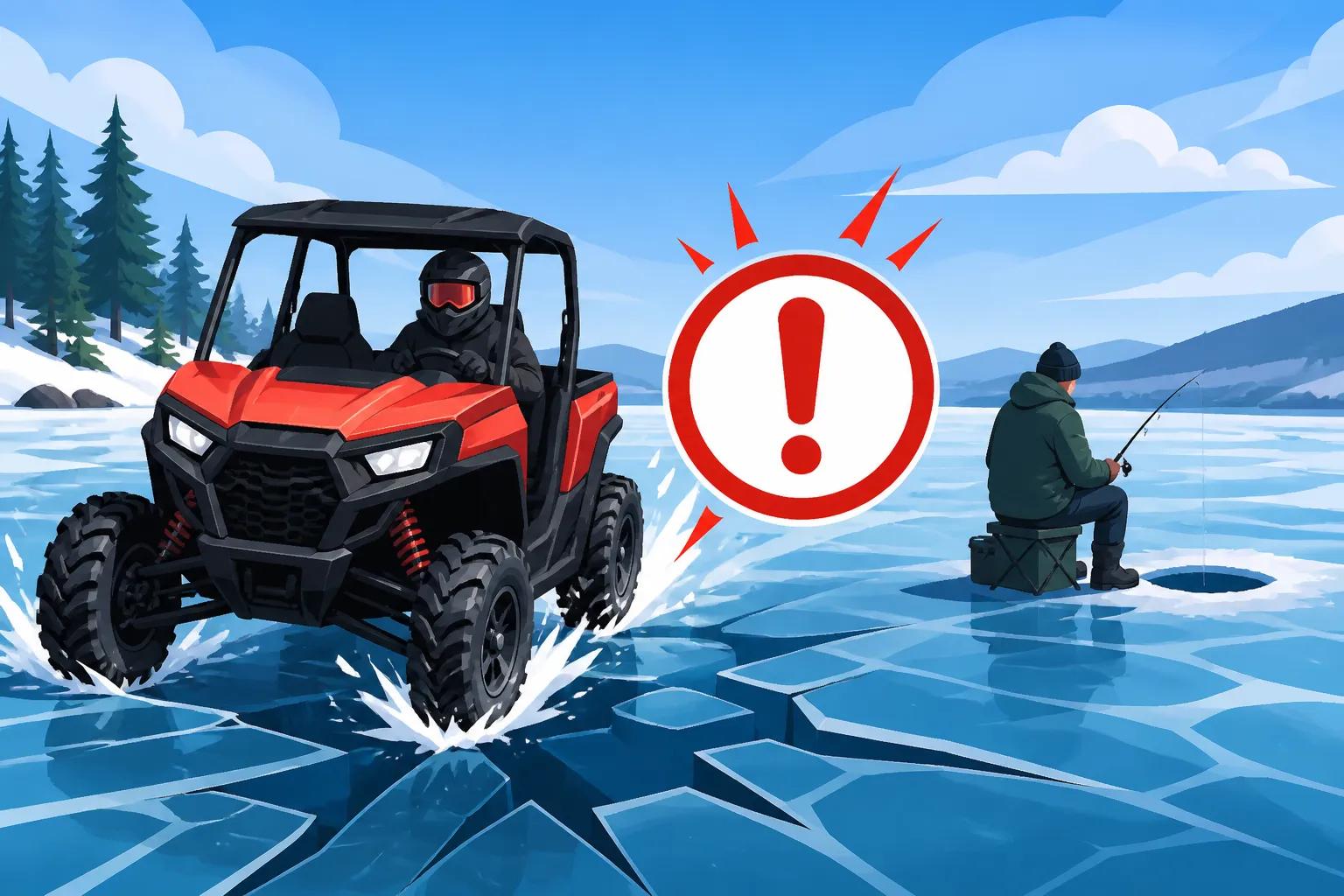
One of the most crucial regulations you need to be aware of when riding your ATV on frozen bodies of water in New York is the "100-foot rule." This rule isn't just for riding near homes at night; it extends to anyone actively engaged in activities like ice fishing. Essentially, it dictates that you must maintain a minimum distance of 100 feet from any person, ice shanty, or ice fishing equipment. This rule is designed for both safety and courtesy, aiming to minimize disturbance and potential hazards to those who are on the ice for different reasons.
Imagine you're out on a crisp winter day, the sun glinting off the snow-covered ice of Oneida Lake. You see a cluster of ice shanties in the distance, maybe a few figures bundled up near tip-ups. Your immediate thought should be to give them a wide berth. The 100-foot rule isn't just a suggestion; it's a legal requirement. Deviating from it can lead to fines and, more importantly, can disrupt someone's peaceful fishing experience or even put them at risk. It’s about sharing the space respectfully. [New York's 100-Foot Rule Near Homes at Night] explains the broader application, but understand its crucial role on ice, too.
Why the 100-Foot Buffer is Essential
The 100-foot rule isn't some arbitrary number plucked out of thin air. It serves several vital purposes. First and foremost, it’s about noise. ATVs, even quieter models, generate a significant amount of sound. This noise can be incredibly disruptive to anglers, who often seek the quiet solitude of the ice. The vibrations from your machine, even at a distance, can also travel through the ice and potentially scare fish away, effectively ruining an angler's efforts. If you've ever had your quiet enjoyment of nature interrupted by a loud engine, you can certainly empathize with this frustration.
Beyond noise, there's a safety component. While you might be an experienced rider, sudden maneuvers or unseen ice hazards could pose a risk. Keeping a safe distance minimizes the chance of an accidental collision with a person, shanty, or fishing gear. Additionally, the wake created by your ATV, even on ice, can contribute to stress cracks or impact the stability of the ice in the immediate vicinity of an angler, particularly near their cut holes. Nobody wants to be responsible for someone else's safety being compromised, nor do you want to be caught in a situation where you're too close and an unforeseen event occurs. It’s a simple measure to ensure everyone's peace of mind and physical safety. This concern for safety also applies to [New York Rules for Riding on Frozen Water] in general.
Identifying Anglers and Ice Shanties
Sometimes, spotting an ice angler or their setup isn't as straightforward as seeing a brightly colored shanty in the middle of a wide-open lake. Especially in low light conditions, during snowfall, or if anglers are using more minimalist setups like buckets and tip-ups, they can blend into the snowy landscape. It's your responsibility as a rider to be constantly vigilant, scanning the ice ahead for any signs of human activity.
Look for subtle clues: a plume of smoke from a small heater vent, tracks in the snow that aren't ATV treads, or even just a solitary figure hunkered down. Sometimes, ice shanties can be small, camouflaged, or partially buried in snowdrifts. Being proactive in identifying these areas far in advance gives you ample time to adjust your route and maintain the required 100-foot buffer. Don't assume an empty stretch of ice will remain empty. People can set up quickly, so always be on the lookout. For more specific rules, you might want to review [New York Rules for Riding Near an Ice Shanty].
Navigating Ice Safely: Beyond Just the 100-Foot Rule
While keeping your distance from anglers is paramount, it’s only one piece of the puzzle when it comes to safe ice riding. Navigating frozen bodies of water safely requires a thorough understanding of ice conditions, proper equipment, and a healthy respect for the environment. Ignoring these other factors can lead to dangerous situations, not just for you but for anyone else on the ice.
Assessing Ice Thickness and Conditions
The number one rule for ice riding is: no ice is truly 100% safe. Always check local conditions, talk to experienced ice anglers or local authorities, and look for posted warnings. General guidelines for safe ice thickness are often cited, but these are just guidelines; varying conditions, currents, and springs can create thin spots even on seemingly thick ice.
| Ice Thickness (Approximate) | Recommended Activity | Cautions & Considerations |
|---|---|---|
| Less than 2 inches | Stay off | Highly dangerous, not safe for any weight. |
| 2-3 inches | Single person on foot | Exercise extreme caution, spread weight, carry safety gear. |
| 4-5 inches | Ice fishing groups on foot | Suitable for groups, but be aware of localized thin spots. |
| 5-7 inches | Snowmobiles, ATVs (single rider) | Generally safe for single machine, check for consistency. |
| 8-12 inches | Small cars, light trucks | Requires consistent thickness, avoid areas with current or springs. |
| 12-15 inches | Medium trucks, larger vehicles | Professional assessment often recommended for this weight. |
Note: These are general guidelines. Always verify local conditions and never assume ice is safe without checking.
A critical factor is the type of ice. Clear, blue ice is generally stronger than white or opaque ice, which often contains air bubbles or snow, making it weaker. Slushy ice, especially after a warm spell or rain, is extremely hazardous. Areas with moving water, like inlets, outlets, or areas over springs, will almost always have thinner ice, regardless of how thick the surrounding ice appears. Always proceed with extreme caution, and if in doubt, stay off.
Essential Safety Gear for Ice Riding
Riding on ice demands specific safety gear. This isn't just about protecting yourself in a crash, but preparing for the worst-case scenario: going through the ice.
- Ice Picks: These are small, sharp tools tethered together, worn around your neck. If you fall through, they can help you grip the ice and pull yourself out. They are absolutely non-negotiable for ice riding.
- Throw Rope: A buoyant rope, typically 50-75 feet long, stored in a bag. This is for rescuing others or being rescued.
- Personal Flotation Device (PFD): Wear a floatation suit or a life vest under your outer layers. Your heavy winter gear can quickly pull you down in frigid water.
- Whistle or Communication Device: To signal for help if you're in distress. Cell service can be spotty on some remote lakes, so a whistle is a reliable backup.
- Navigation Tools: A GPS device or a detailed map and compass are crucial, especially if snow covers familiar landmarks. White-out conditions can occur rapidly on open ice, leading to disorientation.
- Basic Survival Kit: Include fire starters, emergency blankets, and high-energy snacks. Hypothermia sets in quickly in freezing conditions.
- Winch: A reliable winch, perhaps from a brand like SuperATV, mounted on your ATV can be invaluable for self-rescue or assisting another rider stuck in snow or slush near a soft spot. While it won't pull you out of open water, it can help in precarious situations on the ice edge.
Always ride with a buddy, or at least let someone know your planned route and expected return time. Solo ice riding significantly increases the risk.
Etiquette and Respect on Shared Winter Landscapes
The frozen lake isn't just a trail; it's a shared natural space, and respecting all users is key to preventing conflict and ensuring everyone can enjoy their outdoor pursuits. Beyond the written rules, there's an unwritten code of conduct that fosters good relationships between different user groups.
Minimizing Your Impact on the Environment and Others
When riding your ATV on ice, strive to be as minimally impactful as possible. This includes controlling your speed, especially when you are anywhere near other people, even if you're outside the 100-foot buffer. Excessive speed kicks up snow and can create unnerving vibrations. Keep your exhaust system in good repair to avoid unnecessary noise. A well-maintained machine is not only safer but also more respectful to the environment and other users.
Think about your route. If there's an obvious trail or path that keeps you well away from known fishing spots, use it. Avoid cutting new tracks directly through areas where anglers are spread out. When you do pass an angler, slow down, give a friendly wave if they make eye contact, and continue on your way. Common courtesy goes a long way in fostering a positive environment. It’s important to remember that most people are out there to relax and enjoy nature, and you want your presence to contribute to that, not detract from it.
What to Do If You Encounter a Conflict
Despite your best efforts, sometimes conflicts can arise. Maybe you unknowingly got too close, or an angler is particularly sensitive to noise. If someone signals you to slow down or move away, comply politely and immediately. Avoid escalating the situation with arguments or aggressive behavior. A simple apology or acknowledgment often diffuses tension.
If you believe you were unfairly confronted or if a situation feels unsafe, disengage and report the incident to local authorities or trail system managers if you're on a designated trail. It's always better to de-escalate and rely on official channels to resolve disputes rather than engaging in a shouting match on the ice. Remember, you're representing the entire ATV community, and a positive interaction leaves a better impression than a negative one.
Preparing Your ATV for the Ice
Just as important as rider preparation is ensuring your ATV is ready for the unique challenges of ice riding. Cold temperatures and slippery surfaces demand specific checks and potentially some modifications.
Winterizing Your Machine for Cold Weather
Before venturing onto the ice, ensure your ATV is properly winterized. This means checking your antifreeze levels to prevent engine block damage, ensuring your battery is fully charged and in good condition (cold saps battery power quickly), and inspecting all hoses and belts for cracks or wear that could worsen in freezing temperatures. Consider running a synthetic oil formulated for cold weather, as it flows better at low temperatures.
Your tires are also crucial. While studded tires are often used for extreme ice, they're not always necessary for general riding on packed snow and ice. However, ensuring your tires have good tread depth is essential for traction. Some riders opt for specialized low-pressure tires to increase their footprint on the ice, distributing weight more effectively. A reliable brand like SuperATV offers various tire options and accessories that can enhance your ATV's performance and safety in winter conditions, from winches to sturdy skid plates that protect your undercarriage from hidden ice chunks.
Visibility is Key: Lights and Reflectors
On open ice, visibility can be compromised by flat light, blowing snow, or simply the vast, featureless landscape. Ensure all your ATV's lights are fully functional – headlights, taillights, and brake lights. Consider adding auxiliary LED lights for better forward visibility, especially if you plan to ride in low light or at night. Reflective tape on your machine and bright, high-visibility clothing for yourself are also excellent safety measures. The more visible you are to others, including anglers and other riders, the safer everyone will be. [New York Rules for Riding After Dark] includes considerations for lighting, which becomes even more critical on ice.
The Broader Context of Ice Riding in New York
While this guide focuses on interactions with anglers, it's important to remember that ice riding falls under the larger umbrella of New York's ATV regulations. Make sure your ATV is properly registered in New York. [Registering an ATV in New York] details the process, but in short, you'll need to make sure your paperwork is in order before you hit the ice. An unregistered machine, even on frozen water, is a ticket waiting to happen.
You'll also need proof of insurance. New York mandates ATV insurance for riding off your own property, and that includes public frozen bodies of water. [New York ATV Insurance Requirement] lays out the specifics. Finally, if you're under 16, a safety certificate is required. [New York ATV Safety Certificate Requirements] explains who needs it and how to get one. Being fully compliant with all state regulations ensures your winter riding adventures are enjoyable and stress-free.
Disclaimer
This article is for general informational purposes only and does not constitute professional advice. Laws, prices and regulations vary by location and change over time. Consult a qualified professional for guidance on your specific situation.