New York Helmet Law for Passengers
Navigating New York's ATV laws can feel like trying to find your way through a dense forest without a map, especially when it comes to something as critical as passenger safety. Many riders wonder if the same helmet rules apply to a friend or family member riding along as they do to the operator, and the short answer is a resounding yes. This guide aims to clear up all the confusion surrounding New York's helmet law for ATV passengers, ensuring you and your riding companions stay safe and on the right side of the law.
The Absolute Rule: Why Every Passenger Needs a Helmet in New York
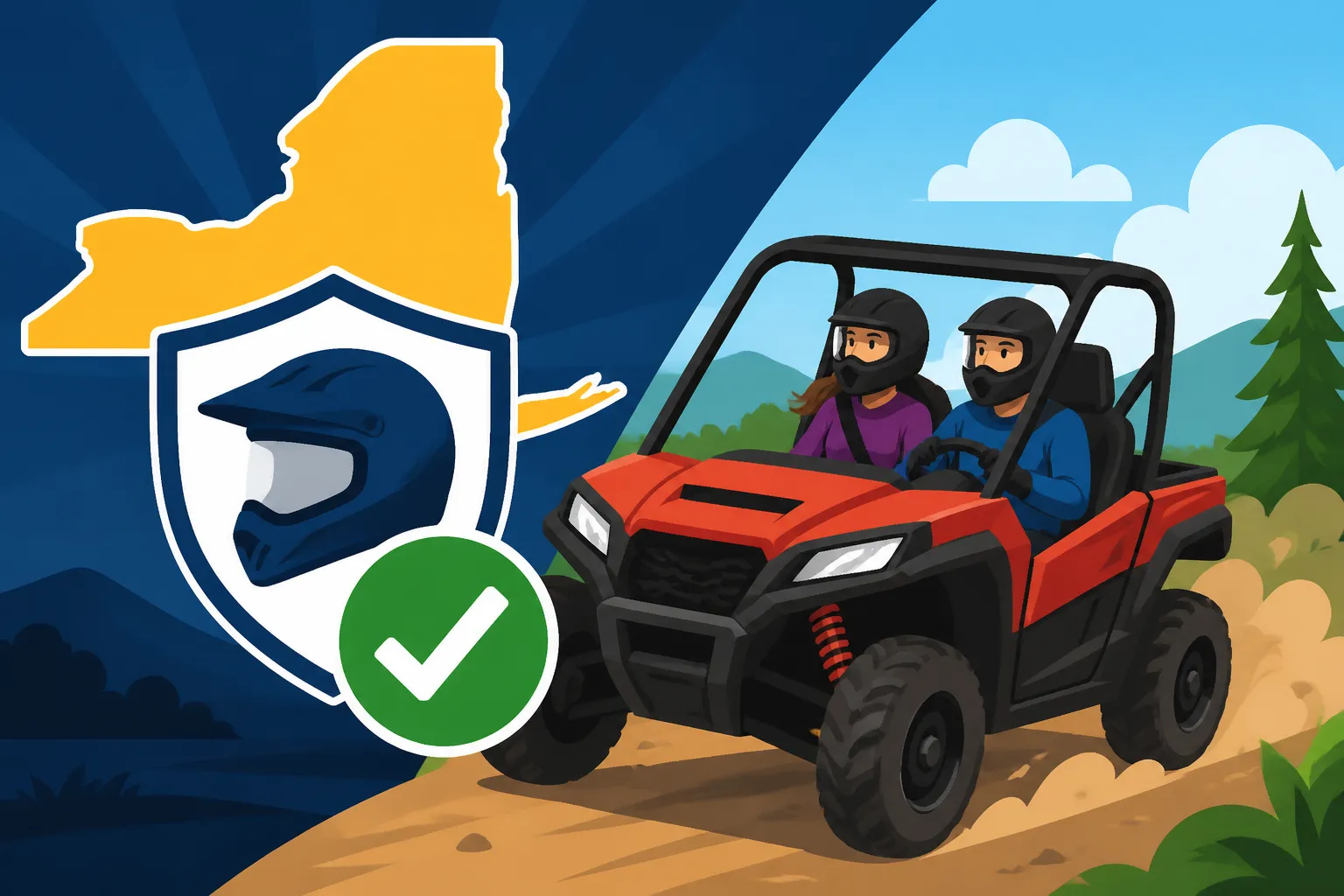
Let's cut right to the chase: New York State law is crystal clear when it comes to helmets on ATVs. If you're riding an ATV on public land, designated trails, or even on private land where the rules might still apply (more on that later), and you have a passenger, that passenger must be wearing a helmet. There's no wiggle room here, no exceptions based on age, experience, or the length of your ride. This isn't just a suggestion; it's a non-negotiable legal requirement designed to protect everyone on the machine.
Think about it this way: an ATV ride, even a seemingly mellow one, carries inherent risks. A sudden stop, an unexpected bump, or a loss of control can send a passenger flying. Without a helmet, the risk of severe head injury skyrockets. New York's lawmakers recognized this danger, which is why they enacted such strict rules. It's not about stifling your fun; it's about making sure everyone gets home safely at the end of the day.
No Exceptions, No Excuses: Age Doesn't Matter
One common misconception I hear from riders is that if a passenger is "old enough" or "experienced enough," a helmet might be optional. This couldn't be further from the truth in New York. The law makes no distinction between an adult passenger and a child. Whether your riding companion is a seasoned veteran of the trails or a young family member just starting out, their head needs to be protected. This universal requirement ensures that the most vulnerable part of anyone's body is safeguarded against impact.
Imagine you're out on a beautiful fall day, enjoying the vibrant foliage on a Lewis County trail with your spouse. You might both be experienced riders, but a momentary lapse in judgment or an unforeseen obstacle, like a deer darting across the path, could lead to an accident. If your spouse isn't wearing a helmet, the potential for a life-altering injury is immense. The law doesn't care about your riding history; it cares about preventing tragedy. Similarly, if you're taking your teenage child for a ride, they might argue that they're "too cool" for a helmet. But the law, and common sense, dictates that they wear one. As the operator, you are responsible for ensuring your passenger complies with this critical safety measure. You can find more details on this specific topic in [Does Your Passenger Need a Helmet Too?].
What Constitutes a "Helmet" Under New York Law?
It’s not enough to just throw any old hat on your head and call it a helmet. New York State law specifies that the helmet must meet certain safety standards. Specifically, it must be a U.S. Department of Transportation (DOT) approved helmet. What does that mean in practical terms? It means the helmet has undergone rigorous testing to ensure it can withstand impacts and protect your head effectively. You'll typically find a DOT sticker on the back of any approved helmet.
When you're shopping for a helmet for your passenger, don't skimp. Look for a helmet that fits snugly, covers the forehead, and has a strong chin strap that fastens securely. Avoid novelty helmets that might look cool but lack the necessary safety certifications. These often don't offer adequate protection and won't satisfy the legal requirements. A helmet that is too loose can shift during an impact, offering little to no protection, while one that's too tight can be uncomfortable and distracting. Ensure the helmet is designed for powersports use, not just a bicycle helmet, as the types of impacts and speeds involved in ATV riding are vastly different. When you consider [New York Equipment Requirements for ATVs], the helmet is at the top of the list for good reason.
Beyond the Helmet: Who Can Even Be a Passenger?
While wearing a helmet is paramount, New York law has other critical stipulations regarding ATV passengers that often get overlooked. It's not just about what they're wearing; it's also about where they're sitting and if they're even permitted to ride with you in the first place. These rules are equally important for safety and legality. Ignoring them can put both you and your passenger at serious risk, regardless of helmet use.
Factory-Designed Seating: The Only Legal Option
This is a big one, and it's where many riders accidentally run afoul of the law. New York State law dictates that a passenger on an ATV can only ride if the machine is "specifically designed and intended by the manufacturer for carrying more than one person." What this means is that your ATV must have a factory-fitted passenger seat, complete with handholds and footrests. You absolutely cannot rig up a makeshift seat, have someone sit on the rear rack, or stand on the footpegs behind you. These actions are incredibly dangerous and illegal.
Most traditional single-rider ATVs are not designed to carry a passenger. Their suspension, braking, and balance are all calibrated for one person. Adding a passenger to such a machine dramatically alters its handling characteristics, making it much harder to control, especially in turns or over rough terrain. This dramatically increases the risk of tipping, rolling, or losing control. If you've got a single-rider quad, you're looking at a solo adventure, or you need to invest in a machine specifically designed for two, like a two-up ATV or a compliant side-by-side. For more information on this, check out [Why a Passenger Needs a Factory-Fitted Seat in New York] and [Two Riders on a One-Seat Machine].
Age Restrictions for Passengers in New York
Beyond the helmet and seating requirements, New York also has an age floor for ATV passengers. A rider must be at least ten years old to operate or ride as a passenger on an ATV. This means you cannot take a child under the age of ten for a ride on your ATV, even if they're wearing a DOT-approved helmet and sitting in a factory-designed passenger seat. This rule is in place because younger children typically lack the physical development, strength, and cognitive ability to properly brace themselves, follow instructions, and react appropriately in an ATV environment.
It's a tough rule for some families, especially those with very young children who love the idea of riding with mom or dad. But remember, these laws are written with safety as the priority. An ATV ride can be a thrilling experience, but it's also powerful machinery. A small child's body is simply not equipped to handle the forces and movements of an ATV, even as a passenger. Adhering to this age limit helps protect the youngest members of our riding community. For a deeper dive into the rules for young riders, see [New York Passenger Rules on an ATV] and [New York Rules for a Child Passenger].
Equipping Your Passenger for a Safe and Legal Ride
Meeting the legal minimums is a great start, but true safety often goes beyond what's strictly mandated by law. As experienced riders, we know that the trails can be unpredictable, and conditions can change in a heartbeat. Outfitting your passenger with the right gear, and ensuring that gear fits correctly, is crucial for their comfort, protection, and overall enjoyment of the ride.
Ensuring a Proper Helmet Fit for Comfort and Safety
A helmet, no matter how high-quality, can only protect you if it fits correctly. This is especially true for passengers, who might be less experienced in knowing what a good fit feels like. Here’s how to ensure your passenger's helmet is doing its job:
- Measure Head Circumference: Before buying, measure the circumference of your passenger's head just above the eyebrows. This will give you a starting point for size.
- Try It On: Have them try on the helmet. It should be snug, but not painfully tight. There should be no significant gaps between the padding and their head.
- The "Shake Test": Once the chin strap is securely fastened (you should only be able to fit two fingers between the strap and their chin), have them shake their head side to side and up and down. The helmet should move with their head, not slide around independently. If it wiggles or tilts easily, it's too big.
- Vision Check: Make sure the helmet doesn't obstruct their peripheral vision and that they can see clearly out of the eyeport (if it's a full-face helmet) or can comfortably wear goggles if it's an open-face design.
- Comfort Check: While it should be snug, it shouldn't cause pressure points or pain. Different helmet brands and models have different internal shapes, so trying a few can make a big difference.
A properly fitted helmet drastically reduces the risk of injury by ensuring the helmet stays in place during an impact, absorbing and distributing the force as designed. An ill-fitting helmet can actually become a hazard, obscuring vision or even coming off in a crash.
Additional Protective Gear to Consider (Beyond the Law)
While New York law focuses primarily on helmets, experienced riders know that a helmet is just one piece of the safety puzzle. To truly protect your passenger, consider these additional items:
- Eye Protection: Goggles or a helmet with a face shield are essential. Dust, mud, branches, and insects can all fly up, causing eye injuries or impairing vision, which is dangerous for both rider and passenger.
- Long-Sleeved Shirt and Pants: Even on a warm day, long sleeves and pants made of durable material (like denim) can protect against scrapes, cuts, and sunburn. Lightweight, breathable fabrics designed for outdoor activity are great options.
- Gloves: Gloves protect hands from blisters, abrasions, and offer a better grip on handholds, especially important for a passenger.
- Over-the-Ankle Boots: Sturdy boots with good ankle support are vital. They protect feet from impacts, provide grip on footrests, and prevent injuries from hot engine parts or trail debris.
- Chest Protector/Body Armor: While perhaps overkill for a casual, slow ride, if you're hitting more aggressive trails, a chest protector or body armor can provide crucial protection against impacts from handlebars, rocks, or other hazards. This is particularly relevant for [New York Rules for a Passenger Under 16].
Remember, the goal is to make the ride as safe and enjoyable as possible. A well-equipped passenger will feel more secure, allowing them to relax and appreciate the experience more fully.
| Safety Item | Legally Required in NY | Strongly Recommended | Why It Matters |
|---|---|---|---|
| DOT-Approved Helmet | Yes (all ages) | Absolutely! | Critical for protecting against head injuries. |
| Factory Passenger Seat | Yes | Essential for safety | Ensures proper weight distribution and secure positioning. |
| Eye Protection | No | Yes | Protects eyes from dust, debris, bugs, and branches. |
| Long Sleeves/Pants | No | Yes | Guards against scrapes, cuts, thorns, and sun exposure. |
| Gloves | No | Yes | Prevents blisters, improves grip, protects hands in a fall. |
| Over-the-Ankle Boots | No | Yes | Protects feet from impacts, hot engine parts, and offers ankle support. |
| Minimum Age (10+) | Yes | Absolutely! | Ensures physical and mental readiness for the dynamics of ATV riding. |
The Consequences of Ignoring Passenger Helmet Laws
Ignoring New York's ATV helmet laws for passengers isn't just a minor oversight; it carries significant legal and personal ramifications. Nobody wants to face a hefty fine or, far worse, deal with the aftermath of a preventable injury. Understanding these consequences might just be the push you need to always prioritize safety.
Fines and Legal Penalties for Non-Compliance
Let's talk about the legal side first. If you're pulled over or observed by law enforcement (State Troopers, DEC officers, local police, park rangers) and your passenger isn't wearing a DOT-approved helmet, you, as the operator, are typically the one who will receive a citation. The specific fine can vary, but it's not a slap on the wrist. You could be looking at a significant monetary penalty, and potentially even points on your driver's license, depending on the specifics of the charge and where you're riding. These fines are part of the broader [New York Fines for an ATV Violation].
Think of it: that unexpected stop by a trooper could turn your fun day into an expensive lesson. Moreover, these incidents can often lead to further scrutiny. An officer might then check your ATV's registration, insurance, and other equipment, potentially uncovering other issues that result in additional fines. It’s simply not worth the risk of a ticket, let alone the much more serious consequences of an accident.
The Grave Risks of Injury and Liability
Beyond the legal penalties, the most crucial reason to ensure your passenger wears a helmet is the risk of injury. A head injury can be devastating, leading to long-term physical, cognitive, and emotional impairments, or even death. Helmets are incredibly effective at mitigating these risks, significantly reducing the severity of head trauma in a crash. Ignoring this simple safety measure is a gamble with someone's life and well-being.
Furthermore, if your passenger sustains an injury while riding without a helmet, your liability as the operator and owner of the ATV skyrockets. Even if they verbally agreed not to wear a helmet, or insisted they didn't need one, you, as the responsible party, could face immense legal challenges. Medical bills, lost wages, and pain and suffering claims can quickly run into hundreds of thousands, if not millions, of dollars. Your [New York's Mandatory ATV Insurance] might cover some aspects, but an insurance company could argue negligence if you knowingly allowed someone to ride without legally required safety gear. This could lead to a denial of coverage or at least a very difficult claims process, leaving you personally responsible for the costs. Is a moment of convenience worth potentially losing everything? Always enforce the helmet rule; it's the safest choice for everyone involved.
Disclaimer
This article is for general informational purposes only and does not constitute professional advice. Laws, prices and regulations vary by location and change over time. Consult a qualified professional for guidance on your specific situation.