Bringing a Machine From Pennsylvania
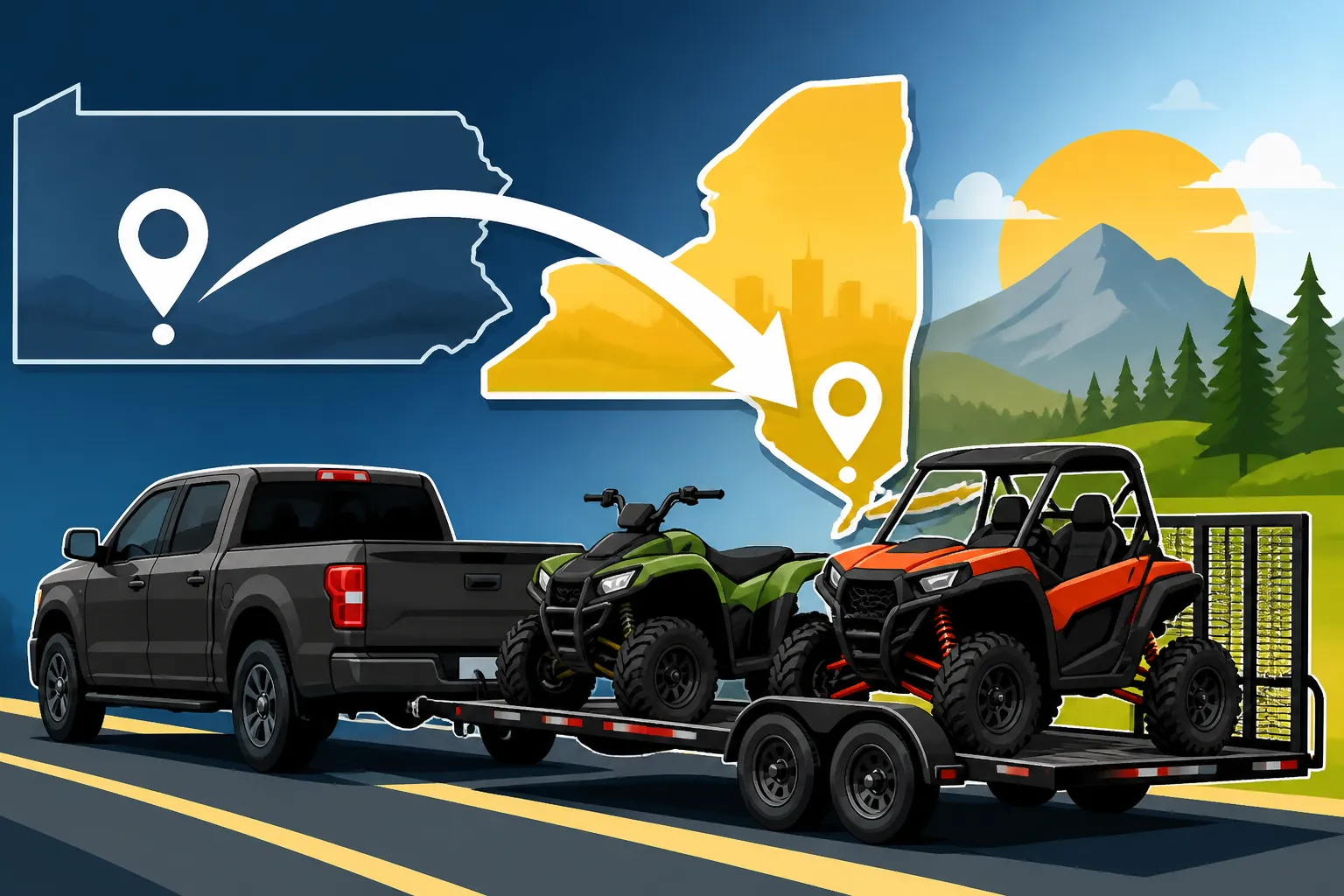
Bringing an ATV or UTV from another state into New York can feel like navigating a maze, especially when you're coming from a state like Pennsylvania that handles off-road vehicles a little differently. Many riders purchase their machines in Pennsylvania, drawn by the riding opportunities or perhaps a great deal, only to discover a significant headache awaits them when they try to get their beloved quad or side-by-side legal for New York trails and roads. This guide will walk you through the specific challenges and steps involved in registering a machine from Pennsylvania in New York, helping you avoid common frustrations and prepare for a smoother process.
The First Hurdle: Pennsylvania's Approach to ATV Registration
One of the biggest differences you'll encounter when bringing a machine from Pennsylvania to New York is Pennsylvania's unique registration system. It's not like New York, where nearly all ATVs used off private property need to be registered with the DMV. This difference sets the stage for many of the issues you'll face.
Why Pennsylvania is Different
Unlike many states, Pennsylvania doesn't have a universal, statewide ATV registration system for general off-road use. If you're riding strictly on private land you own or have permission to use, a Pennsylvania registration might not even be a blip on your radar. The Pennsylvania Department of Conservation and Natural Resources (DCNR) manages an ATV registration program, but it's primarily for machines used on DCNR-managed public trails. If your machine was never intended for those specific trails, it might not have any formal registration history in Pennsylvania at all.
This can be a huge shock for riders. You've been riding happily for years, maybe even bought the machine used from a friend or neighbor in PA, and suddenly New York is asking for paperwork that simply doesn't exist. This lack of a consistent, mandatory registration system in Pennsylvania is often the root cause of the confusion when you try to transfer it to New York's more structured system. It leaves a gap in the paper trail that the New York DMV is very keen to fill.
The "No Title" Dilemma for New York
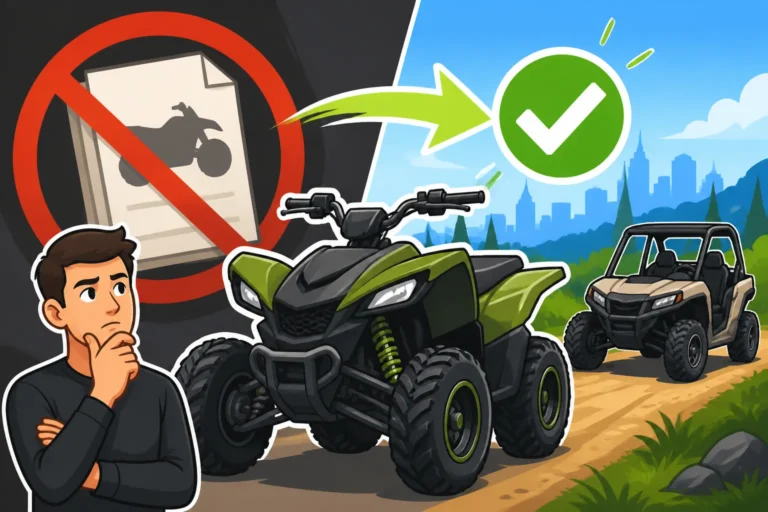
Adding to the complexity, Pennsylvania does not issue titles for ATVs. Let that sink in for a moment. Most vehicles we're used to—cars, trucks, motorcycles—come with a title, a clear document proving ownership. When you go to sell or register one, that title is the golden ticket. But for ATVs in Pennsylvania? Nope. This isn't necessarily a problem in Pennsylvania itself, where a robust bill of sale might be perfectly acceptable proof of ownership.
However, when you cross the border into New York, this "no title" situation can feel like a brick wall. While New York is also a non-title state for ATVs, meaning the DMV doesn't issue titles for them either, they still need clear, undeniable proof of ownership to complete your registration. Without a title, the burden of proof falls entirely on you to present alternative documents. It's a common misconception that because New York doesn't title ATVs, they won't care if your PA machine has no title either. They care deeply about proving you're the rightful owner. If you're curious about New York's approach, you might want to read more about [Why New York Issues No ATV Title]. The challenge is bridging the gap between Pennsylvania's minimal paperwork and New York's stringent requirements. This is where [New York ATV Registration Without a Title] becomes highly relevant.
Proving Ownership When There's No Title or Registration History
Since you won't have a title from Pennsylvania, and potentially no formal registration either, proving ownership to the New York DMV becomes your primary mission. They need to be absolutely sure that the machine belongs to you and isn't stolen. This requires a robust paper trail, even if it feels like you're building it from scratch.
The Bill of Sale: Your Most Important Document
When you're dealing with a machine from a non-title, often non-registered state like Pennsylvania, your bill of sale isn't just a formality—it's everything. This document is often the only piece of paper that directly connects you to the machine, establishing the chain of ownership. A flimsy, handwritten note on a napkin simply won't cut it for the New York DMV.
A strong bill of sale should include:
- Full legal names and addresses of both the buyer and the seller.
- Date of sale.
- Clear description of the ATV/UTV: make, model, year, and crucially, the Vehicle Identification Number (VIN).
- Purchase price.
- Signatures of both the buyer and seller.
- Witness signatures can add extra weight, though they aren't always mandatory.
If you bought your machine from a dealer in Pennsylvania, they typically provide a more formal bill of sale. However, if you bought it privately, it's your responsibility to ensure this document is comprehensive. You can find templates online that help ensure all necessary information is included. For instance, using a platform like LawDepot can help you generate a professional and legally sound bill of sale that will stand up to DMV scrutiny. This is absolutely critical for establishing ownership, as detailed in [New York ATV Bill of Sale Requirements]. Don't underestimate the power of a well-drafted bill of sale; it can make or break your registration application.
Beyond the Bill of Sale: Supporting Documents
Sometimes, even with a great bill of sale, the DMV might want more. This is especially true if the machine has changed hands multiple times without formal registration or titling, creating a less-than-clear chain of ownership. What else can you bring to strengthen your case?
Think about any other documents that link you to the machine:
- Cancelled Checks or Bank Statements: If your bill of sale shows a purchase price, a corresponding bank statement or cancelled check proving the payment can add a layer of authenticity.
- Old Insurance Cards: Even if from Pennsylvania, an insurance card that lists your name and the ATV's VIN shows a history of you owning and insuring the vehicle.
- Repair or Maintenance Records: Receipts from service shops that include the VIN and your name can serve as additional proof of ownership and use.
- Previous Owner's Documents: If you can get a copy of the bill of sale from the person who sold it to your seller, or any previous documentation, that helps build a more complete ownership chain.
The goal here is to paint a clear picture for the DMV. You're trying to prove that this machine legitimately passed from one owner to the next, ending with you. It can be frustrating to gather all this, but New York needs this diligence to prevent issues like stolen vehicles being registered. For more insights on proving ownership, check out [Proving Ownership Without a Title in New York].
The VIN Tracing Requirement
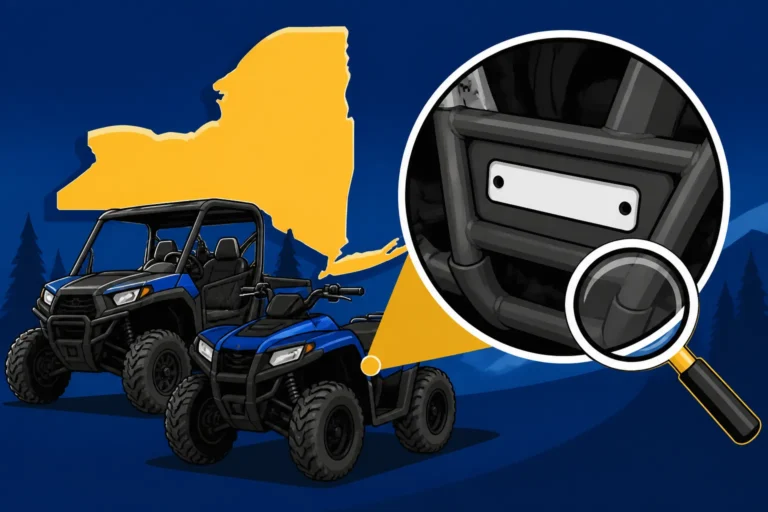
Here's a small but often overlooked detail that can send you back home from the DMV: the VIN tracing. New York requires a physical pencil tracing of your ATV's VIN. This isn't just about reading the number; they want proof that you physically located the VIN on the machine itself.
To do this, you'll need:
- A piece of paper (a standard 8.5×11 inch sheet works fine).
- A pencil (a soft lead pencil works best).
- Locate the VIN on your ATV's frame. It's usually stamped into the metal, often on the frame near the steering head, or sometimes under the seat or on the engine case.
- Place the paper over the VIN and rub the side of the pencil lead across the paper until the numbers and letters of the VIN are clearly transferred.
This step is a bit old-fashioned, but it's a non-negotiable requirement for New York ATV registration. It's a layer of verification the DMV uses to ensure the VIN on your paperwork matches the actual machine. Don't forget this! It's a simple step that many first-timers forget, resulting in an extra trip to the DMV. Learn more about [Why New York Wants a Pencil Tracing of the VIN].
Navigating the New York DMV Process
Once you've got your ownership documents in order, you're ready to tackle the actual registration process at the New York Department of Motor Vehicles. Being prepared with the right forms and understanding the sequence of events will save you time and stress.
The Forms You'll Need
Going to the DMV without the correct forms is a common rookie mistake that leads to endless frustration. For registering an ATV from Pennsylvania without a title, you'll primarily need these:
- Form MV-82 (Vehicle Registration/Title Application): This is the main application form for vehicle registration in New York. You'll fill out your personal information and the details of your ATV.
- Form MV-51B (Statement of Transaction – Sale or Gift of a Motor Vehicle, Trailer, All-Terrain Vehicle (ATV), Boat, or Snowmobile): This form is absolutely critical for non-titled vehicles and establishes the sale transaction. It’s where you’ll record the details from your bill of sale, including the purchase price, sales tax information, and attest to the legitimacy of the transaction. For ATVs, since they're non-titled, this form is a must-have. Don't assume it's just for titled vehicles; it clearly covers ATVs.
- Proof of Insurance: We'll dive into this next, but you'll need a valid New York ATV insurance policy.
- Your Bill of Sale: The one you so diligently prepared earlier.
- Your VIN Tracing: The pencil rubbing you made.
- Proof of Identity: Your New York driver's license or other acceptable ID.
Make sure you download and fill out these forms accurately before you head to the DMV. Having them ready, with all sections completed, significantly speeds up the process. Getting your head around [New York's Form MV-51B Explained] will be incredibly helpful. For a full list, check out [New York ATV Registration Paperwork].
Insurance First, Then Registration
This is a point where many new New York residents or ATV owners from out-of-state get tripped up. In New York, you cannot register your ATV without proof of liability insurance. It's a mandatory requirement, and the DMV will not proceed with your registration until you can show them a valid insurance card or policy declaration page.
You'll need to contact an insurance provider that is authorized to do business in New York and offers ATV insurance. The state mandates minimum liability coverage, which typically includes:
- $25,000 for bodily injury to one person in an accident.
- $50,000 for bodily injury to two or more people in an accident.
- $10,000 for property damage in an accident.
It's a good idea to shop around, as rates can vary. You'll want to have your ATV's VIN handy when getting quotes. Once you've secured a policy, the insurer will provide you with the necessary proof of insurance. This must be presented at the DMV. Don't wait until you're at the counter to try and get insurance; do it beforehand. This critical step is often misunderstood, but [New York's Mandatory ATV Insurance] and [New York ATV Insurance Requirement] explain it in detail.
The Costs Involved
Beyond the insurance premium, there are several fees associated with registering your Pennsylvania ATV in New York:
| Fee Type | Description |
|---|---|
| Annual Registration Fee | This is the yearly cost to register your ATV. The exact amount can vary but is generally a modest sum. Remember, New York ATV registrations typically expire on August 31st, regardless of when you register, so you'll pay a full year's fee even if you register in July. |
| One-Time Plate Fee | There's a small, one-time fee for the physical ATV license plate that you'll attach to the rear of your machine. This is only paid when you first register the ATV in your name in New York. |
| Sales Tax | This is where it can get a bit complex when bringing a machine from out-of-state. New York imposes sales tax on ATV purchases. If you bought your ATV in Pennsylvania, you might have paid sales tax there. New York will typically give you credit for any sales tax you already paid in Pennsylvania. However, if New York's sales tax rate (state and local combined) is higher than what you paid in PA, you'll owe the difference to New York. If you paid no sales tax in PA (e.g., a private sale), you will owe the full New York sales tax on the purchase price listed on your bill of sale. |
Make sure you're prepared for these costs. They are essential components of making your machine street-legal for New York's trail systems and designated roads. For a clearer picture, refer to [New York ATV Registration Cost] and [New York ATV Plate Fee].
Common Pitfalls and What to Expect
Even with all your ducks in a row, there are specific aspects of New York's ATV regulations that can derail your plans, especially if your machine hails from a state with different rules like Pennsylvania.
Width and Weight Limits
This is perhaps the biggest gotcha for many riders bringing machines into New York, particularly side-by-sides (UTVs) or larger, more powerful ATVs. New York's definition of an "ATV" for registration purposes is quite specific and includes strict physical limitations:
- Width Limit: Your machine cannot exceed 70 inches in width.
- Weight Limit: Your machine cannot exceed 1,000 pounds in dry weight.
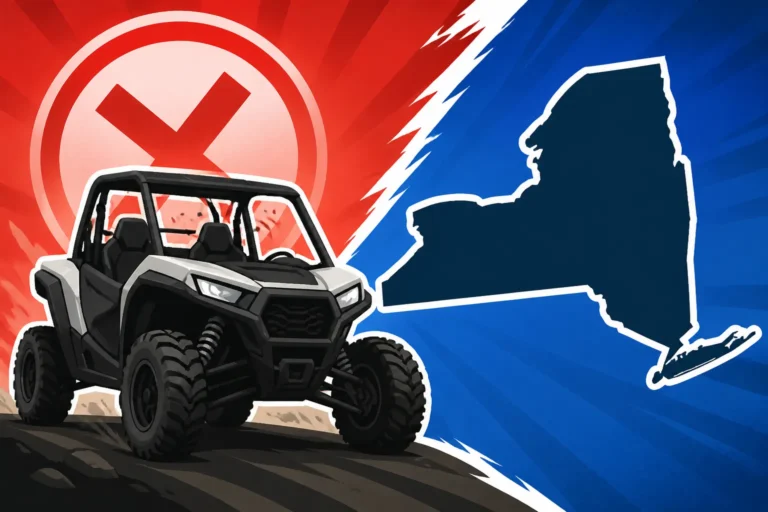
Many modern side-by-sides and even some performance-oriented ATVs exceed one or both of these limits. In Pennsylvania, these larger machines might be perfectly legal for off-road use, but in New York, they often fall outside the legal definition of an ATV for registration. If your machine is wider than 70 inches or heavier than 1,000 pounds (dry weight, mind you, before you even add fuel, accessories, or yourself), you simply cannot register it as an ATV in New York. It's a harsh reality that has left many owners disappointed. [New York's 70-Inch Width Limit] and [New York's 1,000-Pound Weight Limit] are critical reading if you suspect your machine might be too big. This also means most side-by-sides won't qualify, as explained in [Can You Register a Side-by-Side in New York?]. Measure your machine carefully before you even begin the registration process!
Expect Thorough Scrutiny
Because Pennsylvania doesn't title ATVs and may not have a robust registration history for your specific machine, the New York DMV staff will likely give your application a more thorough review. They are looking for any red flags, any inconsistencies in the paperwork, or any signs that the machine's ownership isn't crystal clear.
This means you should:
- Be Patient: The process might take longer than you expect.
- Be Prepared: Have all your original documents ready, not just copies.
- Be Polite: DMV staff are just doing their job, often dealing with complex situations. A friendly attitude goes a long way.
- Be Honest: Don't try to hide anything or embellish details. Any inconsistencies can lead to your application being rejected.
Having that well-structured bill of sale, perhaps drafted with a tool like LawDepot, can truly instill confidence in the DMV agent reviewing your case. It shows you've taken the steps to legitimize your purchase, even without a title.
What Happens If You Can't Register It?
So, you've done all the work, gathered the documents, but your machine is too wide, too heavy, or for some other reason, the DMV rejects your registration. What then?
The unfortunate truth is that if you cannot register your ATV or UTV in New York, you are severely limited in where you can legally ride it. Essentially, your riding options shrink dramatically to only private land that you own. You cannot ride an unregistered machine on public trails, designated roads, or even cross public roads in New York. Riding an unregistered ATV on public land or roads can result in significant fines and penalties.
This can be a disheartening outcome, especially if you moved to New York planning to explore its extensive trail systems. It underscores the importance of understanding New York's specific rules before you purchase a machine out-of-state or move it into New York. While [Riding Your Own Property Under New York Law] is always an option, it's often not the adventure most ATV enthusiasts are looking for. Knowing these limitations upfront can save you a lot of heartache and potential legal trouble.
Disclaimer
This article is for general informational purposes only and does not constitute professional advice. Laws, prices and regulations vary by location and change over time. Consult a qualified professional for guidance on your specific situation.