Insurance Proof at the Counter
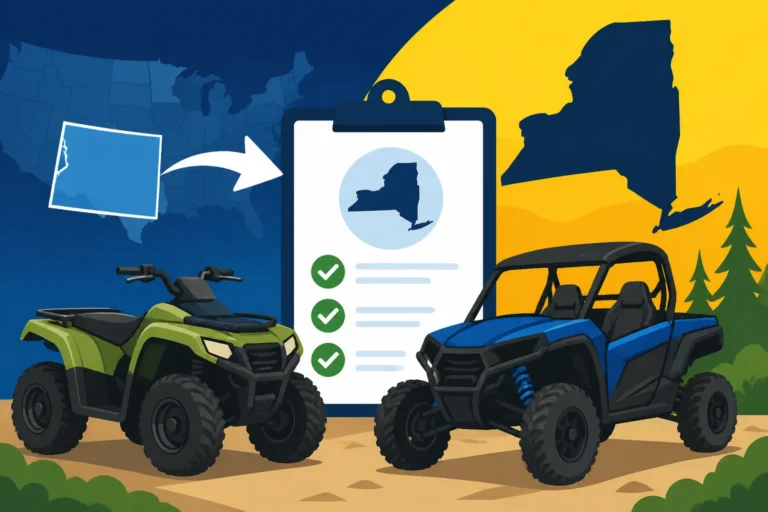
There’s nothing quite like the excitement of getting ready to hit the trails on your ATV in New York State. You’ve picked out your machine, maybe even loaded it onto the trailer, and you’re headed to the DMV to get it registered. But all that anticipation can quickly turn into a frustrating roadblock if you arrive at the counter without the specific proof of insurance the state demands. This guide will walk you through exactly what you need to bring, why it matters, and how to avoid that disappointing trip back home.
Why New York Demands Insurance Proof for ATV Registration
It might seem like just another hoop to jump through, but New York State's requirement for ATV insurance isn't arbitrary. It's deeply rooted in protecting riders, landowners, and the general public from the financial fallout that can occur when accidents happen. We all want to enjoy the trails, but that enjoyment comes with responsibilities.
The Legal Mandate Behind the Requirement
New York State law is pretty clear: if you’re going to ride your ATV anywhere other than your own property, you need to have it insured. This isn't just a suggestion; it's a hard and fast rule. Think about it – ATVs are powerful machines, and while we all strive for safe riding, accidents can, and do, happen. When they occur on public trails, designated routes, or even just crossing a posted road, the potential for injury or property damage to others is very real.
This legal mandate means that before the New York Department of Motor Vehicles (DMV) will even consider handing you that shiny new registration and plate, they need solid proof that your machine is covered. It's their way of ensuring that, should an unfortunate incident occur, there’s a financial safety net in place. This protects not only the other party involved but also you, the rider, from potentially devastating out-of-pocket costs. It’s all part of [New York's Mandatory ATV Insurance] requirements.
Protecting Yourself and Others on the Trails
Beyond just ticking a legal box, carrying proper ATV insurance is a smart move for everyone involved. Imagine you’re out on a beautiful Saturday ride on the Tug Hill Plateau, cruising along a designated trail. Suddenly, a deer jumps out, you swerve, and unfortunately, you clip a fence post belonging to a private landowner whose property the trail crosses. Without insurance, that fence repair bill is coming straight out of your pocket.
Or consider a more serious scenario: an accidental collision with another rider on a blind corner, resulting in injuries. Your insurance helps cover medical expenses for the injured party, potential liability claims, and even damage to their machine. This peace of mind isn't just for you; it's for every other rider and every landowner who allows access to their property for these trails. Even activities seemingly far from a trail, like navigating an icy expanse, require you to be aware of rules like [New York's 100-Foot Rule Near Homes at Night], emphasizing that an incident could happen in any number of situations, close to people and property.
What Counts as Valid Insurance Proof at the DMV
So, you understand why you need it. Now, let’s get down to the brass tacks of what exactly the DMV will accept when you show up at the counter. Having the right documentation is key to a smooth registration process.
Acceptable Forms of Documentation
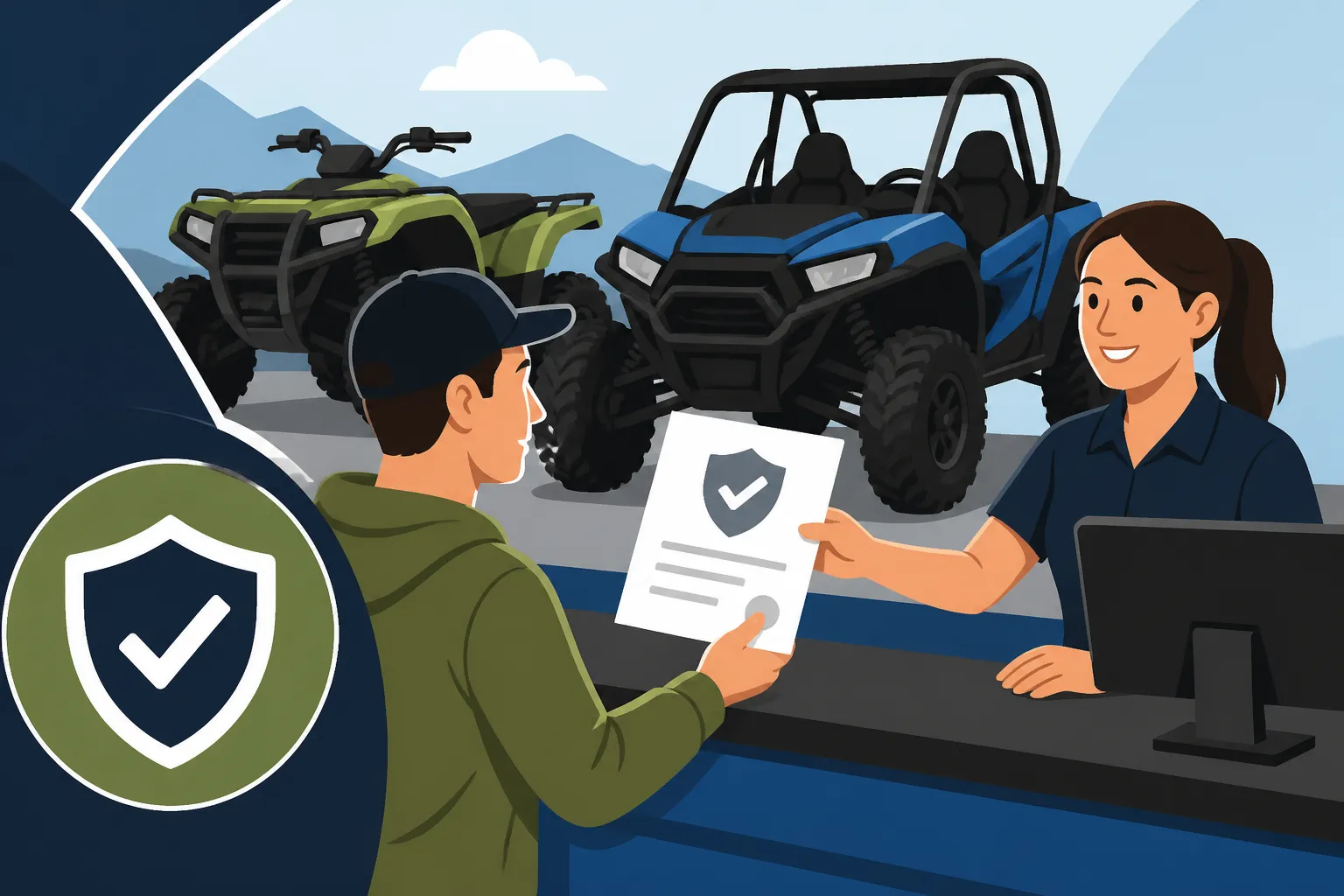
When you walk into a New York DMV office to register your ATV, the folks behind the counter need to see definitive proof that your machine is insured. The most common and widely accepted form of proof is your physical insurance identification card. This is the little card your insurer usually mails you. It should clearly display your policy number, the effective and expiration dates of the coverage, a description of the ATV (including the Vehicle Identification Number, or VIN), and the name of the insured party.
Another highly reliable option is the policy declaration page. This is often a more detailed document, sometimes several pages long, that outlines all the specifics of your insurance policy. It will contain all the information found on the ID card, plus a breakdown of your coverage limits – confirming you meet [New York ATV Insurance Minimum Coverage]. While digital proof on a smartphone might be accepted at some offices, it’s always safest to have a physical copy. DMV systems can be finicky, and a printed document eliminates any tech glitches. Finally, a letter from your insurance company on their official letterhead, specifically stating that your ATV is covered with the necessary details, can also be accepted. Just make sure it's current and clearly identifies the machine.
The Importance of New York Authorized Insurers
This is a crucial detail that often trips up riders, especially those new to New York or those who purchased their ATV out-of-state. The insurance policy you present at the DMV must be issued by an insurance company that is legally authorized to do business in New York State. This isn't about where you bought the ATV, but where the insurance company itself is licensed.
If you’re bringing a machine into New York from a neighboring state, like Pennsylvania or Vermont, your existing policy from that state might not be sufficient. It raises the question: [Does an Out-of-State Policy Satisfy New York's ATV Rule?]. While some large national insurers might be authorized in multiple states, it’s always best to confirm directly with your agent or the insurer themselves before heading to the DMV. They can tell you if their policies meet New York's specific requirements and if they are authorized to issue coverage here. You need to ensure you're covered by [Which Companies Can Legally Insure a New York ATV] to avoid a wasted trip.
Common Pitfalls and How to Avoid Them
Even with the best intentions, it's easy to make mistakes that can delay your ATV registration. Knowing what these common pitfalls are can save you a lot of time and frustration. Let’s look at some of the frequent issues and how you can sidestep them.
Expired Policies and Lapsed Coverage
One of the most common reasons people get turned away at the DMV counter is presenting an insurance document for an expired policy. Life gets busy, and it's easy to forget a renewal date, especially if your ATV is seasonal. Maybe you let your policy lapse over the colder months, thinking you wouldn’t be riding anyway, an act sometimes called [Letting Your ATV Policy Lapse Over the Winter]. However, when you go to register the machine for the upcoming season, the DMV needs to see an active policy with current effective dates.
If your policy has expired, you’ll need to contact your insurance provider immediately to reinstate or purchase new coverage. Ensure that the new policy’s effective date is before or on the day you plan to visit the DMV. Trying to register with an expired card is a surefire way to be sent home. If you've been off the trails for a while, make sure to consider [Restarting Coverage in Spring] well in advance of your DMV visit.
Missing Vehicle Information or Incorrect Details
The DMV is all about accuracy, especially when it comes to identifying your specific vehicle. The Vehicle Identification Number (VIN) on your insurance proof must exactly match the VIN on your [New York ATV Registration Paperwork] and, most importantly, the actual VIN on the ATV itself. A single digit off, or a transcription error, can cause a rejection. This is a crucial step in preventing fraud and ensuring the correct machine is covered.
Beyond the VIN, make sure the year, make, and model of the ATV are correctly listed on your insurance documents. Sometimes, an insurer might use a generic description, but it’s best if it’s specific. If you're using a Bill of Sale to show ownership (especially for used machines), make sure its VIN also matches. This is where resources like LawDepot can be incredibly helpful for drafting clear, accurate, and compliant documents like a [New York ATV Bill of Sale Requirements] to ensure all your paperwork aligns perfectly. Double-check everything before you leave your driveway!
Understanding the "Grace Period" Myth
Many people are familiar with grace periods for things like car insurance renewals, where you might have a short window after the expiration date to pay your premium without a lapse in coverage. However, when it comes to proving insurance at the DMV for ATV registration, there’s no such grace period in practical terms. The policy must be active and valid on the day you present it.
Don't assume that because your old policy just expired yesterday, it will still be accepted. It won't. The DMV’s job is to verify current, active coverage. If you show up with a policy that expired, even a day prior, you will be turned away. This isn't just a bureaucratic hurdle; it's a reflection of the state's commitment to ensuring all ATVs on public lands are continuously covered. Riding with expired or no insurance carries significant legal risks and potential [New York Fines for Riding Without Insurance], so it's always better to be fully covered before you even consider hitting the trails.
What Happens If You Don't Have Proof (And What to Do Next)
Let's face it, no one wants to deal with bureaucratic roadblocks, especially when you're excited to register your ATV. But understanding the consequences of not having proper insurance proof, and knowing what to do about it, can save you a lot of grief.
The Immediate Consequence at the Counter
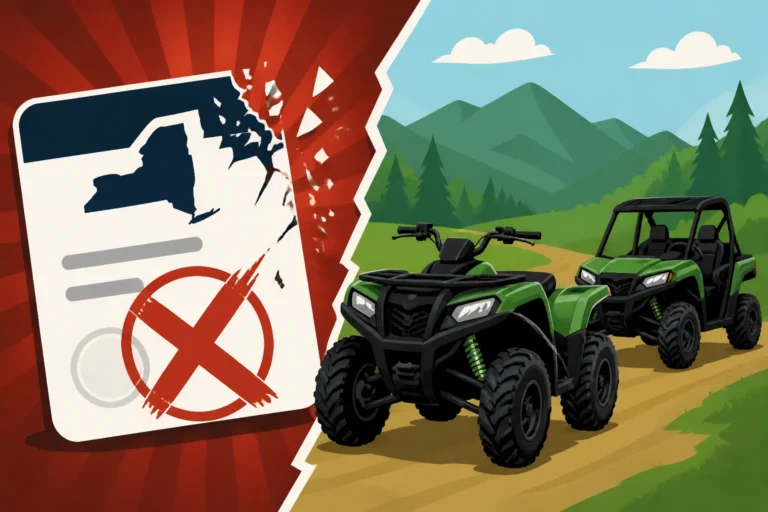
If you arrive at the DMV counter without valid proof of insurance that meets New York’s requirements, the process stops dead in its tracks. The clerk will politely (or sometimes, less politely, depending on how busy they are!) inform you that they cannot proceed with your ATV registration. All that time spent gathering your [New York ATV Registration Paperwork], driving to the DMV, and waiting in line will have been for naught. It’s incredibly frustrating to get that far only to be told you have to go home and try again.
The DMV staff are simply following state law. They cannot make exceptions, even if you promise to get insurance later that day. Their system is designed to prevent unregistered, uninsured vehicles from legally accessing New York's trails and roads. So, while it feels like a personal slight, it's just them doing their job to enforce regulations.
Steps to Take Before Your Next DMV Visit
If you've been turned away, don't despair! It's a common issue, and it's fixable. The first step is to immediately contact your insurance provider. Explain the situation: you need active, New York-compliant proof of insurance for your ATV registration. Ask them to verify all the details – VIN, make, model, effective dates, and ensure the coverage meets New York’s minimums. If there was an error, ask them to correct it and issue a new insurance card or declaration page right away. Many insurers can email you a temporary card or declaration page that you can print out at home.
If you’re buying a used machine, make sure you have insurance in place before you even think about visiting the DMV. Getting insurance for a newly acquired ATV, especially if you’re dealing with a private sale, is a critical step in the [Buying a Used ATV in New York] process. You might also want to utilize services like LawDepot to help you create a robust Bill of Sale, which can be crucial for proving ownership alongside your insurance documents when you go to [Registering an ATV in New York]. Gather all your documents, confirm their accuracy, and then, and only then, plan your next trip to the DMV.
Valid vs. Insufficient Insurance Proof at the New York DMV
| Document Type | Valid for Registration? | Key Details to Check | Why It's Accepted/Rejected |
|---|---|---|---|
| Physical Insurance ID Card | YES | Policy number, effective/expiration dates, VIN, name | Clear, concise proof of current, active coverage. |
| Policy Declaration Page | YES | All policy details, coverage limits, VIN, name | Comprehensive proof, confirms minimum coverage requirements. |
| Letter from Insurer | YES | Official letterhead, active policy dates, VIN, name | Direct confirmation from an authorized insurer. |
| Digital ID Card on Phone | Varies (BEST to Print) | Same as physical card | Some DMVs accept, but technical issues or strict clerks might reject. Print a physical copy! |
| Expired ID Card | NO | Dates clearly show expiration | Does not prove current active coverage. |
| Insurance Quote | NO | No policy number, just an estimate | A quote is not an active policy; it's an offer for future coverage. |
| Out-of-State ID Card | NO (Usually) | Issued by a non-NY authorized insurer | Unless the insurer is also authorized in NY, it's not valid for NY registration. |
| Auto Insurance Card | NO | Covers a car, not an ATV | ATVs require specific ATV insurance, not coverage under a standard auto policy. |
Disclaimer
This article is for general informational purposes only and does not constitute professional advice. Laws, prices and regulations vary by location and change over time. Consult a qualified professional for guidance on your specific situation.