Snow Removal on Private Property
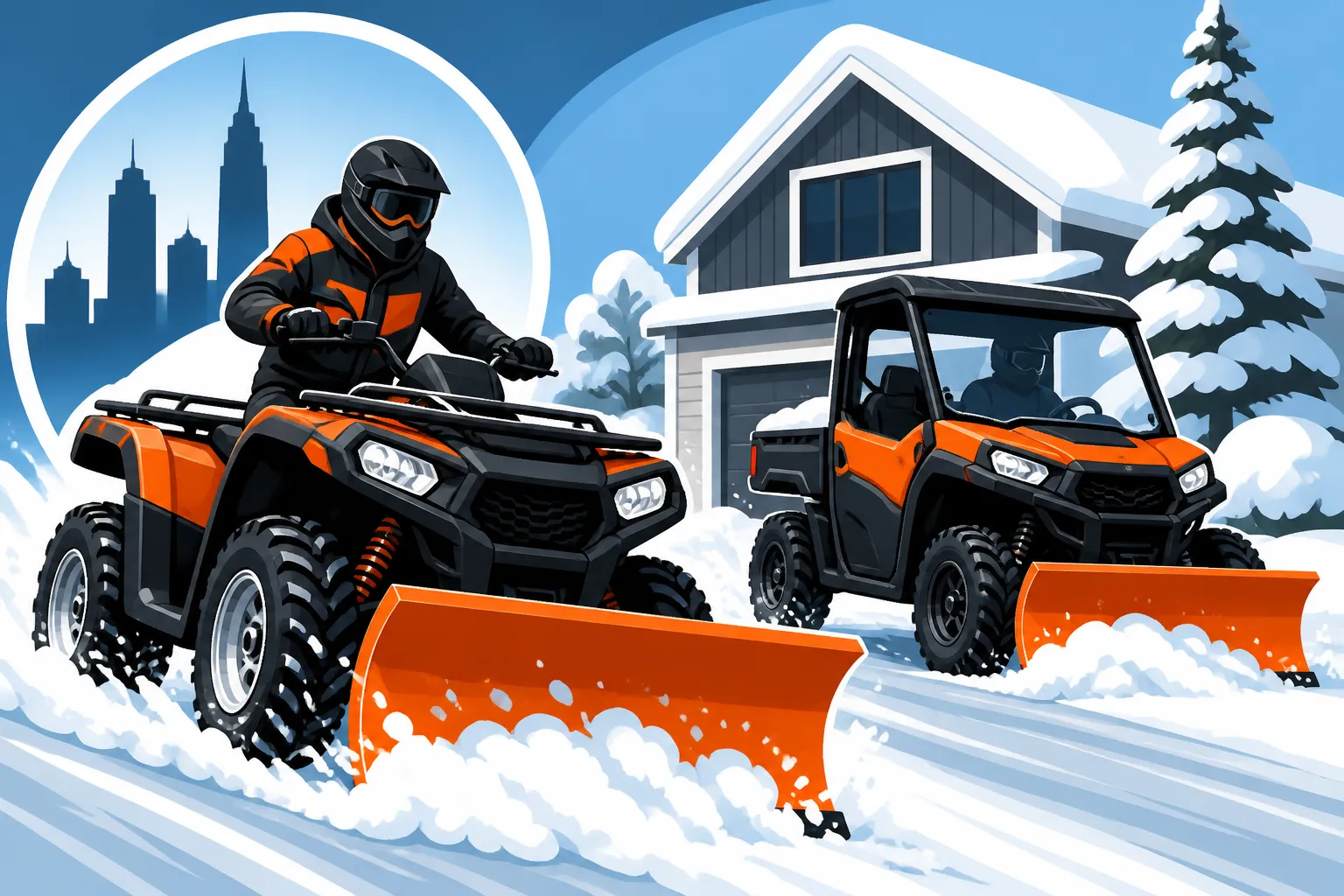
Winter in New York brings a certain kind of beauty, but it also ushers in the daunting task of snow removal, especially when you're facing a long driveway or a large property. Many folks turn to their trusty ATVs and UTVs for this very reason, but navigating the rules around using these machines for snow removal, especially on private land or when helping a neighbor, can feel like trudging through a fresh foot of snow – confusing and arduous. This guide aims to clear up the common questions and concerns, offering practical advice and clarifying the legal landscape for using your off-road vehicle to tackle those snow drifts across New York State.
Understanding New York's ATV Registration for Snow Removal
One of the biggest areas of confusion for ATV and UTV owners revolves around registration, particularly when the machine is used for utility tasks like plowing snow. It's easy to assume that if you're just on your own land, no one cares. And while there's truth to that for some aspects, it's not a blanket exemption. The nuances are important, especially in a state like New York with its specific requirements.
When Registration Matters And When It Doesn't
Let's break down the fundamental difference: where you're operating your machine. If your ATV or UTV never leaves your private property, meaning it doesn't touch any public land – not a road, not a ditch, not even a momentary crossing of a town highway – then, generally speaking, New York State's ATV registration requirements don't apply. You're effectively in your own domain, and the state isn't getting involved in how you manage your land, short of extreme negligence or breaking other laws. This means you won't face [New York Fines for an Unregistered ATV] if you truly keep it confined to your acreage for snow removal.
However, the moment your machine's tires touch any public property, even just to cross a road to get to another section of your land, or if you venture onto a neighbor's property that requires accessing a public easement or road, the registration rules immediately come into play. Many people have long driveways that briefly connect to a public road, or they might live in a rural area where their property is split by a small town highway. In these scenarios, even if your primary goal is snow removal, you technically need your machine registered. It's a common oversight that can lead to unexpected headaches.
The Agricultural Exemption: A Special Case
New York State does offer specific exemptions for ATVs used in agriculture. This can be a game-changer for farmers and those with extensive rural properties who primarily use their machines for farm-related tasks, including snow removal on their agricultural land. The state recognizes that these machines are tools for a livelihood, not just recreational vehicles. The [Agricultural Exemption in New York] allows qualifying machines to be exempt from registration when used solely for agricultural purposes, including clearing snow from farm access roads, barns, and other agricultural areas.
To qualify for this exemption, the ATV must be used exclusively in husbandry, which includes activities like cultivating the soil, raising crops, dairying, and raising livestock. If your snow removal duties are directly tied to these agricultural operations on your farm, then you might not need to register your machine. However, it's critical to understand that this exemption is not a free pass to ride on public roads or even a neighbor's driveway if it's not part of the contiguous farm operation. Misinterpreting this exemption could still land you in hot water, so always ensure your use strictly adheres to the agricultural definition.
General Registration Requirements
While your primary focus might be snow removal, it's still worth understanding what would be required for general ATV registration in New York, just in case your usage expands or your interpretation of "private property" changes. For any ATV that will be ridden off your own private property, even for short excursions or crossing public ways, you'll need to register it with the New York Department of Motor Vehicles (DMV). This involves completing specific paperwork, providing proof of ownership – often a bill of sale or similar document, as New York does not title ATVs – and paying the associated fees.
You'll also need to prove you have the [New York's Mandatory ATV Insurance] in place, which is a non-negotiable requirement for registration. This insurance provides liability coverage in case of an accident. So, if you're ever considering helping a friend across town clear their driveway, even for free, you'd need to ensure your machine is fully compliant with all registration and insurance requirements before you ever load it onto a trailer or drive it across any public land. This distinction between purely private use and any public interaction is paramount.
Equipment Considerations for Snow Removal
Using an ATV or UTV for snow removal isnatespecially during a harsh New York winter, requires more than just strapping a plow onto the front. The right machine, appropriate attachments, and diligent maintenance are crucial for both efficiency and the longevity of your equipment. Without the proper setup, you might find yourself stuck, broken down, or simply unable to move heavy, wet snow.
Choosing the Right ATV or UTV for Plowing
Not all ATVs and UTVs are created equal when it comes to pushing heavy snow. When you're eyeing a machine for snow removal, especially in New York's lake-effect snow belts, you need to think about power, weight, and ground clearance. A larger, more powerful ATV or a UTV with a strong engine will handle deeper, heavier snow with less strain. Look for models with a robust frame and suspension, as pushing a heavy plow full of snow puts considerable stress on the front end of your machine.
Four-wheel drive (4WD) is practically a non-negotiable feature. Trying to plow with a 2WD machine in icy or deep snow conditions will quickly lead to frustration and lost traction. Good ground clearance is also important, not just for navigating deeper snow without getting high-centered, but also for mounting the plow frame without it dragging. Consider the transmission type as well; a continuously variable transmission (CVT) found in many modern ATVs and UTVs works very well for plowing, allowing for smooth engagement and consistent power delivery without the need for manual shifting, which can be cumbersome when maneuvering a plow.
Essential Plowing Attachments and Accessories
Beyond the machine itself, the plow and its accessories are your primary tools. Snow plows for ATVs and UTVs come in various widths and materials, like steel or poly. A wider plow clears more snow per pass, but it also requires more power from your machine. For heavy New York snow, a sturdy steel plow is often preferred for its durability. You'll also need a mounting system specific to your machine, typically a frame that attaches under the ATV or UTV.
A winch is almost mandatory for efficient plowing. It's used to raise and lower the plow blade, offering precise control from the rider's seat. Manual lift systems exist but are far less convenient and much slower. Beyond the plow, consider tire chains for maximum traction on ice and packed snow, especially on inclines. Powerful auxiliary LED lights are also a smart investment, as many plowing operations happen in low light or at night, and your machine's standard headlights might not provide enough illumination for a wide plow blade. Don't forget a sturdy set of work gloves and warm gear for yourself; New York winters are no joke.
Maintaining Your Machine for Winter Use
Winter conditions are tough on any machinery, and your ATV or UTV is no exception. Before the first flakes even fly, give your machine a thorough pre-season check. This includes inspecting all fluids – engine oil, differential fluids, and coolant. Ensure your coolant is rated for extremely cold temperatures to prevent freezing. Check your battery; cold weather severely impacts battery performance, so ensure it's fully charged and in good condition. You might even consider a battery tender if your machine sits for periods.
Inspect all belts, hoses, and electrical connections for wear or damage. Salt and moisture are notorious for causing corrosion, so consider applying dielectric grease to electrical connections and using a corrosion inhibitor on exposed metal parts. After each plowing session, especially if you've been pushing salted snow, thoroughly rinse your machine to remove corrosive residue. Pay close attention to pivot points on the plow and the suspension components. Proper maintenance, including regular cleaning and lubrication, will help prevent rust and ensure your machine is ready for the next snowfall, extending its lifespan considerably.
Legalities and Best Practices for Private Property Plowing
While it might seem straightforward to use your ATV or UTV on your own land, the legalities can shift dramatically the moment you start interacting with others' property or public spaces, even subtly. Understanding these distinctions is crucial to avoiding accidental legal pitfalls, especially in a state like New York.
Operating on Your Own Land
When you're plowing snow exclusively on your own private property, you generally enjoy a high degree of freedom regarding ATV registration. As long as your machine never leaves your land, it doesn't need to be registered with the DMV. This is a common situation for homeowners with long driveways or large lots. You're effectively operating under your landowner rights. However, "freedom" doesn't mean "no responsibility." You are still responsible for safe operation. For example, if you somehow damage your own property or injure yourself due to reckless operation, your homeowner's insurance might come into play, but it might also have exclusions for motorized vehicle use. Always ride responsibly, even on your own turf.
While [Riding Your Own Property Under New York Law], you should still be mindful of local noise ordinances, especially if you're plowing late at night or early in the morning in a residential area. Common courtesy goes a long way. Beyond that, ensure your property is adequately marked if there are hidden obstacles or steep drops that could pose a danger during plowing. You also want to be aware of any private easements or shared driveways on your property; these might introduce other parties who could be affected by your plowing activities or the piles of snow you create.
Clearing a Neighbor's Driveway: The "For Free" Scenario
This is where things can get a little tricky, even with the best intentions. If you're kindly clearing a neighbor's driveway for free—a true act of neighborly generosity—the situation still involves some legal considerations. If your ATV or UTV needs to touch a public road, even briefly, to get to their driveway, then your machine must be registered and insured in New York. There's no "good Samaritan" exception for an unregistered vehicle on public land. Even if you trailer your machine to their house, if you then use it to clear their private property, you still assume a certain level of risk.
While your personal liability insurance (often part of your homeowner's policy) might offer some protection if an accident occurs, it's not guaranteed. If you accidentally damage their property—say, hit a mailbox or tear up their lawn—or if someone gets injured due to your actions, you could still be held liable. For simple, informal favors, most people don't draw up contracts, but for peace of mind, it might be worth having a basic understanding between you and your neighbor. While not strictly necessary for a free job, platforms like LawDepot offer templates for various agreements, which, in other contexts, could outline responsibilities and expectations, even if it's just for clarity.
Clearing a Driveway for Money: Professional vs. Informal
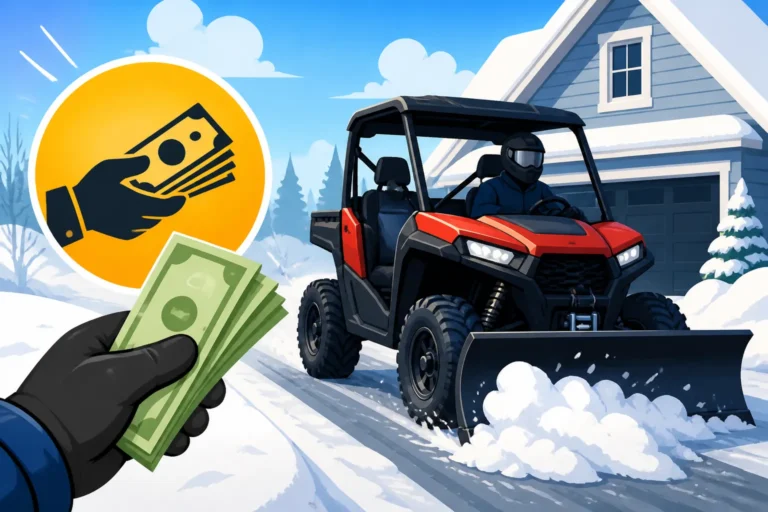
The moment money changes hands for snow removal services, even if it's just a small fee, the game changes significantly. You are now operating, in the eyes of the law, as a commercial entity, regardless of whether you consider yourself a "professional" snow plow operator. This immediate shift brings a host of new obligations and liabilities. Firstly, your ATV or UTV absolutely must be registered and insured, and your personal ATV insurance policy likely won't cover commercial operations. You'll need specific commercial liability insurance to protect yourself from claims of property damage or personal injury that occur while you're working.
Without proper commercial insurance, a single accident could lead to devastating financial consequences. Furthermore, it's highly advisable to have a formal, written agreement with anyone you're charging money for snow removal. This agreement should clearly define the scope of work, payment terms, and, crucially, liability clauses. LawDepot offers contract templates that could be tailored for such services, providing a clear framework to protect both you and your client. This is not just about legality; it's about clear communication and professional conduct, ensuring that both parties understand what's expected and who is responsible if something goes wrong. Trying to navigate this without proper documentation is a huge risk in New York, where winters can be unpredictable and damage claims frequent.
Liability and Insurance Considerations
Regardless of whether you're plowing your own land or someone else's, understanding liability and having appropriate insurance is paramount. New York winters are harsh, and accidents can happen quickly, turning a helpful act into a financial nightmare if you're not adequately protected. This is especially true when using powerful machinery like ATVs and UTVs.
Your Own Property: Accidents and Injuries
Even when you're strictly operating on your own land, accidents can occur. You might hit an unseen obstacle, overturn your machine, or even suffer an injury due to mechanical failure. In these scenarios, your homeowner's insurance policy typically provides liability coverage if someone else is injured on your property due to your negligence. However, coverage for your own injuries or damage to your own ATV can be more complex. Many homeowner policies have exclusions for recreational vehicles, including ATVs and UTVs, unless specifically endorsed. This means your expensive machine might not be covered if it's damaged during plowing.
For personal injuries, your health insurance would cover medical costs, but for long-term disability or lost wages, it's a different story. This is where a dedicated ATV insurance policy becomes invaluable. While not required for strictly private use, it offers comprehensive, collision, and medical payments coverage that can protect your investment and cover your own injuries, regardless of where you're riding. It's a layer of financial protection that, given the [What an ATV Costs to Own in New York] and repair, is well worth considering. Thinking through "what if" scenarios before they happen is a responsible part of ATV ownership, even for utilitarian purposes like snow removal.
Working for Others: Increased Risk and Protection
As previously discussed, helping a neighbor for money significantly increases your liability. If you're undertaking any snow removal for compensation, even informally, your personal ATV insurance will almost certainly not cover you. These policies are designed for recreational use, not commercial operations. You would need a commercial liability insurance policy, sometimes called a business owner's policy or general liability policy, to cover potential property damage, bodily injury, or even advertising injury claims arising from your snow removal services.
Imagine accidentally plowing through a hidden sprinkler head, causing thousands in damage, or worse, hitting a person or pet. Without commercial insurance, you would be personally on the hook for all damages, legal fees, and potential settlements. Beyond insurance, a well-drafted liability waiver or service agreement is critical. This document, which you can often find templates for on sites like LawDepot, can outline the responsibilities of both parties, detail the services provided, and potentially limit your liability under certain circumstances. It's not a foolproof shield, but it clearly defines the terms of engagement and can deter frivolous lawsuits. Always ensure any waiver or agreement complies with New York State laws and is reviewed by a legal professional if you're doing substantial paid work. Clear communication about what you will and won't do, and what risks the homeowner retains, protects everyone involved.
Safety First: Plowing Tips for New York Winters
New York winters can be beautiful but also incredibly challenging, and operating heavy machinery like an ATV or UTV in these conditions requires a strong emphasis on safety. From pre-plow preparations to actual operation, taking precautions can prevent accidents, injuries, and damage to your machine or property.
Pre-Plow Preparations
Before the first snowflake even dares to fall, you should be preparing your plowing area. Walk your entire driveway and any other areas you plan to clear. Mark obstacles that might become hidden under snow, such as decorative rocks, garden beds, sprinkler heads, or low-lying landscape lighting. Simple driveway markers, often available at hardware stores, are inexpensive insurance against costly damage. Pay attention to curbing, drainage covers, and any uneven surfaces that could catch your plow blade or cause your machine to lurch unexpectedly.
Beyond the physical space, always check the weather forecast. Knowing the expected snowfall amount, type of snow (light and fluffy versus heavy and wet), and temperature can help you plan your approach. Plowing light snow is far different from trying to push several feet of heavy, icy accumulation. Ensure your machine is in top condition: check tire pressure, fuel levels, lights, and the winch operation. [New York Rules for Riding in Winter] highlight the importance of visibility and proper equipment, so make sure all your lights are functional. A well-prepared operator and machine are the first steps to a safe and efficient plowing job.
Safe Operation Techniques
When you're actually plowing, slow and steady wins the race. Trying to ram through deep snow at high speeds can damage your machine, bend your plow, or cause you to lose control. Start with lighter passes, especially with heavy snow, pushing it to designated areas where it won't impede visibility or block drains. Overlapping your passes slightly ensures you clear the entire width. If you're moving snow to a pile, create smaller piles initially rather than trying to push one massive amount, which can overwhelm your machine.
Always maintain situational awareness. Be on the lookout for pedestrians, children, or pets, especially in residential areas. Keep a safe distance from buildings, vehicles, and anything else you don't want to hit. Use your auxiliary lights for better visibility, particularly during dawn, dusk, or nighttime operations. Fatigue is also a real danger; plowing can be physically demanding, so take breaks as needed. Riding impaired, even on private land, is extremely dangerous and legally risky; [Riding Impaired on Private Land in New York] has severe consequences. Your judgment, reaction time, and coordination are all critical for safe plowing.
Post-Plow Best Practices
Once the snow is cleared, your work isn't quite done. First, always clean your machine thoroughly. As mentioned earlier, salt, slush, and dirt can accelerate corrosion, so rinse off your ATV or UTV, paying special attention to the plow blade, frame, and suspension components. Lubrificate all moving parts of your plow, such as pivot points and hinges, to prevent rust and ensure smooth operation for the next snowfall.
Refuel your machine while it's still warm to prevent condensation in the fuel tank, which can lead to fuel line freezing. Check for any damage to your plow or machine that may have occurred during operation and make repairs promptly. Store your plow in a designated area, preferably undercover, to protect it from the elements. Finally, take care of yourself. Plowing is hard work, and you might be cold and wet. Change into dry clothes, rehydrate, and warm up. A little post-plow routine for both you and your machine ensures you're both ready to tackle the next New York snowstorm safely and effectively.
| Feature | Clearing Your Own Driveway (For Free) | Clearing a Neighbor's Driveway (For Free) | Clearing a Driveway (For Money) |
|---|---|---|---|
| Registration | Not required if strictly on private land. | Required if touching any public land (road, shoulder). | Always required. |
| Insurance | ATV policy recommended; homeowner's might cover liability. | ATV policy (personal) recommended; homeowner's might cover liability. | Commercial liability insurance is strongly recommended/required. |
| Liability Risk | Primarily personal injury/machine damage. | Property damage to neighbor; injury to others. | Highest risk; property damage, personal injury, professional negligence claims. |
| Formal Agreement | Not applicable. | Informal understanding with neighbor. | Formal written contract essential (e.g., from LawDepot). |
| Best Practice | Mark obstacles, maintain machine, ride safely. | Be clear about scope, ensure machine is legal for public transit. | Commercial insurance, detailed contract, clear communication, safety protocols. |
| Legal Status | Private property use; minimal state oversight. | Good Samaritan act, but public land rules still apply. | Commercial operation, increased regulatory scrutiny and liability. |
Disclaimer
This article is for general informational purposes only and does not constitute professional advice. Laws, prices and regulations vary by location and change over time. Consult a qualified professional for guidance on your specific situation.