Why New York Uses August 31 and Not Your Purchase Date
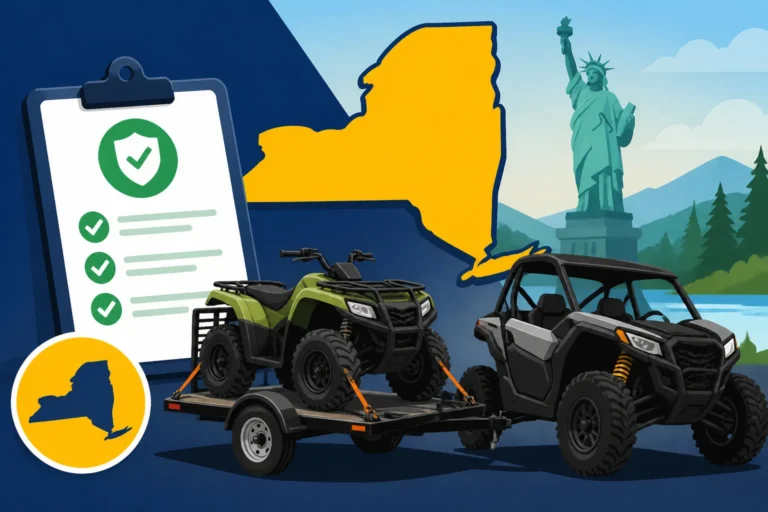
It's incredibly frustrating, isn't it? You go through all the steps to buy a new-to-you ATV, get it insured, fill out the paperwork, and finally pay the registration fee, only to realize that your brand-new registration isn't valid for a full year. Many folks expect their ATV registration in New York to follow the same pattern as their car or truck, expiring exactly one year from the day they registered it. This guide is here to shed light on why New York's ATV registration system works differently, specifically why it uses a fixed August 31st expiration date, and what that means for you as a rider.
The Common Expectation Versus New York's Reality
Let's be honest, most of us are used to a pretty straightforward system when it comes to vehicle registration. You buy a car, you register it, and that registration is generally good for twelve months from the date you put your name on the paperwork. It's a rolling expiration date, tied directly to your purchase or renewal month. This makes perfect sense; you pay for a year, you get a year. It feels fair and logical.
However, when you dive into the world of ATVs in New York, you quickly discover that this logical assumption doesn't apply. The moment you fill out that application at the DMV or send it in the mail, you're entering a different kind of system. This can be a real head-scratcher, especially for first-time ATV owners or those new to the state. The confusion often leads to a feeling of getting short-changed, particularly if you're registering an ATV in the middle or latter part of the state's registration cycle.
Why It Can Feel Like You're Losing Months
Imagine this scenario: you've finally saved up for that quad you've been eyeing, and you bring it home in late spring, say, May or June. You're excited to hit the trails, so you rush to get everything in order – insurance, registration, the whole nine yards. You pay your registration fee, expecting to be covered until next May or June. Then, you glance at the sticker or the paperwork and see "Expires: August 31st." Wait, what? That's barely three months!
This experience is a common source of frustration for many New York ATV enthusiasts. It feels like you've paid for a full year's registration but are only getting a fraction of the time. The perceived unfairness is palpable because your brain is hardwired to think "12 months for 12 months' pay." It's not a scam, of course, but it certainly doesn't align with the typical consumer expectation for vehicle services. This fixed expiration date means that no matter when you register your ATV during the year, you're always heading towards that same August 31st deadline, and the fee remains the same. It's a system that definitely requires some advanced planning if you want to maximize your value.
Understanding New York's Annual ATV Registration Cycle
Unlike many other vehicle types, New York State has established a fixed, annual registration period for ATVs. This isn't unique to ATVs – some other recreational vehicles share a similar structure, but it’s a distinct departure from the rolling twelve-month cycle most drivers are accustomed to. For every ATV owner in the Empire State, regardless of when they bought or registered their machine, the registration period concludes on [New York's August 31 Expiration].
The Hard Stop: August 31st Every Year
What exactly does "fixed annual period" mean in practice? It means that all ATV registrations, new or renewed, are set to expire on August 31st. There's no variance based on your specific registration date. If you register your ATV on September 1st, you get nearly a full year of riding before the next expiration. However, if you register on August 1st, you're only getting a few weeks out of that registration before it needs to be renewed. The annual cycle simply resets on September 1st, covering the period until the following August 31st.
This system simplifies the administrative process for the Department of Motor Vehicles (DMV) by creating a single, consistent renewal period for all ATVs statewide. Instead of tracking thousands of individual expiration dates throughout the year, they only need to manage one major deadline. While convenient for the state, it certainly places the onus on the ATV owner to understand and adapt to this specific timeline, especially when making a new purchase or planning a renewal.
Why the Fixed Date? (And Why It Doesn't Prorate)
You might wonder why New York opted for this fixed August 31st date. While the exact historical reasoning isn't always explicitly stated in public documents, such fixed dates for recreational vehicles often align with typical riding seasons, fiscal years for state agencies, or simply administrative efficiency. For example, August 31st neatly precedes the prime autumn riding season and provides a clear cutoff before winter, giving riders ample time to renew before the next active season.
A crucial aspect of this fixed system is that New York does not prorate the registration fee. This means whether you register your ATV in September for nearly a full year, or in July for just a couple of months, the registration fee remains the same. This can feel particularly unfair when you're caught in that late-season crunch. The state takes the stance that the fee covers the opportunity to register for that annual cycle, rather than a direct monthly rental of the registration privilege. This is a point of frequent discussion among riders and a reason why understanding [Why New York Does Not Prorate a Late Registration] is so important before you head to the DMV.
Implications of the August 31st Expiration for New Registrations
The August 31st fixed expiration date profoundly impacts how you experience registering a newly acquired ATV in New York. Depending on when you make your purchase and subsequently register, you could either feel like you got a great deal or like you barely scratched the surface before needing to pay up again.
Registering Early in the Cycle (September to December)
If you're strategic about your ATV purchase and registration, aiming for the early part of the cycle is your best bet. If you acquire and register your machine in September, October, November, or December, you'll get the maximum benefit from your registration fee. For instance, registering on September 1st means your ATV is good to go for nearly an entire year, right up until the following August 31st. This timing aligns perfectly with the opening of many trail systems in the fall and gives you plenty of time to enjoy your machine through multiple seasons.
This period is ideal for new buyers because it offers the longest possible valid registration period. You'll feel like you've received the full value for your annual fee, allowing you to ride with peace of mind knowing your registration is solid for the foreseeable future. When you're considering [Buying a Used ATV in New York] or a brand-new one, thinking about the calendar can save you a bit of frustration down the road.
Registering Mid-Cycle (January to June)
Registering your ATV in the mid-cycle months, from January through June, gives you a progressively shorter period of validity, though still a decent amount of time to enjoy your machine. If you register in January, you'll have about eight months of registration. By April, you're down to about five months. While you're still paying the full annual fee, you're at least getting several months of riding in before the August 31st deadline.
For many riders, this timing is unavoidable, perhaps due to when a new model becomes available, a good deal surfaces, or personal circumstances align. It's important to simply be aware that your registration will still expire on August 31st, regardless of your January, March, or May registration date. This means you’ll need to factor in an upcoming renewal much sooner than if you had registered in the fall.
Registering Late in the Cycle (July and August)
This is where the fixed expiration date can feel most impactful, and frankly, a bit painful. If you purchase and register an ATV in July or August, you're essentially paying the full annual registration fee for just a few weeks or, at most, a couple of months of validity. For example, an ATV registered on July 15th would expire on August 31st, just six weeks later. An August 15th registration would give you a mere two weeks.
It's a tough pill to swallow, paying the full amount for such a short window. However, the alternative is riding an unregistered machine, which can lead to significant fines and penalties if caught. An unregistered ATV isn't just an administrative oversight; it's a violation that can stop your ride dead in its tracks. In these late-cycle situations, it's often best to view the fee as covering the current abbreviated cycle, knowing that you'll be renewing for the full upcoming year on September 1st. Sometimes, it's simply the cost of getting out on the trails immediately, rather than waiting. When you're finalizing paperwork, having a reliable document service like LawDepot for your bill of sale can at least simplify that part of the process, ensuring all your ducks are in a row even if the registration window is short.
The Renewal Process and the August 31st Deadline
The annual renewal process for your New York ATV registration is directly tied to that fixed August 31st expiration date. Understanding how and when to renew is crucial to avoid any disruptions to your riding season or unwelcome fines.
When and How to Renew Your ATV Registration
The New York DMV aims to make the renewal process as straightforward as possible, though the responsibility ultimately rests with the ATV owner. Typically, you'll receive a renewal notice in the mail several weeks before the August 31st deadline. These notices are a helpful reminder, but it's important to remember that not receiving one doesn't exempt you from renewing. You can renew your ATV registration in several ways: online through the MyDMV portal, by mail using the form provided with your notice, or in person at a local DMV office.
Many riders find renewing online to be the most convenient option, as it can often be completed quickly from the comfort of home. However, if you have specific questions or need to handle other transactions, an in-person visit might be better. Remember that for [Renewing a New York ATV Registration], you'll generally need proof of insurance and the necessary fee. Keeping an eye on the calendar and acting before the rush of the deadline will ensure your stickers arrive on time.
Consequences of Missing the Deadline
Riding an ATV with an expired registration in New York is a violation of state law, and the consequences can be more than just a slap on the wrist. If you're stopped by law enforcement on a trail or crossing a designated road, an expired registration can lead to significant fines. The actual cost of these fines can vary, but they are almost always more expensive than the renewal fee itself. Beyond monetary penalties, an officer might order you to cease riding and transport your machine immediately, potentially cutting short a planned outing or even impounding your ATV.
It's not just about getting caught by a trooper, though. An expired registration means you're operating outside the legal framework, which could have implications if you're involved in an accident. While your insurance coverage is mandatory and separate, riding illegally can sometimes complicate claims or further legal issues. Therefore, it's always in your best interest to ensure your registration is current and valid. Avoid the stress and expense by simply making sure to renew before August 31st. Neglecting this simple step can turn a fun day of riding into a costly headache, as explained further in articles like [Riding on an Expired Registration].
The Unforgiving Nature of Lapsed Registrations
A common misconception among some ATV owners is that if they let their registration lapse for a few months – perhaps over the winter when they're not riding – they can then pay a prorated fee when they decide to renew in the spring. Unfortunately, that's not how it works in New York. As discussed, the state does not prorate ATV registration fees. If your registration expires on August 31st and you don't renew, and then you decide in April to get back on the trails, you will still pay the full annual fee for the current cycle. This fee will cover you until the next August 31st.
This means you essentially pay for the entire year, even if you only use the registration for a few months of that cycle. This policy reinforces the importance of either consistently renewing on time or being fully aware of the financial implications if you choose to let it lapse. There's no discount for a gap in coverage, so plan accordingly to manage your [New York ATV Registration Cost] effectively throughout the year.
Comparing ATV Registration to Other Vehicle Types in New York
Understanding why New York uses a fixed August 31st expiration date for ATVs often becomes clearer when you compare it to how other vehicles are registered in the state. This contrast highlights the specific administrative approach taken for recreational off-road machines.
Cars, Trucks, and Motorcycles: The Rolling Expiration
For most common on-road vehicles in New York—your everyday cars, pickup trucks, and motorcycles—the registration system operates on a rolling twelve-month cycle. When you register a new vehicle or renew an existing one, the expiration date is typically set for the same month one year later. For example, if you register your car in March, it will expire the following March. If you renew your motorcycle registration in July, it's good until the next July.
This system is widely understood and generally preferred by vehicle owners because it feels intuitively fair: you pay for a year, and you get a full year of registration from your payment date. This individualized approach caters to the continuous, year-round use of these vehicles on public roads, and it's the standard many people erroneously assume applies to their ATVs as well. The convenience of a rolling expiration means fewer statewide administrative bottlenecks and a more tailored experience for the individual owner.
Snowmobiles: Another Fixed Expiration Date
While ATVs differ from cars and trucks, they share a similar registration structure with another popular recreational vehicle in New York: snowmobiles. Snowmobile registrations also operate on a fixed annual cycle, typically expiring on August 31st, just like ATVs. In some cases, the snowmobile expiration might be December 31st depending on specific regulations, but the core principle of a hard cutoff date remains. This parallel is important because it shows that the fixed date isn't just an anomaly for ATVs but a common practice for seasonal recreational machines.
The reasoning for fixed dates on snowmobiles is similar to ATVs: it aligns with the seasonal nature of their use. Snowmobile season generally runs from late fall through early spring, making a late-summer or year-end expiration logical for administrative purposes. By setting a single renewal period, the DMV can process renewals efficiently before the start of the primary riding season. This consistency across recreational vehicle types helps explain why ATV registration isn't on a rolling schedule like your sedan—it's grouped with other machines designed for specific, often seasonal, off-road activities.
Navigating Common Scenarios with the Fixed Date
Knowing that New York ATV registrations always expire on August 31st can help you make smarter decisions. It allows you to plan your purchases and renewals strategically to make the most of your investment.
Planning Your Purchase: Strategic Timing
If you have the flexibility, planning your ATV purchase and subsequent registration for the early part of the cycle can save you money and headaches. The sweet spot for maximizing your registration validity is typically right after the August 31st expiration, meaning September, October, and even November. Registering during these months gives you nearly a full year of use before the next renewal is due. This is particularly valuable if you're looking at a brand-new machine or a used one with a fresh sale.
Of course, life doesn't always align with the DMV calendar. You might find an irresistible deal in June, or a specific model might only be available at a certain time. In such cases, while you won't get a full year, the joy of riding often outweighs the cost of an abbreviated registration period. Just be prepared for that quick turnaround to the next renewal. It's also a good idea to ensure you have solid proof of ownership when buying, perhaps using a [New York ATV Bill of Sale Requirements] template from a service like LawDepot for private sales, regardless of when you buy.
Dealing with a Short Registration Period
Sometimes, despite your best efforts, you might end up registering your ATV in July or August, leaving you with only a few weeks of validity. While it's frustrating to pay the full fee for such a short duration, it's important to accept it as part of the New York system. Think of it this way: you're paying for the immediate legal right to ride, even if it's for a limited time, and then you'll simply renew for the full upcoming year starting September 1st. Trying to ride without registration, even for a short period, is simply not worth the risk of fines and legal trouble.
If you find yourself in this situation, consider it a minor upfront cost for immediate trail access. Mark your calendar for the upcoming September 1st renewal so you don't miss it, and plan to enjoy the subsequent full year of riding. It's a quick turnaround, but it ensures you stay legal and on the right side of the law. You might also find it helpful to look into articles such as [New York ATV Registration Processing Time] to understand how quickly your stickers might arrive if you're cutting it close to the expiration or renewal date.
Selling an ATV with an Upcoming Expiration
If you're looking to sell your ATV in New York, especially during the spring or summer months, be mindful of the August 31st expiration date. A buyer might be hesitant if they realize they're paying a full purchase price and then immediately facing a registration renewal. Transparency is key here. Make sure the buyer understands that the registration will expire soon and that they will be responsible for the full renewal fee.
This is where a clear bill of sale and honest communication come into play. When selling, you'll want to review [Selling an ATV in New York] and ensure all necessary paperwork, like a properly executed bill of sale (again, LawDepot can be a useful resource for this), clearly states the terms and any known upcoming registration needs. A well-informed buyer is a happy buyer, and avoiding surprises about the registration expiration can lead to a smoother transaction for everyone involved.
| Vehicle Type | Expiration Date Basis | Example: Registered April 15th | First Renewal Due |
|---|---|---|---|
| Car / Truck / Motorcycle | Rolling, 12 months from registration month | Expires April 15th of next year | April 15th (next year) |
| ATV | Fixed Annual Date (August 31st) | Expires August 31st of current year | August 31st (current year) |
| Snowmobile | Fixed Annual Date (e.g., August 31st) | Expires August 31st of current year | August 31st (current year) |
Disclaimer
This article is for general informational purposes only and does not constitute professional advice. Laws, prices and regulations vary by location and change over time. Consult a qualified professional for guidance on your specific situation.