New York ATV Registration Grace Period
It's a common scenario: you've been so excited for the riding season, the weather's finally turning, and you realize your ATV registration might be expired. You start wondering, "Is there some kind of grace period in New York? Can I sneak in one last ride before renewing?" The simple, often frustrating truth is that when it comes to riding your all-terrain vehicle in New York State, what you hope for and what the law provides can be two very different things. This guide is here to clear up the confusion around ATV registration expiration and the often-misunderstood concept of a "grace period" in New York, helping you understand the rules and avoid any unwelcome surprises out on the trails.
Understanding New York's Annual ATV Registration Cycle
Navigating the ins and outs of ATV registration in New York can feel like tackling a particularly tricky trail – full of twists and turns, and sometimes, you just wish someone would give you a clear map. One of the biggest points of confusion for many riders, new and seasoned alike, revolves around how and when their registration actually expires. It's not like car registration that often follows your birthday or purchase date; New York has a very specific annual cycle for ATVs that every rider needs to understand to stay compliant.
The August 31st Expiration Date
Unlike many other vehicle registrations that might be tied to your specific purchase date or even your birthday, New York State has set a universal expiration date for all ATV registrations: August 31st. Every single year. This means whether you registered your brand-new quad in September, or you renewed your trusty old machine in March, the registration is set to expire on the last day of August. This can feel a bit odd, especially if you just paid your fees in the spring and suddenly find yourself needing to renew just a few months later. Many riders initially expect a full year from their registration date, but that's just not how it works here. The state aims for uniformity, making it easier (in theory, at least) for enforcement and for riders to remember a single date. Knowing this upfront is crucial because it means you don't get a full 12 months from your purchase or renewal; you get whatever time is left until August 31st. This is particularly important for anyone buying a machine mid-year; you'll still be on the hook for renewal come August 31st, regardless of how recently you registered. [New York's August 31 Expiration] covers this in more detail.
The Lack of Prorated Fees
Adding to the unique nature of New York's ATV registration system is the fact that the fees are generally not prorated. What does this mean for you, the rider? It means that whether you register your ATV in September right after the renewal period opens, or you wait until June of the following year, you'll pay the same annual registration fee. There's no discount for registering halfway through the cycle, which can certainly feel like a punch to the gut if you're only getting a couple of months of riding out of that initial fee. This aspect often catches new ATV owners off guard, especially if they purchase a machine in, say, May or June, only to discover they need to renew it again in August, paying the full fee twice in quick succession. The state’s reasoning is rooted in administrative simplicity, but for individual riders, it can translate into a perception of unfairness. It truly emphasizes the need to plan your registration timing, especially if you're buying a used machine or bringing one in from out of state, to maximize your riding season per payment. You won't find yourself in a situation where the DMV tells you, "Oh, you only have two months left, so we'll knock a few dollars off." Nope, full price it is. [Why New York Does Not Prorate a Late Registration] further explains this policy.
The Truth About New York's ATV Registration "Grace Period"
The idea of a "grace period" for vehicle registration is something many of us are familiar with from our experience with cars or other licensed vehicles. Often, there's a short window after the official expiration date where you can still legally operate your vehicle while waiting for your renewed registration to arrive. This might be 10, 15, or even 30 days, depending on the state and the type of vehicle. For New York ATV riders, however, this common assumption leads to a harsh reality check out on the trails.
Why the DMV Offers No Formal Grace Period
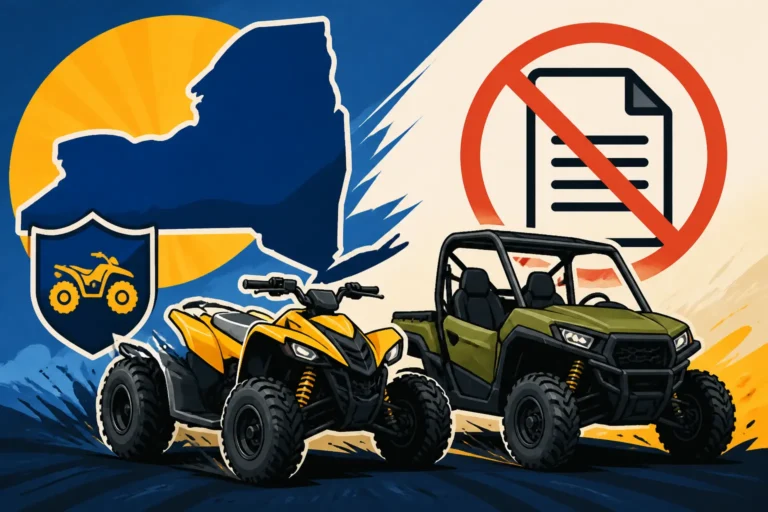
Here's the stark truth: for ATVs in New York State, there is no formal, legally recognized grace period for an expired registration. None. Zero days. The moment your registration officially expires on August 31st, if you haven't successfully renewed it, your ATV is considered unregistered. This isn't just a minor technicality; it has significant implications for where and how you can legally operate your machine. The Department of Motor Vehicles (DMV) is quite clear on this point, even if it's not always widely understood by riders. The reason behind this strict stance often boils down to the unique nature of ATVs as off-road vehicles. They aren't typically used for daily commuting on public roads in the same way cars are, and the state's focus is on ensuring compliance for safe and regulated trail use, especially on public lands or designated trail systems where enforcement is active. The absence of a grace period means that come September 1st, if you're riding with an August 31st expired sticker, you're technically in violation.
What Happens if You Ride on an Expired Registration
So, what exactly happens if you decide to chance it and take your ATV out with an expired registration? The consequences can range from inconvenient to downright costly, and potentially put a serious damper on your riding fun. The most immediate risk is being stopped by law enforcement. Whether it's a State Trooper, a DEC Officer, or local police, they all have the authority to check your registration. If they find it's expired, even by a day, you can face a ticket for operating an unregistered ATV.
Beyond the initial fine, which can be substantial, there's the possibility of your ATV being impounded, depending on the officer's discretion and the specifics of the situation. Imagine having your quad hauled away from the trailhead, forcing you to arrange for its recovery and pay towing and storage fees on top of any fines. It’s a costly headache that far outweighs the minor inconvenience of renewing on time. Furthermore, riding an unregistered ATV can complicate any insurance claims you might need to make in the event of an accident. While New York mandates ATV insurance, the validity of your policy can be called into question if you're operating illegally. An insurer might deny or limit coverage if you were operating your machine in violation of state law, leaving you on the hook for damages or injuries. [New York Fines for an Unregistered ATV] elaborates on the financial penalties.
Consequences of Lapsed Registration and How to Avoid Them
The sting of a ticket, the hassle of an impounded vehicle, and the headache of insurance complications are all real possibilities when your ATV registration lapses in New York. Understanding these consequences isn't meant to scare you off the trails, but rather to empower you with the knowledge to stay compliant and enjoy your riding season without interruption.
Potential Fines and Legal Headaches
Let's talk brass tacks. Getting caught riding an unregistered ATV in New York isn't just a slap on the wrist. Fines can vary depending on the specific circumstances and the jurisdiction, but they are generally significant enough to make you wish you'd taken five minutes to renew online. We're talking hundreds of dollars, potentially. On top of that, you'll still be required to register your ATV, and you might even face additional administrative fees. A conviction for an unregistered vehicle can also appear on your record, though its impact on your driving record might be different from a traffic violation in a car. More severely, if you're involved in an accident while riding an unregistered ATV, the legal ramifications can escalate dramatically. You could face increased liability, especially if there are injuries or property damage, and trying to navigate legal proceedings without a valid registration can be a much bigger nightmare than any minor trail challenge. This is why having all your ducks in a row – including proof of ownership like a bill of sale, which you can easily create with services like LawDepot if you buy privately – is critical, even before you consider renewal.
The Importance of Timely Renewal
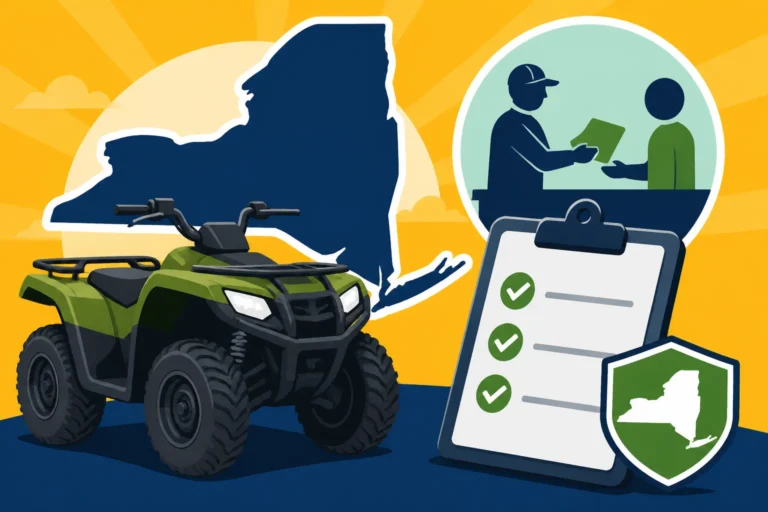
Given the lack of a grace period and the potential repercussions, the importance of timely renewal simply cannot be overstated. It’s not just about avoiding fines; it’s about ensuring you have continuous legal access to New York’s incredible trail systems and peace of mind every time you load up your machine. Renewing your ATV registration is typically a straightforward process that can often be done online, by mail, or in person at a DMV office or a local issuing agent. The DMV usually sends out renewal reminders a few weeks or months before the August 31st deadline, but it's ultimately your responsibility to ensure your registration is current. Don't rely solely on those mailers; sometimes they get lost, or you might have moved. Think of it as part of your pre-season checklist, right up there with checking your oil, tire pressure, and making sure your spark arrestor is in good shape. Renewing early in the summer not only avoids the last-minute rush but also ensures you receive your new decals and paperwork well before the deadline, allowing you to ride worry-free into September and beyond. [Renewing a New York ATV Registration] provides a step-by-step guide.
Proving Ownership Without Current Registration
While an expired registration doesn't invalidate your ownership of the ATV, it can certainly complicate matters, especially if you need to prove ownership for other reasons. For instance, if you were to sell the ATV, an expired registration might raise red flags for potential buyers, even though New York doesn't issue titles for ATVs. You'd rely heavily on your original bill of sale and previous registration documents to prove you are the legal owner. Similarly, if your ATV is stolen and recovered, law enforcement will want to see proof of ownership, and an up-to-date registration makes that process much smoother. If you're someone who relies on documents like a notarized bill of sale, which LawDepot can help you generate, ensure these are kept safe. These documents become even more critical when registration is not current, as they form the primary evidence of your legal claim to the machine. [Proving Ownership Without a Title in New York] delves into this topic further.
Planning for Renewal and Ensuring Continuous Compliance
Staying ahead of your ATV registration renewal in New York doesn't have to be a chore. With a little proactive planning, you can ensure your machine is always street (or rather, trail) legal, avoiding fines and enjoying uninterrupted access to your favorite riding spots. It’s all about integrating the renewal process into your annual ATV routine.
Setting Up Reminders for Your August Deadline
Since New York’s ATV registration deadline is a fixed date – August 31st – for everyone, it makes setting up reminders quite easy. Don't just rely on the DMV's mailers, which can sometimes arrive late or get overlooked in a pile of mail. Mark it on your calendar, set a recurring reminder on your phone for early August, or even a few weeks before that. Consider adding it to a shared family calendar if multiple people ride the ATV. You could even make it a tradition to renew right after a certain summer holiday, like the 4th of July, to ensure it’s done well in advance. This simple step can save you a world of trouble and ensure you don't miss a prime September riding day because of an expired tag. Think about combining it with your end-of-summer maintenance check; that way, you're preparing your machine for storage or fall riding, and taking care of the paperwork at the same time.
Dealing with Delays in Processing Your Renewal
Even if you send in your renewal application well before the August 31st deadline, there's always the possibility of processing delays, especially if you mail it in during peak season. The New York DMV can get swamped, and sometimes things just take longer than expected. This is another reason why that "no grace period" rule can be a real pain. If your renewal isn't processed by September 1st, and you don't have your new decal, you're technically riding unregistered. To mitigate this risk, it's highly recommended to renew online if possible, as it often provides instant confirmation and can expedite the process. If you must mail it, do so early in August, or even July. Keep a copy of your submitted application and any payment confirmation. If you find yourself in a bind with the deadline looming and no new decal, it's best to contact the DMV directly to inquire about your renewal status rather than risking a ride. Having proof that you did submit it on time might help in a roadside stop, but it’s not a guarantee against a ticket.
Special Cases: Registering After a Long Lapse or Out-of-State Purchase
What if your ATV registration has lapsed for a while, maybe you took a few years off riding, or you bought a machine that the previous owner never registered? For a long lapse, the process is generally the same as a regular renewal, but you'll simply be starting fresh. There are typically no late fees or penalties from the DMV for the renewal itself, beyond the fact that you couldn't legally ride during the lapsed period. However, you will still pay the standard annual fee.
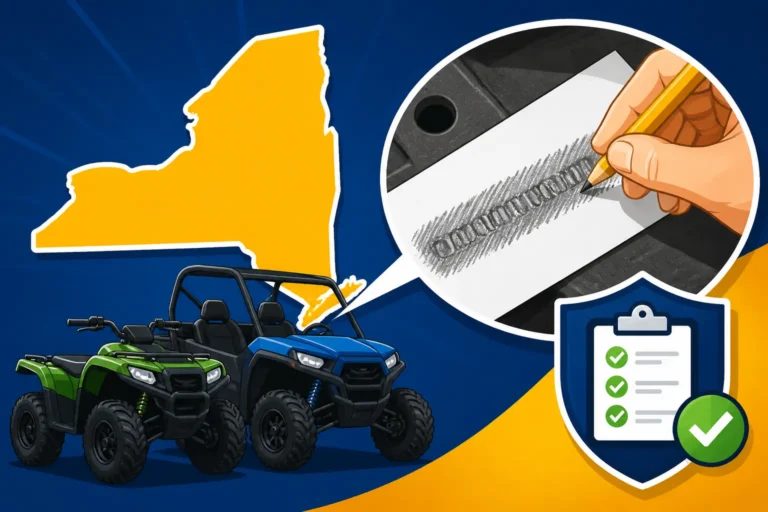
If you've bought an ATV that was never registered in New York, or it's from out-of-state, the process might involve a few extra steps. You'll need solid proof of ownership, such as a bill of sale, and potentially a pencil tracing of the VIN, especially for older or non-titled machines. Make sure you get all the necessary documentation from the seller. If you're using a private sale, a clear, comprehensive bill of sale is your best friend – again, resources like LawDepot can help ensure you have a legally sound document. This is critical for demonstrating a clear chain of ownership to the DMV. For machines coming from out of state, be prepared to provide proof of prior registration or a title from that state, if applicable, even though New York doesn't issue ATV titles. The DMV needs to confirm the machine's legitimacy before issuing a New York registration. [Registering an Out-of-State Machine in New York] has more details, as does [New York ATV Bill of Sale Requirements].
Disclaimer
This article is for general informational purposes only and does not constitute professional advice. Laws, prices and regulations vary by location and change over time. Consult a qualified professional for guidance on your specific situation.