Does a Hunting Lease Let You Ride the Land?
It’s a common scenario: you’ve secured a fantastic hunting lease in the beautiful New York wilderness, imagining quiet days in the stand and quick trips to retrieve your prize. But then the question hits you – can I actually use my ATV on this land? Many hunters assume that if they lease land for hunting, they automatically get the green light for their machines. Unfortunately, that's not always the case, and diving into the rules before you roll your quad off the trailer can save you a world of headaches, frustration, and even legal trouble. This guide will walk you through what you need to know about riding your ATV on a New York hunting lease.
Understanding What a Hunting Lease Actually Covers in New York
When you sign a hunting lease, you're not just renting a piece of property; you're typically purchasing specific rights to use that land for a defined purpose. In most cases, that purpose is hunting. The devil, as they say, is truly in the details when it comes to what else you can and cannot do.
The Core Purpose of a Hunting Lease
At its heart, a hunting lease grants you permission to pursue game on a landowner's property, often for a set season or period. This permission usually covers activities directly related to hunting, like scouting, setting up stands, and tracking game. It's a very specific agreement, and landowners often craft these leases meticulously to define what they are and aren't comfortable with. Think of it this way: you wouldn't assume you could build a permanent cabin on a hunting lease, right? Similarly, using an ATV often falls outside the standard scope of "hunting activity" unless explicitly stated. The landowner wants to ensure their land is used responsibly and within agreed-upon parameters.
Reading the Fine Print: Explicit vs. Implied Permissions
This is where many misunderstandings crop up. Some hunters might interpret general access clauses as permission for ATVs, but a hunting lease rarely implies mechanical vehicle use. Instead, you need to look for explicit language. Does the lease specifically mention "ATV access," "motorized vehicle use," or "off-road vehicle trails"? If it doesn't, assume the answer is no. Even a phrase like "access for hunting purposes" is usually interpreted as foot traffic or, perhaps, a standard vehicle on established roads, not tearing up a new trail with your quad.
Sometimes, landowners might have an unwritten understanding that you can use a machine for game recovery or hauling stands, but this informal permission is a house of cards. What if the landowner sells the property, or there's a disagreement? Without it in writing, you have no recourse, and you could easily find yourself in a dispute or even accused of trespass. Always push for explicit inclusion if ATV use is important to you.
Landowner Intent and Communication
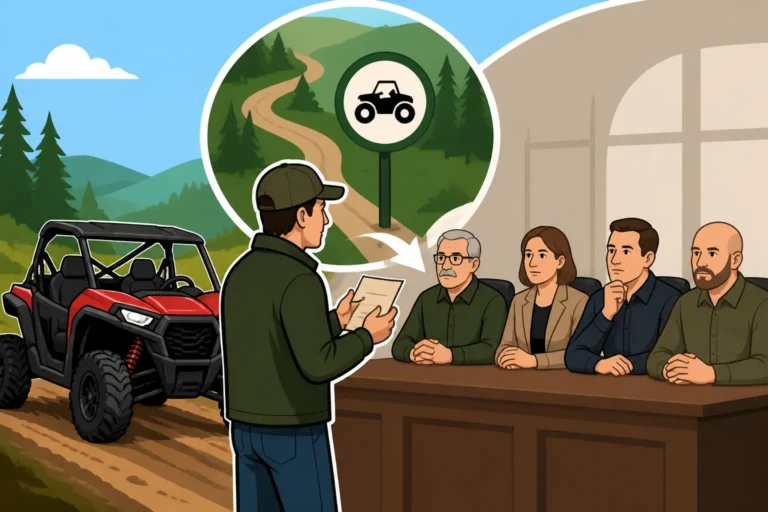
The written lease is king, but the landowner's intent also plays a massive role. Before a single signature goes on the paper, sit down with the landowner and have a frank, open conversation about your expectations. Do you envision using your ATV to get to your deer stand, to scout new areas, or only for game retrieval? Are you hoping to use it to bring out your harvested deer? Every detail matters.
Some landowners are very protective of their property, perhaps they lease to multiple groups, or they have cattle grazing. Others might be more lenient, especially if the property is vast and remote. Your proactive communication can bridge these gaps. If they say "yes" during a conversation, politely ask for it to be added to the written lease. This ensures everyone is on the same page and avoids awkward confrontations down the line. Remember, trust is paramount in these relationships, and clear communication builds that trust.
Why ATV Riding Isn't Always a Given on Leased Hunting Land
There are very good reasons why a landowner might be hesitant, or outright refuse, to allow ATV use on their hunting lease, even if you’re the most responsible rider out there. It's not usually personal; it's about protecting their assets and mitigating risks.
Protecting the Land and Wildlife Habitat
ATVs, while incredibly useful for navigating rugged terrain, can cause significant damage if not used responsibly or on designated trails. Think about soil erosion on hillsides, the creation of deep ruts that can persist for years, or the spread of invasive plant species carried on tires. Such damage not only mars the landscape but can also degrade critical wildlife habitat. For a landowner, especially one who manages their property for timber, agriculture, or conservation, this is a serious concern.
Furthermore, excessive ATV noise and activity can disturb wildlife, pushing game animals out of an area or making them more nocturnal. This can diminish the quality of the hunting experience for you and any other lessees, or even for the landowner themselves if they hunt their own property. Landowners often have long-term visions for their property, and ATV impacts might directly conflict with those goals. This is why some choose to limit or prohibit motorized vehicle use altogether.
Liability Concerns for Landowners
In New York, landowners face a certain level of liability when they allow others onto their property, even for recreational purposes. If you were to have an accident on your ATV while on their land, the landowner could potentially be held responsible, depending on the circumstances. This is a huge deterrent for many. Even if you carry your own robust insurance policy for your ATV – and you absolutely should, as [New York's Mandatory ATV Insurance] is required for riding anywhere but your own property – the landowner might still feel exposed.
Adding ATV riding to a lease increases the perceived risk for the landowner. They might worry about serious injuries, property damage to fences or outbuildings, or even unintended damage to neighboring properties. This fear of litigation is a very real and understandable reason for strict ATV policies. If you're going to push for ATV access, understand that you're asking the landowner to take on a perceived additional risk. It's also critical to ensure your machine is in top condition; no one wants an accident caused by faulty equipment. Investing in quality parts from brands like SuperATV can give both you and the landowner peace of mind regarding machine reliability.
Impact on Other Hunters and Property Users
Many larger tracts of land are leased to multiple individuals or groups, or the landowner themselves might hunt or recreate on the property. The noise, fumes, and trail-creation associated with ATVs can significantly impact the experience of others. A hunter on foot, seeking solitude and the sounds of nature, might find their experience ruined by the constant drone of an ATV.
Even if you have your own dedicated area within a larger lease, your ATV activities could still affect shared access roads, common staging areas, or push game into areas where other hunters are trying to harvest. Respecting the overall hunting environment and the rights of other users is crucial for a harmonious season. Before advocating for your own ATV use, consider how it might impact others who share or border the leased property.
How to Secure ATV Riding Rights on Your New York Hunting Lease
So, you've decided ATV access is non-negotiable for your New York hunting lease. Great! Now, let's talk about the right way to approach this to maximize your chances of success and maintain a positive relationship with the landowner.
Open and Honest Discussion Before Signing
This is your golden rule. Never, ever assume. Before you put pen to paper, sit down with the landowner face-to-face and explicitly discuss your desire to use an ATV on the property. Be specific about how and where you intend to use it.
- "I'd like to use my ATV to access my tree stands, which are located about a mile back from the road."
- "I'd only use it for game retrieval, driving slowly on existing trails."
- "My SuperATV winch would be incredibly helpful for pulling out a large buck without disturbing more ground than necessary."
Be prepared to listen to their concerns and offer solutions. Maybe they're worried about new trails being cut; you can agree to only use existing logging roads. Perhaps they're concerned about mudding; you can commit to only riding in dry conditions. Your transparency and willingness to compromise will go a long way.
Getting it in Writing: Amending the Lease Agreement
If the landowner agrees to ATV use, fantastic! The very next step is to ensure this permission is clearly and unambiguously written into the lease agreement. Oral agreements are notoriously difficult to enforce and can lead to serious disputes. The language should be precise. Instead of "ATV use permitted," consider something like:
"Lessee is permitted to operate a single ATV on existing logging roads and designated trails only, for the purpose of accessing hunting stands and retrieving harvested game. No new trails shall be cut or created. ATV operation shall be limited to daylight hours and conducted responsibly to minimize environmental impact."
This level of detail protects both you and the landowner. You know exactly what's allowed, and the landowner has clear boundaries. If the lease is already signed, you'll need to create a written addendum, signed and dated by both parties, specifically outlining the agreed-upon ATV access. This makes it legally binding. [New York ATV Bill of Sale Requirements] and [Proving Ownership Without a Title in New York] are good resources to ensure your machine itself is properly documented, separate from the land lease.
Respecting Boundaries and Designated Trails
Even with written permission, your responsibility doesn't end. Adhere strictly to any designated routes or limitations the landowner sets. If they say "stay on the main two-track," do not venture off into the woods to find a shortcut. If they mark areas as off-limits, respect those boundaries. This goes back to building and maintaining trust. A landowner who sees you consistently abiding by the rules is more likely to renew your lease and continue allowing ATV access.
Consider the time of year as well. While the lease might permit ATVs, riding in excessively wet conditions, like during a spring thaw, can cause far more damage than riding on dry, compacted trails. Use common sense and always err on the side of caution to protect the land.
Demonstrating Responsible ATV Use
Your actions speak louder than words. Be a model ATV user. Keep your speeds reasonable, especially near property lines or other hunters. Avoid making excessive noise or roosting dirt. Clean up any trash you might generate. If you encounter a downed tree on a trail, clear it. If you come across a wash-out, report it to the landowner.
- Gear up: Always wear appropriate safety gear, especially a helmet. New York has specific [New York Helmet Rules for ATV Riders].
- Maintain your machine: A well-maintained ATV is less likely to break down, leak fluids, or cause unforeseen problems. Regularly check your tires, brakes, and engine. You might even consider quality SuperATV skid plates to protect your machine's underside from damage.
- Be a good steward: Your responsible behavior reflects well on all ATV riders and helps maintain the landowner's positive view of motorized recreation. This ensures that future hunters might also get to enjoy the privilege of using ATVs on leased land.
New York's Laws and Your Responsibilities Beyond the Lease
Beyond the specific terms of your hunting lease, remember that you are still operating an ATV in New York State, and certain laws and regulations apply to all riders, regardless of where they are riding.
New York's Mandatory ATV Registration and Insurance
This is a critical point that many private land riders overlook. In New York, if you are riding an ATV anywhere other than on your own property, it must be registered with the Department of Motor Vehicles. This applies to leased land, club trails, or public trail systems like those in Lewis County. Along with registration comes the requirement for [New York ATV Registration and Insurance Proof]. Your ATV must have liability insurance with minimum coverage amounts, just like a car.
Even if the landowner gives you explicit permission, if your ATV isn't registered and insured, you could face fines and penalties if encountered by law enforcement. Don't let your excitement about hunting override your responsibility to comply with state law. It's an easy step to check these boxes before you hit the trails.
General ATV Operating Rules on Private Property
Even when you have permission to ride on private land, you're not entirely exempt from all state laws. While some regulations primarily apply to public lands or roads, others have broader reach. For example:
- Helmets: As mentioned, [New York Helmet Rules for ATV Riders] apply to all riders, regardless of age, on any land other than land owned or leased by the rider for farming purposes. This means you and any passengers need helmets.
- Spark Arrestors: Your ATV must be equipped with a spark arrestor that is in good working order. This is a crucial safety measure to prevent wildfires, especially in dry conditions. Check [New York Equipment Requirements for ATVs] for more details.
- Mufflers: Your machine must have a muffler in good working order to prevent excessive noise. This is often a point of contention with landowners and neighbors, so keeping your machine quiet is a sign of respect.
- Youth Riders: New York has strict rules regarding the age and supervision of ATV riders under 16, including requirements for [New York ATV Safety Certificate Requirements]. These rules generally apply even on private property. If you plan for a minor to ride an ATV on your leased land, ensure they meet these requirements.
It's tempting to think "out of sight, out of mind" when on private land, but ignorance of the law is no excuse. A conversation with a New York State Trooper or an Environmental Conservation Officer could quickly turn your hunting trip sour if your machine isn't compliant.
The Importance of Landowner Consent
Ultimately, the landowner is the gatekeeper. New York law is very clear on trespass: if you do not have permission, you cannot ride. Your hunting lease grants you specific permission for specific activities. If ATV use isn't part of that agreement, you do not have legal permission to operate your ATV on that property.
Think of the hunting lease as a contract that spells out the boundaries of your access. Riding an ATV without explicit, written permission could be considered a breach of that contract, potentially leading to the termination of your lease, and in some cases, even charges of trespass. Always prioritize your relationship with the landowner and ensure that any ATV use is explicitly covered by your lease agreement. Being a responsible and respectful lessee is the best way to ensure you continue to enjoy your hunting privileges year after year.
| Aspect of Lease | Standard Hunting Lease | Lease with ATV Rider Approval |
|---|---|---|
| Primary Purpose | Hunting rights | Hunting rights + specific ATV access |
| ATV Use | Not implied, often restricted | Explicitly defined (e.g., specific trails, times, purposes) |
| Liability | Lower for landowner (no ATVs) | Higher (or perceived higher) for landowner |
| Land Impact | Minimal (foot traffic) | Potential for erosion, habitat disturbance if not managed |
| Written Agreement | Focus on hunting clauses | Hunting clauses + detailed ATV terms |
| Landowner Relationship | Based on hunting ethics | Based on hunting ethics + responsible ATV use |
| NY Registration/Insurance | Still required off own land | Still required off own land |
Disclaimer
This article is for general informational purposes only and does not constitute professional advice. Laws, prices and regulations vary by location and change over time. Consult a qualified professional for guidance on your specific situation.