Riding Home Past a House at 1 a.m.
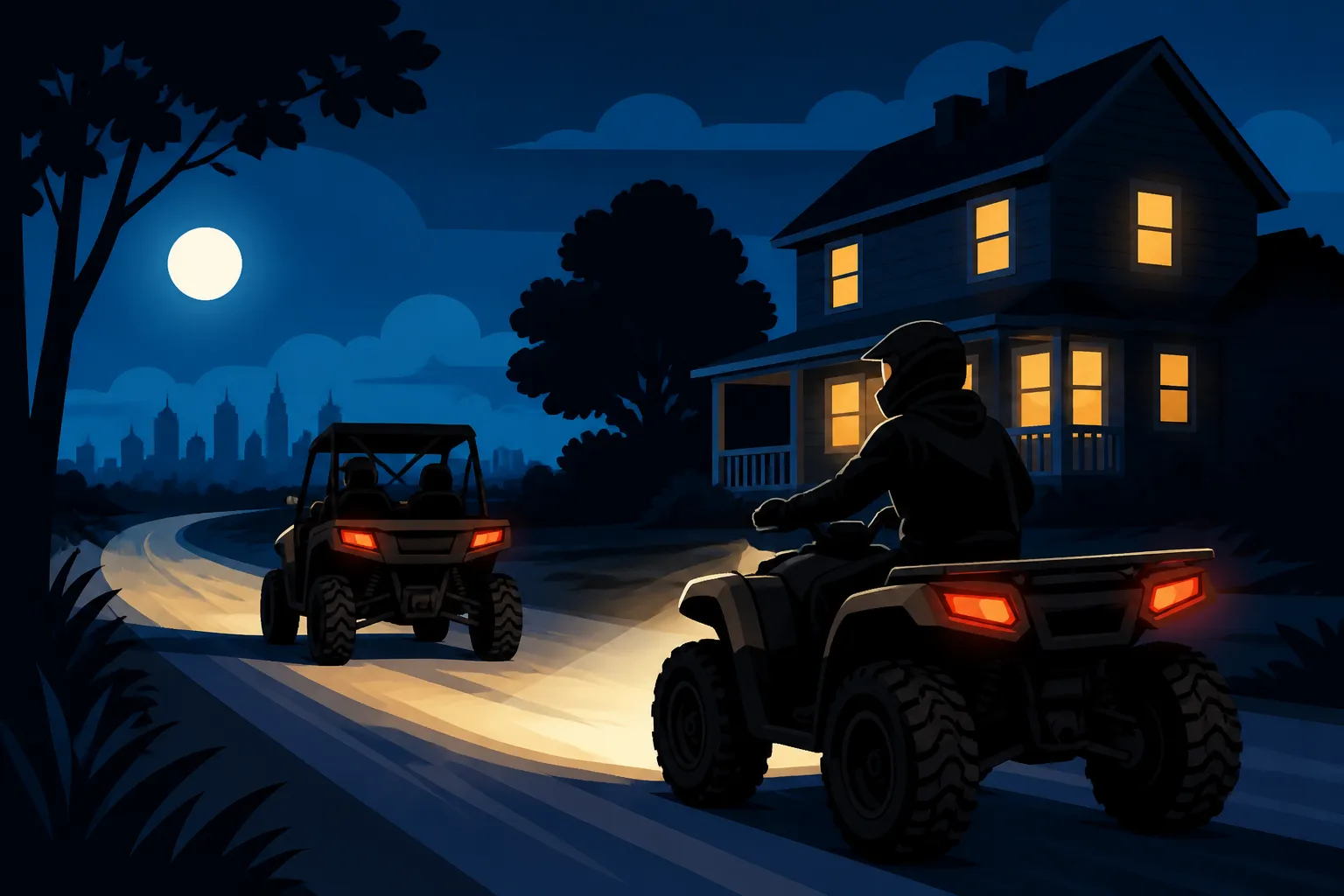
Picture this: you've just wrapped up an incredible evening of riding, maybe exploring some of New York's designated trails or helping a friend out on their property, and you're finally headed home. It's late, the clock has definitely ticked past midnight, and as you navigate the final stretch, you realize your route takes you right past homes where people are undoubtedly sleeping. The last thing any of us want is to annoy our neighbors or, worse, unknowingly break the law, especially when it comes to the specific rules New York State has about operating an ATV near residences after dark. This guide is all about shedding light on New York's "100-foot rule" and other crucial considerations for late-night ATV operation, helping you get home safely and responsibly.
Understanding New York's 100-Foot Rule for Night Riding
New York State takes noise ordinances seriously, and ATVs are no exception, especially when it comes to late-night operation in residential areas. The specific regulation we need to talk about is commonly referred to as the "100-foot rule." This isn't just a suggestion; it's a legal requirement designed to protect residents from excessive noise during hours when most people are trying to get some sleep. Ignoring it can lead to more than just a stern look from a neighbor; it can result in a fine.
What "After Midnight" Really Means for Your Ride
The New York Vehicle and Traffic Law (VTL) has a specific section that addresses ATV operation near homes after a certain hour. While many of us might think of "late night" or "after midnight," the law actually specifies the hours between one-half hour after sunset and one-half hour before sunrise. During these hours, you are generally prohibited from operating an ATV within 100 feet of a dwelling, whether occupied or not, unless you have specific permission from the homeowner or resident.
This means that whether it's 1 a.m. or just past dusk, the rule is in effect. It's not just about the deepest hours of the night; it starts much earlier. This can be a real gotcha for riders who might be out enjoying an evening ride, perhaps after work, and aren't thinking about how close they are to a remote camp or a tucked-away house along a trail. Always be mindful of the time and your surroundings, even if you feel like you're in the middle of nowhere. A cabin or a hunting shanty counts as a dwelling under this rule.
The Rationale Behind the Rule: Peace and Quiet
Let's be honest, ATVs can be loud. Even with factory-standard mufflers, the distinct sound of an engine reverberating through the quiet of the night can be incredibly disruptive. New York's 100-foot rule isn't meant to spoil anyone's fun; it's a common-sense regulation rooted in ensuring peace and quiet for residents. Imagine you've had a long day, you've finally put the kids to bed, or you're just trying to unwind, and then suddenly, the roar of an ATV breaks the silence. It's not a pleasant experience.
The law aims to prevent noise pollution and maintain a reasonable quality of life for those living near potential riding areas. This is why the rule doesn't just apply to public roads or trails; it extends to any area where you might be operating your machine, including private land, if you're within that 100-foot buffer of another person's home. It’s about respecting personal space and the tranquility that many New Yorkers cherish, especially in our more rural and semi-rural communities. This rule can even apply if you're riding [Riding Near a House at Night in New York] in an otherwise open area.
When Does the Rule Apply: Public vs. Private Land?
This is where it can get a little tricky and often causes confusion. Many riders assume that as long as they are on their own private property, or property where they have permission, they are exempt from certain rules. However, the 100-foot rule for night operation is one of those regulations that generally extends beyond just public thoroughfares.
The law states "no person shall operate an all-terrain vehicle within one hundred feet of a dwelling between one-half hour after sunset and one-half hour before sunrise, except on his own property or property where he is an invited guest or for an emergency purpose." This specific phrasing means that even if you are on private land where you have permission to ride, you generally cannot operate within 100 feet of another person's dwelling during those nighttime hours. The exception for "his own property" or "property where he is an invited guest" refers to the operator's relationship to the property they are riding on, not necessarily the dwelling they are near. So, if you're riding on your friend's 50-acre parcel, but you come within 100 feet of the neighbor's house at 1 a.m., you could still be in violation. The intent is to protect other people's peace and quiet, regardless of where you are riding. It’s a good idea to discuss your riding plans with your hosts and neighbors if you anticipate being out late, as some towns may even have [New York Rules for Riding a Town Road] that are more restrictive.
Practical Implications and Avoiding Violations
Navigating New York's ATV laws, especially those related to night riding and noise, requires a proactive approach. It's not just about avoiding fines; it's about being a responsible rider and a good neighbor. Understanding the practical implications of the 100-foot rule and taking steps to minimize your machine's impact can make a world of difference.
The Sound of Your Machine: Mufflers and Spark Arresters
Your ATV's exhaust system plays a critical role in its noise output. New York law is pretty clear on what's expected. Every ATV must be equipped with a muffler system in good working order that "shall be in constant operation to prevent excessive or unusual noise." Furthermore, your muffler needs to be specifically designed to comply with the federal noise emission standards established by the U.S. Environmental Protection Agency. This isn't just a casual suggestion; it's a mandated standard.
This means you can't just slap on any old muffler. Aftermarket exhaust systems are popular for boosting performance, but if they increase the noise level beyond legal limits, you're setting yourself up for trouble. It's crucial to ensure any modifications you make, whether it's a new exhaust from a brand like SuperATV or another reputable manufacturer, are still compliant with these noise standards. Always double-check product specifications to confirm they meet federal and state requirements for noise and spark arresting. Speaking of spark arresters, New York also requires an effective spark arrester to prevent trailside fires, which is a different but equally important piece of equipment. [Mufflers Under the Federal Noise Standard] are a serious part of the vehicle law, and ignoring them could lead to violations.
Navigating Residential Areas Quietly
Even if you're not within 100 feet of a dwelling, minimizing your noise when passing through or near residential areas is just good practice. Here are some tips to keep things quiet:
- Go Slow: The slower you go, the lower your engine RPMs will generally be, and thus, the less noise your ATV will produce. Resist the urge to accelerate hard or "blip" the throttle. A steady, gentle pace is key.
- Shift Up: If your machine has gears, try to ride in the highest possible gear that allows for smooth operation at low speeds. This keeps the engine RPMs down and the noise subdued.
- Avoid Excessive Braking/Acceleration: Hard braking and accelerating create more noise than smooth, gradual inputs. Plan your movements to be as fluid and quiet as possible.
- Choose Your Route Wisely: If there's an alternative route that keeps you further away from homes, especially after dark, take it! Sometimes adding a few extra minutes to your ride home is worth the peace of mind.
- Turn Off Accessories: If you have loud accessories like winches, extra lights with noisy fans, or even certain stereo systems, consider turning them off or down when passing through sensitive areas.
- Engine Off When Idling: If you have to stop for any reason near a home, turn off your engine. It's far better to be silent than to have your machine idling loudly.
Remember, even if you're just [Riding Home Past a House at 1 a.m.], a little courtesy goes a long way in maintaining good relations with the community and ensuring continued access to riding areas.
The Consequences of Breaking the 100-Foot Rule
Violating New York's 100-foot rule, or any other ATV regulation, can lead to several unpleasant consequences. The most immediate is typically a fine. While I can't give specific dollar amounts (as these can change), rest assured that these tickets are not cheap. A citation for violating noise or nighttime operation rules will certainly put a damper on your riding budget.
Beyond the monetary penalties, there's the issue of community perception. When riders are consistently breaking rules, disturbing residents, or causing issues, it often leads to negative sentiment towards ATVs in general. This can result in increased enforcement, stricter local ordinances, or even the closure of trails and riding areas that are currently open. Nobody wants to be the reason an entire trail system gets restricted or shut down. Maintaining good standing with local communities is vital for the future of ATV riding in New York. [What Riding Without a Plate Costs in New York] might seem like a bigger deal, but noise violations can also carry significant penalties and generate negative public opinion.
There's also the potential for civil issues. If your noise consistently disturbs someone, they might pursue other avenues, though this is less common for a one-off incident. The goal is always prevention: ride respectfully, follow the rules, and you'll keep yourself, your wallet, and your riding privileges safe.
Beyond the 100-Foot Rule: Other Night Riding Considerations
While the 100-foot rule is a big one for night operations, it's not the only thing to keep in mind once the sun sets. New York has other regulations that come into play, and local communities often have their own specific rules you'll need to be aware of.
Lighting Requirements for After-Dark Operation
Operating an ATV after dark in New York isn't just about noise; it's also about visibility and safety. The law requires specific lighting for any ATV operated between one-half hour after sunset and one-half hour before sunrise. Your machine must have:
- One white or amber headlight: This must be affixed to the front of the vehicle and be visible from a distance of 200 feet during those low-light hours.
- One red taillight: This must be affixed to the rear of the vehicle and be visible from a distance of 200 feet.
These aren't optional extras; they're mandatory safety features. Many modern ATVs come with excellent factory lighting, but it's always wise to check your lights before heading out for a night ride. Are they clean? Are the bulbs working? Is anything obstructed? If you've added aftermarket lights, ensure they are properly installed, aimed, and don't create glare for others. [Headlight and Taillight After Sunset] are crucial for your safety and for other trail users. Remember, visibility isn't just about seeing where you're going; it's about being seen by others, whether they are on foot, another machine, or a vehicle on a crossing road.
Local Ordinances: When Towns Are Stricter
Here's a crucial point that many riders overlook: New York State law sets a baseline, but individual towns, villages, and counties have the authority to enact their own local ordinances that are stricter than state law. This is particularly true when it comes to noise and hours of operation.
A town might, for example, have a general noise ordinance that prohibits loud noises after 10 p.m. regardless of the 100-foot rule. They might also have specific ATV ordinances that restrict riding on certain town roads or properties during nighttime hours, even if state law might otherwise permit it. What's legal in Lewis County might be totally prohibited in a small village downstate.
Before you plan any extensive night riding, especially if you're exploring a new area or riding near developed sections, it is imperative to check with the local town or county clerk's office. A quick call or a visit to their website can often clarify local rules. Ignorance of local ordinances is not a defense, and you could find yourself facing a ticket even if you believe you're following state law. [Checking Your Town's ATV Ordinance Before You Ride] is an essential step for any responsible rider.
Building Good Relationships with Neighbors
Ultimately, a lot of ATV access and acceptance boils down to community relations. When riders are respectful, quiet, and mindful of others, it fosters a positive environment. When riders are perceived as noisy, reckless, or disruptive, it invites opposition and restrictions.
Here are some ways to be a good neighbor and advocate for ATV riding:
- Communicate: If you know you'll be riding late, especially if you're on a shared property or near neighbors, a quick heads-up can go a long way. "Hey, just so you know, I might be heading back through around midnight tonight. I'll keep it as quiet as possible." This simple act shows consideration.
- Be Mindful of Entrance/Exit Points: Often, the noisiest part of a ride is coming and going from your property or a staging area. Try to minimize idling time, avoid revving, and get to/from the main trail quietly.
- Participate in Local Discussions: If there are community meetings about ATV use, attend them. Offer to volunteer for trail maintenance. Show that riders are responsible members of the community.
- Educate Others: If you ride with a group, make sure everyone understands the rules, especially the night riding and noise regulations. One bad apple can spoil it for everyone.
By being proactive and considerate, you not only protect yourself from violations but also help secure the future of ATV riding in New York for everyone. Our sport relies on access, and access relies on good relationships.
Keeping Your Machine Trail-Friendly and Neighbor-Friendly
Ensuring your ATV is operating at its best isn't just about performance on the trails; it's also about being a good neighbor, especially when riding after hours. A well-maintained machine is generally a quieter machine, and smart modifications can either help or hinder your efforts to respect the peace.
Regular Maintenance for Quieter Performance
A poorly maintained ATV can quickly become a noisy nuisance. Engine knocking, exhaust leaks, rattling components – these all contribute to unwanted noise that can easily travel well beyond the 100-foot limit at 1 a.m. Regular maintenance is your first line of defense against being "that loud rider."
Consider these points:
- Exhaust System Checks: Regularly inspect your muffler and exhaust pipes for cracks, loose connections, or rust spots. Even a small leak can significantly increase noise levels. Gaskets can wear out, allowing exhaust to escape before the muffler has done its job. Replacing a worn muffler or tightening loose bolts can make a huge difference. [Mufflers Under the Federal Noise Standard] aren't just for certification, they are for ongoing performance.
- Engine Tuning: A well-tuned engine runs more efficiently and often more quietly. Regular oil changes, air filter cleaning (especially after a dusty August ride), and spark plug replacement ensure your engine isn't working harder (and louder) than it needs to.
- Loose Components: Go over your machine periodically, checking for loose bolts on plastic fenders, skid plates, or racks. Rattling parts create annoying vibrations and noise that can be easily fixed with a wrench. A loose cargo box or a wobbling headlight can amplify sounds you wouldn't expect.
- Tire Pressure: While not directly related to engine noise, incorrect tire pressure can affect how your machine handles and how much road noise it generates, especially on harder surfaces when riding near residences.
A little preventative maintenance can save you a lot of grief (and potential fines) down the line. It ensures your machine runs as intended, which usually means running quietly and efficiently.
Modifications That Help (or Hurt) Noise Levels
The aftermarket is full of exciting modifications for ATVs, but when it comes to noise, you need to choose wisely.
Modifications that hurt noise levels:
- Performance Exhausts: Many "performance" exhaust systems are designed to maximize horsepower by reducing back pressure. Unfortunately, this often comes at the cost of increased noise. If you're considering one, ensure it's specifically designed to meet federal and state noise limits. Look for systems that are "trail legal" or "EPA compliant" to avoid issues.
- Engine Modifications: Any engine mod that increases overall power or changes the sound profile can lead to a louder machine. Be cautious and always prioritize compliance.
- Removing Baffles or Spark Arresters: Never, ever remove essential components like muffler baffles or spark arresters. Not only will this make your machine significantly louder and illegal, but removing a spark arrester also creates a fire hazard and is against the law. [The Spark Arrester Section 2406 Requires] is there for a reason.
Modifications that help noise levels (or at least don't hurt):
- Sound Damping Materials: While not typically for the engine itself, adding sound-damping mats to certain body panels or cargo areas can help reduce overall rattles and vibrations, contributing to a quieter ride.
- Electric ATVs: Of course, the ultimate solution for quiet operation is an electric ATV. While still a developing market, these machines offer nearly silent operation, making them perfectly suited for late-night rides near dwellings. New York is even exploring [What New York's Electric ATV Bill Would Change] to better integrate them.
- Insulated Accessories: Choosing accessories like cargo boxes that are well-sealed and insulated can prevent items from rattling around and creating additional noise.
Ultimately, be an informed consumer. If a modification boasts "aggressive sound" or "maximum flow" without mentioning compliance, it's probably going to be too loud for respectful (and legal) night riding near homes in New York.
Planning Your Rides to Avoid Late-Night Disturbances
The best way to avoid issues with the 100-foot rule and general noise complaints is to plan your rides strategically.
- Early Bird Gets the Quiet Trail: If possible, plan your longer rides, especially those that might involve passing through more populated areas, for earlier in the day. Getting back before "one-half hour after sunset" eliminates the 100-foot rule concern entirely.
- Designated Night Riding Areas: Some private parks or club trails might have specific hours or designated areas where night riding is more permissible. If you truly love riding after dark, seek these out. [Riding Tall Pines for a Weekend] offers private park options, which might have different rules.
- Camping On-Site: If you're on a multi-day trip, consider camping at a location that allows you to ride directly from your campsite without needing to drive through residential zones late at night.
- Trailer Your Machine: For those final stretches through neighborhoods, or if you're coming home very late from a distant trail system, consider trailering your ATV back to your garage rather than riding it the last mile. It's an extra step, but it guarantees silence.
- Check Local Conditions: Always check trail conditions and closing times. Sometimes unexpected delays can push you into late hours. Knowing what to expect beforehand can help you adjust your plans.
By thinking ahead and making conscious choices about when and where you ride, especially during those sensitive nighttime hours, you can ensure your enjoyment of New York's ATV opportunities doesn't come at the expense of your neighbors' peace and quiet.
| Rule/Consideration | Description | Best Practice | Potential Consequence |
|---|---|---|---|
| 100-Foot Rule | Prohibits ATV operation within 100 feet of a dwelling between one-half hour after sunset and one-half hour before sunrise (unless on your own property or invited with permission from the occupant). | Always maintain distance from homes after dark; communicate if unavoidable; choose alternative routes. | Fines, neighbor complaints, negative community perception. |
| Muffler Requirements | ATV must have a muffler in good working order, preventing excessive noise, and complying with federal EPA noise standards. | Regularly inspect and maintain your exhaust; avoid non-compliant aftermarket mufflers. | Fines, tickets for equipment violations. |
| Spark Arrester | ATV must have an effective spark arrester to prevent fire. | Ensure spark arrester is installed and functional; clean it as part of regular maintenance. | Fines, fire hazard, environmental damage. |
| Lighting | One white/amber headlight and one red taillight required for operation between one-half hour after sunset and one-half hour before sunrise, visible from 200 feet. | Check all lights before night rides; ensure they are clean and functional. | Fines, safety hazard, increased risk of accidents. |
| Local Ordinances | Towns/villages can have stricter rules than state law regarding noise, hours of operation, and riding locations. | Always check local municipality rules before riding in a new area or after dark. | Fines, legal issues specific to local jurisdiction. |
| Neighbor Relations | Consistent noise and disturbance erode community goodwill, potentially leading to increased restrictions on ATV use. | Be considerate, slow down near homes, communicate, and involve yourself in local riding advocacy. | Trail closures, public outcry, increased law enforcement presence. |
| Maintenance | A well-maintained machine is generally quieter and less prone to rattles and unexpected noises. | Regular inspections of exhaust, engine tuning, and tightening of loose components. | Increased noise, poor performance, potential for violations. |
Disclaimer
This article is for general informational purposes only and does not constitute professional advice. Laws, prices and regulations vary by location and change over time. Consult a qualified professional for guidance on your specific situation.