New York Landowner Permission Rules
Navigating the world of ATV riding in New York can sometimes feel like trying to solve a complex puzzle, especially when it comes to figuring out where you can legally and responsibly ride your machine. One of the biggest areas of confusion and frustration for many riders revolves around private land – specifically, who owns it, what the rules are, and how to get permission to ride. It's easy to feel anxious about accidentally trespassing or misunderstanding a landowner's wishes, which is why this guide is all about demystifying New York's landowner permission rules, offering clear advice, and helping you build respectful relationships that keep trails open for everyone.
Understanding New York's Default Rule: Private Property Is Private
Let's face it, the vast majority of land in New York State is privately owned, and that includes the beautiful woodlands, open fields, and rugged terrain that call to us ATV enthusiasts. Unlike public parks or designated state trails, private property comes with its own set of rules, dictated by the landowner. Ignoring these rules, even unknowingly, can lead to serious consequences, not just for you but for the entire riding community.
The Basic Principle: Get Permission, Always
This might sound like common sense, but it bears repeating: if the land isn't yours, you need permission to ride on it. Period. The fear of getting caught trespassing is real, and it's a valid concern because the consequences can range from a polite request to leave to legal action. Whether you're eyeing a shortcut across a neighbor's back forty or hoping to explore a sprawling forest tract owned by a stranger, the first step is always to seek out the landowner.
A quick chat over the fence might feel sufficient with a close friend, but for anything more extensive or long-term, getting that permission in writing is truly the gold standard. A verbal "sure, go ahead" can be easily misunderstood, forgotten, or even denied later, leaving you in a sticky situation. Imagine you've been riding a friend's undeveloped land for years based on a handshake agreement. Then, your friend sells the property, and the new owner, unfamiliar with the history, sees you riding and calls the authorities. Without anything in writing, it's your word against theirs, and you're the one on their private property without documented permission. This kind of scenario is exactly why we always push for something more formal.
What "Posted Land" Really Means for ATV Riders
In New York, "posted land" isn't just a suggestion; it carries legal weight. When a landowner places "No Trespassing" signs, purple paint marks on trees, or clearly defined boundaries around their property, they are legally informing you that entry is prohibited. These signs aren't just there for aesthetics; they are a clear declaration of the owner's intent to keep unauthorized individuals out.
Ignoring posted signs is a direct violation of New York's trespass laws. It doesn't matter if you genuinely didn't see the sign, or if you thought a trail continued onto the property – the responsibility is on you, the rider, to ensure you are on land where you have permission. Consider this scenario: you're enjoying a beautiful ride on what you believe to be a public trail, only to round a bend and discover you've inadvertently crossed onto posted private land. Now you're deep inside someone's property, perhaps miles from where you started. That feeling of dread is justified. The law doesn't differentiate between intentional and accidental trespass when it comes to posted land; you're still in violation. This is why always staying aware of your surroundings, carrying a map, and knowing property lines is so incredibly important for [New York Rules for Riding Private Land].
The Importance of Landowner Consent on New York Private Land
Beyond the legal ramifications, securing landowner consent is fundamentally about respect and community building. When you ask for and receive permission, you're not just getting legal access; you're building a relationship based on trust. This trust is what keeps areas open for riding and fosters positive interactions between riders and property owners.
The consequences of riding without permission can be severe. At a minimum, you could face fines for trespassing, and your ATV could even be impounded. But it goes further: if you cause any damage to the property – say, rutting up a field, breaking a fence, or disturbing livestock – the landowner could pursue civil lawsuits against you for damages. Imagine having your prized machine confiscated and then facing hefty legal bills because you decided to shortcut through a farmer's cornfield without asking. It's a costly lesson. These incidents don't just impact the individual rider; they can quickly sour an entire community's view of ATVers, making it harder for responsible clubs and individuals to secure new access or maintain existing trail agreements. The simple act of asking for permission and respecting the landowner's wishes is key to sustaining our sport in the long run.
Navigating Different Types of Private Land Access
Not all private land access is the same, and understanding the nuances of how permission is granted for different types of properties can save you a lot of headaches and keep you on the right side of the law and good etiquette.
Riding Your Own Property Under New York Law
Ah, the freedom of riding on your own land! This is where many of us feel most comfortable, knowing we don't have to ask anyone for permission. Generally speaking, New York law allows you to ride your ATV on your own private property without needing special permission from the state. However, it's not a complete free-for-all. You still need to be mindful of local town or village ordinances, which can sometimes impose restrictions on noise, hours of operation, or even where on your property you can ride, especially if you have close neighbors.
For instance, if you live in a residential area, even a large lot, riding late at night could lead to noise complaints. We've talked before about [Riding Near a House at Night in New York] and the 100-foot rule, which can even apply on your own land when near residences. Also, while you might not need state registration to ride exclusively on your own private land, you absolutely should still consider insurance. Accidents can happen anywhere, and having [Riding Your Own Land Without Insurance] can put you in a financially vulnerable position if someone (even a family member or guest) gets injured on your property. Always check with your local municipality for specific rules, and make sure your personal liability insurance is robust enough to cover any potential incidents.
Club Trails and Landowner Agreements That Keep Trails Open
Many of the best and most extensive ATV trail systems in New York, like those in Lewis County or Oswego County, exist because of intricate agreements between ATV clubs and numerous private landowners. These clubs work tirelessly to secure permission from multiple property owners to create continuous trail networks. This is where the community really shines! [Volunteer Clubs That Cut Oswego Trail], for example, don't just clear paths; they act as liaisons, building trust with landowners and ensuring trails are well-maintained and ridden responsibly.
When you purchase a [Lewis County ATV Trail Permit Cost and Rules] or join a local club, your fees often go towards these efforts, compensating landowners for access, providing insurance coverage for the trails, and maintaining the paths. These agreements are delicate, and they rely heavily on every rider respecting the terms. A single act of disrespect – littering, riding off-trail, or speeding through someone's yard – can jeopardize an entire section of trail for everyone. We’ve seen instances where [When a Property Sale Forces a Trail Reroute] means an established section of trail suddenly becomes off-limits because new owners aren't willing to continue the agreement, often due to past negative experiences with riders. It's a stark reminder that our collective behavior directly impacts future access.
Does a Hunting Lease Let You Ride the Land?
This is a common question, and one that often leads to misunderstandings. If you have a hunting lease on private land, it's crucial to read the fine print. A hunting lease typically grants you permission to hunt on the property, and perhaps to access specific hunting blinds or retrieve game. It very rarely, if ever, grants blanket permission for recreational ATV riding.
Think of it this way: the landowner has agreed to let you pursue deer or turkey, but they haven't necessarily agreed to let you tear up their fields or woods on a Saturday joyride. Using your ATV to get to your stand or to haul out a downed buck might be explicitly allowed or implicitly understood as part of the hunting activity. However, taking your machine out for a spin purely for recreation, or exploring areas beyond where you'd typically hunt, could easily be considered a breach of your lease agreement and, potentially, trespassing. Always, always clarify with the landowner exactly what activities are permitted with your ATV under the terms of your hunting lease. Don't assume. Just because you have a hunting lease doesn't give you free rein to ride your machine all over the property.
Best Practices for Securing and Maintaining Permission
The key to unlocking more riding opportunities on private land isn't just knowing the rules; it's actively engaging with landowners in a respectful and proactive way. Building positive relationships can turn a "no" into a "yes" and ensure long-term access.
Approaching Landowners Respectfully
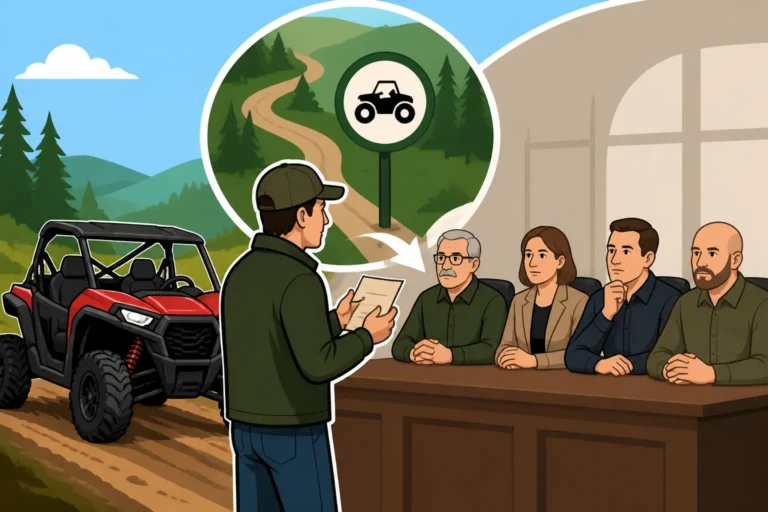
Making that initial contact with a landowner can feel a bit daunting, but a polite, direct, and respectful approach is always your best bet. Whenever possible, try to speak with them in person. A face-to-face conversation allows for genuine dialogue and helps build rapport far better than a cold call or email. Introduce yourself, explain your interest in riding their land (be specific about where and when), and assure them you understand and respect their property.
It's helpful to offer something in return. Perhaps you could offer to help with some light property maintenance, like clearing brush or repairing a section of fence that runs along your proposed route. If they're a farmer, maybe you could offer assistance with a task using your ATV, like hauling small loads or checking distant fields. Brands like SuperATV offer a range of utility accessories, such as winches or cargo beds, that could genuinely be helpful to a landowner for tasks around their property. Imagine offering to help pull out a fallen tree with your SuperATV winch – it's a great way to show you're not just looking for a place to ride, but you're a responsible and helpful neighbor. Emphasize that you'll stay on designated paths, won't litter, and will ride quietly and respectfully.
Drafting a Simple Written Permission Agreement
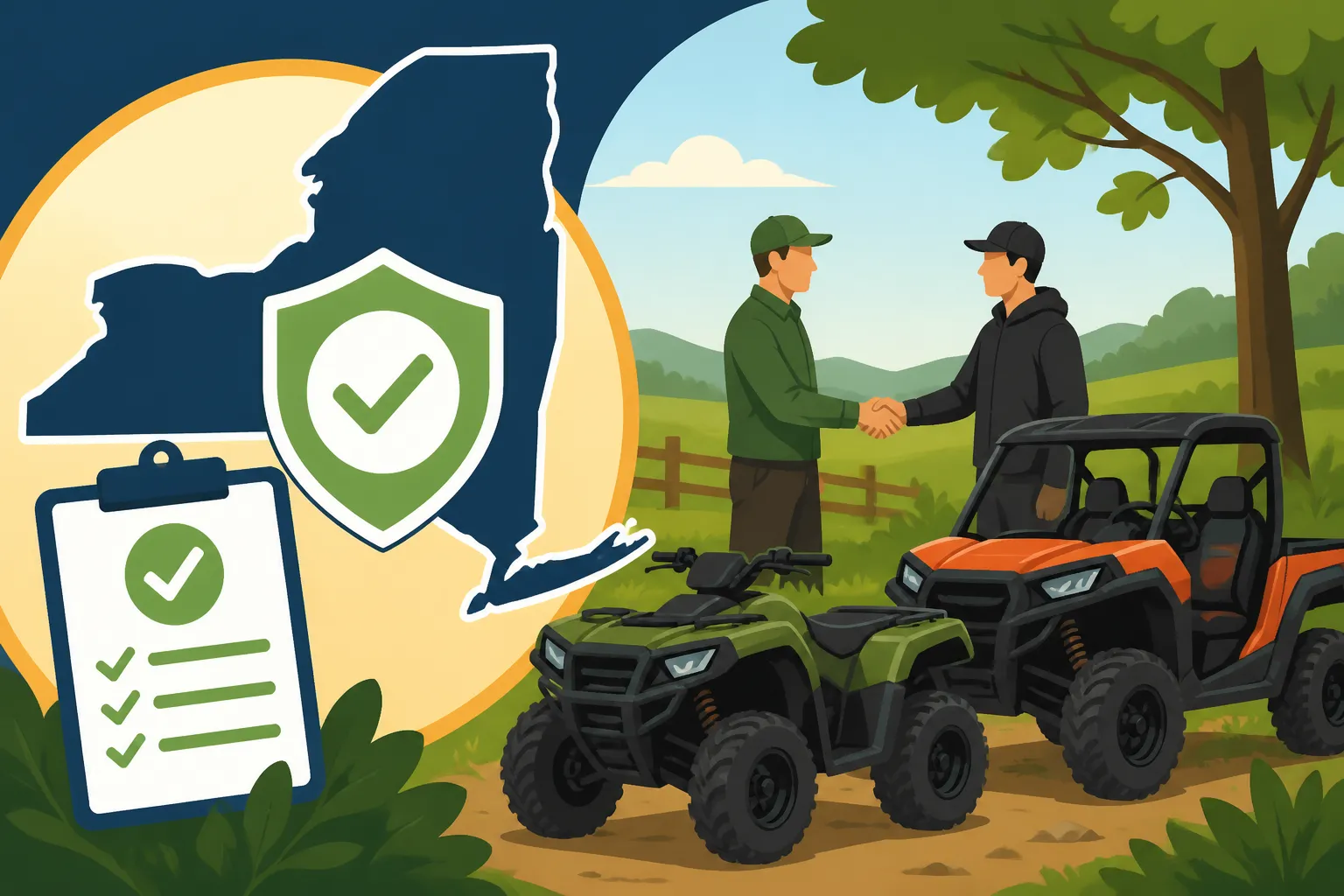
While a verbal agreement might suffice for a quick, casual ride with a close friend, for anything beyond that, a written permission agreement is a powerful tool. It provides clarity for both parties, protects you from accusations of trespassing, and protects the landowner by setting clear boundaries. You don't need a lawyer to draft it; a simple, clear document can work wonders.
Here's what a basic written permission agreement should ideally include:
- Names and Contact Information: For both the landowner(s) and the rider(s).
- Property Description: Legal description or a clear physical description (e.g., "the parcel located at [address], adjacent to Smith Road, consisting of approximately 50 acres"). You can even include a simple map.
- Allowed Activities: Clearly state "ATV riding." If there are specific trails or areas, mark them on a map or describe them.
- Duration: Is the permission for a single day, a season, or ongoing until revoked?
- Conditions: Any specific rules the landowner has, such as "no riding after dark," "stay on marked trails," "speed limit 15 mph," or "no passengers."
- Signatures and Date: Both parties should sign and date the agreement, with each retaining a copy.
Here's a simple comparison of why written permission truly is better:
| Feature | Verbal Permission | Written Permission |
|---|---|---|
| Clarity | Prone to misunderstanding, forgotten details | Specific terms, rules, and boundaries are documented |
| Proof | Difficult to prove in court or to law enforcement | Tangible evidence of consent |
| Protection | Offers little legal protection for rider or landowner | Protects both parties from miscommunication and liability |
| Duration | Often vague, can be revoked without notice | Clearly states timeframe, revocation procedures |
| Relationship | Can strain relationships if disagreements arise | Fosters trust through clear expectations and accountability |
Maintaining Good Relationships and What Happens When a Landowner Pulls Trail Permission
Getting permission is just the first step; maintaining that good relationship is absolutely critical. This means consistently upholding your end of the bargain. Always stay on the designated trails, respect wildlife, and never, ever leave trash behind. In fact, carrying a small trash bag on your ATV (perhaps secured to a SuperATV cargo rack) to pack out not just your own litter but any you might find, is a fantastic way to show you care. Be mindful of noise, especially near homes or livestock. If you notice any damage to the trail or property, report it to the landowner or your club immediately.
Unfortunately, even with the best intentions, things can go wrong. A landowner might have a change of heart, or a single act of irresponsible riding by someone else could lead them to revoke permission for everyone. [When a Property Sale Forces a Trail Reroute] is another common reason, as new owners might have different plans for the land. When a landowner pulls trail permission, it's often a painful blow for the riding community. A once-open trail might now be completely closed, forcing clubs to reroute or abandon sections of their network. This highlights why every single rider's actions matter immensely. The reputation of ATVers as a whole is built on individual behavior, and it only takes a few bad apples to spoil the bunch and lose precious riding access for everyone.
Consequences of Ignoring Permission Rules
Riding without permission isn't just a minor oversight; it carries significant legal and financial risks, not to mention the damage it does to the public perception of ATV riders. Understanding these consequences might make you think twice before veering off a designated path.
New York Trespass Rules for Riders
In New York, trespassing on private land, especially when it's clearly posted, is a serious offense. It's generally classified as a violation or misdemeanor, depending on the specifics and any damage caused. The legal definitions are clear: if you enter or remain on private property without consent, you are trespassing.
The penalties can vary but typically include fines that can range from a few hundred dollars to more substantial amounts, especially if it's a repeat offense. Beyond fines, law enforcement has the authority to impound your ATV, meaning your machine could be seized and you'd have to pay towing and storage fees, plus any fines, to get it back. In some cases, if the trespass is particularly egregious or involves property damage, you could even face criminal charges. Imagine being pulled over by a State Trooper or local sheriff while [Riding Your Own Land Without Insurance] but also without permission on someone else's property; you're looking at a multi-layered legal headache that could significantly impact your wallet and your freedom.
Civil Liability and Damage Claims
Beyond the fines and criminal penalties, there's another major concern: civil liability. If you trespass and cause damage to a landowner's property – say, you accidentally hit a fence post, rut up a hay field, or startle livestock leading to injury – the landowner can sue you in civil court for monetary damages. This could mean paying for fence repairs, crop loss, veterinary bills for injured animals, or even the cost of restoring environmental damage.
Furthermore, if someone (even you) gets injured on private property where you're trespassing, the legal waters get very murky. While a landowner generally has some protection against trespassers, you could still find yourself facing legal battles, especially if there was any perceived negligence on the landowner's part (though this is less common). This underscores why [New York's Mandatory ATV Insurance] isn't just a good idea, but a legal requirement for riding off your own private land. Your insurance might help cover some of these costs, but a good policy is only effective if you're riding legally and responsibly. Without permission, your insurance company might even deny your claim, leaving you completely on the hook for all expenses.
Impact on the Wider ATV Community
Every time a rider disrespects private property, leaves trash, or ignores "No Trespassing" signs, it paints all ATV enthusiasts with a broad, negative brush. These individual actions have a cumulative effect, making it incredibly difficult for responsible clubs and organizations to negotiate new trail access or maintain existing agreements. A single incident of careless riding can destroy years of trust-building between a club and a landowner, leading to the closure of vital sections of trail.
The ongoing struggle to open more designated riding areas in New York is directly hindered by a poor reputation. Landowners and local communities are naturally hesitant to welcome ATVs if they associate them with property damage, noise, and disrespect. This is why encouraging responsible riding, promoting ATV safety courses, and emphasizing the importance of landowner relations is so critical for the future of our sport. By riding responsibly and adhering to New York Landowner Permission Rules, we help change perceptions, build bridges, and ultimately secure more places for everyone to enjoy their machines, whether they're just getting started or outfitting their ride with the latest SuperATV upgrades.
Disclaimer
This article is for general informational purposes only and does not constitute professional advice. Laws, prices and regulations vary by location and change over time. Consult a qualified professional for guidance on your specific situation.