New York Rules for Riding at Night Near Homes
There’s nothing quite like the peace and quiet of an evening ride on your ATV, feeling the cool air and seeing the trail illuminated by your headlights. But let's be real, that serene moment can quickly turn into a headache if you accidentally disturb the peace of someone's home. Nobody wants an angry neighbor or, worse, a visit from local law enforcement just because they were trying to enjoy their machine after dark. This guide is here to walk you through the very specific, sometimes tricky, New York rules about riding your ATV at night when you're anywhere near someone's dwelling, helping you stay legal, courteous, and avoid those frustrating run-ins.
Understanding New York's 100-Foot Rule for Night Riding
New York State takes its quiet enjoyment pretty seriously, especially when it comes to the hours between sunset and sunrise. While ATVs are fantastic machines for work and play, they can also be a source of significant noise, and that's where the "100-Foot Rule" comes into play. It's a critical regulation that every New York rider needs to have burned into their memory if they plan on hitting the trails or even just traversing their own property after dark.
What the 100-Foot Rule Actually Means
Simply put, New York State law dictates that you cannot operate an ATV within 100 feet of a dwelling between sunset and sunrise. This isn't just a suggestion; it's a hard and fast rule designed to minimize noise disturbance during typical sleeping hours. Think about it: an ATV engine, especially a revving one, carries sound far across the landscape, and that can really disrupt someone's sleep or their ability to enjoy a quiet evening at home. The law isn't just about preventing engine noise, either; it's about the overall impact of a machine's presence. Even if you're idling, the sound of the machine itself, the lights, and the general presence can be disturbing.
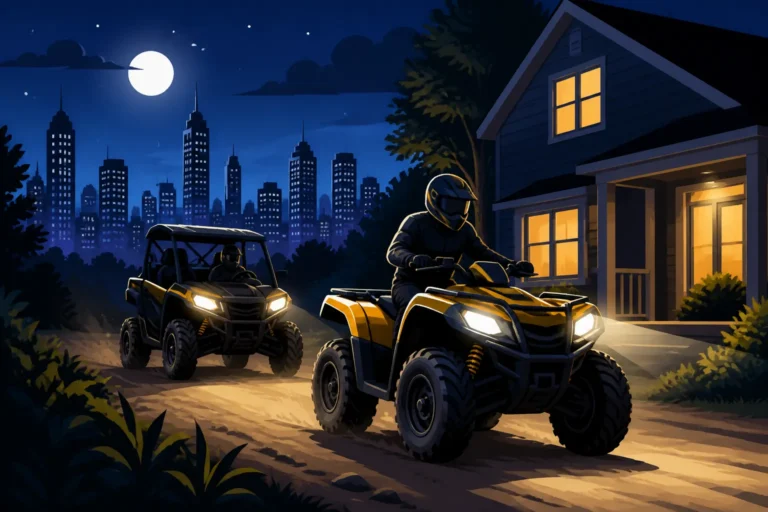
This rule applies whether you're on a public trail, a designated route, or even your own private land, if a neighbor's dwelling is within that 100-foot radius. Imagine you've just finished a fantastic day of riding on the Tug Hill Plateau and you're heading back to your camp or a friend's cabin. [Riding Home Past a House at 1 a.m.] is exactly the scenario where this rule becomes paramount. You might feel like you're almost home, just a quick dash down a lane, but if that lane passes within 100 feet of another person's residence, you could be breaking the law. It’s all about respecting boundaries and ensuring that everyone in our beautiful state can enjoy their property without unnecessary disturbances.
Defining "Dwellings" Under the Law
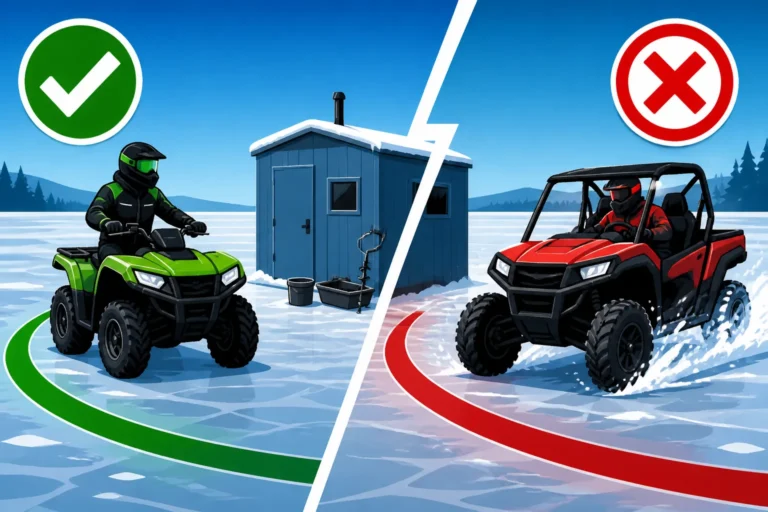
Now, when the law says "dwelling," what exactly does that encompass? It's not just the fancy house on the corner with a white picket fence. The definition is surprisingly broad and designed to protect any place where people might be living or staying. This includes obvious permanent residences, but also seasonal camps, hunting cabins, and even structures that might only be occupied for a short period, like an ice shanty. If someone is using it as a temporary home, it very likely counts. [Keeping 100 Feet Off an Ice Shanty] highlights just how far this definition can stretch, protecting even those enjoying a winter pastime on frozen water.
The spirit of the law here is crucial. It's about protecting the peace and quiet of people who are occupying a space, regardless of how permanent that occupancy is. You might think, "Oh, it's just an old cabin, nobody's there," but if someone is there, even for a weekend, they're entitled to that peaceful enjoyment after dark. This means you need to be really observant and consider every structure you pass after sunset. If you're unsure, it's always best to assume it's a dwelling and maintain your distance or find an alternative route. This thoughtful approach helps maintain good relations with landowners and ensures the continued privilege of riding in many areas.
The Real-World Impact and How to Stay Compliant
Understanding the rule is one thing; actually living by it when you're out there riding is another. It requires planning, awareness, and sometimes a little extra effort. But trust me, the peace of mind and the good standing you'll keep with your community are well worth it.
Navigating Residential Areas After Dark
So, you're out for a ride, the sun is setting, and you realize your route back to your truck or camp takes you past a few homes. What do you do? The easiest and safest strategy is to plan your evening rides to conclude well before sunset if you know you'll be near residential areas. If that’s not possible, consider dismounting and walking your machine past homes where the 100-foot distance cannot be maintained. Some riders even plan their routes so that the last leg of their journey back to a staging area or camp is exclusively on trails that are far from any dwellings.
Another practical approach is to use alternative transport for that last stretch. Maybe you park your trailer a bit further out and have a friend pick you up with a truck if you're coming back late, leaving your ATV at a safe, remote spot until morning. Being a good neighbor also involves proactive communication; if you know you'll be riding near a specific area frequently after dark, a friendly chat with the residents can go a long way. They might appreciate the heads-up and be more understanding, though it doesn't exempt you from the law. Remember, the rule isn't just about avoiding a ticket; it's about being a respectful part of the community and ensuring that the overall privilege of riding ATVs isn't eroded by complaints.
Consequences of Violating the 100-Foot Rule
Ignoring the 100-foot rule can lead to more than just a stern talking-to. The most immediate consequence is often a fine. [New York Fines for an ATV Violation] can quickly add up, turning an enjoyable ride into a costly mistake. Law enforcement officers, especially those who patrol areas known for ATV activity, are often familiar with these regulations and are ready to enforce them. They might be responding to a direct complaint from a resident, or they might simply observe you violating the rule.
Beyond the monetary penalties, there's the broader impact on the ATV community. Repeated violations in an area can lead to increased scrutiny, stricter local ordinances, or even the closure of trails. Imagine a popular trail system that suddenly gets restricted because a few riders continuously disturb nearby residents at night. [Checking Your Town's ATV Ordinance Before You Ride] is always a good idea, as some towns may even have stricter rules or specific curfews for ATV operation. Community backlash can be powerful, and it's something all riders should strive to avoid by being responsible and courteous. We all share the trails and the responsibility of keeping them open and accessible, and that means respecting our neighbors, even when we can't see them.
Broader Night Riding Regulations and Considerations
While the 100-foot rule is specific to dwellings and nighttime operation, riding an ATV after dark in New York involves a wider set of regulations and important safety practices. It's not just about avoiding homes; it's about visibility, safety, and general compliance with state law.
Essential Equipment for Night Riding
When the sun goes down, your ATV transforms from a daytime explorer into a nocturnal navigator, and that means having the right equipment. First and foremost, you absolutely need functional headlights and taillights. [Headlight and Taillight After Sunset] is a non-negotiable requirement. Your headlights need to be bright enough to illuminate the trail ahead, allowing you to react to obstacles, and your taillights are crucial for anyone following behind you. Regular checks of your bulbs and wiring should be part of your pre-ride routine, especially if you anticipate riding into the evening.
Many riders, especially those who frequently find themselves on trails after dark, choose to upgrade their lighting systems. Companies like SuperATV offer a fantastic range of LED light bars and auxiliary lights that can dramatically improve your visibility and make night riding much safer and more enjoyable. While your stock lights might meet the minimum legal requirement, enhanced lighting can literally be a lifesaver, helping you spot wildlife, washed-out sections of trail, or other hazards far more quickly. Don't forget reflectors too – they provide passive visibility even if your lights momentarily fail or are obscured.
General Night Riding Safety Tips
Riding at night fundamentally changes the dynamics of the trail. Your visibility is significantly reduced, meaning your reaction time decreases. Always reduce your speed when riding after dark, even on familiar trails. What looks like a small puddle in daylight can be a deep, hidden rut in the dark. Be extra vigilant for wildlife, as animals are often more active at dawn, dusk, and throughout the night. A deer or bear appearing suddenly from the shadows can be a terrifying and dangerous surprise.
It's also a smart practice to ride with a buddy or in a group when venturing out after dark. If something goes wrong—a breakdown, an injury, or getting stuck—having another person there can make all the difference. Make sure someone who isn't riding knows your planned route and estimated return time. Of course, a well-maintained machine is crucial. Check your tires, brakes, and fluid levels before any ride, but especially before a night ride. And speaking of safety, never, ever ride without proper gear. A good, DOT-approved helmet is absolutely essential, day or night. [New York Helmet Rules for ATV Riders] are clear and apply to all riders, regardless of age, because safety doesn't take a backseat just because the sun does. Being aware of [New York Rules for Riding After Dark] in general will keep you out of trouble and ensure you have an enjoyable and safe experience.
Here’s a quick overview of key night riding considerations:
| Rule/Consideration | Description | Why It's Important |
|---|---|---|
| 100-Foot Rule | No ATV operation within 100 feet of a dwelling between sunset and sunrise. | Prevents noise disturbance to residents; avoids fines. |
| "Dwelling" Definition | Includes permanent homes, camps, cabins, and temporary structures like ice shanties. | Broad application means you must be vigilant about all occupied structures. |
| Headlights/Taillights | Must be functional and adequately illuminate the path and be visible from the rear. | Essential for rider safety and visibility to others; legal requirement. |
| Reduced Speed | Always slow down significantly after dark, even on familiar trails. | Compensates for reduced visibility and increased reaction time. |
| Wildlife Awareness | Be extra cautious of animals on trails at night. | Reduces risk of collisions with nocturnal wildlife. |
| Riding with Others | Always ride with at least one other person, or inform someone of your route and ETA. | Provides assistance in case of breakdown, injury, or getting lost. |
| Proper Gear | Helmet, eye protection, gloves, long sleeves/pants are non-negotiable. | Protects against injuries, regardless of the time of day. |
| Local Ordinances | Check town/county rules, as they may have stricter curfews or restrictions for night riding. | Local rules can supersede state guidelines and incur additional penalties. |
| Impairment | Never operate an ATV under the influence of alcohol or drugs, day or night. | Impaired judgment is even more dangerous in low-light conditions; illegal. |
Remember, riding an ATV is a privilege that comes with responsibilities. By understanding and adhering to New York’s rules for riding at night near homes, and by practicing general safety, you contribute to a positive riding culture and help keep trails open for everyone.
Disclaimer
This article is for general informational purposes only and does not constitute professional advice. Laws, prices and regulations vary by location and change over time. Consult a qualified professional for guidance on your specific situation.