Two Thirty-Seconds of Tread in New York
The open road on an ATV in New York can feel like a maze of regulations, especially when you're just trying to understand what kind of shape your machine needs to be in to even cross a public highway. Many riders get frustrated trying to decipher the specific equipment rules, particularly when it comes to something as seemingly minor as tire tread. This comprehensive guide will break down New York's specific requirements for ATV equipment, focusing on the critical detail of tire tread depth and how it impacts your ability to legally operate your quad, even for brief moments, on public thoroughfares.
New York's General Stance on ATV Road Use
Let's be upfront: New York State generally does not consider ATVs to be "street legal" in the same way a car or motorcycle is. This is a big point of confusion and frustration for many riders who see their ATVs as perfectly capable vehicles. You can't just hop on your quad and cruise down Main Street to the local diner, no matter how shiny your machine is or how new your tires are. New York's Vehicle and Traffic Law (VTL) defines ATVs in a way that largely restricts them from most public highways, roads, and streets.
What "Not Street Legal" Really Means
When we say "not street legal," it means your ATV isn't designed or equipped to meet the full suite of federal and state requirements for on-road vehicles. This isn't just about a plate and registration; it's about everything from lighting and braking systems to emissions and yes, even your tire design. For many riders, this can feel like a real bummer, especially if you live in an area where local trails might be connected by short stretches of road. The intent behind these laws is primarily safety, both for ATV riders and for other motorists who might not expect to encounter a non-traditional vehicle on the highway. It’s a bitter pill to swallow for many, as it severely limits where you can take your machine without a trailer.
Permissible Road Crossings and Designated Routes
Despite the general prohibition, there are very specific instances where an ATV might legally touch a public road. The most common scenario is a direct crossing of a highway to get from one section of a trail to another. This isn't a casual ride; it's a specific, perpendicular crossing. You need to stop, look both ways, yield to traffic, and then proceed directly across. Think of it less as "riding on the road" and more as "briefly passing over it." Beyond crossings, some towns and counties have the authority to designate and post certain roads or sections of roads for ATV use. These are typically rural, low-traffic routes, and they must be clearly marked with signs indicating they are open to ATVs. If a road isn't explicitly designated and posted, assume it's off-limits. You can learn more about this by reading [New York's Designated and Posted Roads].
Essential Equipment for New York ATVs on Public Roads
Even for these limited-use scenarios—crossing a road or riding on a designated route—your ATV must meet certain equipment standards in New York. This isn't optional; it's part of ensuring safety and compliance. It's often where the specific details, like tire tread, come into play and can catch riders off guard.
Lights, Horn, and Mirrors
Visibility is paramount, especially when interacting with traditional road traffic. New York law requires ATVs to have certain lighting equipment if they are to be operated during periods of reduced visibility (like after sunset or before sunrise) or in situations that require it for safety. This includes a working headlight and taillight. The headlight needs to be capable of illuminating objects at a certain distance, and the taillight needs to be visible from a specific distance behind the machine. A horn is also a mandatory piece of safety equipment, allowing you to alert others to your presence. While not always explicitly required for all road crossings, having a mirror can be incredibly helpful for situational awareness, especially when pulling out onto a road or preparing to cross. It's about being seen and hearing, and being aware of what's around you. For more on lighting, see [Headlight and Taillight After Sunset].
Braking System and Muffler
A reliable braking system is non-negotiable for safety. Your ATV must have brakes that are in good working order and capable of stopping the machine effectively. This isn't just about stopping on the trail; it's about being able to react quickly and safely if you encounter unexpected traffic or hazards on a road crossing. Equally important, and often overlooked, is the muffler. New York has noise standards for ATVs to prevent excessive disturbance, especially in residential or sensitive areas. Your muffler must be in good repair and designed to meet federal noise standards, usually identified by a US Forest Service approved spark arrester. Trying to run a straight pipe or a modified exhaust might sound cool to some, but it's a sure way to draw unwanted attention from law enforcement and potentially face fines. If you're wondering about the specifics, check out [Mufflers Under the Federal Noise Standard].
Deep Dive into New York's Tire Tread Requirements
Now, let's talk about the specific detail that often stumps riders: tire tread. New York law is quite clear about the minimum tread depth required on ATV tires for specific operations, and it's a detail that many riders might not even consider until they're pulled over or inspecting their machine for compliance.
The "Two Thirty-Seconds of Tread" Rule
New York Vehicle and Traffic Law specifies that ATV tires must have at least two thirty-seconds of an inch (2/32") of tread depth across all major tread grooves. This is not just a suggestion; it's a legal requirement. Why this specific number? It's generally considered the minimum safe tread depth for most vehicles to maintain adequate traction and control, especially on paved or hard-packed surfaces where you might encounter an oil slick or a sudden change in conditions. For ATVs, even for brief road use, ensuring this minimum depth helps prevent hydroplaning and provides predictable handling, which is crucial when you're sharing space with much larger, faster vehicles. It's a fundamental safety measure, often overlooked because ATV tires, especially aggressive mud tires, can look perfectly fine even when the central tread blocks are worn down. For more on general equipment rules, see [New York Equipment Rules for ATVs].
How to Check Your ATV Tire Tread
Checking your ATV's tire tread for the 2/32" minimum is actually quite simple, and it's something every rider should do periodically, especially before taking their machine out for a ride that involves any road interaction. The easiest way is with a simple tread depth gauge, which you can find at any auto parts store. Alternatively, you can use the "penny test" or "quarter test," although a dedicated gauge is more accurate for this specific measurement.
To use a penny, insert it into a tread groove with Lincoln's head upside down and facing you. If you can see the very top of Lincoln's head, your tread is likely below 2/32". For a quarter, use Washington's head: if you can see the very top of his head, your tread is likely below 4/32", meaning it might be close to the limit. The key is to check multiple spots across the width of the tire, as tires often wear unevenly. Pay particular attention to the center grooves, as these are often the first to wear down on hard surfaces. Remember, this isn't just about avoiding a ticket; it's about ensuring your tires can grip when you need them most, whether you're crossing a busy intersection or navigating a tricky turn on a designated road.
What Happens If Your Tread Is Too Worn?
Riding on tires with less than 2/32" of tread depth can lead to several problems. First and foremost, it's a safety hazard. Worn tires have significantly reduced traction, especially on wet or loose surfaces, increasing your risk of an accident. If you're involved in an accident while operating on public land or crossing a road with illegally worn tires, your insurance company might even dispute coverage, or you could face additional legal penalties for operating an unsafe vehicle.
Secondly, you could face fines and tickets. Law enforcement officers, particularly those patrolling areas where ATVs are permitted on designated routes, are often trained to check for equipment violations. A simple traffic stop for another reason could lead to an inspection of your tires. This could result in a citation for operating an unsafe vehicle or for failing to meet equipment requirements. It's just not worth the risk, both for your safety and your wallet. You don't want to get pulled over at a trail head and then find yourself with an expensive fine simply because you overlooked something as basic as tire condition.
Beyond Tread: Other Critical Equipment Checks
While tread depth is a specific and often overlooked detail, it's part of a larger picture of equipment readiness for your ATV. Neglecting other components can be just as dangerous and lead to just as many legal headaches.
Spark Arrester and Exhaust System
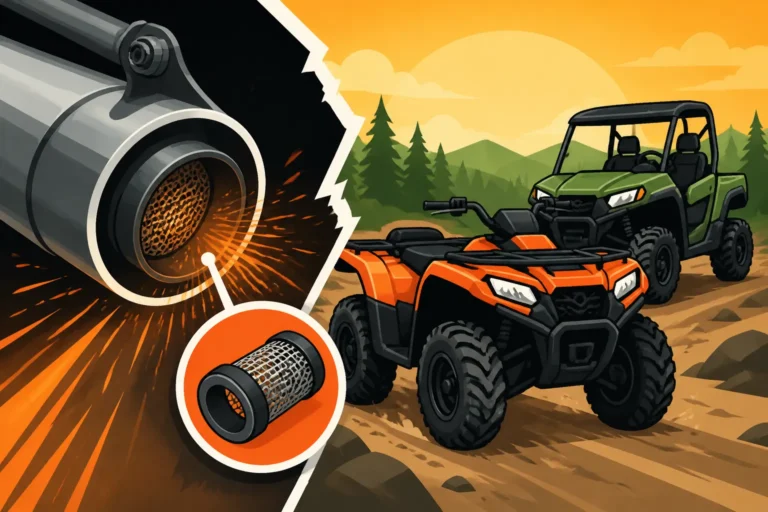
As mentioned, your ATV needs a properly functioning exhaust system, and that includes a spark arrester. A spark arrester is a device designed to prevent hot carbon particles from exiting your exhaust and potentially starting a fire. This is especially critical when riding in wooded or dry areas, where a single spark could cause a devastating wildfire. Most stock ATVs come with an integrated spark arrester, but if you've replaced your muffler with an aftermarket option, you need to ensure it's also equipped with a US Forest Service approved spark arrester. This isn't just a New York thing; it's often a federal standard for off-road vehicles. The rule can be found in [The Spark Arrester Section 2406 Requires]. Running a loud, modified exhaust without one is a surefire way to get pulled over and cited. It creates excessive noise and, more importantly, poses a serious fire risk to the beautiful natural areas we all want to enjoy.
Frame, Suspension, and Steering Integrity
Beyond the easily visible items, the structural integrity of your ATV is paramount. This means regularly checking your frame for cracks or damage, especially after a hard ride or an unexpected impact. Your suspension system—shocks, springs, A-arms, bushings—should also be inspected for wear, damage, or excessive play. Worn suspension components can dramatically affect handling, making your ATV unpredictable and unsafe, particularly at higher speeds or on uneven terrain. Likewise, your steering system (handlebars, tie rods, ball joints) needs to be tight and responsive. Any looseness or excessive play can lead to a loss of control. These are the components that keep you connected to the ground and pointed in the right direction, and their failure can have catastrophic consequences. Regular maintenance and visual checks can help catch these issues before they become major problems.
Consequences of Non-Compliance and Enforcement
Ignoring New York's ATV equipment rules, including that critical 2/32" tire tread minimum, can lead to serious consequences that go beyond just a minor inconvenience. It’s important to understand the potential repercussions.
Fines and Penalties
Operating an ATV with worn tires or other non-compliant equipment can result in significant fines. These aren't just slaps on the wrist; they can hit your wallet hard. A basic equipment violation might start with a moderate fine, but multiple violations or operating an unsafe vehicle could lead to higher penalties. And remember, these fines are often on top of any other citations you might receive, such as for riding in an unauthorized area or without proper registration. For example, if you're found riding on a closed trail section with bald tires and no registration, you're looking at a stack of tickets, not just one. You can read more about various fines in [New York Fines for an ATV Violation].
Impoundment and Insurance Issues
In more severe cases of non-compliance, particularly if your ATV is deemed severely unsafe or is being operated illegally, law enforcement has the authority to impound your machine. Getting an impounded ATV back is a costly and time-consuming process, involving storage fees, impoundment release fees, and the need to rectify any violations before it can be released. Imagine having your pride and joy hauled away because you overlooked something as simple as tire tread! Furthermore, as touched on before, if you're involved in an accident and your ATV is found to be non-compliant with equipment laws, your insurance provider might deny your claim. This could leave you personally liable for damages, medical bills, and legal fees, which could easily run into tens of thousands of dollars. It’s a huge gamble to take.
Safety Risks to Yourself and Others
Beyond the legal and financial ramifications, the most important consequence of non-compliance is the increased safety risk. An ATV with worn tires has less grip, making it harder to steer, accelerate, and brake effectively. This dramatically increases your chances of losing control, especially on varied terrain or when encountering unexpected obstacles. A sudden blowout or a loss of traction on a crucial road crossing could lead to serious injury or even death for yourself, your passengers, or innocent bystanders. The equipment rules aren't there to make your life difficult; they are fundamental to ensuring that these powerful machines can be operated as safely as possible, minimizing risks in environments that are already inherently challenging. Always prioritize safety over convenience or a few extra dollars saved on maintenance.
Making Your ATV Road-Ready (Within New York's Limits)
Given New York's strict rules, making your ATV "road-ready" primarily means ensuring it's compliant for permitted crossings and designated routes, rather than full street legality. This involves proper maintenance and sometimes strategic upgrades.
Regular Maintenance and Pre-Ride Checks
The best defense against equipment violations and accidents is a robust maintenance schedule and thorough pre-ride checks. Before every ride, especially if you anticipate any road interaction, take a few minutes to walk around your ATV and check the essentials.
- Tires: Check air pressure and, of course, tread depth (using that 2/32" rule!). Look for any cuts, bulges, or punctures. When it comes to finding durable, compliant tires, many riders turn to aftermarket options from reputable brands. For instance, SuperATV offers a wide range of tires designed for various terrains, ensuring you can find something that meets both performance needs and New York's tread requirements.
- Lights: Test your headlight, taillight, and brake light (if applicable). Make sure they are clean and functional.
- Brakes: Squeeze the levers and press the pedal to ensure firm, responsive braking. Check fluid levels if applicable.
- Steering: Wiggle your handlebars to check for excessive play.
- Muffler: Listen for any unusual sounds or leaks that might indicate a problem. Ensure your spark arrester is in place and clear.
This quick routine can catch minor issues before they become major problems, keeping you safe and compliant.
Strategic Upgrades for Compliance and Safety
While you can't magically make an ATV street legal in New York, you can make strategic upgrades that enhance safety and compliance for those limited road uses.
- Lighting: If your stock lighting feels inadequate, especially for nighttime crossings, consider upgrading to brighter LED headlights or adding auxiliary lights. Just ensure they are aimed properly and don't blind oncoming traffic. Again, brands like SuperATV offer robust LED light bars and pods that can significantly improve your visibility.
- Mirrors: While not always strictly mandated, adding a good set of rearview mirrors can drastically improve your situational awareness when approaching or crossing roads. They allow you to keep an eye on traffic behind you without constantly turning your head.
- Tires: If your tires are consistently wearing down past the 2/32" mark quickly, or if they aren't suitable for the occasional hard-packed road surface, investing in higher-quality, more durable tires that still provide excellent off-road performance is a wise choice.
- Winch: Although not directly related to road use, a winch can be a lifesaver if you get stuck off-road, preventing you from having to drag your machine across a public road to get unstuck. SuperATV is well-known for its durable winch systems, which can provide that extra layer of confidence when riding challenging trails.
Remember, any modifications should be done thoughtfully and ensure they don't inadvertently create new non-compliance issues. Always verify that any accessory you add doesn't exceed width or weight limits where such regulations apply.
Knowing the Specifics of Your Riding Area
New York is a big state, and while state law sets the baseline, individual towns and counties can implement their own ordinances for ATV use on designated routes or public lands. It's crucial to check with the local authorities or the specific trail system you plan to ride to understand any additional rules or requirements. Some areas might have stricter noise limits, different hours of operation, or specific permits required even for designated roads. Being informed is your best tool for staying out of trouble and enjoying your ride. For instance, when riding in Lewis County, you'll need to be familiar with their specific permit system, which sometimes requires club membership. Always check for local updates and trail conditions before you load up your quad. Understanding [New York Rules for Riding a Town Road] can be very helpful.
The Importance of Insurance and Registration
Finally, don't forget the basics: registration and insurance. Even if your ATV is only used for brief road crossings or on designated routes, New York requires it to be registered and insured. An unregistered or uninsured ATV on any public land, including crossing a road, can lead to severe penalties. Your registration proves ownership and allows the state to track the machine, while insurance provides crucial financial protection in case of an accident. Make sure your insurance policy specifically covers ATV operation in New York and meets the state's minimum liability requirements. Without these two essential components, all the equipment compliance in the world won't save you from a hefty fine. You can find out more by reading about [New York ATV Registration and Insurance Proof].
Disclaimer
This article is for general informational purposes only and does not constitute professional advice. Laws, prices and regulations vary by location and change over time. Consult a qualified professional for guidance on your specific situation.