Helmet Rules for New York Riders
The open air, the rumble of the engine, the thrill of hitting the trails – it’s what draws us to ATV riding in New York. But sometimes, when you're just itching to get out there, the seemingly endless list of rules can feel a bit overwhelming, especially when it comes to personal safety gear. This guide is here to untangle the specifics of New York's ATV helmet laws, making sure you're both safe and compliant every time you throw a leg over your machine.
The Non-Negotiable Reality of Helmets in New York
Let's cut right to it: New York State is crystal clear about helmets for ATV riders. This isn't one of those regulations with a lot of gray area or "ifs" and "buts." The state takes head protection seriously, and for good reason. Accidents happen, even to the most experienced riders, and a proper helmet is the single most effective piece of gear you can wear to protect yourself from serious injury. Ignoring this rule isn't just a risk to your wallet; it's a risk to your life and well-being.
Why Every Rider, Every Time, Means Every Rider
When the law says "every rider, every time," it literally means just that. Whether you're cruising on a designated trail system in Lewis County, navigating your own private property, or crossing a posted road, if you're operating an ATV in New York, you need a helmet. This applies to the operator of the machine, regardless of age or experience level. It's a foundational rule that underpins all other ATV safety regulations in the state. There's no exception for short rides, low speeds, or familiar terrain. The moment that engine fires up and the wheels start turning, that helmet needs to be securely fastened on your head.
Think about it this way: you wouldn't drive a car without a seatbelt, even if you're just going to the corner store. The same principle applies here. An ATV, by its very nature, can be unpredictable, and even a minor tip-over can result in a head injury if you're unprotected. This steadfast requirement for all riders is New York's way of trying to minimize the potential for severe outcomes, ensuring that a fun day out doesn't turn into a tragic one.
No Exemptions, No Exceptions for Adults
This is often where confusion sets in for adult riders. Many states have helmet laws that apply only to minors, or to adults in specific situations. New York, however, is much stricter. There is no age at which you become exempt from wearing a helmet on an ATV. If you're 18, 48, or 88, the rule remains the same: helmet on. This differs from some other motorized vehicle laws in the state, which might lead some to mistakenly believe they're exempt once they reach adulthood. That's simply not the case here.
This strict stance acknowledges the inherent risks of ATV riding for all ages. While experience can certainly reduce the likelihood of certain accidents, it doesn't eliminate the possibility of an unforeseen obstacle, a mechanical failure, or another rider's mistake. It’s about universal protection. So, when you're planning your next ride, don't even consider leaving your helmet behind, regardless of how many years you've been riding or how short your trip might be. This rule is firm and consistently enforced across the state. In fact, if you're ever stopped roadside, an officer will definitely be checking for this. You can learn more about [What a New York Officer Checks Roadside].
The Law's Intent: Protecting Heads, Not Just Fulfilling Quotas
It's easy to view regulations as just more red tape, another hurdle to jump through before enjoying our hobbies. But the intention behind New York's helmet law is genuinely about safety. Head injuries, even seemingly minor ones, can have devastating and long-lasting consequences, impacting not just the rider but their families and communities. The state isn't just trying to write tickets; it's trying to save lives and prevent life-altering injuries.
This focus on protection is why the law is so comprehensive. It's designed to create a culture of safety among ATV riders, emphasizing prevention over reaction. By making helmet use mandatory for everyone, New York sends a clear message about the importance of safeguarding our most vulnerable asset. It's a proactive measure, a simple act of buckling up that can make all the difference when the unexpected happens. Embracing this rule isn't just about avoiding a fine; it's about prioritizing your own well-being and being able to continue enjoying the trails for years to come.
What Constitutes a Legal Helmet in New York?
Alright, so we know you need a helmet. But not just any helmet will do. You can't just strap on a bicycle helmet or a construction hard hat and call it a day. New York has specific requirements for what makes a helmet legal and acceptable for ATV use. These aren't arbitrary rules; they're based on safety standards designed to provide adequate protection in the event of an ATV-related impact. Understanding these standards is crucial, not only for compliance but for your actual safety.
The Critical Role of DOT Certification
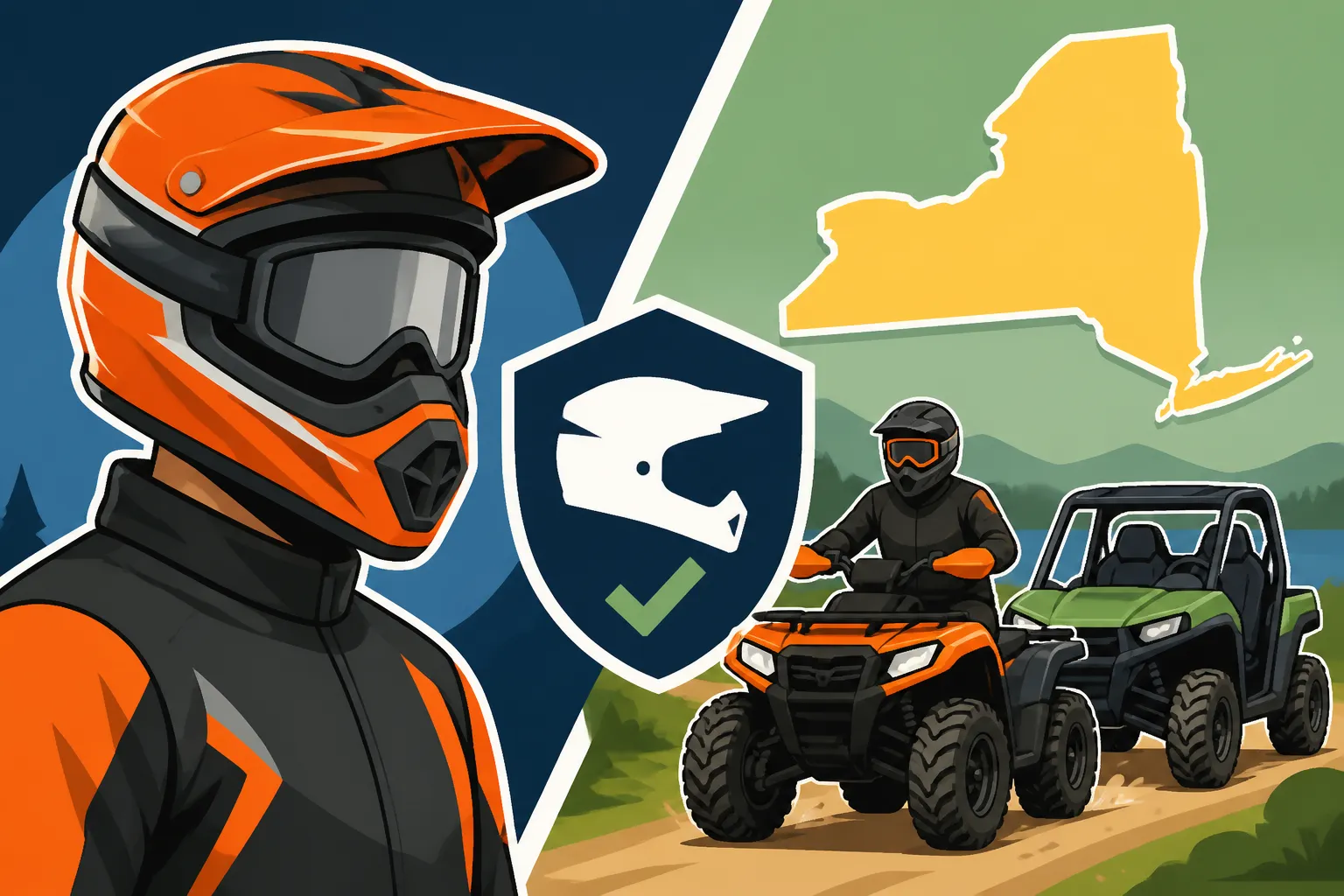
The absolute most important thing to look for on any ATV helmet you consider is a sticker or label indicating "DOT certification." This means the helmet meets the safety standards set by the U.S. Department of Transportation. The DOT standards evaluate a helmet's ability to absorb impact, resist penetration, and provide adequate peripheral vision. Without this certification, your helmet is considered illegal for ATV use in New York, regardless of how sturdy it might feel or how much you paid for it.
The DOT certification process is rigorous. It involves various tests, including impact attenuation (how well the helmet cushions a blow), penetration resistance (how well it resists sharp objects), and retention system effectiveness (how well the chin strap stays fastened). When you see that DOT sticker, you know the helmet has been subjected to and passed these critical safety evaluations. It's your assurance that the helmet is designed to perform its primary function: protecting your brain in an accident. Always check for this before purchasing or wearing a helmet.
Beyond the Sticker: Features of a Safe, Compliant Helmet
While the DOT sticker is essential, a truly safe and comfortable helmet offers more than just basic compliance. Look for features that enhance both protection and the riding experience. A good helmet should fit snugly but comfortably, without excessive movement when you shake your head. It should also provide good ventilation to prevent overheating, especially during strenuous rides or on warm days. Many riders prefer full-face helmets for the added protection they offer for the jaw and face, especially from branches, rocks, or debris kicked up by other machines.
Other features to consider include a strong, easily adjustable retention system (chin strap) that stays secure, and a clear, scratch-resistant visor if it's a full-face model. Some helmets also offer removable, washable liners, which are a godsend after a long, dusty day on the trails. While these additional features aren't always legally mandated, they significantly contribute to your safety and comfort, making you more likely to wear your helmet consistently and correctly. Investing in a quality helmet is investing in your own protection and enjoyment. When you are looking at gear, remember that [New York ATV Helmet Costs] can vary greatly, but don't compromise on safety for price.
Avoiding the Pitfalls of Uncertified or Novelty Helmets
Unfortunately, the market is flooded with helmets that might look cool but offer little to no real protection. These are often referred to as "novelty helmets." They might have a sleek design or a unique paint job, but if they lack the DOT certification, they are unsafe and illegal for ATV use in New York. These helmets are typically thinner, lighter, and made from materials that simply cannot absorb impact energy effectively. They are designed for aesthetics, not for impact protection.
Wearing an uncertified helmet is a grave mistake. Not only are you risking a ticket for non-compliance, but more importantly, you are essentially riding unprotected. In an accident, a novelty helmet will likely shatter or offer negligible resistance to impact, leaving your head vulnerable to serious injury. Always be skeptical of helmets that seem too lightweight, too cheap, or don't explicitly state DOT certification. Your safety is not an area to compromise for style or a perceived bargain. Always verify the DOT stamp before you make a purchase.
Specific Rules for Young Riders and Passengers
New York State, recognizing the particular vulnerabilities of younger riders and passengers, has even stricter and more explicit rules when it comes to helmet use for these groups. It’s not just about the operator; anyone riding on an ATV in New York needs to be properly protected. As parents, guardians, or even just responsible adults on the trail, it’s our duty to understand and enforce these regulations.
The Ironclad Rules for Minors on an ATV
For any rider under the age of 16 operating an ATV, the helmet rule is absolutely non-negotiable and strictly enforced. This aligns with New York's broader approach to youth ATV safety, which includes mandatory safety courses and supervision requirements. A minor cannot legally operate an ATV in New York without wearing an approved, DOT-certified helmet. This rule is designed to protect the most vulnerable riders, whose developing bodies and potentially limited experience make them more susceptible to severe injuries. You can find more details on this specific topic in [New York Rules for Riders Under 16].
Parents and guardians bear a significant responsibility here. Allowing a minor to ride an ATV without a helmet not only puts the child at extreme risk but also exposes the adult to potential legal penalties. It's crucial to ensure that any helmet worn by a minor fits correctly – a helmet that's too large can shift during an impact, reducing its protective capabilities, while one that's too small will be uncomfortable and might not even go on properly. Always make sure the helmet is the right size and securely fastened.
Passenger Safety: When One Helmet Isn't Enough
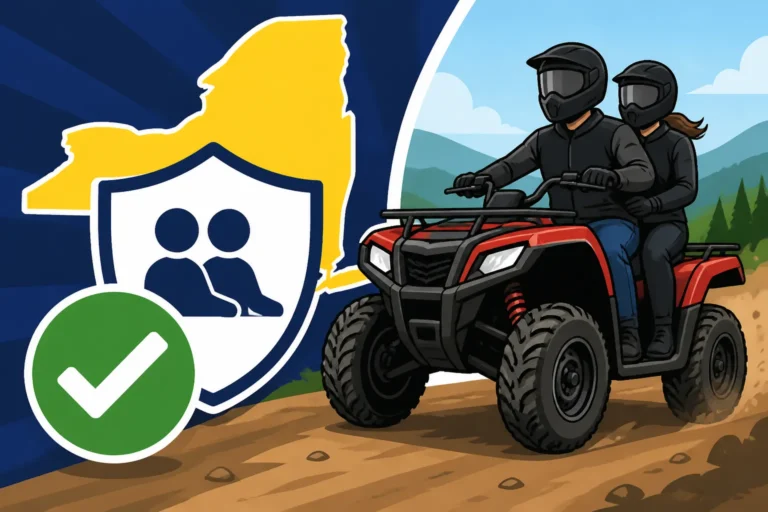
The helmet rule extends equally to passengers, regardless of their age. If an ATV is designed and equipped by the manufacturer to carry a passenger, and you choose to do so, that passenger must also wear a DOT-certified helmet. This is a common point of oversight for many riders. They might be diligent about their own helmet but forget or overlook the requirement for their passenger. The law, however, makes no distinction between operator and passenger when it comes to head protection.
This means if you have a youth machine or a two-up model that allows for a passenger, both individuals need to be wearing appropriate head protection. Just like the operator, a passenger is exposed to the same risks of falls, impacts, and rollovers. Their safety is just as paramount. You can dive deeper into the specific rules for passengers in [New York Helmet Law for Passengers]. It's your responsibility as the operator to ensure everyone on your machine is compliant and protected.
Who Is Responsible for Helmet Compliance for Younger Riders?
This is a critical point that often gets overlooked. While the rider themselves is ultimately responsible for wearing the helmet, New York law places additional responsibility on adults when it comes to minors. Any parent, guardian, or person supervising an ATV operation by a person under 16 years of age is legally responsible for ensuring that the minor is wearing an approved helmet. This means if a child under 16 is caught riding without a helmet, the supervising adult can also face legal consequences.
This shared responsibility highlights the state's commitment to protecting youth. It serves as a strong reminder that ATV riding, while fun, is not without serious risks, especially for developing individuals. It mandates that adults not only provide a helmet but also actively ensure its proper use. This could involve reminding the child, checking the fit, and making sure the chin strap is secured before every ride. It's about setting a good example and creating a culture of safety from a young age.
The Serious Consequences of Riding Without a Helmet
Nobody wants a ticket, and certainly nobody wants to end up in the emergency room. But ignoring New York's helmet laws can lead to both. The consequences of riding without proper head protection range from immediate financial penalties to long-term health and financial burdens. It's vital to understand that these aren't just minor infractions; they reflect a serious disregard for state law and personal safety.
Understanding the Fines and Penalties
If you're caught riding an ATV in New York without a DOT-certified helmet, you're looking at a fine. The exact amount can vary depending on the specific circumstances, location, and the discretion of the enforcing officer or court, but generally, these are not cheap warnings. It's a penalty designed to deter non-compliance. What might seem like a small oversight can quickly escalate into a costly mistake. Remember, this applies to both the operator and any passengers who are also unhelmeted.
Beyond the initial fine, there can be additional court costs and surcharges tacked on. And if you're supervising a minor who isn't wearing a helmet, you could face penalties as well. These financial repercussions serve as a tangible reminder that New York takes its ATV safety laws seriously. It’s far cheaper and less stressful to simply buy and wear an approved helmet than to deal with the aftermath of a citation. For more general information on penalties, you can refer to [New York Fines for an ATV Violation].
Beyond the Ticket: Insurance Implications and Liability
The financial hit of a ticket is one thing, but the potential insurance and liability implications of a helmet-less accident are far more significant. If you're involved in an accident and weren't wearing a helmet as required by law, your insurance company might view this as a failure to mitigate risk or even a violation of policy terms. This could potentially affect coverage for medical expenses or property damage, leaving you personally responsible for substantial costs. [New York ATV Insurance Requirement] mandates coverage, but that coverage might be jeopardized by non-compliance with safety laws.
Furthermore, if your actions contribute to an accident where another party is injured or their property is damaged, your lack of a helmet could be used against you in a civil lawsuit. It demonstrates a clear disregard for established safety protocols, which could increase your liability. The legal system often takes a dim view of individuals who fail to follow basic safety laws, especially when injuries result. Protecting your head with a helmet also helps protect your financial future.
The Real-World Risks and Why Helmets Matter
Let's be blunt: the most severe consequence of not wearing a helmet isn't a fine; it's a devastating head injury. The human skull is remarkably resilient, but it has its limits. A helmet is designed to absorb and distribute impact forces, greatly reducing the risk of concussions, skull fractures, and traumatic brain injuries. Without it, even a seemingly minor fall or collision can result in life-altering damage.
Consider the common scenarios: hitting a tree branch, falling off a machine on a tricky turn, or colliding with another rider. In any of these situations, the ground, a rock, or another hard object is directly introduced to your skull if it's unprotected. The statistics are clear: helmets dramatically reduce the severity of head and brain injuries in ATV accidents. This isn't just about following a rule; it's about making a conscious decision to protect your most vital organ. The ability to continue enjoying life, work, and your family depends on keeping your head safe, and a helmet is your best defense.
Choosing the Right Helmet for New York Riding Conditions
Selecting a helmet isn't just about finding one that's DOT-certified and fits. New York's diverse riding conditions, from rocky trails to muddy fields and dense woods, mean that choosing a helmet that suits your specific style and environment can greatly enhance your safety and comfort. Think of it as a tool; the right tool makes the job easier and safer.
Matching Your Helmet to Your Riding Style and Terrain
Your choice of helmet can, and perhaps should, be influenced by the type of riding you typically do. If you're primarily on open trails or racing, a lightweight, well-ventilated motocross-style helmet with a goggle combination might be ideal. These offer excellent airflow, a wide field of vision, and are designed for high-energy riding. However, they don't always provide the same level of face protection from the elements as a full-face helmet.
For more technical trail riding, especially through dense brush or in areas where debris might be kicked up, a full-face ATV helmet with a built-in visor offers superior protection for your entire head, face, and jaw. If you're riding in colder weather, a helmet designed for snowmobiling might offer better insulation and a heated visor option, which can be a huge comfort factor on a brisk Tug Hill winter ride. Consider your primary use case and match the helmet's features accordingly.
| Helmet Type | Best For | Key Features | Pros | Cons |
|---|---|---|---|---|
| Full-Face Helmet | General trail riding, varied conditions | Complete head and face coverage, integrated visor | Maximum protection, good weather sealing | Can be heavier, less airflow, potentially restricted peripheral vision |
| Motocross Helmet | Aggressive riding, racing, warm weather | Open face (requires goggles), peak visor, excellent ventilation | Lightweight, superior airflow, wide field of vision (with goggles) | No integrated face protection, relies on goggles for eye safety |
| Modular/Flip-Up | Touring, mixed use, convenience | Hinged chin bar that can flip up, full face or open face options | Versatile, convenient for stops, good protection | Heavier and more complex, can be noisy, chin bar adds potential weak point |
| Open-Face Helmet | Casual riding (less common for ATVs), warm | Covers top, back, and sides of head; open face (requires goggles/glasses) | Lightweight, good airflow, wider field of vision | Limited face and chin protection |
Comfort, Fit, and Visibility: More Than Just Protection
A helmet can be DOT-certified and technically compliant, but if it's uncomfortable or doesn't fit right, you're less likely to wear it, or wear it correctly. An ill-fitting helmet is also a less safe helmet. It should be snug, but not painfully tight. There should be no significant movement when you try to shift it side-to-side or up-and-down. Your cheeks might be slightly compressed, and your forehead should feel firm pressure. If it wiggles freely, it's too big. If it causes painful pressure points, it's too small.
Visibility is another critical factor. A good helmet, especially a full-face one, should offer a wide field of vision, allowing you to see your surroundings without unnecessary obstruction. Clear, anti-fog visors are crucial, as is making sure they are free of scratches or damage that could impair your view. On trails, being able to see rapidly changing terrain, obstacles, or other riders is just as important as the protection the helmet offers. Poor visibility is a safety hazard in itself, so choose a helmet that doesn't compromise your line of sight.
Maintaining Your Helmet for Long-Term Safety
A helmet isn't a "set it and forget it" piece of gear. Proper maintenance is essential to ensure it continues to offer maximum protection throughout its lifespan. Regularly inspect your helmet for any signs of damage, such as cracks in the shell, frayed straps, or compromised padding. Even a seemingly minor drop onto a hard surface can compromise the helmet's structural integrity, even if no visible damage occurs. If you suspect any damage or if the helmet has been involved in an impact, it's time to replace it.
Clean your helmet regularly, both inside and out. Dust, sweat, and grime can accumulate, making it uncomfortable to wear and potentially harboring bacteria. Many helmets have removable, washable liners, which makes this process much easier. Store your helmet in a safe place where it won't be dropped, scratched, or exposed to extreme temperatures or harsh chemicals, which can degrade its materials. While helmets don't have a strict expiration date like some other products, most manufacturers recommend replacing them every 3-5 years, or sooner if showing signs of wear and tear, as materials can degrade over time.
Common Misconceptions and Local Variations
When it comes to ATV rules, it's easy to fall prey to myths or misunderstandings, especially because laws can vary from state to state, and even within different jurisdictions in New York. Let's clear up some common misconceptions about helmet use and touch on how local rules might add to the state's requirements.
Dispelling Myths About Helmet Use on Private Land
One of the most persistent myths is that New York's ATV helmet laws don't apply when you're riding on private property. "It's my land, I can do what I want," is a common sentiment. However, under New York law, the helmet requirement applies to the operation of an ATV anywhere in the state, whether on public trails, posted roads, or private land. The law doesn't exempt private property from this crucial safety rule.
This might feel intrusive to some, but the state's rationale is consistent: the risks associated with ATV operation (rollovers, impacts, falls) remain the same regardless of who owns the land. A head injury on your own back forty is just as serious as one on a public trail. So, whether you're just moving a quad in your yard or tearing up the fields, that helmet needs to be on. It's an important distinction that [New York Rules for Riding Private Land] clarify, ensuring consistent safety standards across all riding environments.
Town and County Ordinances That Can Add to the Rules
While New York State sets the baseline for ATV helmet laws, it's important to remember that local municipalities—towns, villages, and counties—can enact their own ordinances that are more restrictive than state law. They cannot, however, make rules that are less restrictive. This means while a local ordinance won't say "helmets are optional," it could add requirements for specific types of helmets in certain areas, or introduce additional safety gear mandates beyond just helmets.
It's always a good idea to check with the local authorities or the county parks department if you plan to ride in a specific area. For instance, a county that operates its own trail system might have additional rules for safety gear, or specific requirements for helmets for riders of certain ages even if state law didn't cover it (though New York state law is already very comprehensive on helmets). Being aware of these potential local variations ensures you're fully compliant and can avoid any unexpected issues.
How Helmet Rules Relate to Other Safety Gear
While this guide focuses on helmets, it's crucial to understand that a helmet is just one piece of the overall safety puzzle. New York's regulations, and general best practices, encourage the use of other protective gear to minimize injuries. This includes eye protection (if your helmet doesn't have a visor), gloves, sturdy over-the-ankle boots, and long pants and sleeves. In some cases, specific trails or riding events might even mandate additional gear like chest protectors or knee pads.
The helmet rule works in conjunction with these other requirements to provide comprehensive protection. A helmet protects your head, but proper boots protect your feet from crushing injuries or getting caught in the machinery. Gloves protect your hands from blisters and impacts, and sturdy clothing protects your skin from abrasions and brush. All these elements together create a safer riding experience. While the helmet might be the most critical piece of safety gear, it's important not to overlook the benefits of the full range of protective equipment available. You can learn more about general equipment regulations in [New York Equipment Requirements for ATVs].
The Broader Context of New York's ATV Safety Efforts
Understanding helmet rules isn't just about memorizing a regulation; it's about seeing how it fits into New York's larger commitment to ATV rider safety. These rules aren't isolated; they're interconnected with education, trail management, and community responsibility, all aimed at fostering a safer environment for everyone who enjoys off-road riding.
Connecting Helmet Use to Overall Rider Safety Education
New York State has a robust system for ATV safety education, particularly for younger riders. The mandatory ATV Safety Certificate program for those aged 10-15 is a testament to this commitment. Helmet use is a cornerstone of this education. Every safety course emphasizes the critical importance of wearing an approved helmet, not just as a legal requirement, but as a fundamental safety practice. Instructors stress the "why" behind the rule, explaining the mechanics of head injury and how a helmet mitigates those risks.
By integrating helmet requirements into safety education, New York aims to instill good habits from the very beginning of a rider's journey. It helps ensure that new riders develop an understanding that a helmet is as essential as the throttle and brakes. This educational foundation is key to reducing accidents and fostering a generation of responsible and safe ATV enthusiasts. Taking an ATV safety course is an excellent idea for any rider, regardless of age, and you can find out about the [New York ATV Safety Course Cost] through various providers.
How Helmet Rules Fit into New York's Designated Trail System
New York's designated ATV trail systems, such as those in Lewis County or Oswego County, are carefully managed to provide safe and enjoyable riding opportunities. These systems often have specific rules beyond state law, all designed to ensure safety. The helmet rule is a foundational expectation within these trail networks. When you purchase a permit to ride on a county trail, you're agreeing to abide by all local and state regulations, and helmet compliance is always at the top of that list.
Trail organizations and land managers understand that consistent enforcement of safety rules, including helmets, is vital for maintaining positive relationships with landowners and ensuring the continued operation of trails. A high standard of safety reduces accidents, which in turn reduces liability concerns and helps keep trails open for everyone to enjoy. It’s part of a collective effort to keep these valuable recreational resources available. So, when you're out on a beautiful trail ride, know that your helmet is not just protecting you, but it's also contributing to the sustainability of the trails you love. You can learn more about what it takes to access these trails through [New York ATV Trail Permits Explained].
The Community Aspect: Setting a Good Example
Ultimately, ATV safety in New York is also about community. When you consistently wear your helmet and other appropriate safety gear, you're not just protecting yourself; you're setting a positive example for other riders, especially younger ones. Children and new riders often look to more experienced enthusiasts for guidance, and seeing seasoned riders consistently prioritize safety reinforces the importance of these practices.
By being a responsible rider, you contribute to a positive image of the ATV community as a whole. This can help counter negative stereotypes and foster better relationships with non-riders, landowners, and local authorities. It’s a collective effort to show that ATV riders are responsible, safety-conscious individuals who respect the rules and the environment. So, the next time you put on your helmet, remember that you’re not just preparing for a ride; you’re also contributing to a safer, more sustainable future for ATV riding in New York.
Disclaimer
This article is for general informational purposes only and does not constitute professional advice. Laws, prices and regulations vary by location and change over time. Consult a qualified professional for guidance on your specific situation.