New York ATV VIN Tracing Requirement
It's incredibly frustrating when you're all geared up to hit the trails, ready to register your ATV, and then you're hit with a peculiar requirement: a VIN tracing. For many, it feels like an outdated, unnecessary hoop to jump through, especially when most vehicles simply require you to write down the VIN. This guide is here to unravel the mystery of New York's ATV VIN tracing requirement, helping you understand why it's necessary and how to complete it successfully so you can get out and ride.
Why New York Requires a Pencil Tracing of Your ATV's VIN
New York State has a unique way of handling ATV registration, and one of the most distinctive elements is the pencil tracing of your Vehicle Identification Number (VIN). While it might seem like a strange request in this digital age, there's a very practical reason behind it that stems from how ATVs are treated in the eyes of the law in our state.
The Lack of ATV Titles in New York
One of the biggest differences between registering a car or truck and an ATV in New York is the absence of a title for most off-road vehicles. Unlike a car, which comes with a formal title document proving ownership and listing the VIN, most ATVs in New York do not have a state-issued title. This means that when you go to register your machine, the DMV needs another reliable way to verify its identity and link it to you. You can read more about this in [Why New York Issues No ATV Title]. Without a traditional title, the VIN becomes the absolute bedrock of identification for your ATV.
When you purchase a new ATV from a dealer, they'll usually handle the initial paperwork, and the VIN is clearly documented on the Manufacturer's Certificate of Origin (MCO) or Statement of Origin (MSO). However, for used ATVs, especially those bought in a private sale or machines that have changed hands multiple times, the paper trail can get a bit murky. The VIN tracing acts as a direct, physical confirmation of the machine's actual identification number, directly from the frame itself, leaving little room for error or fraud.
Preventing Theft and Proving Ownership
The VIN is essentially your ATV's unique fingerprint. It tells a story about where and when the machine was manufactured, what model it is, and much more. By requiring a physical tracing, New York aims to deter theft and ensure that the person registering the ATV genuinely possesses that specific machine. It's a layer of security designed to prevent someone from registering a stolen ATV using a false VIN, or from registering a machine they don't actually own. This is a critical component of [New York ATV Proof of Ownership Requirements].
Imagine a scenario where a stolen ATV is being passed around. If someone simply wrote down a VIN on a form, it would be easy to falsify. But with a pencil tracing, the actual texture, depth, and even the imperfections of the stamped VIN are transferred to paper. This makes it much harder to forge and provides the DMV with a tangible piece of evidence directly from your machine. It's a way for the state to confirm that the VIN on your application is indeed the one physically stamped on your ATV, helping to prevent illicit activities and protect legitimate owners. Services like LawDepot can help you create a robust bill of sale, which, when combined with a VIN tracing, provides a strong ownership record even without a title.
The DMV's Unique Verification Method
Other states might have different methods, perhaps relying on a simple VIN check by an employee or accepting a photograph. But New York, for its ATVs, has stuck with the tracing method. This isn't just about being old-fashioned; it’s about a direct, undeniable link between the physical machine and the registration paperwork. The tracing provides a unique, non-photographic record that captures the VIN in its exact, physical form.
It's an extra step, yes, but it ensures accuracy and reduces potential discrepancies that could arise from miswritten numbers or unclear photographs. The DMV personnel are trained to review these tracings, looking for clarity and completeness, ensuring that the number submitted on your application form [Which DMV Form Registers a Non-Titled ATV in New York] matches the physical tracing precisely. It’s their way of keeping everyone honest and ensuring the integrity of the registration system for all riders.
The Step-by-Step Process of Tracing Your ATV's VIN
Alright, let's get down to business. The idea of "tracing" a VIN might sound intimidating, conjuring images of intricate artwork, but it's actually quite straightforward once you know the trick. Think of it less like drawing and more like a simple craft project. We’re going to outline exactly how to get that perfect tracing so your DMV visit goes smoothly. This is also covered in [Tracing a Frame Number With a Pencil].
Gathering Your Supplies
Before you even think about touching your ATV, make sure you have the right tools. You don't need anything fancy, just a few basic items you probably already have lying around the house:
- Plain White Paper: A standard sheet of printer paper or even a piece from a notebook will do. The key is that it's thin enough to pick up the impression but sturdy enough not to tear easily.
- Pencil: A soft lead pencil (like a No. 2 pencil or even a charcoal pencil if you have one) works best. The softer the lead, the more easily it will transfer the impression of the VIN. Avoid hard-lead pencils, as they won't pick up the details as well.
- Good Lighting: This is crucial. You need to be able to clearly see the VIN on your ATV. If you're working in a garage, a flashlight or a portable work light can be invaluable.
- Cleaning Supplies (Optional but Recommended): A wire brush, an old rag, and some degreaser or penetrating oil might be necessary, especially if your ATV's VIN is caked with mud, rust, or grease. You can’t trace what you can’t see.
Having these items ready before you start will save you a lot of hassle and ensure a clearer, more successful tracing on your first try.
Locating the VIN on Your ATV
Finding the VIN is your next critical step. Unlike cars where it's usually on the dashboard or driver's side door jamb, ATV VINs are typically stamped directly onto the frame. Here are the most common places to look:
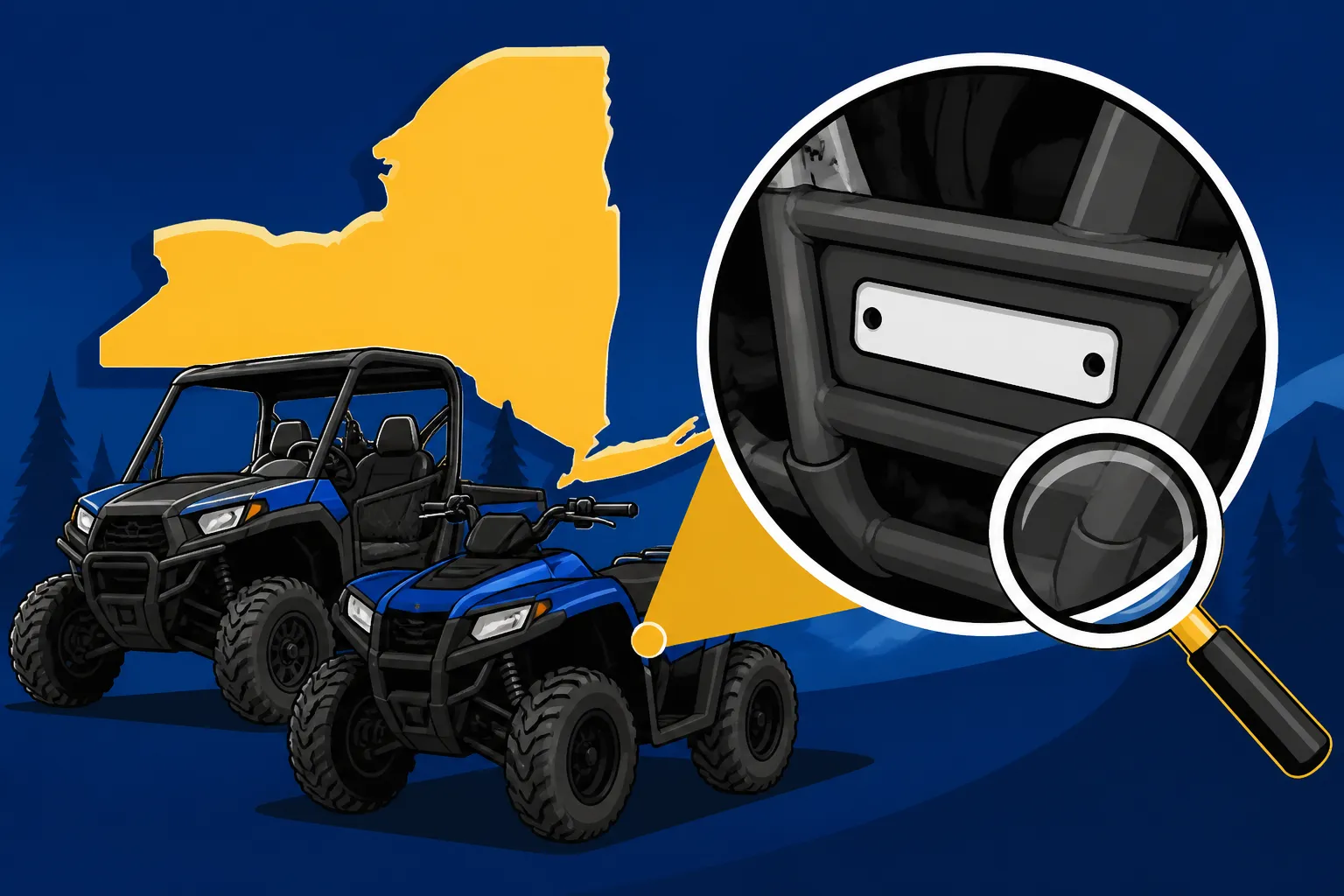
- Front Frame Near the Steering Head: This is arguably the most common location. Look on the right-hand side of the frame, usually just below the handlebars or near where the A-arms attach to the frame. It might be on a vertical or horizontal section.
- Lower Frame Rail: Sometimes it's stamped on one of the main frame rails, usually on the right side, closer to the front wheel or engine area.
- Engine Block (Less Common for Tracing): While engines have identification numbers, the DMV generally wants the frame VIN for registration purposes, as the engine can be replaced independently of the main machine. Always aim for the frame VIN.
Once you think you've found it, take a moment to confirm. The VIN is usually a series of 17 alphanumeric characters. If it's dirty, take your cleaning supplies and carefully clean the area. A wire brush can help remove rust, and degreaser will cut through grime. Be gentle, you don't want to damage the stamped numbers.
The Tracing Technique
Now for the main event! This is where the magic happens.
- Position the Paper: Carefully place your piece of white paper over the VIN. Try to keep it as flat and smooth as possible against the frame, covering the entire VIN. You might need to use a piece of tape to hold the paper in place if you're working in an awkward spot, but avoid taping over the actual VIN numbers.
- Rub Gently and Firmly: Take your pencil and, holding it almost horizontally (on its side), gently but firmly rub the lead back and forth over the paper where the VIN is located. You're not trying to draw the numbers; you're trying to pick up the relief of the stamped characters.
- Check Your Progress: Lift the paper periodically to see if the VIN is clearly transferring. You should see the numbers and letters appearing in dark relief on the paper.
- Repeat and Refine: If parts are unclear, reposition the paper slightly and try again. Don't be afraid to try a few times until you get a crisp, legible tracing. It’s better to have multiple good tracings than one blurry one. The goal is for every single character of the 17-digit VIN to be perfectly clear.
Once you have a clear tracing, make sure to write your name, the date, and the ATV's make and model on the paper. This helps keep everything organized when you submit your [New York ATV Registration Paperwork].
Common Pitfalls and How to Avoid Them
Even with the right technique, submitting your ATV's VIN tracing can sometimes hit a snag. It's easy to make a small mistake that can lead to delays or even a rejected application. Knowing these common pitfalls ahead of time can save you a world of frustration and ensure your registration process goes smoothly.
Illegible or Incomplete Tracings
This is by far the most common reason for a rejected VIN tracing. If the characters on your tracing aren't perfectly clear and readable, or if a character is missing, the DMV clerk won't be able to verify it.
- Why it happens: Too little pressure, a worn-down pencil, moving the paper during the tracing, or not cleaning the VIN sufficiently before starting. Sometimes, if the VIN stamping itself is shallow or uneven, it can be tricky.
- How to avoid it:
- Clean thoroughly: Before you even put paper to metal, ensure the VIN area is spotless. Use a wire brush for rust, degreaser for grease, and a rag to wipe it clean.
- Use a soft pencil: A good old No. 2 pencil or even softer, like a charcoal pencil, will pick up the impression much better than a hard-leaded drafting pencil.
- Apply even pressure: Don't press too hard, but ensure consistent, gentle pressure as you rub the side of the pencil over the paper.
- Take multiple attempts: Make several tracings. You don't have to submit them all, but having a few clear options will give you peace of mind.
- Check each character: Before you're done, visually inspect every single character on your tracing to ensure it's legible and matches the actual VIN.
Incorrect VIN Location
Many riders mistakenly trace an engine number instead of the frame VIN. While engines have identification numbers, the DMV is specifically looking for the primary Vehicle Identification Number stamped on the chassis.
- Why it happens: It’s easy to confuse an engine serial number with the main VIN, especially if it’s more accessible or cleaner.
- How to avoid it:
- Know the format: A true VIN is always 17 characters long, a combination of letters and numbers. Engine serials are often shorter or follow a different pattern.
- Consult your owner's manual: Your ATV's owner's manual will almost always show you exactly where to find the VIN on your specific model.
- Look for "VIN" nearby: Sometimes, the letters "VIN" are actually stamped near the number itself.
- Focus on the frame: Prioritize searching the frame, especially around the steering head or main rails, over the engine block.
Rust and Damage Challenges
Older ATVs, or those that have seen a lot of trail time, might have VINs that are obscured by rust, mud, or even minor frame damage. This can make a clear tracing extremely difficult.
- Why it happens: Environmental exposure, lack of maintenance, or accidents.
- How to avoid it:
- Persistence in cleaning: Sometimes it takes more than a quick wipe. Use rust penetrants, a wire brush, and even fine-grit sandpaper (very carefully!) to expose the numbers.
- Alternative methods (if allowed): In extreme cases, where the VIN is severely degraded, the DMV might require a physical inspection by an examiner or even law enforcement to verify the VIN. It's rare for an ATV, but it's an option. This is where you might need to prove [New York ATV Proof of Ownership Requirements] through other means.
- Document the issue: If you're genuinely struggling due to heavy rust or damage, take a clear photo of the VIN area before attempting the tracing. This can serve as supporting documentation if you need to explain the difficulty to the DMV.
Missing or Incomplete Documentation
A VIN tracing, while crucial, is just one piece of the puzzle. You still need to provide other necessary documents to register your ATV.
- Why it happens: Focusing solely on the tracing and forgetting other paperwork.
- How to avoid it:
- Bring a Bill of Sale: Especially for used ATVs, a clear [New York ATV Bill of Sale Requirements] signed by both buyer and seller is essential. If you bought from a private party, ensure you have a robust bill of sale. LawDepot provides excellent, customizable bill of sale templates that can cover all the necessary details, offering peace of mind for both parties.
- Proof of Identity: Your driver's license or other state-issued ID.
- Application Form: The correct DMV form, usually MV-51B for non-titled vehicles.
- Proof of Insurance: [New York ATV Insurance Requirement] is mandatory.
- Sales Tax Form: You'll likely pay sales tax at the DMV.
Make a checklist before you head to the DMV to ensure you have everything, including your perfect VIN tracing!
What Happens After You Trace the VIN
Once you've successfully wrestled with your ATV's frame and secured a clear, legible VIN tracing, you're on the home stretch. But the tracing itself isn't the final step; it's a critical piece of the registration puzzle you'll present to the New York Department of Motor Vehicles.
Submitting Your Tracing to the DMV
Your meticulously prepared VIN tracing isn't just for your scrapbook; it's going directly to the DMV. When you head to your local DMV office (or a county clerk's office that handles vehicle registrations), you'll present your tracing along with a host of other required documents.
Typically, the VIN tracing will accompany a form like the MV-51B, which is the application used for registering non-titled vehicles, including most ATVs in New York. You'll attach the paper with the tracing to the application form, often with a paperclip, ensuring it doesn't get lost. The DMV clerk will cross-reference the VIN you've written on the application with the physical tracing to confirm they match perfectly. This step is a cornerstone of [Registering an ATV in New York] and validates your claim of ownership.
The DMV's Verification Process
When you hand over your paperwork, the DMV clerk will carefully examine your tracing. They're looking for several key things:
- Clarity: Is every single character of the 17-digit VIN clearly visible and readable?
- Completeness: Are all 17 characters present? No missing letters or numbers.
- Accuracy: Does the VIN on the tracing exactly match the VIN written on your registration application form?
- Authenticity: They'll look for signs that it's a genuine rubbing from a stamped VIN, not a freehand drawing or a photocopy of another document. The texture picked up by the pencil rubbing is unique.
If anything looks amiss, or if the tracing is difficult to read, the clerk has the authority to reject it, requiring you to go back and get a new one. This is why spending a little extra time getting a perfect tracing upfront can save you a return trip. They take this seriously because, without a title, the tracing is a primary method of verifying the machine's identity.
What to Do If Your Tracing Is Rejected
It can be incredibly disheartening to have your tracing rejected after all that effort. But don't panic! It's not the end of the world, and there are steps you can take.
- Ask for specifics: Politely ask the DMV clerk why it was rejected. Was it illegible? Incomplete? Did they think it was the wrong VIN location? Understanding the reason is crucial for correcting the issue.
- Re-attempt the tracing: Armed with the feedback, go back and try again. Focus on the problem areas. Clean the VIN more thoroughly, use more consistent pressure, or try a different pencil. Sometimes a fresh sheet of paper and a clear head are all you need.
- Consider a DMV inspection: In very rare cases, if the VIN is extremely corroded or damaged and you simply cannot get a clear tracing, the DMV might suggest a physical inspection by an examiner. This is not common for ATVs, but it's an option for machines with heavily obscured VINs. You would need to inquire with your specific DMV office about this possibility.
Importance of Keeping Records
Once your ATV is registered, don't just toss all your paperwork! It's incredibly important to keep thorough records.
- Keep a copy of your tracing: Even though the DMV takes the original, having a copy (or better yet, a digital photo) for your own records can be beneficial.
- Maintain your bill of sale: Your bill of sale is your primary proof of purchase. Store it in a safe place. Services like LawDepot can provide you with a legally sound bill of sale template, and it’s a good practice to keep both physical and digital copies.
- Hold onto registration documents: Keep your current ATV registration certificate and proof of insurance in a secure, accessible place, especially if you ever need to sell the machine or deal with an accident. [New York ATV Registration Paperwork] includes everything you need to keep handy.
Having a complete set of records makes future transactions, like selling your ATV [Selling an ATV in New York], or dealing with insurance claims much easier, and ensures you always have proof of your machine's identity and ownership.
Disclaimer
This article is for general informational purposes only and does not constitute professional advice. Laws, prices and regulations vary by location and change over time. Consult a qualified professional for guidance on your specific situation.