Where New York ATV Fees Go
It's a familiar feeling for many New York ATV riders: you've shelled out your registration fee, paid for your plate, and maybe even bought a trail permit, but then you're left wondering, "Where does all that money actually go?" It's a completely valid question, and frankly, a common frustration not knowing the tangible impact of your hard-earned dollars. This guide aims to pull back the curtain, detailing precisely where your New York ATV fees land and how they contribute to the wider world of ATV recreation and state operations.
The Core Components of Your New York ATV Fees
Before we dive into the destinations, let's quickly review the main types of fees you'll encounter as an ATV owner in New York. Understanding these categories is the first step to seeing how your money is allocated. Each plays a distinct role in funding different aspects of the state's ATV program.
Annual Registration Renewal Cost
This is likely the most familiar fee for seasoned riders. Every year, you pay to renew your ATV's registration with the New York Department of Motor Vehicles (DMV). It's not a fee about proving ownership, like a car title, but rather about gaining the legal right to operate your machine on designated public lands and trails within the state. The [New York ATV Registration Cost] is a recurring investment, and as you'll see, a significant portion of it is directly channeled back into the riding community. This annual payment is the bedrock of funding for many of the initiatives that support our sport, ensuring that those picturesque trails and scenic routes remain accessible and well-maintained for all to enjoy.
The One-Time Plate Fee
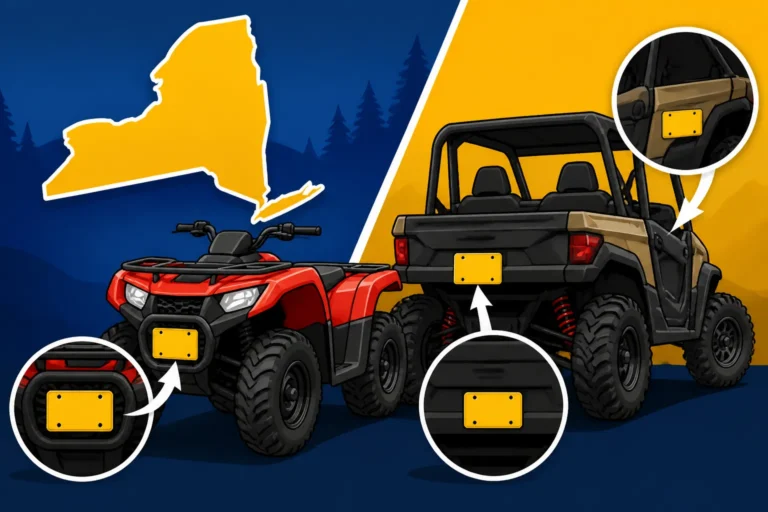
When you first register your ATV in New York, you'll pay a specific fee for the physical license plate itself. Unlike the annual registration fee, this particular charge is a one-time deal. You pay it once, and as long as you keep that plate, you won't be charged for it again during subsequent renewals, even if you keep your machine for decades. This fee primarily covers the administrative costs associated with manufacturing and issuing your unique New York ATV plate. It ensures that every legally registered machine has a clear identifier, which is crucial for safety, enforcement, and even locating your machine should it ever go missing. You can learn more about this specific charge under [The One-Time Plate Fee in New York].
Fueling the Trails: The Dedicated New York ATV Trail Fund
Perhaps the most exciting destination for your registration dollars, especially for those of us who live to ride, is the dedicated ATV Trail Fund. This is where a significant portion of your annual registration fee is funneled, creating a direct investment in the very infrastructure we use. This fund is absolutely critical for the health and expansion of ATV riding opportunities across the state.
How the Fund Works
A substantial portion of the money collected from your annual ATV registration isn't just tossed into a generic state account. Instead, it's earmarked for a special fund specifically dedicated to ATV recreation. The primary purpose of this fund is crystal clear: to support the development, maintenance, and policing of ATV trails throughout New York. Think about the improvements you see on your favorite local trail – new bridges, clearer signage, improved drainage, or even the opening of entirely new sections. Much of this work is made possible by this fund, demonstrating a tangible return on your registration investment. It's essentially a collective pot of money, managed at the state level, with the sole goal of enhancing our riding experiences. The specifics of Where New York ATV Fees Go often tie back to this essential fund.
Grants to Local Clubs and Counties
The beauty of the ATV Trail Fund is that it doesn't just sit in a state account. A major way this money gets put to use is through grants distributed to local municipalities, county recreation departments, and dedicated ATV clubs and organizations. These are the boots-on-the-ground groups that often know their local terrain best and are passionate about maintaining and growing their trail networks.
These grants fund a wide array of projects: everything from purchasing materials for bridge repairs and installing essential trail signage to clearing brush, improving staging areas, and even acquiring land for new trail development. When you're riding through a well-maintained section of a trail system, chances are, a local club or county department received a grant funded by rider fees to make that happen. For instance, the extensive [Lewis County ATV Trail System in New York] benefits immensely from these types of allocations, showcasing how local efforts are powered by statewide fees. These local entities often require formal agreements with landowners to maintain their trails, a process that can involve drafting specific legal documents. Resources like LawDepot can be invaluable for these organizations when creating comprehensive land-use agreements or volunteer waivers, ensuring everything is above board and protects all parties involved. This decentralized approach allows for targeted improvements where they're most needed, creating a more responsive and effective system for all riders, as seen in [New York's County Trail Systems Compared].
Trail Administration and Planning
While direct grants are a huge part of the picture, a portion of the dedicated ATV Trail Fund also covers the state's administrative and planning efforts. This isn't just about shuffling papers; it involves crucial work like coordinating with various agencies, conducting environmental reviews for new trail proposals, and developing long-term strategies for sustainable ATV recreation. This centralized oversight helps ensure consistency across different trail systems, promotes best practices for land management, and addresses any statewide challenges or opportunities that arise. It also supports initiatives like [New York ATV Safety Certificate Requirements], ensuring that our trails are not just available, but also safe for everyone. Without this administrative backbone, the grant program itself would lack the necessary structure to function effectively, leaving local groups without the guidance and support they need.
Keeping the Wheels Turning: Administrative and Operational Costs
While we all love to see our money directly funding trails, there's an unavoidable reality that running any statewide program involves significant administrative and operational costs. Just like any large organization, the New York DMV and related state agencies have overhead, and a portion of your fees goes towards keeping that machinery well-oiled.
DMV Processing and Infrastructure
Think about the sheer volume of ATV registrations the New York DMV processes every year, not to mention the initial plate issuances and any transfers or updates. Each of these transactions requires staff time, computer systems for data entry and record-keeping, printing and mailing of documents, and the general upkeep of the physical DMV offices themselves. Your fees contribute to these essential functions, ensuring that the process of registering your ATV is as smooth and efficient as possible. It's a foundational cost that allows the entire system to operate. Without these funds, the administrative backbone of ATV registration would simply collapse, leading to chaos and frustration for riders. The role of [The New York DMV and ATV Registration] is pivotal in this process.
Enforcement and Public Safety
A responsible ATV program isn't just about having trails; it's also about ensuring those trails are ridden safely and legally. A portion of your fees helps contribute to the broader efforts of state and local law enforcement agencies who patrol designated trails and enforce ATV laws. This includes training officers on the nuances of ATV regulations, providing them with necessary equipment, and funding public awareness campaigns that promote safe riding practices. When you see a ranger or a state trooper on a trail, their presence is partly supported by the fees riders pay. This enforcement aspect isn't just about penalties; it's about creating a safe environment for everyone, protecting both riders and the natural resources we all share. Riding an unregistered machine can lead to [New York Fines for an Unregistered ATV], further emphasizing the importance of a well-funded enforcement system.
General State Revenue
While many fees are specifically earmarked, it's also common for a small percentage of certain fees, or even the initial sales tax on your ATV purchase, to flow into the state's general fund. This general revenue supports a vast array of essential government services that benefit all New Yorkers, not just ATV riders. This might include education, healthcare, infrastructure beyond trails, and other public services. While it's not directly visible as an ATV-specific benefit, it's part of the larger picture of how state finances work. So, even a small portion of your ATV-related payments might ultimately contribute to something as fundamental as your local school or public health initiatives.
Broader Conservation and Environmental Stewardship
ATV riding is an incredible way to experience the outdoors, and with that privilege comes a responsibility to protect the environment. Your fees, both directly and indirectly, play a role in supporting broader conservation and environmental stewardship efforts across New York State.
Environmental Impact Mitigation
Responsible ATV recreation inherently includes efforts to minimize environmental impact. While dedicated trail funds focus on direct trail work, some of the broader state revenue, to which ATV fees contribute, may indirectly support state environmental protection initiatives. These initiatives aim to preserve natural habitats, prevent erosion, and maintain water quality across various landscapes. By ensuring that trails are properly designed and maintained, and by supporting general conservation, these funds help to prevent negative impacts that could otherwise jeopardize access to riding areas. It's about ensuring that our fun today doesn't come at the expense of tomorrow's natural beauty. These efforts are crucial for the long-term sustainability of outdoor recreation in New York.
Education and Responsible Riding
A significant aspect of environmental stewardship is education. Part of the state's mission, supported in part by the fees collected, involves promoting responsible land use among all outdoor enthusiasts, including ATV riders. These educational initiatives help to foster a culture of respect for nature, encouraging riders to stay on marked trails, dispose of waste properly, and understand the impact their machines can have on sensitive ecosystems. While direct grants focus on physical trails, these broader educational campaigns ensure that riders are equipped with the knowledge and mindset to be good stewards of the land. It’s an investment in changing behavior and promoting a sustainable future for our sport, ensuring that New York's beautiful wilderness remains pristine for generations to come.
Understanding Your Contribution: Why It All Matters
It's easy to view fees as just another cost, but when it comes to your New York ATV fees, they represent a vital investment. Understanding their destination transforms them from an expense into a tangible contribution to your passion and community.
The Rider's Investment in the Sport
Ultimately, the fees you pay for your ATV registration, plate, and any trail permits are a direct investment in the future of the sport you love. Without these funds, the robust trail systems we enjoy across New York, the administrative support that keeps them running, and the enforcement that ensures safety and sustainability, simply wouldn't exist. Each dollar contributes to a larger pool that maintains current trails, explores new riding opportunities, and keeps the administrative gears turning at the DMV. It's a collective effort, where every rider's contribution helps to sustain and grow the ATV community in the state. So, the next time you're cruising on a well-maintained trail, remember that your fees played a crucial part in making that ride possible.
Promoting Transparency and Accountability
Understanding where your money goes is also about promoting transparency and accountability within the state's ATV program. As riders, we have a right to know how these dedicated funds are being utilized. This knowledge allows us to better support local clubs and engage with county recreation departments, asking informed questions and advocating for projects that matter most to us. Many counties, like Lewis County, openly detail how their [Lewis County ATV Trail Permit Cost and Rules] contribute to their local trail networks. For clubs and organizations seeking grants or needing to demonstrate financial accountability, having well-organized documentation is essential. Services like LawDepot can assist in creating official reports, minutes, or other organizational paperwork that showcases responsible fund management. By staying informed, we can ensure that the funds generated by the riding community are being spent wisely, efficiently, and in ways that genuinely benefit the sport for years to come.
A Snapshot of New York ATV Fee Destinations
To summarize the general flow of your ATV-related funds, here's a quick overview of where your money typically goes. It's important to remember that exact percentages and specific allocations can vary over time and with different legislative priorities.
| Fee Type | Primary Destination (General) | Examples of What it Funds |
|---|---|---|
| Annual Registration Renewal | Dedicated ATV Trail Fund | Trail maintenance, new trail development, signage, grants |
| One-Time Plate Fee | DMV Administrative & Operational Costs | Plate manufacturing, initial processing, system upkeep |
| Sales Tax (on purchase) | General State & Local Revenue | Broad public services (not dedicated solely to ATVs) |
| Safety Certificate Course | Course Provider / State Program Admin | Instructor costs, materials, program oversight |
| Lewis County Trail Permit | Lewis County Trail System & Local Admin | Local trail grooming, bridge repair, land access agreements |
This table provides a general picture, but the core takeaway is that a significant portion of your annual registration directly feeds into the preservation and expansion of our cherished riding areas.
Disclaimer
This article is for general informational purposes only and does not constitute professional advice. Laws, prices and regulations vary by location and change over time. Consult a qualified professional for guidance on your specific situation.